Retatrutide Dosing Guide 2026: 2mg to 12mg Protocol, Half-Life & Calculator
Retatrutide is quickly emerging as the most potent investigational weight-loss compound in Eli Lilly’s pipeline — and for good reason. Phase 3 TRIUMPH-4 trial results published in December 2025 showed participants on the 12 mg dose lost an average of 28.7% of their body weight (71.2 lbs) over 68 weeks. That eclipses every approved GLP-1 medication currently on the market.
But those results come from a carefully structured titration protocol. Start too high, push too fast, or skip dose levels — and you are almost guaranteed to face severe nausea, vomiting, and early discontinuation. This retatrutide dosing guide walks you through exactly how to dose retatrutide safely, what to expect at each stage, and how to use the half-life to your advantage.
Retatrutide is injected subcutaneously once per week. The standard titration is 2mg → 4mg → 8mg → 12mg, increasing every 4 weeks as tolerated. The half-life is approximately 144 hours (6 days), supporting once-weekly administration and reaching steady state within 4–5 weeks at each dose level. Maximum studied dose in Phase 3 trials is 12mg/week.
📸 Real Retatrutide Results



What Is Retatrutide? Triple Agonist Mechanism Explained
Unlike semaglutide (GLP-1 only) or tirzepatide (GLP-1 + GIP dual agonist), retatrutide is a triple hormone receptor agonist — it simultaneously activates three separate metabolic pathways in a single molecule. This triple-action approach is why its weight-loss numbers consistently outperform everything that came before it.
Here is how each pathway contributes:
GLP-1 (Glucagon-Like Peptide-1) Pathway
GLP-1 receptor activation is the foundation of all modern weight-loss injectables. It suppresses appetite via the hypothalamus, stimulates glucose-dependent insulin secretion from pancreatic beta cells, and slows gastric emptying so you feel full longer. This is the mechanism shared by semaglutide, tirzepatide, and retatrutide alike — but it is just the starting point for retatrutide.
GIP (Glucose-Dependent Insulinotropic Polypeptide) Pathway
GIP receptor co-activation improves insulin sensitivity and appears to promote more favorable fat distribution by acting on GIP receptors in adipose tissue, reducing local inflammation. When tirzepatide added GIP to a GLP-1 backbone, it outperformed semaglutide by roughly 5–8% in head-to-head weight loss. Retatrutide includes this same advantage.
Glucagon Pathway
This is what separates retatrutide from everything else. Glucagon receptor agonism increases energy expenditure through thermogenesis and promotes lipolysis (direct fat breakdown). Glucagon stimulates hepatic glucose output in the fasted state, which drives fat oxidation — essentially turning your liver into a more efficient fat-burning engine. This third mechanism likely explains the additional 2–4% weight loss retatrutide achieves beyond tirzepatide.
The net result: retatrutide hits appetite suppression, insulin sensitivity, and metabolic rate simultaneously — three levers instead of one or two.
Retatrutide Half-Life: Why It Matters for Dosing
Retatrutide has a plasma half-life of approximately 144 hours — roughly 6 days. This is longer than tirzepatide (approximately 5 days) and comparable to semaglutide (approximately 7 days), making it well-suited to once-weekly subcutaneous injection.
Understanding the half-life matters for two practical reasons:
- Steady state timing: It takes approximately 4–5 half-lives to reach steady-state plasma concentration. At 6 days per half-life, you will reach stable drug levels roughly 24–30 days (about 3.5–4.5 weeks) after starting or changing a dose. This is why the protocol waits a full 4 weeks before escalating — you need to see how you tolerate the steady-state concentration, not just the initial dose.
- Missed dose management: If you miss a dose by 1–2 days, plasma levels drop modestly (the drug is still mostly active). If you miss more than 3 days, skip that dose and resume your regular schedule. Never double up — the additive plasma concentration will spike GI side effects sharply.
Want to visualize your plasma levels across the titration schedule? Use our dose calculator to model retatrutide steady-state curves.
Full Retatrutide Titration Protocol: 2mg to 12mg
The titration schedule below is based on the Phase 2 NEJM trial protocol, consistent with what was used in TRIUMPH-4 and the broader TRIUMPH Phase 3 program. For a printable version, see our retatrutide dosage chart, or cross-reference this detailed retatrutide dosage protocol for a dose-by-dose breakdown.
Source: Eli Lilly Phase 2 clinical trial protocol (NEJM, 2023). TRIUMPH-4 evaluated 9 mg and 12 mg maintenance doses.
Weeks 1–4: 2mg — The Tolerance Phase
The 2mg starting dose is not therapeutic in terms of weight loss — you will not lose significant weight here. Its purpose is to allow your GI tract to adapt to triple receptor activation before higher plasma concentrations arrive. During weeks 1–4, expect:
- Mild appetite reduction noticeable by days 2–3 after first injection
- Possible mild nausea, especially after large or fatty meals
- Minor injection site reactions (redness, mild swelling at the subcutaneous site)
- Increased satiety — you will naturally eat smaller portions
Do not rush through this phase. Patients who try to escalate early to get results faster consistently report more severe GI side effects at subsequent dose levels.
Weeks 5–8: 4mg — First Therapeutic Effects
At 4mg, most people begin to notice meaningful weight loss — typically 2–5 lbs in this period. Appetite suppression becomes more consistent throughout the day rather than just the first day or two post-injection. GI side effects may temporarily increase as your body adjusts to the new steady-state concentration, then typically subside by the third or fourth week at this dose.
Weeks 9–12: 8mg — Full Therapeutic Range
This is where retatrutide’s triple agonist mechanism really kicks in. The glucagon pathway becomes more pharmacologically active at higher concentrations, increasing metabolic rate noticeably. Most trial participants reported significant appetite reduction and visible body composition changes by this phase. Expect 5–10 lbs of weight loss during these four weeks if previous phases were tolerated well.
Week 13+: 12mg — Maximum Studied Dose
The 12mg dose is the maintenance dose studied in TRIUMPH-4. It is the dose that achieved 28.7% average weight loss at 68 weeks. Not everyone needs to reach 12mg — some individuals achieve excellent results at 8mg and may choose to maintain there, especially if GI tolerability is a concern. The 9mg intermediate dose used in TRIUMPH-4 also produced impressive results (26.4% weight loss) and carries a more favorable side effect profile than 12mg for some patients.
- Inject subcutaneously into the abdomen, thigh, or upper arm — rotate sites weekly
- Use the same day each week (e.g., every Sunday morning) to maintain consistent intervals
- Inject at room temperature — do not inject refrigerator-cold solution
- Pinch skin lightly; insert needle at 45–90 degrees depending on body composition
- Inject slowly and remove needle; apply gentle pressure — do not rub
- Log your injection date, dose, and any side effects after each administration
Injection Technique Checklist
Phase 3 TRIUMPH-4 Results: What the Data Actually Shows

In December 2025, Eli Lilly announced positive topline results from TRIUMPH-4 (NCT05869903) — the first successful Phase 3 trial for retatrutide. This was a 68-week, randomized, double-blind, placebo-controlled study in 445 adults with obesity or overweight and knee osteoarthritis.
Key participant profile: average baseline body weight of 112.7 kg (248.5 lbs), average BMI of 40.4 kg/m², with 84% of participants having a BMI ≥35. Each dose of retatrutide (9 mg and 12 mg) met all primary and key secondary endpoints at 68 weeks.
Secondary Endpoints Worth Noting
The secondary endpoints reveal just how powerful retatrutide’s weight-loss effect is at the population level:
- ≥25% weight loss: Achieved by 47.7% (9mg) and 58.6% (12mg) of participants — versus just 1.3% on placebo
- ≥30% weight loss: Achieved by 30.5% (9mg) and 39.4% (12mg) — outcomes approaching bariatric surgery territory
- ≥35% weight loss: Achieved by 18.2% (9mg) and 23.7% (12mg)
- Completely pain-free: 14.1% (9mg) and 12.0% (12mg) of patients were completely free of knee pain at 68 weeks, vs. 4.2% on placebo
- Cardiovascular markers: Retatrutide reduced non-HDL cholesterol, triglycerides, and high-sensitivity C-reactive protein (hsCRP)
- Systolic blood pressure: Lowered by 14.0 mmHg at the 12mg dose
- Physical function (WOMAC): Improved by 71.8% (9mg) and 73.7% (12mg) versus 35.6% on placebo
Seven additional Phase 3 readouts from the TRIUMPH program — covering obesity, type 2 diabetes, sleep apnea, cardiovascular outcomes, liver disease, and chronic low back pain — are expected to complete in 2026.
Retatrutide Side Effects: What to Expect and How to Manage Them
For a full breakdown, see our dedicated retatrutide side effects guide. Here is what TRIUMPH-4 reported at the two highest doses:
*Dysesthesia (abnormal skin sensations such as tingling or burning) is a novel finding specific to retatrutide, likely linked to glucagon receptor activation. Events were generally mild and rarely led to treatment discontinuation.
Overall treatment discontinuation rates were similar between retatrutide and placebo groups. Discontinuation due to adverse events was 12.2% (9mg) and 18.2% (12mg), compared to 4.0% with placebo — and notably, some discontinuations were for perceived excessive weight loss, not adverse reactions.
Managing GI Side Effects During Titration
- Nausea: Eat smaller, lower-fat meals. Avoid high-calorie, high-fat foods for the first 48 hours post-injection. Ginger tea or anti-nausea gum can help in early phases. Ondansetron may be prescribed for severe cases.
- Constipation: Increase dietary fiber and water intake from week 1. A psyllium husk supplement taken daily can prevent this proactively.
- Diarrhea: Usually transient. Avoid high-fat meals and stay hydrated with electrolyte-containing fluids.
- Dysesthesia: Tingling or unusual skin sensations are linked to glucagon receptor activity. Generally mild and self-resolving. Report to your prescriber if persistent or severe.
- Slow the titration: If GI side effects are significant, staying at the current dose for an additional 4 weeks before escalating is preferable to stopping entirely. Tolerance typically develops within 2–3 weeks at any given dose level.
Conservative Titration: When to Slow Down
The standard 4-week escalation protocol is a minimum guideline, not a hard requirement. Some individuals benefit significantly from extended time at each dose level, particularly at the 4mg→8mg transition where many of the more severe GI side effects appear.
Consider holding longer at a given dose if:
- Nausea or vomiting significantly impacts daily life or nutritional intake beyond the first week at a new dose
- Appetite suppression is so severe that maintaining adequate caloric intake becomes difficult
- GI symptoms have not improved after 3 weeks at the current dose
- Anxiety about side effects is causing missed injections
A 6-week or 8-week hold at any dose level is entirely reasonable and will not meaningfully affect long-term outcomes. Consistency matters more than speed.
Where to Source Retatrutide (Research Use)
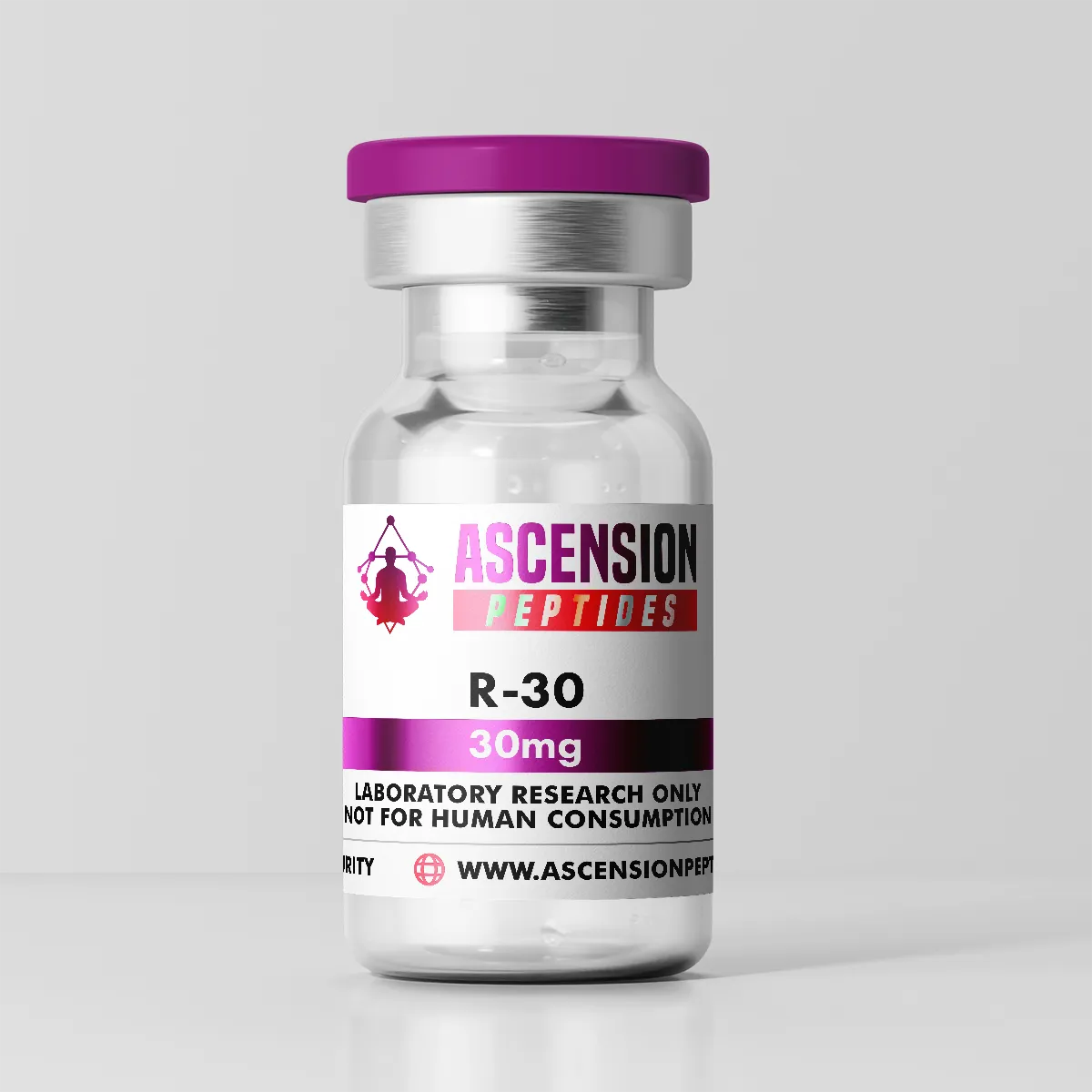
Retatrutide remains investigational and is not yet FDA-approved for human use. It is currently available from research peptide suppliers as a compound. When sourcing, look for vendors that provide independent third-party HPLC testing, mass spectrometry confirmation, and a Certificate of Analysis (COA) from a US-based or internationally accredited lab. Purity should be ≥98%. We recommend Ascension Peptides for retatrutide — they carry both the R-10 (10mg) and R-30 (30mg) with third-party COA testing and US-based shipping.
This content is for informational and educational purposes only. Peptides discussed on this page are compounds not yet FDA-approved for human use. Always consult a licensed medical professional before using any peptide or supplement.
For the specific strengths people search — 5mg, 6mg, 10mg, 15mg and 16mg — and which of them are vial sizes rather than doses, see retatrutide doses explained.
Frequently Asked Questions
What is the starting dose for retatrutide?
The standard starting dose is 2mg subcutaneously once weekly. This initiation dose allows the GI tract to adapt to triple receptor activation before therapeutic concentrations build up. Starting at 4mg or higher significantly increases nausea and vomiting risk.
How long does it take to reach the 12mg dose?
Following the standard 4-week titration protocol, you will reach the 12mg maintenance dose at week 13. Some individuals stay longer at intermediate doses if tolerability is a concern, reaching 12mg anywhere between weeks 13 and 25.
What did the TRIUMPH-4 trial show?
TRIUMPH-4 was a 68-week Phase 3 trial in 445 adults with obesity and knee osteoarthritis. Participants on 12mg retatrutide lost an average of 28.7% of body weight (71.2 lbs). 58.6% achieved ≥25% weight loss and 39.4% achieved ≥30% weight loss. WOMAC knee pain scores improved by up to 75.8%. These are the strongest weight-loss outcomes recorded in any Phase 3 trial of a GLP-class injectable compound.
Is retatrutide more effective than semaglutide or tirzepatide?
Based on Phase 2 and Phase 3 data, retatrutide produces greater average weight loss than semaglutide (~15% with Wegovy) and tirzepatide (~22.5% with Zepbound at highest doses). The additional glucagon receptor activation appears to drive the extra metabolic effect. However, retatrutide carries a higher incidence of GI side effects and a unique dysesthesia signal not seen with the other agents. Head-to-head trials have not been completed.
What is the half-life of retatrutide?
Retatrutide has a plasma half-life of approximately 144 hours (6 days). This supports once-weekly dosing and means it takes roughly 4–5 weeks at any given dose to reach steady-state plasma concentration — which is why each titration step requires at least 4 weeks before escalating.
Can I use retatrutide for muscle preservation during weight loss?
The glucagon component of retatrutide’s mechanism increases fat oxidation and thermogenesis, which may preferentially spare lean muscle mass compared to GLP-1 monotherapy. However, rapid weight loss at 12mg can still involve some lean mass reduction. Adequate protein intake (≥1.2g/kg body weight) and regular resistance training are important during any rapid weight-loss protocol.
When will retatrutide receive FDA approval?
As of early 2026, Lilly has seven additional Phase 3 TRIUMPH readouts expected to complete in 2026. FDA submission timelines have not been officially announced, but analysts project a potential approval filing in late 2026 or 2027, with a possible market launch in 2027–2028.
What happens if I miss a retatrutide dose?
If fewer than 3 days have passed since your scheduled dose, take it as soon as possible and resume your normal weekly schedule. If more than 3 days have passed, skip the missed dose entirely and take your next dose as scheduled. Never take two doses in one week. If you have been off retatrutide for more than 2 weeks, consider restarting at a lower dose level to avoid re-exposure side effects at higher concentrations.
For a visual reference of the complete titration schedule, see our printable retatrutide dosage chart, or model your expected plasma levels with our peptide dose calculator.