Most people do not get burned by peptides because they picked the wrong compound. They get burned because they bought from the wrong vendor.
🔑 Key Takeaways
- Certified peptides is not a regulated gold stamp: it usually means the vendor can show testing, batch records, and basic quality controls.
- The COA matters most: you want a recent, batch-specific certificate with purity data, not a generic PDF reused across products.
- Third-party testing beats brand promises: polished marketing means nothing if there is no outside lab verification.
- Sterility matters for injectables: purity alone is not enough if the vial is contaminated or poorly handled.
- Vendor reputation still counts: shipping quality, support, labeling, and consistency tell you a lot.
- Cheap usually gets expensive: underdosed or fake peptides cost more when you have to replace them or deal with side effects.
How to verify a peptide really is certified (the 5-minute check)
The word "certified" does a lot of heavy lifting on vendor pages. There is no FDA seal of approval for research peptides, so "certified" almost always means the vendor has chosen to do certain quality checks and publish the paperwork. The five-minute check below separates real proof from marketing.
- Open the COA for your exact vial. A Certificate of Analysis should match by batch or lot number, not a generic PDF from 2022. If the lot on the vial does not appear on the COA, treat it as no COA at all.
- Confirm HPLC purity above 98%. The chromatogram should show a clean primary peak with named impurity peaks, not a flat smudge. Anything labeled "purity tested" without a number is a red flag.
- Look for mass spec identity confirmation. HPLC tells you how clean it is, mass spectrometry tells you it is actually the peptide on the label. Vendors that skip MS often hide identity problems.
- Check sterility and endotoxin. Injectable peptides need at least an endotoxin (LAL) result. No endotoxin number, no injectable use.
- Confirm manufacturing location. US-made or EU-made gives you a shorter supply chain, fewer customs delays, and more degraded-product accountability than imported powder repackaged in unmarked vials.
Which "certifications" actually mean something in 2026
Most peptide labels mix real quality signals with vague marketing language. Here is how to read what is on the bottle.
For a deeper vendor breakdown that already runs these checks for you, see our 2026 legit peptide vendors list. If you want a single shortlist of USA-based labs that publish their batch COAs, the where to buy peptides online guide covers that. For the safety side of the conversation, read are peptides safe and the broader dangers of peptides review before you order.
If you are searching for certified peptides, you probably are not looking for chemistry trivia. You want the practical answer: how do I avoid fake, weak, sketchy products and buy from a vendor that actually does what it claims?
That is the right question. And honestly, in 2026, it matters more than ever because the peptide market is crowded with polished sites, recycled lab reports, and bargain pricing that falls apart the second you look closely.
💡 Quick Answer
Good certified peptides come with batch-level proof. Look for a recent third-party COA, clear purity data, sterility testing for injectables, transparent labeling, and a vendor with an actual track record. If any of those are missing, keep moving.
What Do Certified Peptides Actually Mean?
Here is the part sellers usually blur on purpose: certified peptides is not the same as a government-approved badge that guarantees quality across the board.
In practice, the phrase usually means the vendor is claiming some combination of testing, documentation, and quality control. Sometimes that is legitimate. Sometimes it is just dressed-up sales copy.
- Certificate of Analysis (COA): shows purity and sometimes identity testing for a specific batch.
- Third-party lab testing: means a separate lab checked the material instead of the seller grading their own homework.
- Sterility or endotoxin screening: especially relevant for injectable peptides.
- Batch numbers and traceability: lets you match the vial in your hand to the paperwork on the site.
- Consistent fulfillment and storage practices: because even a good peptide can be ruined by sloppy handling.
So yes, certified peptides can be a useful search term. But the proof matters more than the label.
How to Tell if a Peptide Vendor Is Actually Legit
If I had to compress the whole buying process into one filter, it would be this: can the vendor prove what is in the vial, and do they make that proof easy to find?
1. Batch-Specific COAs
A real COA should match the batch you are buying. Not a blurry screenshot. Not a one-size-fits-all certificate uploaded two years ago. You want a report tied to a lot number, with a date, a lab name, and actual test results.
If you are comparing options like BPC-157, TB-500, or Ipamorelin, the standard should be the same every time.
2. Third-Party Testing
This is huge. A vendor saying “we test everything” is nice, but outside verification is what separates a serious seller from a guy with a storefront and a Canva logo.
3. Purity Numbers That Make Sense
For most peptides, you should expect purity around 98% or higher. That is not a magic number, but it is a practical benchmark. Anything vague like high purity without a number is useless.
4. Sterility and Endotoxin Control
This gets ignored way too often. A peptide can test well for purity and still be a bad buy if injectable handling is sloppy. Sterility matters. Endotoxin control matters. Clean filling matters. If a vendor sells injectables and says nothing about any of that, I do not love it.
5. Reputation That Exists Outside Their Own Website
Look for repeated signs of trust: buyers mention consistent packaging, orders arrive properly packed, labels match the COA, and customer support does not vanish when there is a problem.
That last part sounds boring. It is not. Vendor quality shows up in boring details long before it shows up in marketing.
Certified Peptides vs Sketchy Peptides: Fast Comparison
Red Flags That Usually Mean You Should Not Buy
Some warning signs are obvious. Others are sneaky. Either way, they tend to show up in the same clusters.
- No batch number on the product page or label
- Only one COA reused for every strength or vial size
- COAs with no lab name, date, or testing method
- Extreme discount pricing that makes legit synthesis look impossible
- No storage instructions or cold-chain details
- Messy site copy, broken pages, or inconsistent product naming
- No real contact info or support channel
And one more thing. If a seller leans harder on hype than documentation, that is usually the tell. Good vendors want you to inspect them.
Where to Buy Trusted, Tested Peptides in 2026
The SERP for certified peptides is full of vendor homepages making quality claims. That tells you the intent is commercial. People searching this term want to know who they can trust, not just what a COA is.
If you want a broader breakdown before choosing a vendor, read Where to Buy Peptides Online in 2026. It covers the same trust signals from a more general buyer angle.
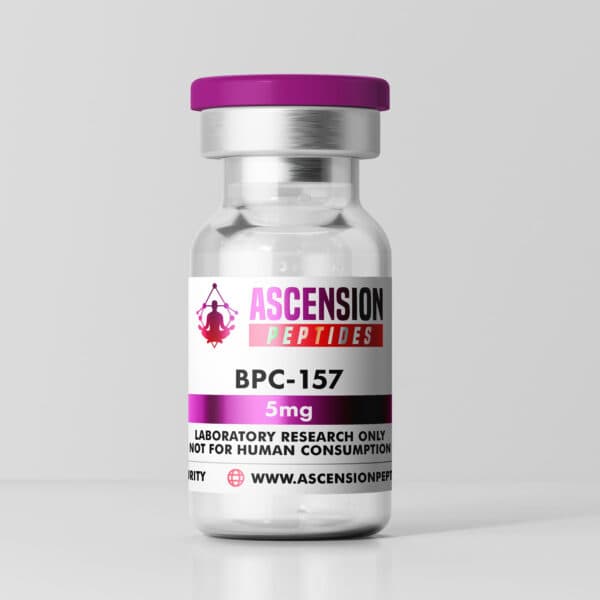
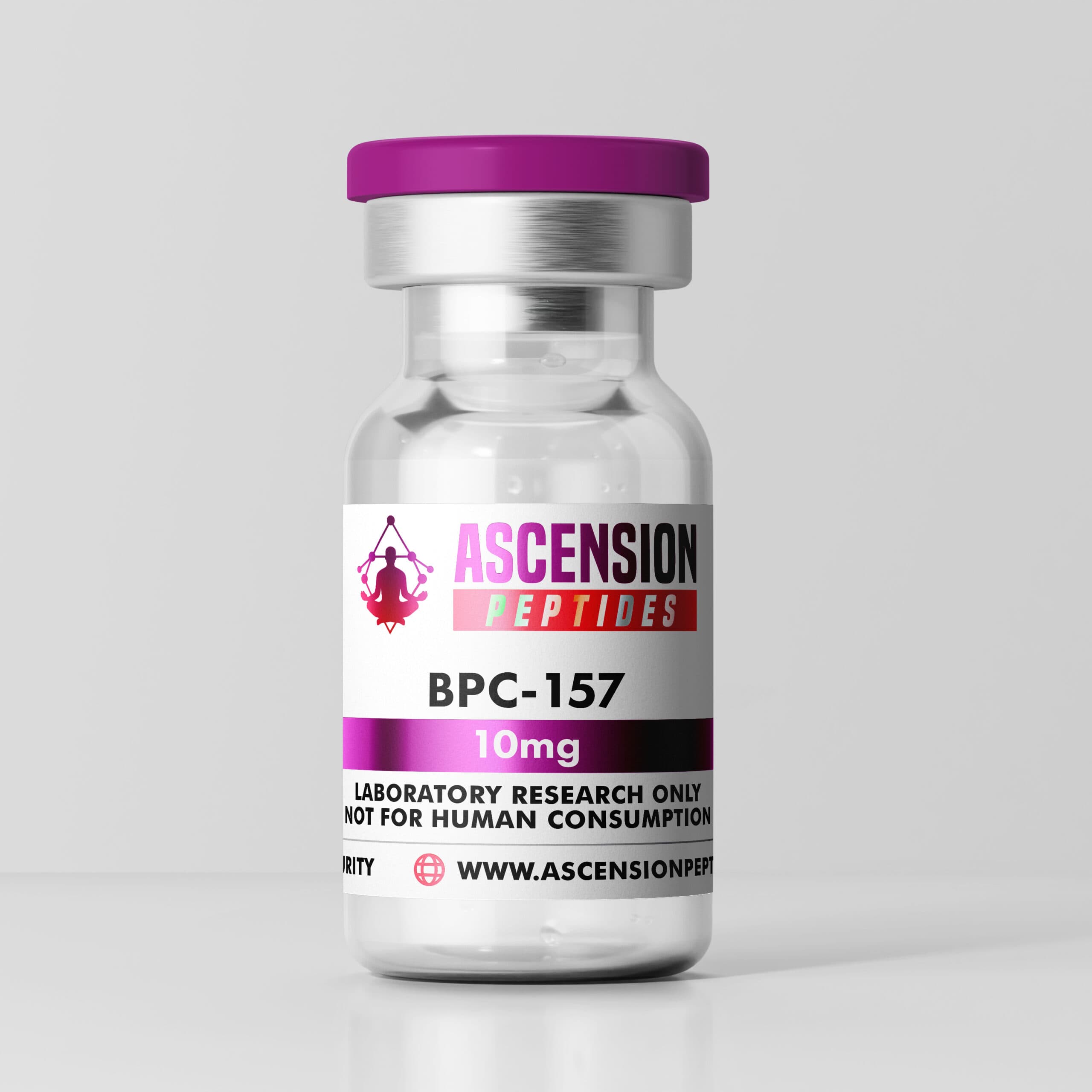
At the moment, Ascension Peptides is still one of the stronger broad-market options if your priority is transparent sourcing. The big reasons are simple: visible batch documentation, cleaner product pages, better labeling, and a catalog built around staples people actually buy.
💡 What to Buy First if You Are New
If you are just testing a vendor, start with a familiar, widely reviewed product rather than some obscure boutique peptide. A staple like BPC-157 gives you a better feel for packaging, documentation, consistency, and overall professionalism.
If you want more context before buying anything, PeptideDeck also has guides on common peptides and their uses and what peptide therapy actually involves. Those are useful if you are still sorting out what you need, not just where to buy it.
The Bottom Line on Certified Peptides
People use the phrase certified peptides because they want safety, legitimacy, and consistency. Fair enough. But the phrase itself is not the protection. The paperwork is. The testing is. The reputation is.
So when you are comparing vendors, keep it simple:
- Check the COA
- Confirm third-party testing
- Look for sterility standards on injectables
- Review labeling and batch traceability
- Buy from vendors with a reputation worth protecting
Do that, and you cut out most of the nonsense. Skip it, and you are basically gambling with better branding.