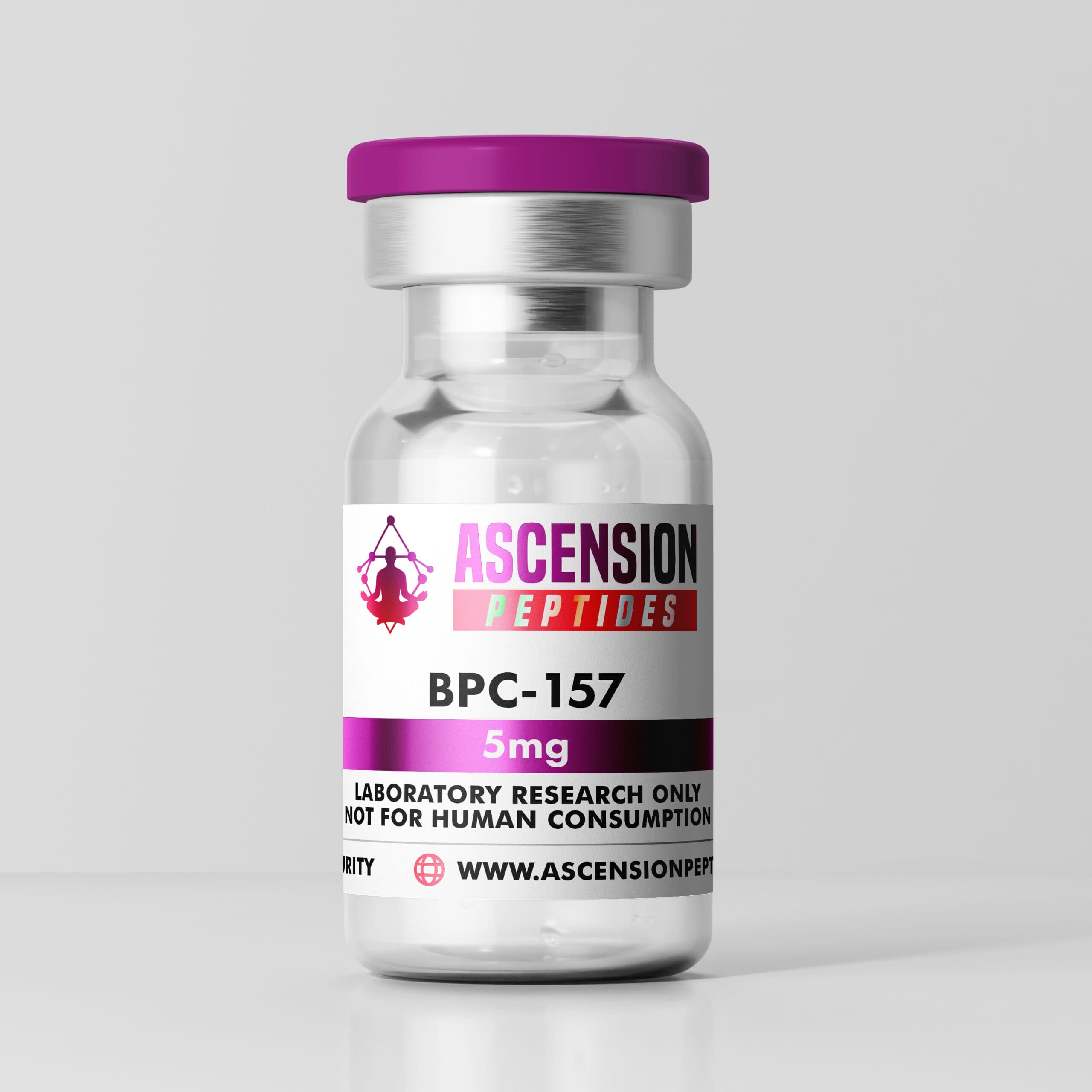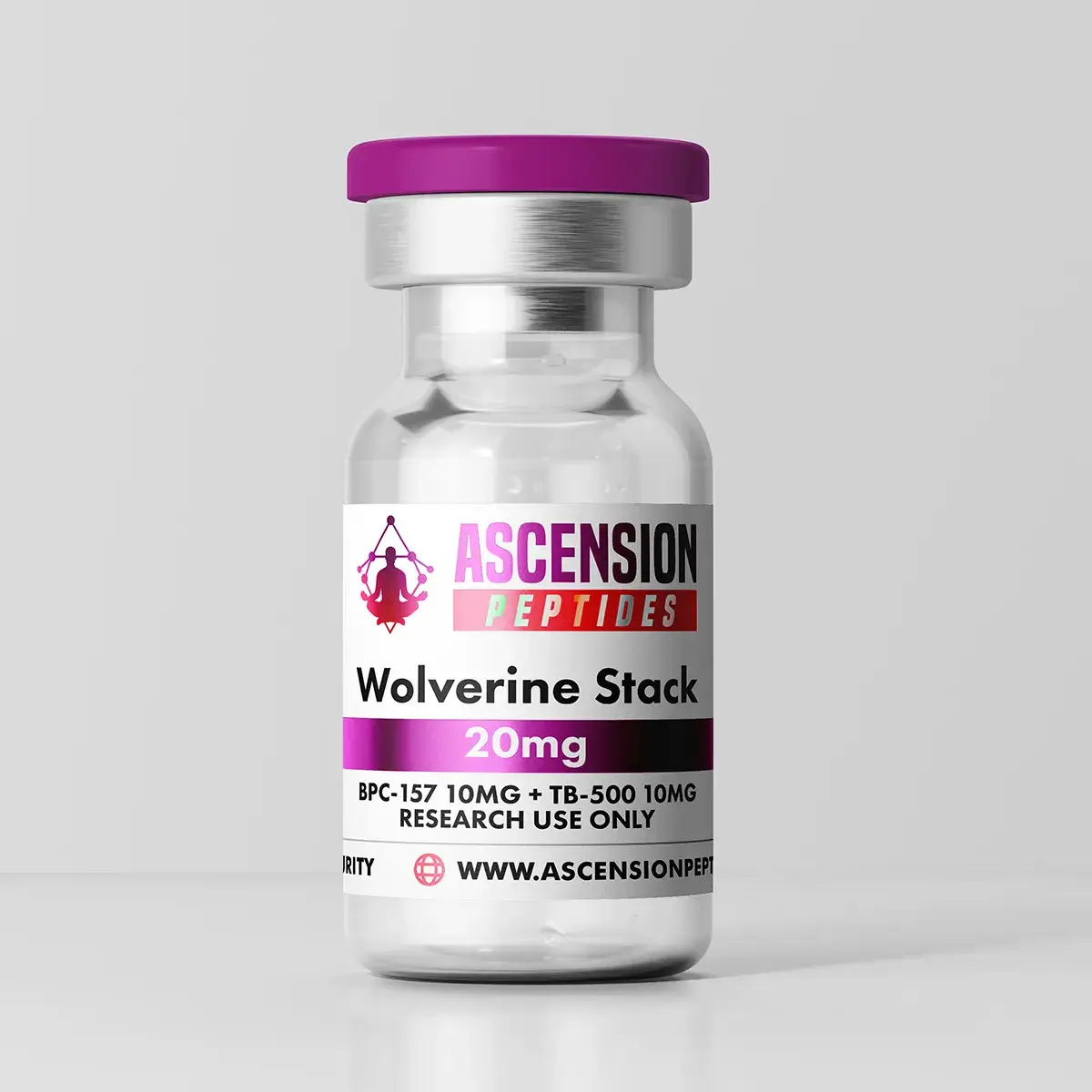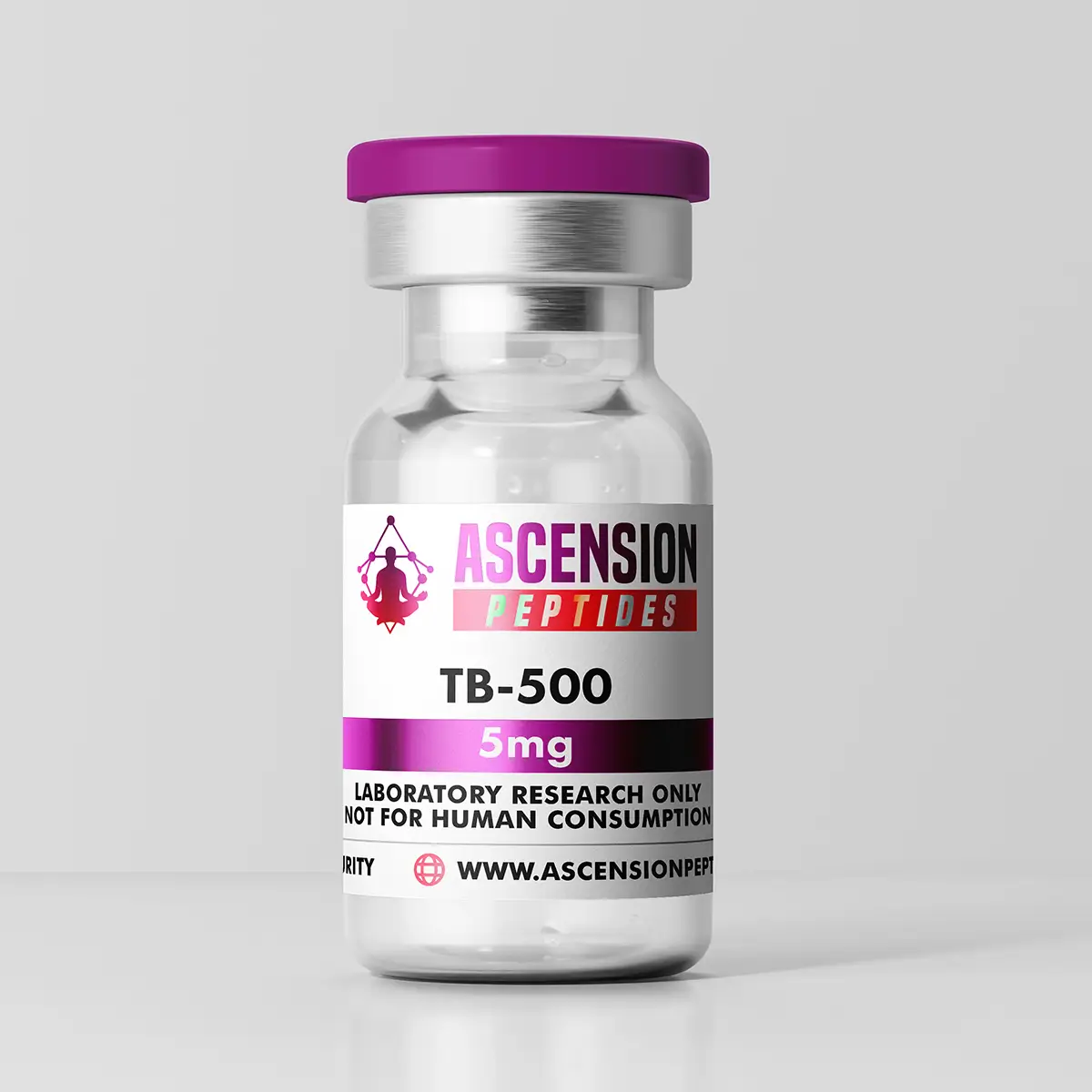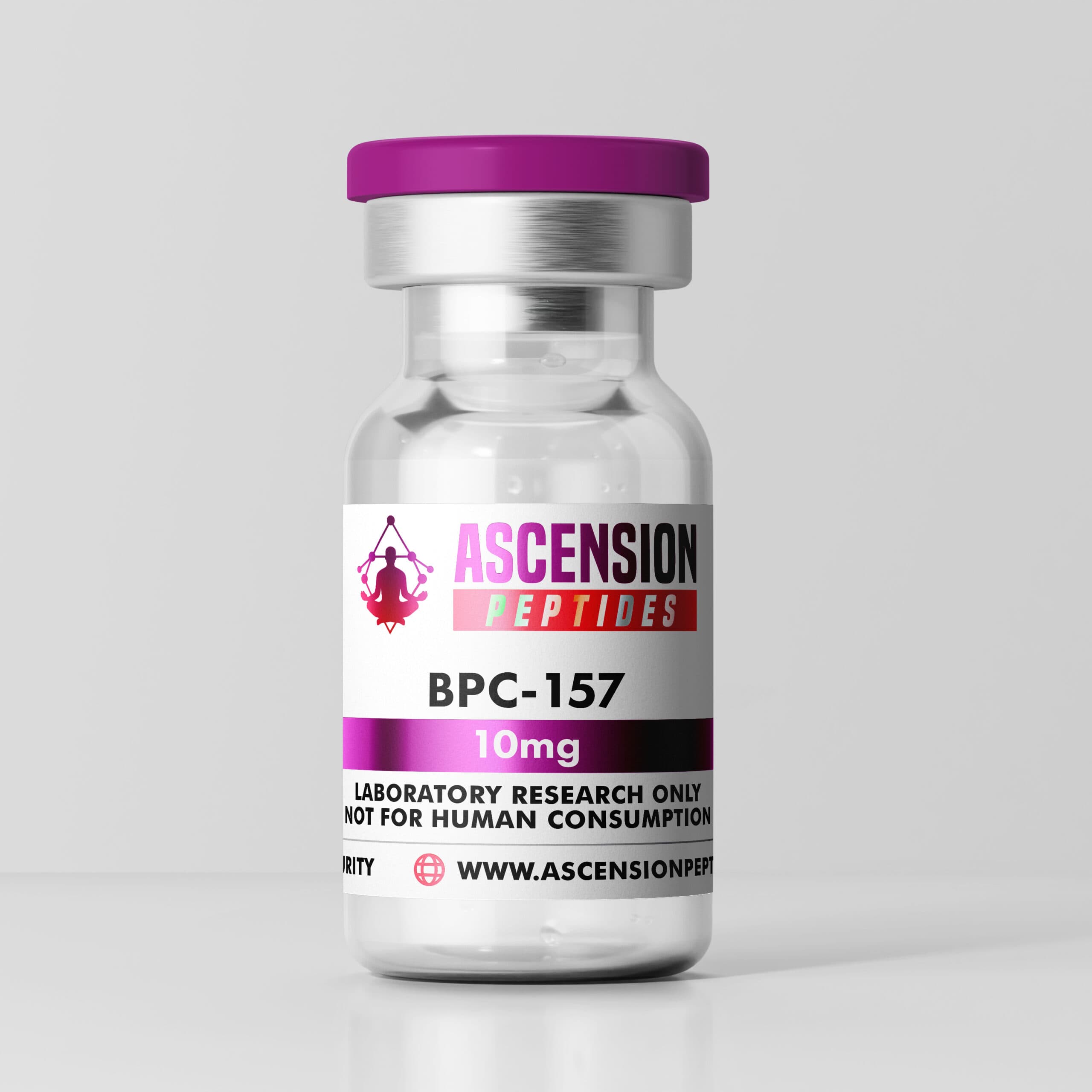
BPC-157 is the most widely used healing peptide in the world. Not the most studied in clinical trials, those are GLP-1 drugs, but the most used by people actually trying to fix something: a torn tendon, a wrecked gut, a joint that won't stop hurting.
🔑 Key Takeaways
- BPC-157 (Body Protection Compound-157) is a 15-amino acid peptide fragment derived from a protein naturally found in human gastric juice. It accelerates healing across tendons, ligaments, muscles, gut lining, nerves, and skin
- The primary mechanism is angiogenesis: BPC-157 builds new blood vessels at injury sites, dramatically increasing oxygen and nutrient delivery to damaged tissue. It also upregulates growth factors and modulates nitric oxide signaling
- Gut healing is the most biologically direct application because BPC-157 originates from the gastric system. NSAID damage, leaky gut, IBS symptoms, and post-antibiotic gut issues respond fastest
- Tendon and ligament repair is the most common use case. Injuries that have persisted for months often begin improving within 1 to 2 weeks
- BPC-157 peptide is available as injectable (subcutaneous) and oral capsules. Injectable provides systemic benefits. Oral delivers directly to the GI tract for gut-specific goals
- Side effects are minimal: injection site redness, occasional nausea. No serious adverse events have been widely reported at standard doses
- Often stacked with TB-500 (the Wolverine Stack) for amplified healing, covering both blood vessel formation and cell migration
This is the full picture of BPC-157: what it is, how it works, every documented benefit, dosing, side effects, stacking, and how to use it.
BPC-157 FDA Status in 2026: Reclassification & What Changed
The legal and regulatory landscape for BPC-157 shifted meaningfully in 2026. If you're reading anything written before April, the rules have changed.
What changed in 2026:
- April 15, 2026: HHS Secretary RFK Jr. announced a peptide reclassification framework, reopening compounding pharmacy access to BPC-157 under specific protocols for licensed providers.
- July 23–24, 2026: Scheduled FDA Pharmacy Compounding Advisory Committee (PCAC) review will set the formal long-term framework. Outcome shapes whether the compounded route narrows or expands further.
- Research-use peptide vendors (Ascension, others) remain the dominant supply channel for non-prescribed use. Their products are sold for laboratory research only, not human use, and that label remains the legal anchor.
- WADA: BPC-157 is on the World Anti-Doping Agency Prohibited List (Section S2, peptide hormones). Athletes in tested sport should not use it under any route.
Practical translation: for anyone outside competitive testing, BPC-157 is more accessible in mid-2026 than it was in 2024, but the framework is still in flux. For current vendor verification and compounded-route status see our BPC-157 legal sourcing guide and the broader FDA AdCom peptide restrictions briefing.
What Is BPC-157?
A fragment of a protein your stomach already makes.
BPC-157 stands for Body Protection Compound-157. It's a synthetic version of a 15-amino acid sequence found in human gastric juice, the digestive fluid your stomach produces. The natural protein (called BPC) plays a role in protecting and repairing the GI tract. BPC-157 is a stable fragment of that protein, engineered to survive longer and produce stronger effects than the natural version.
The peptide was first characterized in the 1990s. Since then, it has been studied in hundreds of models across tissue types: tendons, ligaments, muscles, bones, gut lining, blood vessels, nerves, and skin. No human clinical trials have reached Phase 3 (a common criticism), but the breadth of consistent data across models, combined with extensive community use, has made it the most popular healing peptide available.
BPC-157 is not FDA-approved for any indication. It's available through compounding pharmacies (with a prescription) and licensed peptide suppliers. The FDA has placed it on a list for further review under Section 503A compounding regulations, but prescriptions remain valid during the review period.
How BPC-157 Works
Four mechanisms, all running simultaneously.
Most healing compounds target one pathway. BPC-157 operates across several, which explains why it shows results across so many tissue types:
- Angiogenesis: BPC-157 stimulates new blood vessel formation at injury sites by upregulating VEGF (vascular endothelial growth factor). More blood supply means more oxygen, more nutrients, and faster clearance of inflammatory waste. This is the primary mechanism behind accelerated healing.
- Growth factor upregulation: Beyond VEGF, BPC-157 increases activity of EGF (epidermal growth factor), FGF (fibroblast growth factor), and other repair-signaling molecules. These drive tissue regeneration at the cellular level.
- Nitric oxide modulation: BPC-157 interacts with the nitric oxide system, which regulates blood flow, inflammation, and neurotransmitter activity. This pathway connects to both its cardiovascular and neuroprotective effects.
- Anti-inflammatory signaling: Reduces pro-inflammatory cytokines at injury sites without the systemic immunosuppression of NSAIDs or corticosteroids. The inflammation goes down, but your immune system stays functional.
The combination is why BPC-157 doesn't just help one tissue type. It supports the entire repair infrastructure.
BPC-157 Benefits
Every documented effect, organized by strength of evidence and user experience.
Tendon and Ligament Healing
The most common reason people use BPC-157.
Tendons heal slowly because they have poor blood supply compared to muscles. BPC-157 directly addresses this by building new vasculature into the damaged tissue. Studies show accelerated healing of Achilles tendon injuries, MCL tears, rotator cuff damage, and patellar tendinopathy.
What users consistently report: tendon pain that has lingered for months begins improving within 1 to 2 weeks. Full resolution typically takes 4 to 8 weeks. The improvement isn't just pain masking. The tissue is structurally repairing. For dosing details, see the BPC-157 dosage page.
Gut Healing
The benefit with the strongest biological logic.
BPC-157 comes from the gut. It's a fragment of a gastric protection protein. Its effects on the GI lining are the most directly supported of any application:
- Heals NSAID-induced stomach and intestinal ulcers (ibuprofen, naproxen, aspirin damage)
- Repairs intestinal permeability ("leaky gut") by restoring tight junction integrity
- Reduces GI inflammation relevant to IBS, IBD-related symptoms, and post-antibiotic dysbiosis
- Protects against alcohol-induced gastric lesions
- Accelerates healing of inflammatory bowel damage
Gut benefits appear fastest. Reduced bloating, less post-meal discomfort, and improved regularity often within the first week. This is also why oral BPC-157 capsules are popular for gut-specific goals.
Muscle Recovery
Faster repair between training sessions.
BPC-157 accelerates muscle fiber regeneration through the same angiogenic and growth factor mechanisms that help tendons. For athletes and anyone training hard, this means less soreness, faster recovery between sessions, and the ability to maintain volume through minor strains. Crushed muscle tissue in studies showed significantly faster regeneration with BPC-157 compared to controls.
Joint Pain and Inflammation
Even people using BPC-157 for a specific injury report improvement in other joints. The systemic anti-inflammatory effect reduces inflammatory cytokines throughout the body. Particularly relevant for people with multiple joint complaints or chronic inflammatory conditions.
Nerve Healing
One of the less discussed applications.
BPC-157 shows neuroprotective effects and accelerated peripheral nerve regeneration. Studies demonstrate improved recovery from nerve crush injuries and protection against neurotoxic damage. People with neuropathy or nerve entrapment sometimes report improvement. The peptides for nerve damage page covers this in detail.
Wound Healing and Skin Repair
Cuts, surgical incisions, and burns show faster closure rates with BPC-157. The improved blood supply reduces infection risk. Some users report less scarring from injuries sustained while on a BPC-157 protocol, likely from better-organized collagen deposition.
Cardiovascular Protection
BPC-157 has shown protective effects on the cardiovascular system: preventing arrhythmias, protecting against certain types of cardiac damage, and improving endothelial function. The nitric oxide modulation pathway is central here. Not a cardiac drug, but an added systemic benefit.
Neuroprotection and Brain Injury Recovery
One of the most underrated benefit categories.
Animal studies show BPC-157 protects dopaminergic neurons against MPTP-induced damage (a model used for Parkinson's research) and accelerates recovery after traumatic brain injury. The mechanism appears to involve preserving nitric oxide signaling and reducing neuroinflammation in damaged brain tissue. User reports for post-concussion symptoms and persistent cognitive fog after head impacts are common, though human trials remain absent.
Mental Health: Anxiety and Depression via the Gut–Brain Axis
BPC-157's effects on mood emerge from its primary GI mechanism: a healthier gut produces healthier serotonin and dopamine signaling. Animal models show clear anxiolytic and antidepressant-like effects, especially in stress-induced models. Many users with chronic gut issues report unexpected mood lift alongside the physical healing. For the deeper protocol context see our BPC-157 for anxiety and depression guide.
Gastric Protection: NSAIDs, Alcohol, and Corticosteroids
BPC-157 protects the stomach lining against the most common chemical insults: chronic NSAID use, alcohol exposure, and corticosteroid therapy. It's not just symptom relief; the rat model literature shows BPC-157 prevents the actual erosion and ulceration these drugs cause. For people who need to take NSAIDs long-term for joint pain (or are stuck on a corticosteroid course), this protective effect is one of the most well-replicated findings in the entire BPC-157 literature.
BPC-157 Results Timeline: What to Expect Week by Week
Results scale with the type of injury and the dose, but the typical progression is consistent enough to map out. Use this as a baseline expectation, not a guarantee.
For documented before/after cases from real users, see our BPC-157 before and after results gallery.
BPC-157 Dosage
Two routes, different use cases.
Subcutaneous Injection (most common)
Inject into abdominal fat (subcutaneous). Systemic distribution means you don't need to inject at the injury site. Use the reconstitution calculator to determine how much bacteriostatic water to add for your dose.
Oral Capsules
500-1,000 mcg daily for gut-specific goals. Lower systemic bioavailability than injection but delivers the peptide directly to the GI tract. Best for IBS, leaky gut, NSAID recovery, and ongoing gut maintenance. No injection required.
Full protocols are covered on the BPC-157 dosage page.
BPC-157 Side Effects
Minimal and predictable.
BPC-157 has one of the most favorable safety profiles in the peptide space:
- Injection site redness: Most common, mild, resolves within hours. Rotate sites.
- Nausea: Occasional, usually from injecting on an empty stomach. Eating beforehand helps.
- Mild dizziness: Uncommon, typically at higher doses only.
- Fatigue: Rare, first few days of a cycle.
No serious adverse events have been widely reported at standard doses. The main theoretical concern: BPC-157's angiogenic activity means people with active cancer should consult their oncologist before use, as promoting new blood vessel formation could theoretically support tumor vascularization. No such cases have been documented, but the mechanism warrants caution.
Full side effect breakdown on the BPC-157 side effects page.
BPC-157 + TB-500: The Wolverine Stack
The most popular peptide stack for a reason.
BPC-157 and TB-500 target different bottlenecks in healing:
BPC-157 creates the infrastructure. TB-500 brings the workers. Together, they cover the two biggest bottlenecks: blood supply and cell delivery. The Wolverine Stack from Ascension Peptides combines both in one product. The Wolverine Stack dosage page covers the combined protocol.
For broader healing coverage that also includes anti-inflammatory and skin benefits, the KLOW blend adds GHK-Cu and KPV to the BPC-157 + TB-500 foundation.
BPC-157 vs Other Healing Peptides

BPC-157 is the most popular healing peptide, but it's not the only one. Here's how it stacks up against the alternatives people most often consider.
Most BPC-157 users eventually stack it with TB-500 (see the Wolverine Stack below) once the basics are working. For a fuller comparison of injury-recovery peptides see our guide on BPC-157 alternatives.
Where to Buy BPC-157
Three routes, different tradeoffs.
Compounding pharmacy (prescription required): The most regulated route. Requires a prescription from a physician or telehealth platform. Pharmacies compound BPC-157 under USP 797 sterile standards. Quality is verified but cost is higher.
Licensed peptide supplier: Companies like Ascension Peptides offer BPC-157 with independent third-party testing and certificates of analysis. Available without a traditional prescription in most cases. Verify CoA documentation before purchasing.
Telehealth platform: Growing number of platforms provide physician consultation, prescription, and peptide delivery in one package. Convenient but costs $150-$300/month including the consultation fee.
Regardless of source, verify: independent third-party purity testing (not just in-house), HPLC or mass spectrometry analysis, sterile compounding certification for injectables. The best peptide vendors page covers what to check.
BPC-157 Legal Status
Available but under regulatory review.
BPC-157 is not FDA-approved for any therapeutic indication. It falls under FDA Section 503A compounding regulations, which allow licensed pharmacies to compound it with a valid prescription. The FDA has placed BPC-157 on a list of substances requiring further evaluation, but has not banned it. Prescriptions remain valid during the review period.
In practice: BPC-157 is legal to prescribe, legal to compound, and legal to possess for personal use in the United States. The regulatory landscape continues to evolve.
Frequently Asked Questions
Medical Disclaimer: This article is for informational purposes only and does not constitute medical advice. BPC-157 has not been evaluated by the FDA for any therapeutic use. Individual results vary. Consult a licensed healthcare provider before starting any peptide protocol.