⚡ Quick Answer
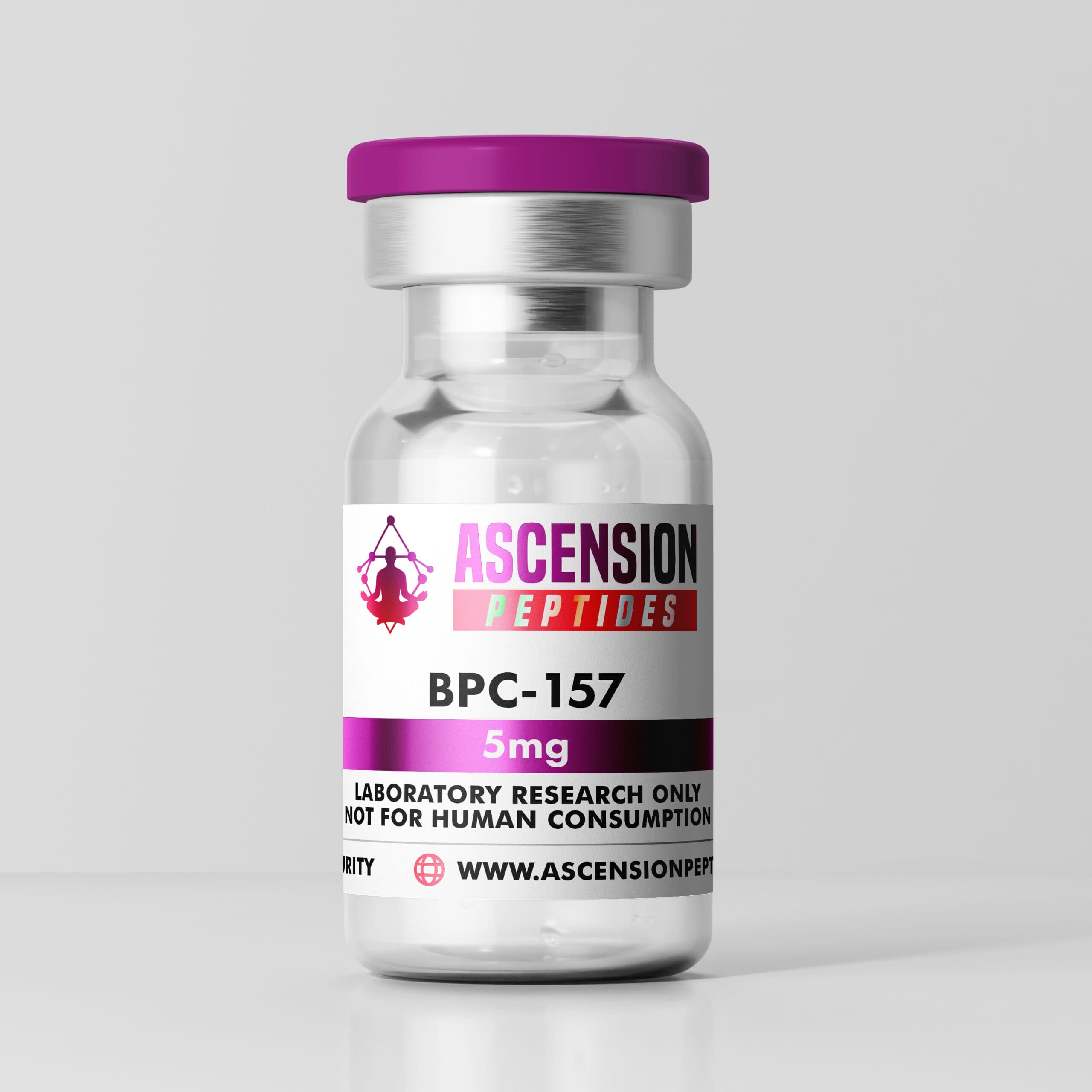
Most people take 250mcg twice daily via subcutaneous injection for 4-8 weeks. Inject near the injury when possible. A 5mg vial reconstituted with 2mL bacteriostatic water gives you 20 doses at 250mcg each , about 10 days of twice-daily use.
You bought a vial of BPC-157. Now you're staring at a tiny pile of white powder wondering: how much do I actually take?
Fair question. BPC-157 dosing is straightforward once you understand the basics, but the internet is full of overcomplicated explanations that dance around giving you a straight answer. This guide won't do that. Here's exactly how to dose BPC-157 , how much, how often, where to inject, and for how long.
🔑 Key Takeaways
- Standard dose: 250mcg twice daily (morning and evening) for most injuries
- Inject subcutaneously near the injury site for fastest local effect
- BPC-157 works orally too, one of the only peptides stable enough to survive stomach acid
- Typical cycle: 4 to 8 weeks, then 2 to 4 weeks off before repeating if needed
- Body weight doesn't significantly change the dose, 250mcg works across the board
- Naming: BPC-157 is also written as BPC157 (no hyphen) and is sometimes misspelled bp157; all refer to the same body protection compound, sequence 157
BPC-157 Dosage: How Much to Take
BPC-157 dosing is refreshingly simple compared to most peptides. You don't need to calculate based on body weight, and you don't need to titrate up slowly. Most people land in one of three dose ranges:
The 250mcg twice daily protocol is far and away the most common. It's what most people run, what most clinics recommend, and where the majority of positive reports come from. If you're unsure, start here.
The 500mcg twice daily protocol is aggressive , reserved for significant injuries or the first couple weeks of a severe protocol before dropping to 250mcg. There's no evidence that higher doses produce proportionally better results. BPC-157 seems to hit a ceiling where more peptide just means more waste, not more healing.
First human clinical data (2025): Lee et al. (Alternative Therapies in Health and Medicine, 2025) published the first human IV pilot study of BPC-157 — single doses of 10 mg and 20 mg in healthy adults, no serious adverse events reported. This is the first clinical-grade safety signal in humans; most prior data was animal-model only.
BPC-157 Dosage by Condition
Different injuries benefit from slightly different approaches. Here's what a typical protocol looks like depending on what you're dealing with:
A few notes on this chart. For gut issues, BPC-157 has a unique advantage: it's one of the very few peptides that actually survives stomach acid. So you can take it orally for GI conditions and it works. More on oral dosing below.
For post-surgery recovery, start as soon as you reasonably can. BPC-157 is most effective during the acute healing phase , the earlier the signaling starts, the better the tissue responds.
And for tendon injuries specifically: tendons are slow to heal. Don't bail at 4 weeks because you're not 100% yet. Six to eight weeks is normal, and some people run 10-12 weeks for stubborn tendons like the Achilles or rotator cuff.
How to Inject BPC-157
What you'll need before your first injection:
- BPC-157 lyophilized (freeze-dried) vial — 5 mg or 10 mg
- Bacteriostatic water (BAC water) — 10 mL bottle
- Insulin syringes (1 mL / 100 units, 29–31 gauge, ½ inch)
- Alcohol swabs
- Sharps disposal container
- A small fridge or fridge shelf at 2–8 °C (peptide storage)
BPC-157 is injected subcutaneously , that means into the fat layer just under the skin. It's the easiest type of injection to do yourself, and if you've never injected anything before, don't overthink it. Millions of diabetics do this every day.
Clean the injection site
Wipe the area with an alcohol swab and let it dry for a few seconds.
Pinch the skin
Grab a fold of skin between your thumb and index finger. This lifts the fat layer away from the muscle underneath.
Insert the needle at 45°
Use an insulin syringe (29-31 gauge). Push the needle in at about a 45-degree angle , smooth and steady, not slow and hesitant.
Inject slowly, release, done
Push the plunger down slowly. Release the skin pinch. Pull the needle out. That's it.
Where to Inject
Near the injury whenever possible. If you've got a bad knee, inject in the fat around your knee. Shoulder issue? Inject near the shoulder. BPC-157 works systemically , meaning it spreads through your body regardless , but local injection delivers a higher concentration directly to the tissue that needs it. Faster onset, stronger local effect.
For gut issues or general use, the abdomen (lower belly fat) is the standard site. Rotate between left and right sides to avoid irritation.
For a complete walkthrough with photos, check our peptide injection guide.
Oral BPC-157
Here's something most peptides can't do: BPC-157 actually works when you swallow it. It's stable in stomach acid down to pH 1.0, which is wild for a peptide. Most peptides get shredded the moment they hit your stomach.
Oral BPC-157 is particularly good for gut-related issues , IBS, leaky gut, gastritis, NSAID-induced gut damage. You can either drink the reconstituted solution or use purpose-made oral BPC-157 capsules. The oral dose is typically higher than injected (closer to 500mcg) since absorption through the gut lining is less efficient.
For a deeper comparison of routes, see our guide on oral vs injectable peptides.
How to Reconstitute BPC-157
BPC-157 comes as a freeze-dried powder. You need to add bacteriostatic water (BAC water) to turn it into an injectable solution. The amount of water you add determines the concentration , which determines how much liquid you draw up per dose.
Here's the simplest approach:
5mg Vial , Quick Reference
10mg Vial , Quick Reference
💡 Recommendation
Use 2mL of BAC water regardless of vial size. It makes measuring easier and gives you more room for error on the syringe. The difference between 5 units and 10 units is much easier to see than the difference between 2.5 and 5 units.
Reconstitution Steps
Gather your supplies
BPC-157 vial, bacteriostatic water, alcohol swabs, and an insulin syringe (1mL / 100 unit).
Add the water slowly
Draw 2mL of BAC water into the syringe. Insert through the vial stopper and release the water slowly down the glass wall , don't spray it directly on the powder. Gentle is the word here.
Swirl gently , never shake
Let it sit for a minute, then gently roll the vial between your palms. The powder should dissolve into a clear, colorless solution. If it's cloudy, something's off , don't use it.
Store in the fridge
Reconstituted BPC-157 goes in the refrigerator (2-8°C / 36-46°F). Use within 3-4 weeks. Never freeze the reconstituted solution.
For a visual walkthrough, see our full peptide reconstitution guide. And if you need bacteriostatic water, Ascension Peptides carries it.
When to Take BPC-157 and How Long to Run It
Daily Timing
Why twice daily? BPC-157's half-life is approximately 30 minutes after injection (He et al. 2022, Frontiers in Pharmacology). That short window is why nearly every research protocol splits the daily dose. Single daily injections leave a 22+ hour gap with no active peptide; twice-daily keeps tissue concentration steadier.
If you're doing twice daily: morning and evening, roughly 12 hours apart. On an empty stomach is ideal , about 30 minutes before eating. But honestly, consistent timing matters more than perfect timing. Pick two times that work with your schedule and stick with them.
If you're doing once daily: morning on an empty stomach is the most common choice. Some people prefer evening. Doesn't make a huge difference , just be consistent.
Cycle Length
BPC-157 doesn't have the tolerance issues you see with some compounds. People have run it for 12 weeks without problems. But cycling is still smart practice , give your body a break, reassess how you feel, and go again if needed.
If your injury isn't fully healed after one cycle, take 2-4 weeks off and run another round. Many stubborn injuries need two or three cycles. For broader cycling strategies, see our peptide cycling guide.
How Long Until You Feel Results?

This is the question everyone asks first. And the honest answer is: it depends on the injury. But here's a realistic timeline based on what most people report:
Most people notice reduced pain within the first week , sometimes as early as day 3 or 4. That's the anti-inflammatory and signaling cascade kicking in. You'll feel it before you can see it.
Improved range of motion and functional improvement usually show up around weeks 1-2. This is when people start saying "I can actually move my shoulder again" or "my knee doesn't lock up on stairs anymore."
Real structural healing , tendon remodeling, tissue regeneration, the stuff that actually fixes the problem long-term , takes 4-6 weeks minimum. Don't stop early just because you feel better. The pain relief comes first; the actual repair takes longer. Finish the cycle.
Stacking BPC-157 with Other Peptides
BPC-157 plays well with others. Here are the most popular combinations:
BPC-157 + TB-500
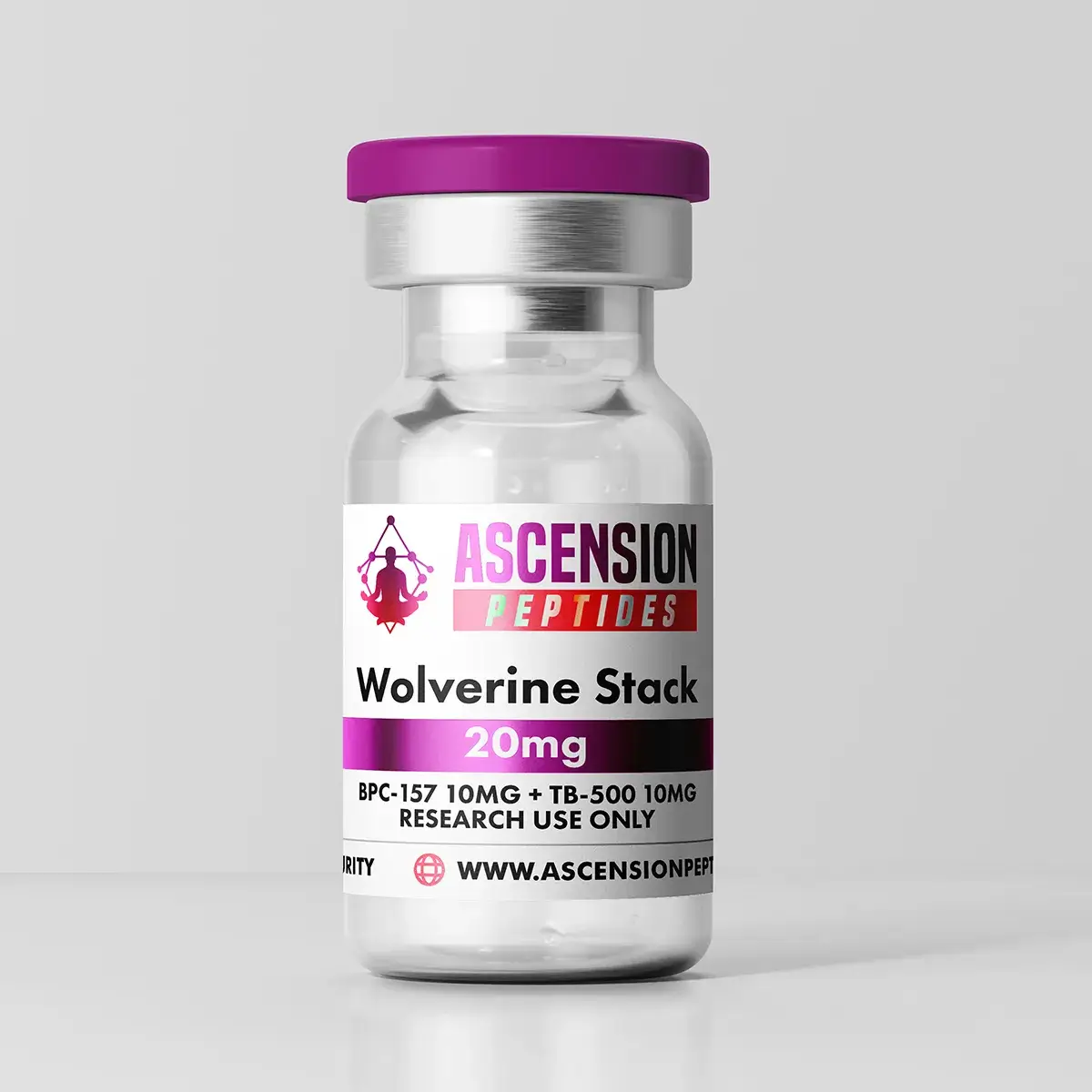
This is the "Wolverine stack" , the most popular healing combo in the peptide world. BPC-157 handles growth factor signaling and blood vessel formation while TB-500 promotes cell migration and reduces inflammation through different pathways. They're complementary, not redundant. Run them both at standard doses, same timing. For a full breakdown, see our BPC-157 vs TB-500 guide.
BPC-157 + GHK-Cu
For skin healing, wound recovery, or post-procedure recovery, adding GHK-Cu to BPC-157 gives you a solid one-two punch. BPC-157 for systemic healing signals, GHK-Cu for collagen remodeling and tissue remodeling at the surface level.
BPC-157 + Growth Hormone Secretagogues
Combining BPC-157 with Ipamorelin or CJC-1295 gives you elevated growth hormone for systemic repair plus BPC-157's targeted healing. Popular for athletes recovering from significant injuries. See our peptide stacking guide for protocols.
BPC-157 Legal Status in May 2026: What Changed
BPC-157's legal picture changed in 2026. Quick summary of where things stand:
- HHS reclassification (April 15, 2026): RFK Jr. announced a framework that reopened compounding pharmacy access to BPC-157 under licensed-provider protocols. This is the biggest US change since the 2023 503A interpretation.
- FDA PCAC review (July 23–24, 2026): The Pharmacy Compounding Advisory Committee meets to set the long-term framework. Outcome will determine whether the compounded route narrows back or expands further.
- Research-grade vendors remain the dominant supply channel for non-prescribed use; products sold for laboratory research only — that label is the legal anchor.
- WADA Prohibited List (Section S2): BPC-157 is banned in tested sport regardless of route. Athletes in any tested competition should not use it.
- FDA approval status: Not approved as a finished pharmaceutical drug for any indication. All use is off-label or research-use only.
For current vendor verification and the post-PCAC framework see our BPC-157 legal sourcing guide (2026).
Side Effects and Safety
BPC-157 has an unusually clean side effect profile. Most people experience nothing beyond mild injection site redness that fades within an hour. That said, here's what to be aware of:
- Injection site reactions: Mild redness, occasionally a small bump. Normal. Rotate sites and it's a non-issue
- Lightheadedness: Some people report mild dizziness in the first few days. Usually transient , it fades
- Blood pressure effects: BPC-157 modulates nitric oxide, which can influence blood pressure. If you're on BP medication, keep an eye on your readings
- Nausea with oral use: Uncommon, but some people get mild stomach upset when taking it orally. Try a smaller dose first
What about serious side effects? They're essentially unreported in the community. BPC-157 has been used extensively for decades without any pattern of serious adverse events. The main theoretical concern is angiogenesis — BPC-157 promotes new blood vessel formation, which is great for healing but theoretically undesirable if you have a condition where blood vessel growth is problematic (active cancer is the primary example). To be clear: there's no human data showing BPC-157 actually accelerates tumor growth, and a 2020 study (PubMed 31158953) showed BPC-157 inhibits TNF-α, which is the opposite of what a pro-cancer compound would do. But the angiogenic mechanism is real, and until there's human data we treat active cancer as an absolute contraindication. Same for pregnancy (no safety data) and athletes in tested sport (WADA prohibited)
For more on managing peptide side effects generally, see our side effects guide.
Where to Get BPC-157
Quality matters enormously with peptides. A vial of underdosed or degraded BPC-157 won't do anything except waste your money and make you think the peptide doesn't work.
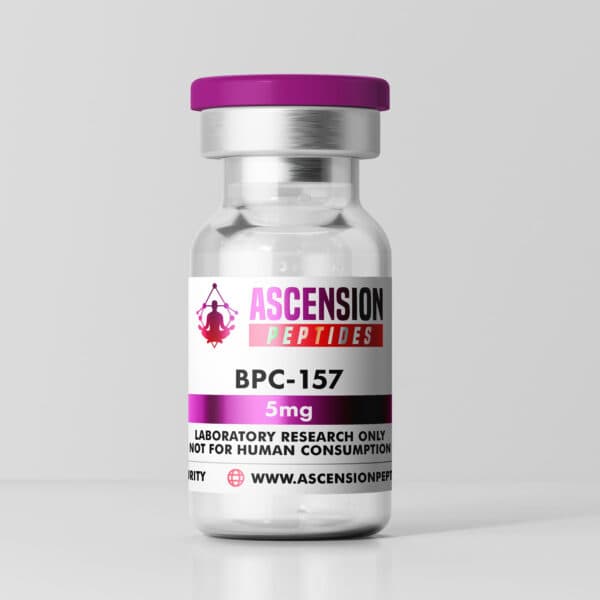
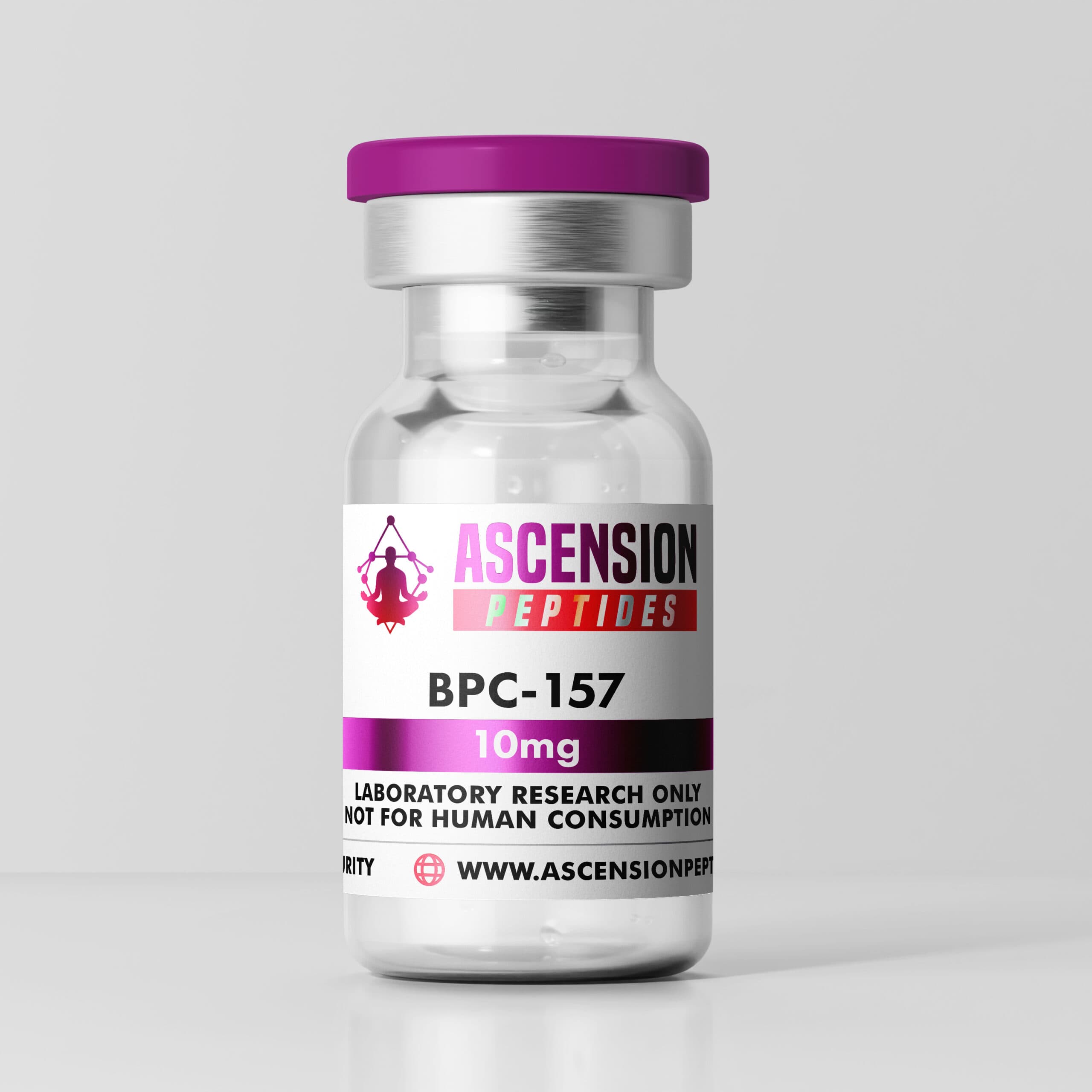
We recommend Ascension Peptides , they carry both the 5mg vial and the 10mg vial. Third-party tested, proper lyophilization, and they actually publish their purity certificates. If you're running a standard 250mcg 2×/day protocol, a 10mg vial lasts about 20 days , so two vials gets you through a full 6-week cycle.
For more on evaluating peptide vendors and what to look for, see our peptide purity guide.
Frequently Asked Questions
The Bottom Line
BPC-157 is about as straightforward as peptides get. Take 250mcg twice a day, inject near whatever hurts, run it for 4-8 weeks. The reconstitution math takes 30 seconds once you've done it once, and the injection itself is a non-event.
It's not a miracle compound , no peptide is. But for tendon injuries, ligament damage, muscle tears, and gut healing, it's one of the most consistently effective tools available. Pair it with TB-500 if you want to go all-in on healing, keep your vials refrigerated, and stay consistent with your dosing schedule.
For everything else BPC-157 , mechanism of action, full research breakdown, what makes it unique , check out our complete BPC-157 peptide profile. And if you're brand new to peptides, our beginner's guide will get you up to speed.