Wrong storage ruins peptides faster than most people think. A $200 vial can lose half its potency in a week if you store it wrong after reconstitution, and the frustrating part is you won't see any visible change in the solution.
🔑 Key Takeaways
- Lyophilized (powder) peptides are stable for 2+ years when stored in a freezer or cool, dark, dry location; reconstituted peptides degrade much faster and need refrigeration
- Once you add bacteriostatic water, most peptides are good for 14 to 28 days in the refrigerator; some (like BPC-157) hold stability longer, while others (like certain GH secretagogues) degrade faster
- The biggest storage mistakes are leaving reconstituted vials at room temperature, exposing them to light, and using non-bacteriostatic water for reconstitution
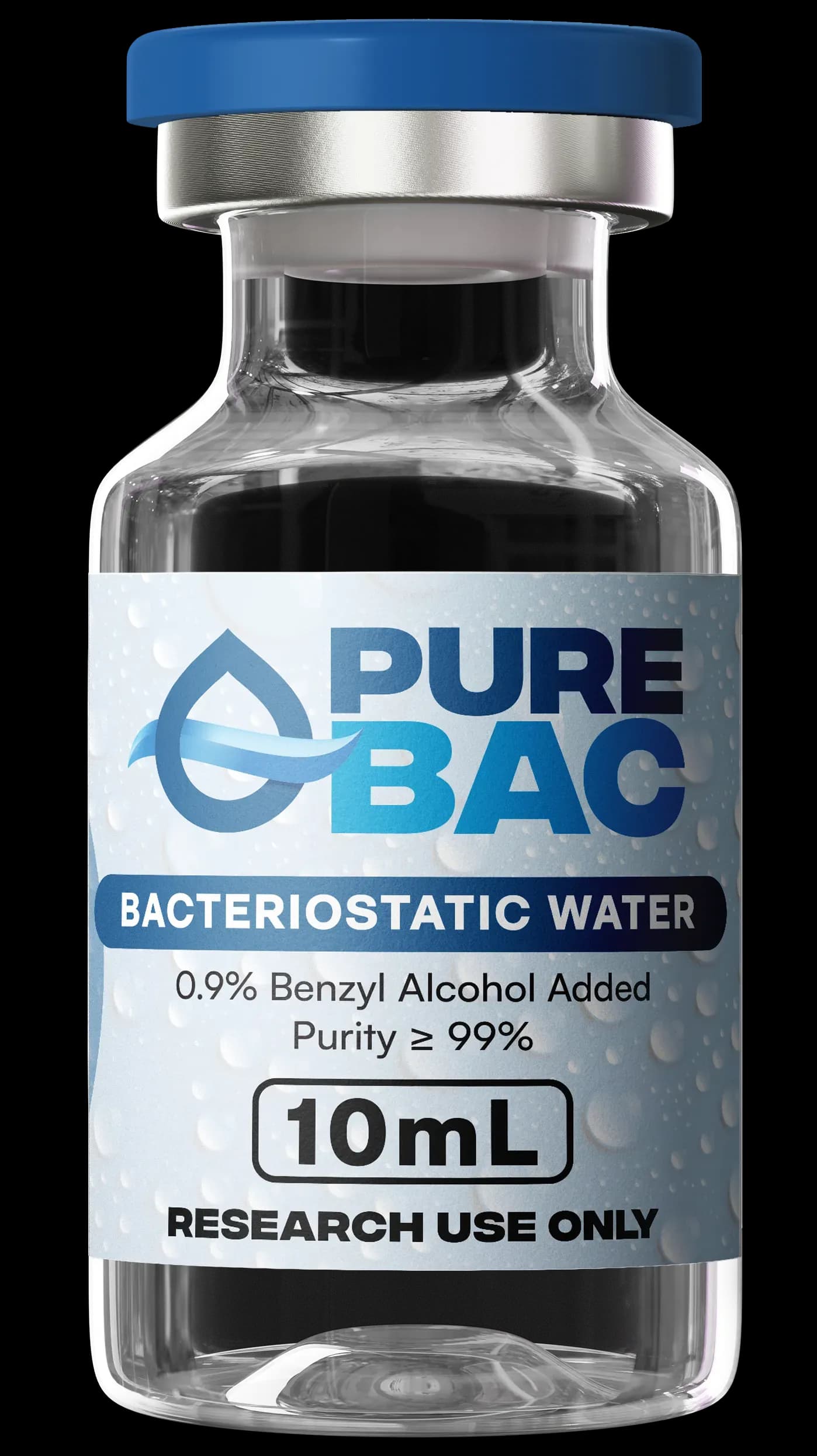
- Bacteriostatic water contains 0.9% benzyl alcohol, which prevents bacterial growth in the vial; sterile water does not, so peptides mixed with sterile water should be used within 24 to 48 hours
- Freezing reconstituted peptides is generally not recommended because freeze-thaw cycles can damage the peptide structure; freezing is only appropriate for unreconstituted powder
- If your peptide solution turns cloudy, has visible particles, or changes color, discard it; degraded peptides lose effectiveness and can cause injection site reactions
This page covers exactly how to store peptides at every stage: sealed powder, after reconstitution, during travel, and how to tell when a vial has gone bad.
How to Store Peptides Before Reconstitution (Powder Form)
Powder peptides are forgiving.
Lyophilized (freeze-dried) peptides are the most stable form. The freeze-drying process removes water, which is the primary driver of peptide degradation. Without water, the chemical bonds that hold the peptide's structure together are far less vulnerable to heat, oxidation, and microbial contamination.
For sealed, unreconstituted vials:
- Best option: freezer (-4°F to 0°F / -20°C). Peptide powders stored in a standard home freezer maintain near-full potency for 2 to 5 years depending on the specific compound. This is the gold standard.
- Good option: refrigerator (36-46°F / 2-8°C). If freezer space is limited, the fridge is perfectly adequate for peptides you plan to use within 6 to 12 months.
- Acceptable short-term: room temperature. Most lyophilized peptides can handle room temperature (under 77°F / 25°C) for several weeks without meaningful potency loss. This matters for shipping: a few days in transit at ambient temperature won't ruin a sealed vial.
Storage rules for unreconstituted peptides
- Keep vials sealed until ready to use
- Store in the original packaging or wrap in foil to block light
- Avoid humidity: don't store in a bathroom or near a kitchen sink
- If storing multiple vials long-term, a sealed container with a desiccant packet adds an extra margin of protection
- Label each vial with the compound name, quantity, and date received
How to Store Peptides After Reconstitution
This is where most peptides get ruined.
Once you add bacteriostatic water to a lyophilized peptide, the clock starts. Water reintroduces the conditions that allow peptide bonds to break down: hydrolysis, oxidation, and potential microbial growth. Proper storage after this point is what determines whether your vial lasts 4 weeks or 4 days.
Refrigerate immediately. After reconstitution, place the vial back in the refrigerator (36-46°F / 2-8°C). Every hour at room temperature accelerates degradation. If you're drawing a dose, get the vial back in the fridge within a few minutes.
Use bacteriostatic water, not sterile water. Bacteriostatic water contains 0.9% benzyl alcohol, which inhibits bacterial growth inside the vial. Sterile water has no preservative. If you reconstitute with sterile water, the peptide should be used within 24 to 48 hours because there's nothing preventing bacterial contamination once the rubber stopper is punctured. With bacteriostatic water, most peptides remain usable for 14 to 28 days refrigerated.
What Destroys Peptides: The Four Enemies
Every storage mistake traces back to one of these four factors.
1. Heat
Heat accelerates hydrolysis, the chemical reaction that breaks peptide bonds. A reconstituted vial left on a countertop for 8 hours on a warm day can lose measurable potency. Lyophilized powder is more resistant, but prolonged heat exposure (above 77°F for weeks) still causes degradation. The rule is simple: cold is always better.
2. Light
UV and visible light trigger photo-oxidation, especially in peptides containing tryptophan, tyrosine, or methionine residues. This is why peptide vials are often amber-colored. If your vials are clear glass, store them in a dark location or wrap them in aluminum foil. Light exposure is cumulative, meaning even brief daily exposure adds up over the life of the vial.
3. Moisture
For lyophilized peptides, moisture is the enemy that undoes the entire purpose of freeze-drying. If a sealed vial absorbs humidity (from a damaged seal or storage in a humid environment), the powder can begin degrading before you even reconstitute it. This is particularly relevant in humid climates or if you store peptides in a bathroom.
4. Bacterial contamination
Every time you puncture the vial's rubber stopper with a needle, you create a potential entry point for bacteria. Using bacteriostatic water mitigates this, but proper technique matters too: swab the stopper with an alcohol pad before every draw, use a clean needle each time, and avoid touching the needle tip to any surface.
Can You Freeze Reconstituted Peptides?
Not recommended.
Freezing a reconstituted peptide solution creates ice crystals that can physically disrupt the peptide's three-dimensional structure. When the solution thaws, the peptide may not refold correctly, reducing or eliminating its biological activity. This is different from lyophilized powder, which is specifically engineered to survive the freeze-drying process through controlled sublimation.
If you have more reconstituted peptide than you can use within 3 to 4 weeks, the better approach is to reconstitute smaller volumes. Use the reconstitution calculator to determine how much bacteriostatic water to add for your dose schedule, so each vial is used up within its stability window.
How to Store Peptides When Traveling
This comes up constantly.
The TSA does not prohibit traveling with injectable medications, including peptides. The practical challenge is maintaining temperature control during transit.
- Reconstituted vials: Use an insulated medication travel case with a cold pack (not direct ice contact, which can freeze the solution). Most pharmacy travel cases maintain fridge-range temperatures for 8 to 12 hours. For longer trips, swap the cold pack at your destination.
- Lyophilized vials: These can travel at room temperature for days without issue. No special cooling needed for unreconstituted powder on a standard flight or road trip.
- Syringes and needles: Carry these in your checked luggage or in a clearly labeled medical kit in your carry-on. Having a label from your pharmacy or prescriber helps if TSA asks questions, but it's rarely an issue.
For a detailed breakdown of TSA rules and practical tips, the traveling with peptides page covers the full process.
How to Tell If a Peptide Has Gone Bad
Some signs are obvious. Others aren't.
Visual signs:
- Solution turns cloudy or hazy (was previously clear)
- Visible particles or floaters in the solution
- Color change, particularly yellowing
- Lyophilized powder that has become wet, clumpy, or discolored
Performance signs:
- Peptide that previously produced noticeable effects stops working at the same dose
- Increased injection site irritation, redness, or swelling compared to previous doses from the same compound
If any visual sign is present, discard the vial. Degraded peptides aren't just ineffective; the breakdown products can cause immune reactions or injection site inflammation. The cost of a new vial is always less than the cost of an infected injection site.
Quick storage checklist
- Unreconstituted: freezer (long-term) or fridge (6-12 months)
- Reconstituted: refrigerator only, use within 14-28 days
- Always use bacteriostatic water, not sterile water
- Keep vials away from light (wrap in foil if clear glass)
- Swab the stopper with alcohol before every draw
- Never freeze a reconstituted solution
- Label vials with reconstitution date
- Discard anything cloudy, discolored, or past 4 weeks post-reconstitution
Frequently Asked Questions
Medical Disclaimer: This article is for informational purposes only and does not constitute medical advice. Proper storage and handling of injectable peptides should be guided by your prescribing physician or pharmacist. Always follow the storage instructions provided with your specific product.