One of the most common questions in peptide research is about cycling: How long should you run a peptide? Do you need to take breaks? Will your body develop tolerance? This comprehensive guide covers everything researchers need to know about peptide cycling protocols, backed by the available scientific literature.
🔑 Key Takeaways
- Different peptide classes require different cycling approaches
- Growth hormone secretagogues typically benefit from cycling to prevent receptor desensitization
- Healing peptides like BPC-157 are often used until the injury resolves
- Cycle length depends on the specific peptide, goals, and individual response
- Some peptides can be used continuously while others require periodic breaks
Why Peptide Cycling Matters
Peptide cycling refers to the practice of using peptides for a set period (the "on" cycle), followed by a rest period (the "off" cycle). The primary reasons for cycling include:
- Receptor sensitivity: Continuous stimulation of receptors can lead to downregulation, reducing the peptide's effectiveness over time
- Hormonal balance: Allowing the body's natural systems to recalibrate
- Cost efficiency: Strategic use can provide similar benefits at reduced expense
- Safety: Periodic breaks allow monitoring for any developing side effects
Peptide Categories and Cycling Requirements
Understanding which peptides need cycling starts with categorizing them by their mechanism of action and typical use case.
Growth Hormone Secretagogues (Cycling Recommended)
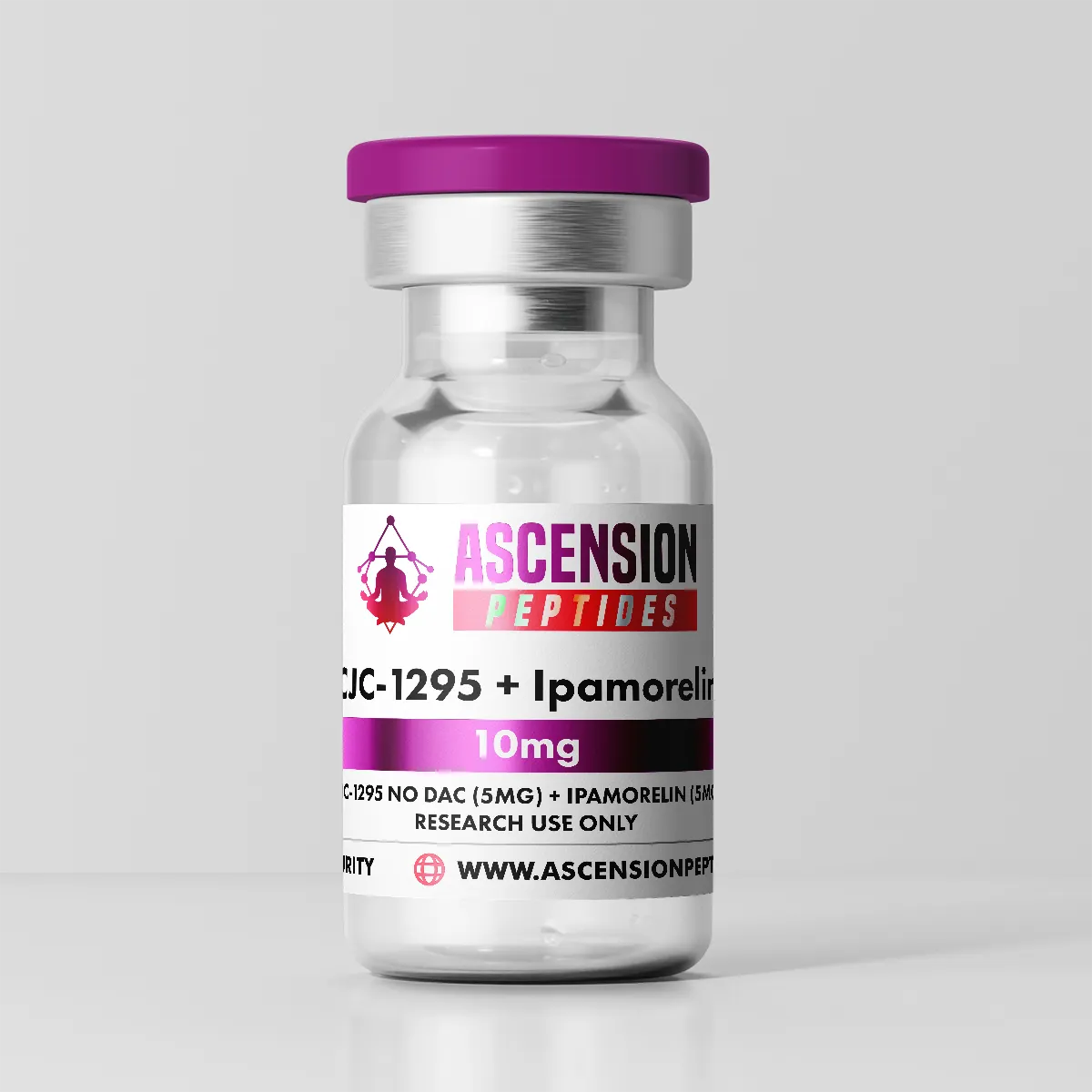
Peptides that stimulate growth hormone release—including Ipamorelin, CJC-1295, GHRP-6, GHRP-2, and Hexarelin—typically benefit from cycling. These peptides work by stimulating specific receptors (GHRH receptors or ghrelin receptors), which can become desensitized with continuous use.
Healing Peptides (Goal-Dependent Cycling)
Peptides used for tissue repair, such as BPC-157 and TB-500, are typically used until the therapeutic goal is achieved rather than on fixed cycles.
Pro Tip
When using healing peptides for injury recovery, continue for 1-2 weeks after symptoms resolve to support complete tissue remodeling. Don't stop immediately when pain subsides—healing continues beneath the surface.
Weight Loss Peptides (Protocol-Dependent)
GLP-1 agonists and other weight management peptides have their own cycling considerations, often dictated by research protocols and the specific compound.
Nootropic Peptides (Varied Approaches)
Cognitive-enhancing peptides like Semax and Selank have different cycling recommendations based on their mechanisms.
Standard Cycling Protocols
While individual responses vary, these evidence-based protocols serve as starting points for structuring peptide cycles.
The Classic GH Secretagogue Cycle
Weeks 1-2: Introductory Phase
Start at 50-75% of the target dose to assess tolerance. Administer once daily, preferably before bed to align with natural GH pulses. Monitor for any adverse reactions.
Weeks 3-8: Full Dose Phase
Increase to full target dose. Many protocols use 2-3x daily dosing (morning fasted, pre-workout, and/or before bed). This is when most benefits are observed.
Weeks 9-12: Extended Phase (Optional)
Continue if response remains strong. Some users taper frequency (e.g., 5 days on, 2 days off) to extend the cycle while managing desensitization.
Weeks 13-16: Off Period
Complete cessation for 4+ weeks. This allows receptors to resensitize. Natural GH production continues during this time.
The Healing Peptide Protocol
For BPC-157 and TB-500, the protocol is typically goal-oriented rather than time-limited:
Assessment Phase
Identify the injury, its severity, and establish baseline symptoms. Document pain levels, range of motion, and functional limitations.
Loading Phase (Weeks 1-4)
Use full research doses, often 2x daily for BPC-157, or a front-loaded TB-500 protocol. Inject close to the injury site when possible (subcutaneous).
Maintenance Phase (Weeks 4-8+)
Continue at full or reduced dose until healing is complete. Monitor progress weekly.
Consolidation Phase (1-2 weeks)
Continue for 1-2 weeks after symptoms resolve to support tissue remodeling.
Signs You Need a Break
Even with well-planned cycles, individual response varies. Watch for these indicators that a break may be beneficial:
Diminished Response
Initial effects fade despite consistent dosing—a key sign of receptor desensitization.
Sleep Disruption
GH peptides can affect sleep; if sleep quality declines, a break may help.
Persistent Side Effects
Water retention, numbness, or other effects that don't resolve with dose adjustment.
Goals Achieved
If healing is complete or body composition goals are met, a maintenance break is appropriate.

Peptides That May Not Require Cycling
Some peptides show minimal desensitization and may be suitable for extended or continuous use:
- BPC-157: No demonstrated receptor desensitization; mechanism involves multiple pathways
- Thymosin Alpha-1: Immune modulation; often used in extended protocols
- GHK-Cu: Topical use especially; can be used continuously for skin health
- GLP-1 agonists: Clinical protocols typically involve continuous use for weight management
Stacking and Cycling Considerations
When combining multiple peptides, cycling strategy becomes more complex. See our peptide stacking guide for detailed protocols.
General Stacking Rules
- Same class: Cycle together (e.g., CJC-1295 + Ipamorelin on same schedule)
- Different classes: Can be cycled independently (e.g., GH secretagogue + healing peptide)
- Overlapping breaks: Consider aligning off periods for complete system reset
- Staggered starts: Starting one peptide mid-cycle of another helps identify which causes any side effects
Managing the Off-Cycle Period
The break period isn't just passive waiting—it's an opportunity to optimize natural function:
Support Natural GH Production
Prioritize sleep quality, as the largest natural GH pulses occur during deep sleep. Maintain high-intensity exercise and adequate protein intake.
Maintain Gains
Body composition improvements from GH peptides can be maintained with proper training and nutrition during breaks.
Assess and Document
Use the break to objectively evaluate what worked. Did you achieve your goals? Any persistent side effects? This informs the next cycle.
Plan the Next Cycle
Based on response, adjust dosing, timing, or peptide selection for the upcoming cycle.
Frequently Asked Questions
Learn More
Understanding cycling is just one aspect of effective peptide use. Explore these related guides:
- When to Take Peptides: Optimal Timing Guide
- How to Calculate Peptide Dosages
- How to Reconstitute Peptides
- How to Store Peptides
- Common Peptide Side Effects
- Peptide Stacking Guide