One of the most confusing aspects of peptide research is getting your peptide dosage right. With vials containing milligrams of powder, syringes measured in units, and protocols calling for micrograms, the math can seem overwhelming. Knowing how to dose peptides correctly is the difference between effective research and wasted product — or worse, an adverse experience from miscalculation. This guide — a companion to our broader peptide therapy guide — breaks down dose calculations into simple, repeatable steps, provides a full reference table for common peptides, and covers everything from beginners to advanced protocol design.
🔑 Key Takeaways
- Concentration = mg of peptide ÷ mL of bacteriostatic water added
- Standard insulin syringes (100 units) equal 1 mL total volume
- The golden formula: Desired dose (mcg) ÷ Concentration (mcg/unit) = Units to draw
- Most doses are measured in micrograms (mcg) — not milligrams
- Always start with the lowest effective dose and titrate up over 1–2 weeks
- Every peptide has different dosing windows — timing matters as much as the amount
Peptide Dosage Reference Table: Standard Doses by Compound
Before diving into the math, here's the most useful thing in this guide: a reference table for the most commonly researched peptides. These are the standard dose ranges used across research literature and anecdotal protocols. Use this table to understand proper dosing before calculating exact draw volumes.
200–500 mcg (local)
200–500 mcg (local)
This reference table covers the most widely researched compounds. Individual dose ranges can vary based on body weight, goals, and personal tolerance — always start at the low end and titrate. See the titration section below for a structured protocol on ramping up safely.
Understanding the Basics: Units of Measurement
Before diving into calculations, you need to understand the units involved. Confusion between milligrams and micrograms is one of the most common — and consequential — errors when learning to inject peptides when learning how to measure injection amounts.
Weight Measurements
- Milligrams (mg): How vials are typically sold (5mg, 10mg, etc.)
- Micrograms (mcg or μg): How doses are typically measured (100mcg, 250mcg, etc.)
- Conversion: 1 mg = 1,000 mcg — this is the conversion that trips people up most often
Volume Measurements
- Milliliters (mL): Volume of bacteriostatic water added during reconstitution
- Units (IU on syringe): Volume markings on insulin syringes
- Conversion: 100 units = 1 mL on a standard U-100 insulin syringe
Peptide Dosage Conversion Table
This quick-reference conversion table covers the most common unit conversions you'll encounter when working out how much to draw. Bookmark this section — you'll come back to it constantly.
Step 1: Calculate Your Concentration After Reconstitution
The first step in any peptide dosage calculation is determining how concentrated your reconstituted solution will be. This depends on two factors: how much peptide is in your vial (in mg) and how much bacteriostatic water you add (in mL).
The Concentration Formula
Reconstitution Math
Concentration (mcg/unit) = (Peptide mg × 1000) ÷ (Water mL × 100)
Or simplified: Concentration = (Peptide mg × 10) ÷ Water mL mcg per unit
Example Calculation
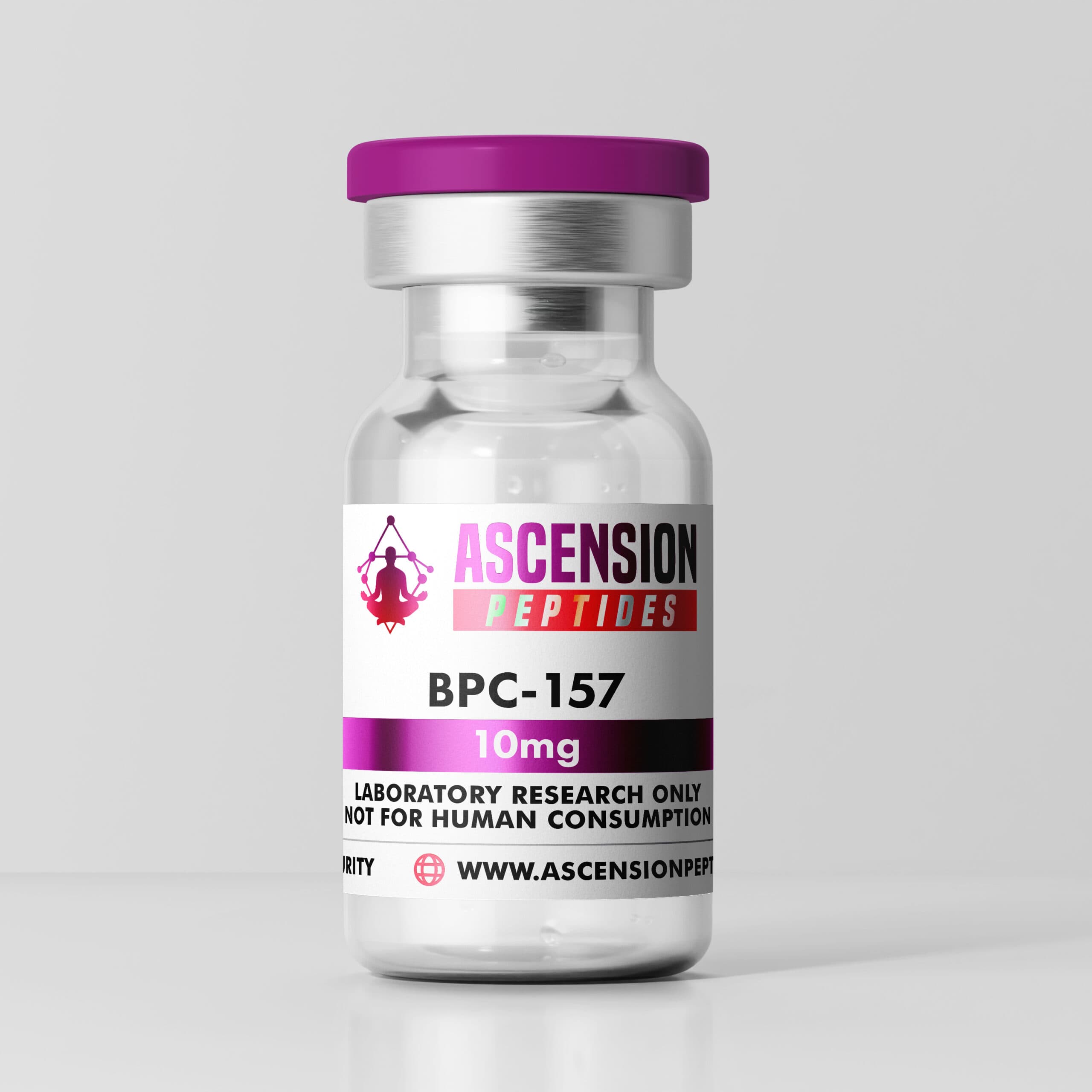
You have a 5mg vial of BPC-157 and add 2mL of bacteriostatic water:
Now every 1 unit on your syringe contains exactly 25 mcg of BPC-157. This is your peptide dosage concentration — write it on a label and attach it to the vial so you never have to recalculate from scratch.
Step 2: Determine How Many Units to Draw
Once you know your concentration, calculating the volume to draw for any target dose is straightforward:
Draw Volume Formula
Units to draw = Desired dose (mcg) ÷ Concentration (mcg/unit)
Example: Drawing a 250mcg Dose
Using our 5mg/2mL BPC-157 solution (25 mcg/unit):
250 mcg ÷ 25 mcg/unit = 10 units
Draw to the 10-unit mark on your insulin syringe for a 250mcg injection.
Peptide Dosage Quick Reference: Common Reconstitution Scenarios
These pre-calculated concentrations cover the most common peptide dosage scenarios. Use this table to instantly figure out your draw volume without doing math every time:
Dosing Protocols for Specific Peptides
Every peptide has its own nuances (also see our MK-677 dosage guide for oral compounds). Here's a detailed walkthrough of the most common compounds, covering standard dose ranges, optimal timing, and protocol-specific notes. Understanding these specifics is what separates effective researchers from those getting inconsistent results.
BPC-157 Dosing Protocol
BPC-157 is one of the most forgiving peptides when it comes to peptide dosage — see our full BPC-157 dosage guide for details — it has a wide therapeutic window and is difficult to overdose on at typical research quantities.
- Standard dose: 250–500 mcg per injection
- Frequency: 1–2x daily for acute healing; once daily for maintenance
- Timing: Near the site of injury when possible for local effects; systemic timing is more flexible
- Route: Subcutaneous (systemic), intramuscular (near injury site), or oral (gut-specific)
- Typical vial setup: 5mg vial + 2mL water = 25 mcg/unit → 250 mcg = 10 units, 500 mcg = 20 units
- Cycle length: 4–8 weeks for injury protocols; indefinite for maintenance at lower amounts
Ipamorelin Dosing Protocol
Ipamorelin is a selective growth hormone secretagogue — covered in depth in our ipamorelin dosage guide. Its dose is relatively forgiving but timing around sleep and fasting maximizes GH pulse amplitude.
- Standard dose: 200–300 mcg per injection
- Frequency: 1–3x daily; the pre-sleep injection is the most impactful
- Timing: Pre-sleep (best), post-workout, morning fasted — always away from meals and glucose
- Route: Subcutaneous
- Typical vial setup: 5mg vial + 2.5mL water = 20 mcg/unit → 200 mcg = 10 units
- Often stacked with: CJC-1295 (no DAC) or Sermorelin at matching amounts for synergistic GH release
Sermorelin Dosing Protocol
Sermorelin mimics GHRH and is best dosed once daily at night — our sermorelin dosage guide covers this in detail. The amount should be matched to the individual's baseline GH levels and age — older individuals with lower baseline GH often benefit most from higher doses.
- Standard dose: 200–500 mcg per injection
- Frequency: Once daily, pre-sleep (aligns with natural GH pulse timing)
- Timing: 30–60 minutes before sleep; avoid eating 2 hours before injection
- Route: Subcutaneous (abdomen or thigh)
- Typical vial setup: 10mg vial + 5mL water = 20 mcg/unit → 200 mcg = 10 units, 300 mcg = 15 units
- Starting protocol: Begin at 200 mcg for 2 weeks, assess sleep quality and water retention before increasing
Retatrutide Dosing Protocol
Retatrutide is a triple GIP/GLP-1/glucagon receptor agonist — the most powerful metabolic peptide currently in research. See our dedicated retatrutide dosing guide for the full titration protocol. Its dosing requires a careful titration protocol due to significant GI side effects at higher levels. Getting the escalation right with this class of compounds is critical.
- Standard dose: 0.5 mg to 4 mg per week (milligrams, not micrograms)
- Frequency: Once weekly subcutaneous injection
- Titration schedule: Start at 0.5 mg/week for 4 weeks → 1 mg/week for 4 weeks → increase by 1 mg every 4 weeks as tolerated to target
- Maximum in research: Up to 12 mg/week (clinical trials); practical research range is 2–6 mg/week
- Route: Subcutaneous (abdomen, thigh, upper arm)
- Vial setup: 10mg vial + 1mL water = 100 mcg/unit → 1 mg = 10 units, 2 mg = 20 units, 4 mg = 40 units
GHK-Cu Dosing Protocol
GHK-Cu (copper peptide) has different approaches depending on the application — systemic anti-aging protocols versus topical skin/hair use require very different strategies.
- Systemic dose: 1,000–2,000 mcg (1–2 mg) subcutaneous, daily
- Local injection (near target tissue): 200–500 mcg, daily
- Topical use: Concentration varies by product; typically 1–5% copper peptide solutions applied directly to skin
- Cycle: 4–8 weeks systemic cycles; topical can be indefinite
- Vial setup (systemic): 50mg vial + 5mL water = 100 mcg/unit → 1,000 mcg = 10 units, 2,000 mcg = 20 units
AOD-9604 Dosing Protocol
AOD-9604 is a fragment of HGH specifically researched for fat metabolism. Its dosing is relatively simple but timing relative to fasting is critical for maximizing the lipolytic effect.
- Standard dose: 300–500 mcg per injection
- Frequency: Once daily, morning fasted
- Timing: Administer on an empty stomach; avoid food for at least 30 minutes post-injection for maximum fat metabolism effect
- Route: Subcutaneous
- Typical vial setup: 5mg vial + 2.5mL water = 20 mcg/unit → 300 mcg = 15 units, 500 mcg = 25 units
- Cycle: 12–16 weeks typically paired with caloric deficit
How to Start Low and Titrate Up Safely
Titration is one of the most important concepts in peptide dosage safety. No two people respond identically to the same amount, and tolerance varies significantly based on body composition, hormone status, and genetic factors.
The principle is simple: start at the minimum effective dose, observe the response over 1–2 weeks, then increase incrementally if results are suboptimal and side effects are acceptable.
Standard Titration Protocol
Week 1–2: Start at 50% of the standard dose. Monitor sleep, energy, water retention, and any injection site reactions.
Week 3–4: If response is minimal and tolerance is good, increase to the standard amount. Note any changes in effect and side effects.
Week 5+: Maintain the effective dose. Increase above standard range only if response is clearly suboptimal and you've confirmed the lower amount is well-tolerated.
Why Titration Matters
For most GH-stimulating peptides (sermorelin, ipamorelin, CJC-1295), the key dose-limiting side effect is water retention at higher amounts. Starting with a lower peptide dosage allows you to find the sweet spot where GH release is maximized without uncomfortable swelling. For metabolic peptides like retatrutide, the GI side-effect profile makes careful escalation absolutely mandatory — jumping to high doses without titration is the primary cause of people discontinuing these protocols prematurely.
Body Weight Adjustments
Most anecdotal protocols use fixed doses regardless of body weight. However, some research protocols — and particularly those for healing peptides like BPC-157 and TB-500 — specify weight-based dosing:
Weight-Based Dose Formula
Total dose (mcg) = Body weight (kg) × Dose per kg (mcg/kg)
Example: A weight-based BPC-157 protocol calling for 10 mcg/kg for a 75kg individual:
75 kg × 10 mcg/kg = 750 mcg total
Using 25 mcg/unit solution: 750 ÷ 25 = 30 units to draw
Complete Reconstitution to Injection Workflow
Step 1: Gather Your Information
Note the amount of peptide in your vial (check the label — usually 5mg or 10mg). Decide how much bacteriostatic water you'll use to target a convenient concentration.
Step 2: Calculate Your Concentration
Use the formula: (mg × 10) ÷ mL = mcg per unit. Write this number down and attach it to the vial. Never rely on memory for dose calculations.
Step 3: Reconstitute
Follow proper reconstitution procedures: add water slowly along the vial wall, swirl gently (never shake), and wait for complete dissolution before drawing any amount.
Step 4: Calculate Your Draw Volume
Divide your desired dose (in mcg) by your concentration (mcg/unit) to find how many units to draw. Double-check with a calculator — even experienced researchers make arithmetic errors.
Step 5: Draw and Administer
Use a clean insulin syringe, draw the calculated volume, and follow proper subcutaneous injection technique for your chosen site.
Common Mistakes to Avoid When Measuring Your Dose
Even experienced researchers make peptide dosage errors. These are the most consequential mistakes — and how to avoid them.
- Confusing mg and mcg: The most common and dangerous mistake. A dose of 1 mg is actually 1,000 mcg — always double-check your unit conversions before drawing. 1mg = 1,000mcg!
- Overdosing on the first administration: Starting at full dose without titrating is the primary cause of adverse reactions. Even safe peptides can cause unpleasant effects at high first doses.
- Wrong timing: GH peptides (sermorelin, ipamorelin) dosed with food or right after a high-carb meal have their GH-stimulating effect blunted. The amount is the same but the response is significantly reduced.
- Inconsistent schedule: Missing doses interrupts the hormonal rhythms that protocols are designed to support. Inconsistent administration is one of the main reasons people report "it stopped working."
- Using wrong syringe markings: Ensure you're using U-100 insulin syringes where 100 units = 1mL. Using a U-40 syringe changes all your calculations.
- Not recording concentration: Always write down your concentration and keep it with the vial — recalculating from scratch each time invites errors.
- Shaking during reconstitution: Peptides are fragile molecules. Vigorous shaking can degrade the compound and reduce effective content. Swirl gently.
- Injecting in the same spot repeatedly: Site rotation prevents lipodystrophy (fatty lump formation) at injection sites. Rotate between abdomen, thigh, and other subcutaneous sites with each injection.
Calculating Vial Duration for Budget Planning
Understanding your peptide dosage per vial helps with planning and ensures you're never out of compound mid-protocol. Here's how to calculate days supply from any dosing frequency:
Vial Duration Formula
Number of doses = Total peptide (mcg) ÷ Dose size (mcg)
Days supply = Number of doses ÷ Doses per day
Dosing by Peptide Category: Timing and Administration
Growth Hormone Secretagogues — Timing Is Everything
Peptides like Ipamorelin, CJC-1295, and sermorelin amplify the body's natural GH pulse. Peptide dosage timing relative to sleep and food intake dramatically affects results:
- Best timing: 30–60 minutes before sleep, on an empty stomach (3+ hours post-meal)
- Food — especially carbohydrates — raises insulin and blunts the GH response regardless of the amount administered
- Most researchers find the pre-sleep injection alone produces noticeable sleep quality improvements within 1–2 weeks
Healing Peptides — Local vs Systemic Administration
Peptides like BPC-157 and TB-500 work systemically but can be injected locally for targeted repair:
- Injecting BPC-157 near the injury site at the standard dose (250–500 mcg) appears to produce faster local healing than remote subcutaneous sites
- Systemic subcutaneous injection (abdomen) achieves whole-body effects — useful for gut healing and general tissue repair
- TB-500's large molecular weight means it doesn't need to be near the injury — systemic administration is typically sufficient
Learn more about healing protocols in our Best Peptides for Healing Injuries guide.
Metabolic Peptides — Strict Escalation Required
GLP-1 receptor agonists and related metabolic peptides like retatrutide require careful dose escalation. The standard GI tolerability protocol:
- Start at 0.5 mg/week regardless of your target
- Increase by 0.5 mg every 4 weeks until the target is reached or side effects become limiting
- Never rush titration — the majority of adverse events with metabolic compounds occur when escalation is too aggressive
Advanced Topics: Dead Space, Dilution, and Precision
Accounting for Dead Space in Syringe
Syringes have a small amount of "dead space" — volume remaining in the syringe hub after injection. For standard insulin syringes, this is typically 0.5–1 unit. For most peptide dosage purposes this is negligible, but for high-value compounds or precision research:
- Use low dead-space (LDS) syringes if available
- Account for ~1% loss in your calculations for precise research
- For daily dosing over months, dead space loss across hundreds of injections can add up to meaningful waste
Reconstituting for Convenience
Choose your water volume deliberately to simplify peptide dosage math. The best practice: pick a water volume that makes your target dose a whole number of units:
- Want 300 mcg from a 10mg vial? Use 3.33mL water → 300 mcg = 10 units (clean math)
- Want 250 mcg from a 5mg vial? Use 2mL water → 25 mcg/unit → 250 mcg = 10 units
- Avoid concentrations where your target falls between unit markings — precision is lost
Quick Peptide Dosage Reference: Most Popular Peptides at a Glance
If you're short on time, here's the no-nonsense peptide dosage cheat sheet for the most popular compounds. These are the doses most commonly used in research protocols — bookmark this table and come back to it whenever you need a quick reminder of standard peptide dosage ranges.
This quick peptide dosage reference covers the essentials at a glance. For detailed protocols, reconstitution math, and titration schedules for each compound, see the full sections above. Remember: always start at the low end and work up — especially with compounds like retatrutide where the peptide dosage escalation schedule matters as much as the target dose itself.
Frequently Asked Questions
Quick Cheat Sheet
Save this peptide dosage reference for quick calculations:
Concentration: (mg × 10) ÷ mL water = mcg/unit
Units to draw: Desired dose (mcg) ÷ Concentration (mcg/unit)
1 mg = 1,000 mcg | 100 syringe units = 1 mL
Standard insulin syringe: U-100, 1 mL total, 100 units
Related Guides
Master your peptide research with these complementary resources:
- How to Reconstitute Peptides — Proper reconstitution technique
- How to Inject Peptides — Subcutaneous injection guide
- How to Store Peptides — Maximize peptide stability
- Peptide Stacking Guide — Combining peptides effectively
- Best Peptides for Beginners — Starting your research
- Bacteriostatic Water Guide — Everything about reconstitution water
📚 References
- Sikiric P et al. "Pentadecapeptide BPC 157 and its effects in different models." Curr Pharm Des. 2018;24(18):2032-2039. PubMed
- Teichman SL et al. "Prolonged stimulation of growth hormone (GH) and insulin-like growth factor I secretion by CJC-1295." J Clin Endocrinol Metab. 2006;91(3):799-805. PubMed
- Raun K et al. "Ipamorelin, the first selective growth hormone secretagogue." Eur J Endocrinol. 1998;139(5):552-561. PubMed
- Prakash A & Goa KL. "Sermorelin: a review of its use in the diagnosis and treatment of children with idiopathic growth hormone deficiency." BioDrugs. 1999;12(2):139-157. PubMed
- Heffernan M et al. "The effects of human GH and its lipolytic fragment (AOD9604) on lipid metabolism following chronic treatment in obese mice and beta(3)-AR knock-out mice." Endocrinology. 2001;142(12):5182-5189. PubMed
- Jette L & Bhatt DK. "Pharmacokinetics of subcutaneous peptide administration: current challenges and opportunities." Drug Discov Today. 2018;23(12):1960-1968. PubMed