The search for compounds that can enhance cognitive function, protect neurons, and optimize brain health has led researchers to an increasingly studied class of molecules: nootropic peptides. Unlike traditional pharmaceutical nootropics, these peptides work through mechanisms that may fundamentally support brain health rather than simply modulating neurotransmitter levels.
This guide examines the most promising peptides for cognitive function based on available preclinical and clinical research. Whether you're interested in peptide therapy for brain optimization or exploring specific compounds, we'll cover mechanisms, research findings, and how to match peptides to your cognitive goals.
🔑 Key Takeaways
- Semax and Selank are the most clinically studied cognitive peptides with decades of human use data
- Different peptides work through distinct mechanisms—from BDNF modulation to dopamine enhancement
- Many cognitive peptides show additional benefits for anxiety, mood, and neuroprotection
- Peptide selection depends on specific goals: memory, focus, neuroprotection, or anxiety relief
- New to peptides? Start with our beginner's guide for foundational knowledge
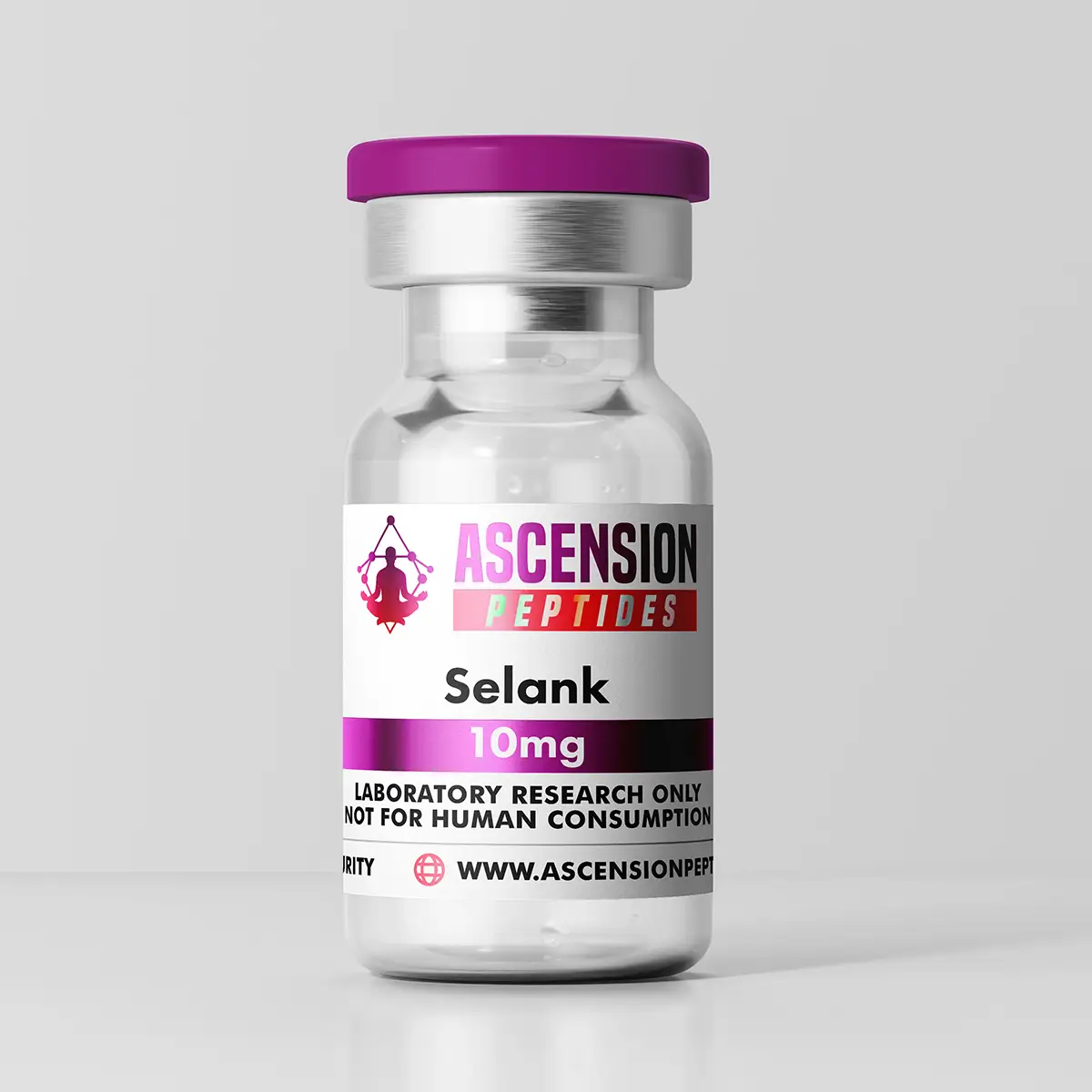
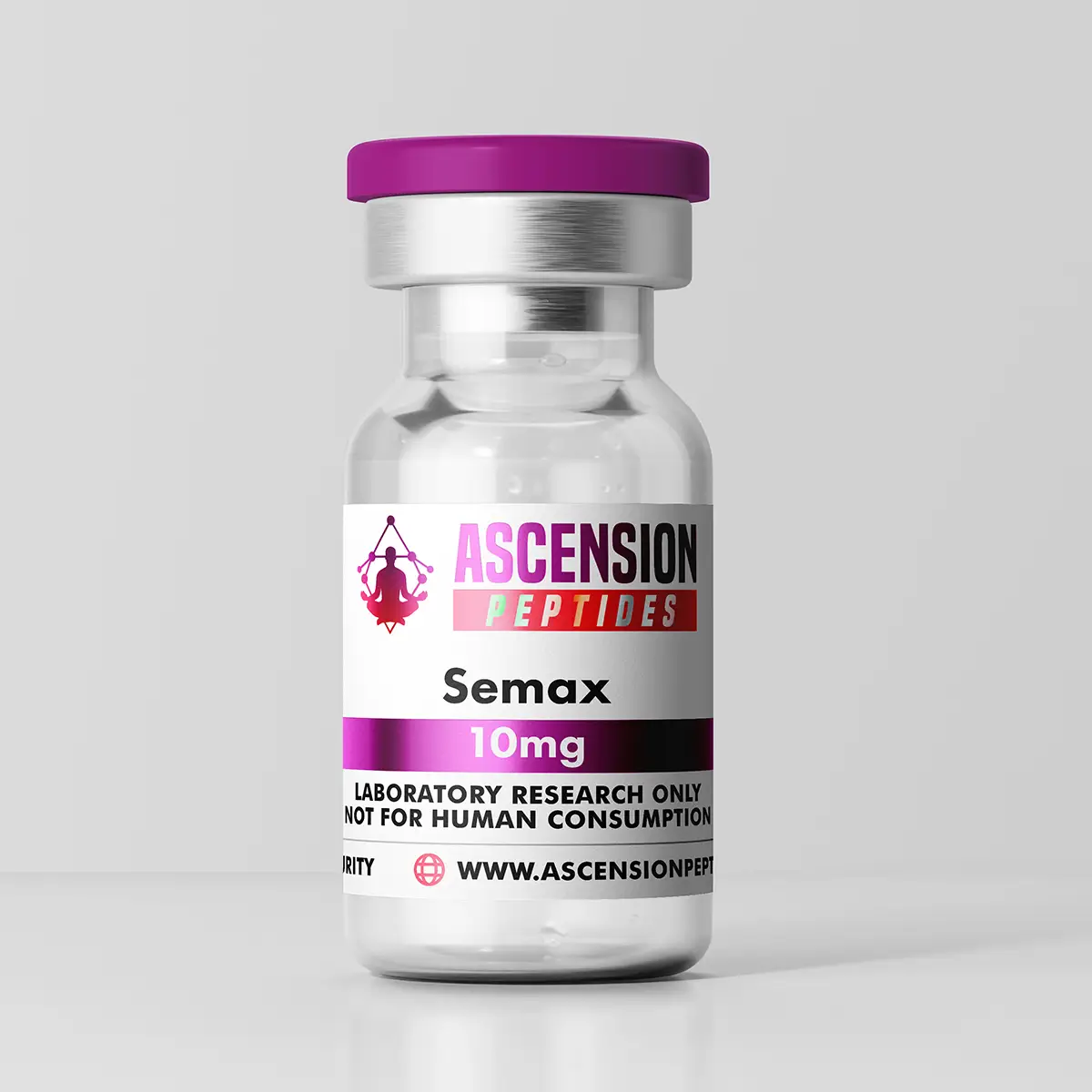
Of the compounds ranked below, Semax has the longest human track record and the simplest protocol; Ascension stocks it in 10mg vials.
1. Semax: The BDNF-Boosting Powerhouse
Semax is a synthetic peptide derived from ACTH (adrenocorticotropic hormone), specifically the 4-10 fragment with an added Pro-Gly-Pro sequence for stability. Developed in Russia during the 1980s, it has been used clinically for stroke recovery, cognitive enhancement, and attention disorders for over 30 years.
How Semax Works
Semax's cognitive effects stem from multiple mechanisms:
- BDNF Upregulation: Studies show Semax significantly increases brain-derived neurotrophic factor expression, which supports neuronal growth, survival, and synaptic plasticity
- Dopamine Modulation: Research demonstrates enhanced dopaminergic signaling, which may improve focus and motivation
- Anti-inflammatory Effects: The peptide reduces neuroinflammation, potentially protecting against cognitive decline
- NGF Enhancement: Semax increases nerve growth factor, supporting overall neural health
Research Findings
Clinical studies in Russia have shown improvements in attention, memory, and cognitive processing in various populations:
- Stroke patients showed improved cognitive recovery when Semax was added to standard treatment
- Healthy individuals demonstrated enhanced memory and attention in controlled trials
- Children with attention disorders showed improved focus and academic performance
- Animal studies consistently show increased BDNF expression across brain regions
Pro Tip
Semax is typically administered intranasally at 200-600 mcg per day. The nasal route provides direct access to the brain, bypassing the blood-brain barrier and first-pass metabolism. For enhanced effects, some users prefer NA-Semax-Amidate, a modified version with potentially improved stability.
2. Selank: The Anxiolytic Cognitive Enhancer
Selank is another Russian-developed peptide, based on the naturally occurring immunomodulatory peptide tuftsin with an added Gly-Pro sequence. It's particularly notable for combining cognitive enhancement with significant anxiolytic (anti-anxiety) effects—without the sedation or addiction potential of benzodiazepines.
How Selank Works
Selank's unique profile comes from its effects on multiple systems:
- GABA Modulation: Unlike benzodiazepines, Selank modulates GABA receptors without causing tolerance or dependence
- BDNF Expression: Similar to Semax, it increases brain-derived neurotrophic factor
- Serotonin Effects: Research shows influence on serotonergic systems, contributing to mood stabilization
- Enkephalin Stabilization: The peptide inhibits enzymes that break down enkephalins, natural mood-regulating peptides
Research Findings
Human clinical research and animal studies have revealed:
- Significant anxiolytic effects comparable to benzodiazepines but without sedation or cognitive impairment
- Improved memory consolidation, particularly for emotionally neutral information
- Enhanced learning in animal models without the hyperactivity seen with stimulants
- Immunomodulatory benefits that may contribute to overall brain health
3. Dihexa: The Potent Neurogenic Peptide
Dihexa is a modified angiotensin IV analog developed at Washington State University. It has generated significant interest in the nootropics community due to preclinical data suggesting it may be millions of times more potent than BDNF at promoting synaptic connectivity.
How Dihexa Works
Dihexa's mechanism centers on hepatocyte growth factor (HGF) and its receptor c-Met:
- HGF/c-Met Potentiation: Dihexa dramatically enhances the HGF/c-Met system, which promotes neuronal survival and connectivity
- Synaptogenesis: Animal studies show increased formation of new synaptic connections
- Dendritic Spine Density: Research demonstrates increased spine density, a marker of enhanced synaptic plasticity
Research Findings
Animal studies have shown remarkable results:
- Aged rats treated with Dihexa showed cognitive performance comparable to young rats
- The peptide reversed spatial learning deficits in scopolamine-treated animals
- Significant improvements in novel object recognition tasks
- Oral bioavailability—unusual for peptides—was demonstrated
4. BPC-157: Neuroprotection Through Healing
While BPC-157 is primarily known for tissue healing (see our healing peptides guide), emerging research suggests significant neuroprotective and neuroregenerative properties that may benefit cognitive function indirectly.
Cognitive-Relevant Mechanisms
- Dopamine System Protection: Studies show BPC-157 can counteract dopamine-depleting neurotoxins and restore dopaminergic function
- Serotonin Modulation: Research demonstrates effects on serotonergic systems, potentially affecting mood and cognition
- Neuroprotection: Animal models of traumatic brain injury show improved outcomes with BPC-157
- Gut-Brain Axis: BPC-157's gastrointestinal effects may influence brain function through the gut-brain connection
5. Cerebrolysin: The Clinical Cognitive Rehabilitator
Cerebrolysin is a preparation of low-molecular-weight peptides and amino acids derived from pig brain tissue. Unlike synthetic peptides, it's a complex mixture that has been studied extensively in clinical settings for stroke, traumatic brain injury, and dementia.
How Cerebrolysin Works
- Neurotrophic Activity: Contains peptide fragments with BDNF-like and CNTF-like activity
- Anti-apoptotic Effects: Protects neurons from programmed cell death
- Synaptic Plasticity: Supports the formation and maintenance of synaptic connections
- Multiple Growth Factors: Contains fragments of various neurotrophic factors
Clinical Evidence
Cerebrolysin has more robust clinical trial data than most cognitive peptides:
- Multiple trials in Alzheimer's disease show improvements in cognitive function and daily living activities
- Stroke rehabilitation studies demonstrate enhanced recovery when added to standard care
- Traumatic brain injury trials show improved outcomes
- Used clinically in over 50 countries (though not FDA-approved in the US)
6. PACAP-38: The Endogenous Neuroprotector
PACAP (Pituitary Adenylate Cyclase-Activating Polypeptide) is an endogenous neuropeptide with potent neuroprotective and neurotrophic properties. Research interest has grown due to its role in memory formation and potential therapeutic applications.
How PACAP Supports Cognition
- cAMP Signaling: Potently activates adenylate cyclase, enhancing intracellular signaling important for memory
- Neuroprotection: Protects neurons against various insults including oxidative stress and excitotoxicity
- Neurogenesis: Promotes the growth of new neurons in the hippocampus
- Synaptic Plasticity: Enhances long-term potentiation, the cellular mechanism underlying memory
Research Findings
- Animal studies show enhanced memory consolidation and retrieval
- Neuroprotective effects in models of stroke and traumatic brain injury
- May help regulate stress responses and emotional memory
- Research continues into its potential for neurodegenerative conditions
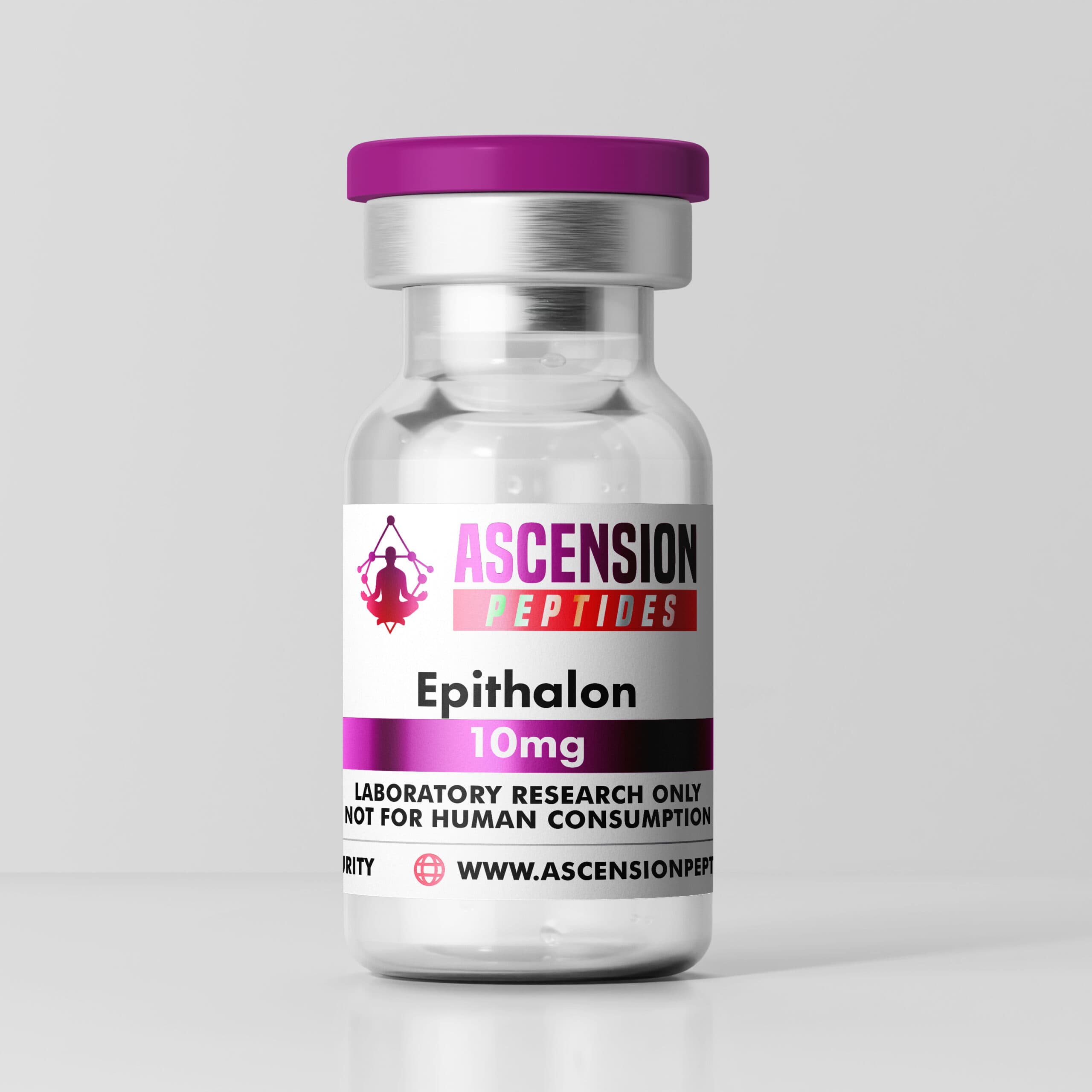
7. Epithalon: Anti-Aging and Cognitive Health
Epithalon (also spelled Epitalon) is a synthetic version of Epithalamin, a peptide produced by the pineal gland. While primarily studied for anti-aging effects through telomerase activation, research suggests cognitive benefits as part of its broader effects on aging.
Mechanisms Relevant to Cognition
- Telomerase Activation: May slow cellular aging in neurons
- Melatonin Production: Supports pineal gland function and sleep quality, crucial for cognitive health (see our sleep peptides guide)
- Antioxidant Effects: Reduces oxidative damage that contributes to cognitive decline
- Circadian Rhythm Support: Helps maintain healthy sleep-wake cycles
Matching Peptides to Cognitive Goals
Different peptides excel for different cognitive objectives. Here's a research-based guide:
Focus & Attention
Semax - specifically studied for attention improvement through dopamine modulation.
Anxiety + Cognition
Selank - unique combination of anxiolytic and cognitive-enhancing effects.
Neuroprotection
Cerebrolysin, BPC-157, PACAP - studied for protecting neurons from damage.
Age-Related Decline
Dihexa, Cerebrolysin, Epithalon - researched for reversing age-related cognitive changes.
Comparison: Key Cognitive Peptides
Stacking Considerations
Some researchers and users explore combining cognitive peptides for synergistic effects. Common considerations include:
- Semax + Selank: The most common combination, potentially addressing both focus (Semax) and anxiety (Selank)
- BPC-157 + Cognitive Peptide: Adding BPC-157 for its general neuroprotective properties
- Epithalon + Focus Peptide: Combining anti-aging effects with acute cognitive enhancement
Other Notable Cognitive Peptides
Beyond the top 7, several other peptides show cognitive potential:
- Pinealon: A tripeptide that may support pineal gland function and cognitive aging
- Thymosin Alpha-1: Primarily immune-focused but may support cognitive health through inflammation reduction
- Humanin: A mitochondrial peptide with neuroprotective properties being studied for Alzheimer's
- SS-31 (Elamipretide): Mitochondrial-targeted peptide that may support neuronal energy metabolism
Frequently Asked Questions
Important Considerations
Conclusion
The field of cognitive peptides represents a fascinating frontier in neuroscience. Compounds like Semax and Selank offer decades of clinical experience supporting their use for cognitive enhancement and neuroprotection. Newer peptides like Dihexa show remarkable potential in animal models but await human validation.
For those interested in cognitive optimization, peptides offer mechanisms distinct from traditional nootropics—often supporting brain health at a fundamental level rather than simply modulating neurotransmitters. As research progresses, we may see more peptides move from preclinical promise to clinical application.
The key is matching peptide selection to specific goals while respecting the current state of evidence. Whether seeking memory enhancement, focus improvement, anxiety relief, or neuroprotection, the growing catalog of cognitive peptides offers options worth understanding.