Sleep quality affects everything—from cognitive function and mood to physical recovery and metabolic health. As research expands our understanding of sleep regulation, peptides have emerged as a fascinating area of study for those struggling with sleep issues or seeking to optimize their rest.
This guide examines the peptides with the strongest research backing for sleep improvement, how they work within the body's complex sleep-wake systems, and what the science actually demonstrates. If you're new to peptides, you may want to start with our best peptides for beginners guide first.
🔑 Key Takeaways
- DSIP (Delta Sleep-Inducing Peptide) directly promotes slow-wave sleep in research settings
- Growth hormone secretagogues like Ipamorelin enhance deep sleep by amplifying natural GH pulses
- Epitalon supports circadian rhythm through melatonin regulation and pineal gland function
- Sleep peptides work through different mechanisms—some induce sleep, others improve sleep architecture
- Sleep quality is as important as quantity—peptides that enhance deep sleep phases may improve recovery even without increasing total sleep time
Why Sleep Quality Matters More Than Quantity
Before diving into specific peptides, understanding sleep architecture helps explain what these compounds actually do.
Sleep Phases: Sleep cycles through distinct stages—light sleep (N1, N2), deep slow-wave sleep (N3), and REM sleep. Each serves different functions: deep sleep promotes physical recovery and growth hormone release, while REM sleep supports cognitive function and memory consolidation.
Growth Hormone Connection: The majority of daily growth hormone secretion occurs during deep sleep. This is why disrupted sleep impairs recovery, muscle growth, and fat metabolism. Peptides that enhance deep sleep naturally amplify this critical hormone release.
Circadian Regulation: The sleep-wake cycle is governed by circadian rhythms—biological clocks influenced by light, melatonin, and various peptide signaling pathways. Disrupted circadian function, common in modern life, impairs sleep quality regardless of time spent in bed.
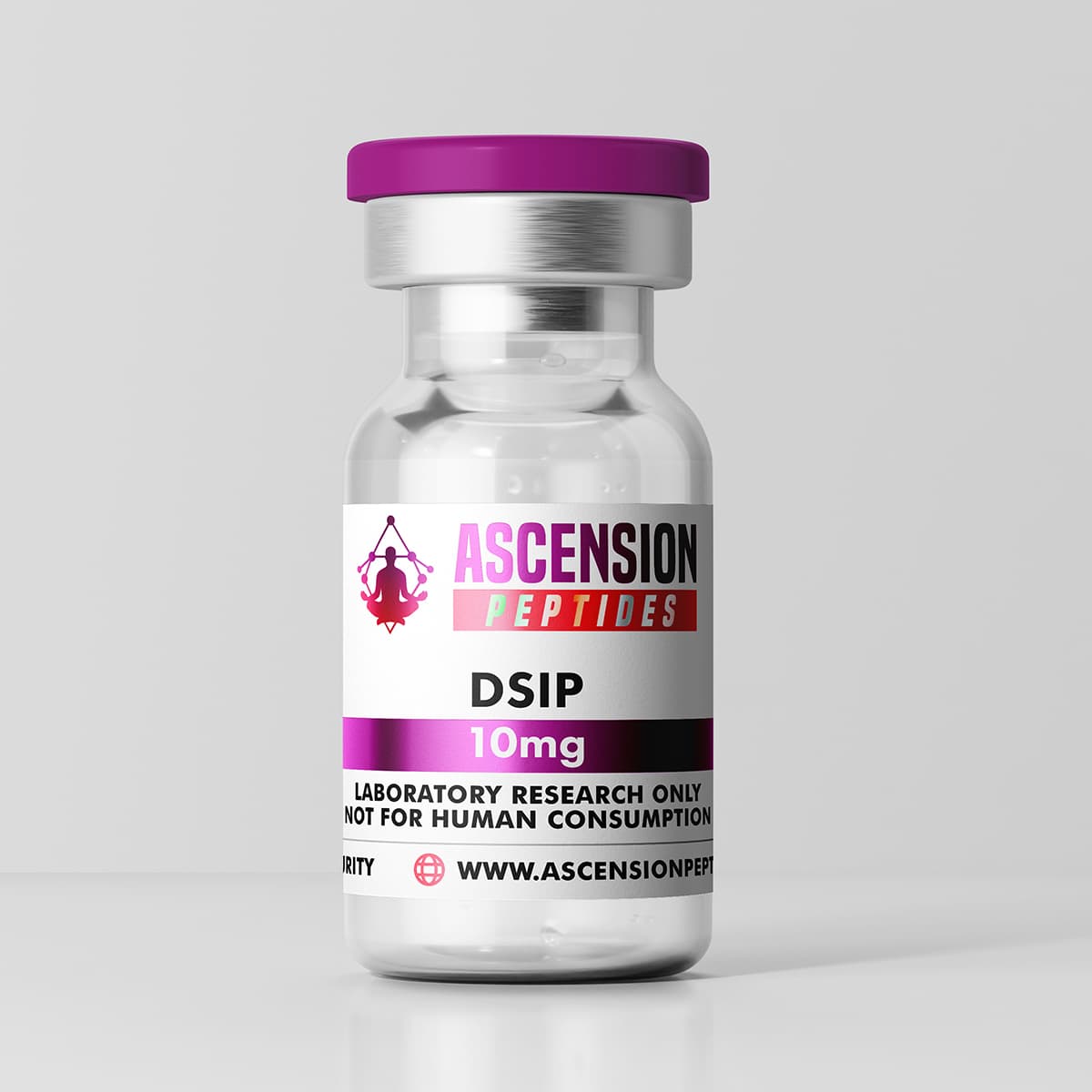
1. DSIP (Delta Sleep-Inducing Peptide)
DSIP (Delta Sleep-Inducing Peptide) is perhaps the most directly named sleep peptide—discovered in 1977 by isolating it from the blood of sleeping rabbits. As the name suggests, it specifically promotes delta wave activity during sleep, the electrical signature of deep, restorative sleep.
What the Research Shows
Human studies on DSIP have demonstrated increased slow-wave sleep duration and improved sleep efficiency. A study in chronic insomnia patients showed DSIP administration improved sleep onset, reduced nighttime awakenings, and increased total sleep time without the grogginess associated with conventional sedatives.
Particularly interesting is DSIP's apparent ability to normalize disturbed sleep patterns rather than simply sedating. Research in patients with various sleep disorders showed improvements in sleep architecture—the healthy progression through sleep stages—rather than just increased unconscious time.
Beyond sleep itself, DSIP demonstrates stress-protective and analgesic properties. Studies show it can modulate the stress hormone response and may improve sleep specifically in those whose sleep is disrupted by chronic stress or pain conditions.
Mechanism of Action
DSIP's mechanism isn't fully understood, but research indicates it works through multiple pathways:
- Modulation of sleep-wake centers in the hypothalamus
- Effects on glutamatergic and GABAergic neurotransmission
- Interaction with the endogenous opioid system
- Influence on the hypothalamic-pituitary-adrenal (HPA) axis, reducing cortisol that impairs sleep
Unlike benzodiazepines or other sedatives, DSIP appears to promote physiologically normal sleep rather than chemically-induced unconsciousness.
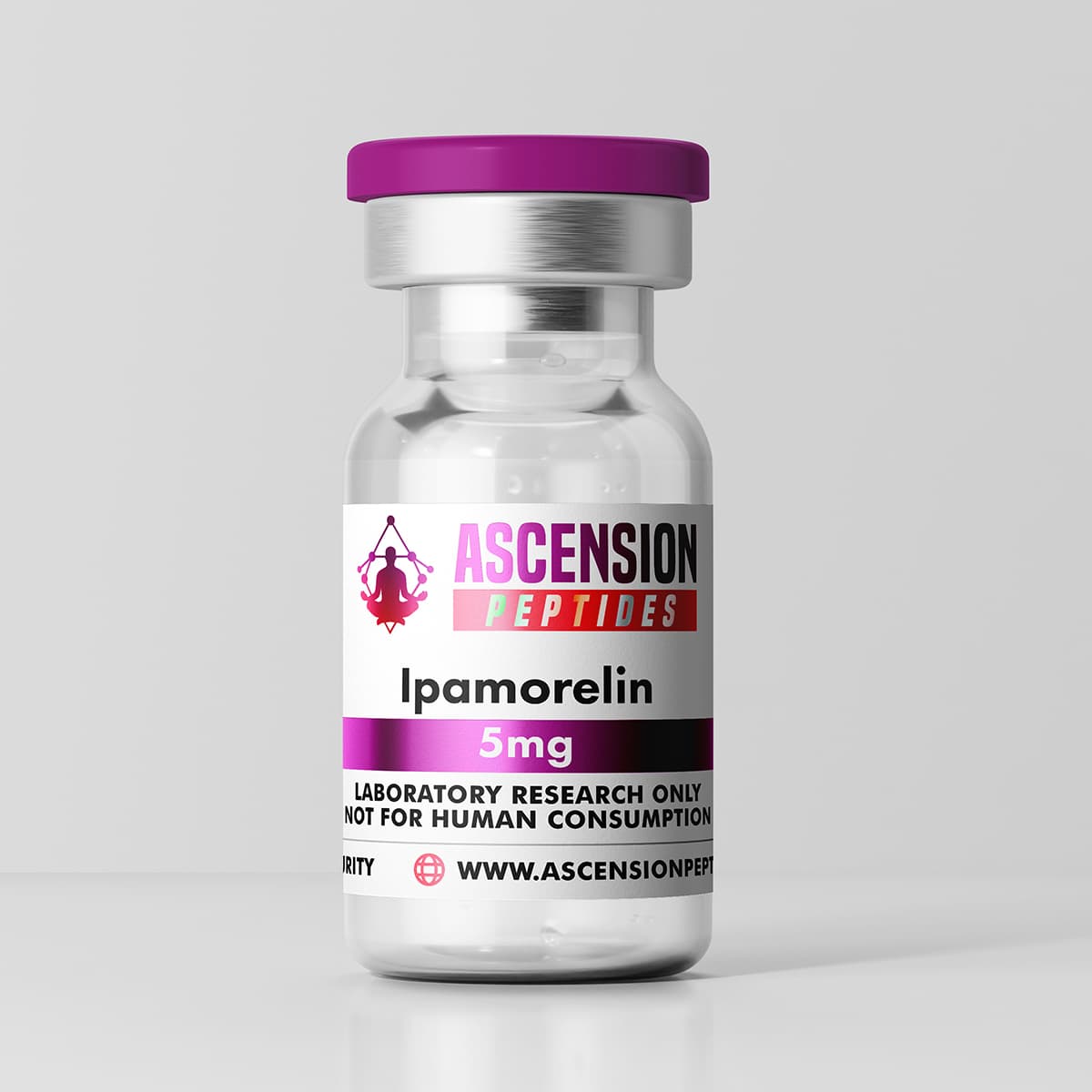
2. Ipamorelin (GHRP)
Ipamorelin is a growth hormone-releasing peptide (GHRP) known for its selective GH release profile. While primarily used for body composition and recovery, its effects on sleep quality make it relevant for anyone interested in optimizing rest.
What the Research Shows
Ipamorelin stimulates growth hormone release in a pulsatile pattern that mimics natural physiology. When administered before sleep, it amplifies the natural nocturnal GH surge that occurs during deep sleep phases. This creates a positive feedback loop—enhanced GH release deepens sleep, and deeper sleep further enhances GH release.
User reports consistently cite improved sleep quality as one of Ipamorelin's most noticeable effects. Clinical studies confirm increased time in slow-wave sleep and improved sleep continuity. Many users report more vivid dreams—a sign of enhanced REM sleep—alongside the deep sleep benefits.
Unlike some GHRPs that increase cortisol and prolactin (which can impair sleep), Ipamorelin selectively stimulates GH without significantly affecting other hormones. This cleaner profile makes it more suitable for sleep optimization.
Mechanism of Action
Ipamorelin binds to ghrelin/GHS receptors in the pituitary and hypothalamus, triggering growth hormone release. When timed before sleep, this amplifies the natural surge of GH that occurs during slow-wave sleep phases. The increased GH then:
- Enhances protein synthesis and tissue repair during sleep
- Supports deeper, more restorative sleep phases
- Improves next-day energy and cognitive function
- May increase total growth hormone exposure by 40-100% versus unsupplemented sleep
Pro Tip
For sleep optimization specifically, Ipamorelin is typically administered 30-60 minutes before bedtime. For detailed timing guidance, see our guide on when to take CJC-1295 and Ipamorelin.
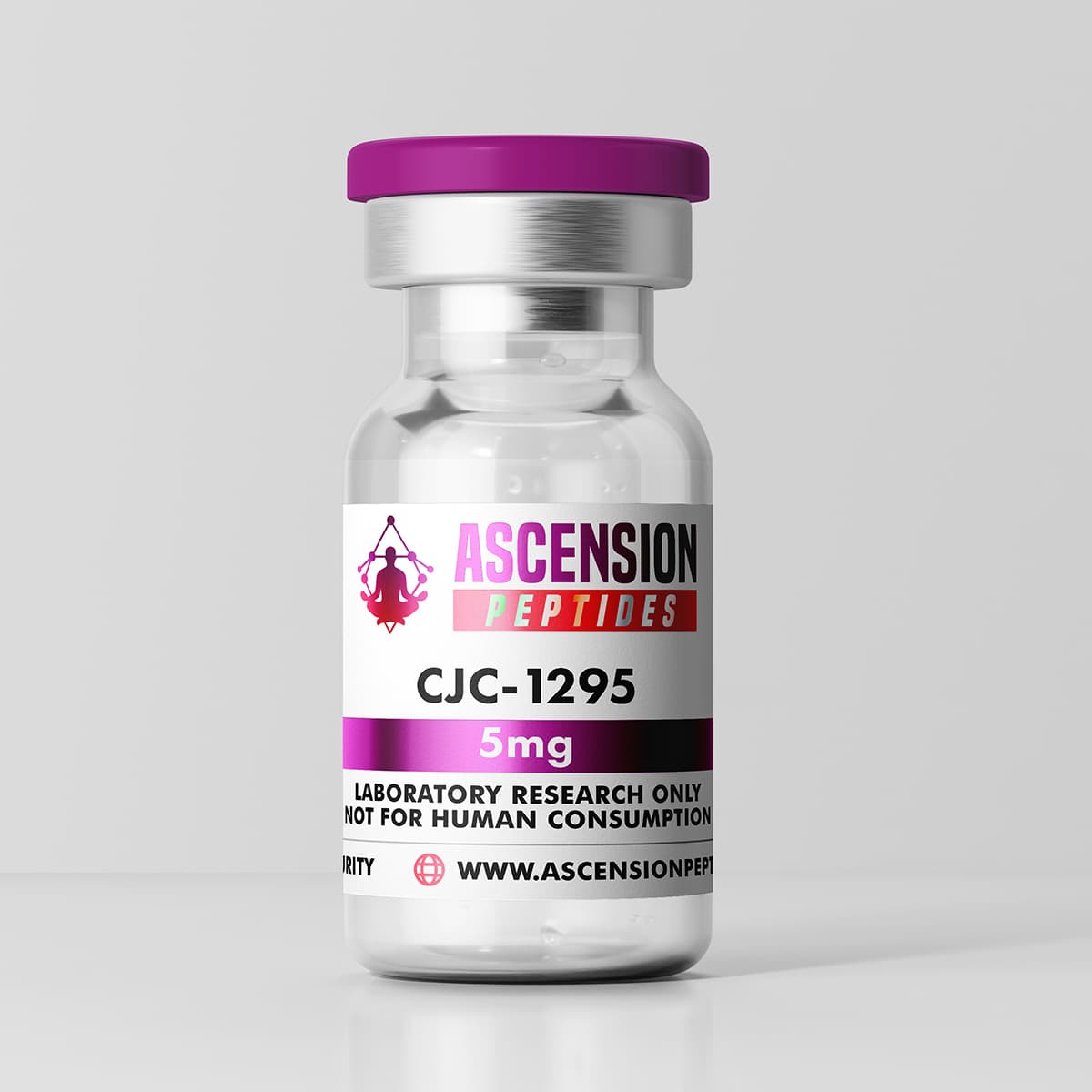
3. CJC-1295 (GHRH Analog)
CJC-1295 is a growth hormone-releasing hormone (GHRH) analog with extended half-life, often used in combination with Ipamorelin for synergistic GH release. Its effects on sleep relate to amplifying the body's natural growth hormone rhythm. For comprehensive dosing information, see our CJC-1295 dosage guide.
What the Research Shows
Clinical studies on CJC-1295 demonstrate sustained elevation of GH levels and increased time in slow-wave sleep. The extended half-life—particularly with the DAC (Drug Affinity Complex) version—provides more sustained GH elevation throughout the night compared to shorter-acting compounds.
Research shows CJC-1295 increases both the amplitude and duration of nocturnal GH pulses. This translates to more time in restorative deep sleep and improved physical recovery markers upon waking.
When combined with Ipamorelin (the GHRH + GHRP stack), the sleep benefits are particularly pronounced. GHRH amplifies pulse magnitude while GHRP increases pulse frequency, creating comprehensive enhancement of the sleep-related GH surge.
Mechanism of Action
CJC-1295 binds to GHRH receptors on pituitary somatotrophs, stimulating growth hormone synthesis and release. Unlike direct GH administration, this preserves physiological pulsatility and feedback mechanisms. The sleep benefits derive from:
- Enhanced magnitude of sleep-associated GH pulses
- Extended GH elevation throughout sleep phases
- Preserved negative feedback preventing supraphysiological levels
- Synergy with natural sleep-GH relationship
4. Epitalon (Epithalon)
Epitalon (also spelled Epithalon) is a synthetic version of Epithalamin, a peptide naturally produced by the pineal gland. Known primarily for its telomerase-activating and anti-aging properties, Epitalon has significant effects on sleep through its influence on melatonin production and circadian regulation.
What the Research Shows
Research demonstrates Epitalon stimulates melatonin production in the pineal gland, particularly in older subjects whose natural melatonin synthesis has declined. Studies in elderly patients showed improved sleep quality, reduced time to fall asleep, and more consolidated sleep architecture.
Beyond direct melatonin effects, Epitalon appears to restore youthful circadian rhythm patterns. Age-related changes in sleep often involve flattening of the circadian curve—reduced amplitude of daily hormone rhythms. Epitalon research shows restoration of more robust circadian patterns, improving both sleep quality and daytime alertness.
A notable study examined Epitalon in subjects with insomnia and found improvements in multiple sleep parameters: reduced sleep latency (time to fall asleep), fewer nighttime awakenings, and improved morning alertness. Effects were particularly pronounced in those over 50, suggesting particular benefit for age-related sleep deterioration.
Mechanism of Action
Epitalon works primarily through the pineal gland:
- Stimulates melatonin production and secretion
- Activates telomerase, potentially rejuvenating pineal gland cells
- Restores circadian rhythm amplitude and timing
- May sensitize melatonin receptors, improving response to natural melatonin
Unlike exogenous melatonin supplementation, Epitalon enhances the body's own melatonin production, maintaining natural circadian signaling rather than overriding it.
5. Selank
Selank is a synthetic analog of tuftsin, developed in Russia for its anxiolytic and nootropic properties. While not a direct sleep peptide, its effects on anxiety and stress make it highly relevant for those whose sleep issues stem from an overactive mind or elevated stress hormones. A stronger version, N-Acetyl Selank, is also available.
What the Research Shows
Clinical studies demonstrate Selank reduces anxiety without sedation or cognitive impairment—a critical distinction from benzodiazepines. For sleep, this translates to easier sleep onset for anxiety-prone individuals and reduced rumination that keeps people awake.
Research shows Selank modulates GABA, serotonin, and norepinephrine systems. The GABAergic effects are particularly relevant for sleep, as GABA is the primary inhibitory neurotransmitter that calms neural activity for sleep onset. Unlike direct GABA agonists, Selank appears to modulate rather than override these systems.
Studies in patients with generalized anxiety disorder showed improved sleep quality as a secondary outcome of reduced anxiety. Participants reported fewer racing thoughts at bedtime, reduced nighttime awakenings from worry, and more restful sleep overall.
Mechanism of Action
Selank's sleep-relevant mechanisms include:
- Enhancement of GABAergic transmission (calming effect)
- Modulation of brain-derived neurotrophic factor (BDNF)
- Reduction of cortisol and stress hormone activity
- Serotonin system effects that influence sleep-wake cycles
Selank is particularly suited for individuals whose sleep problems are secondary to anxiety or chronic stress rather than primary sleep disorders.
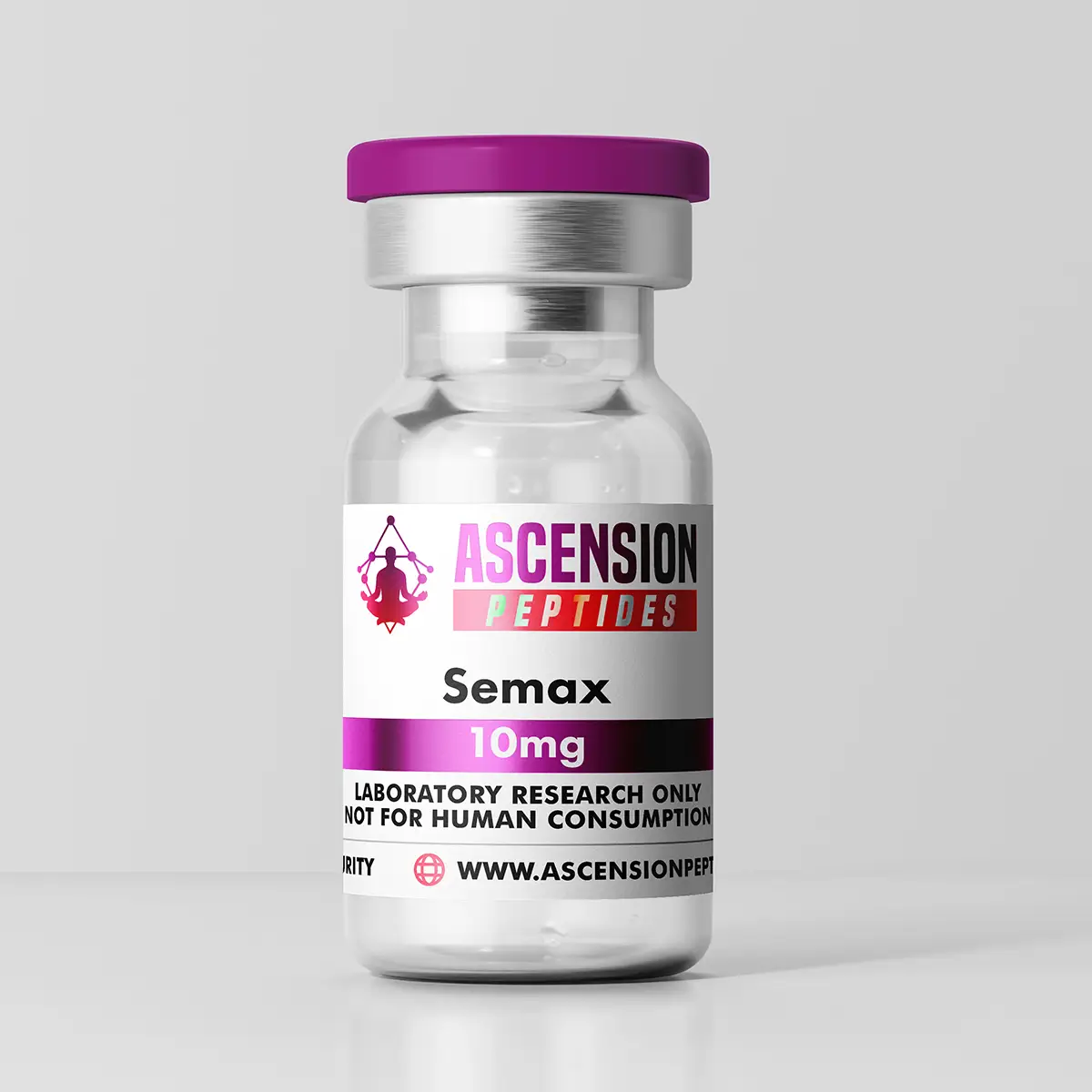
6. Semax
Semax is a synthetic analog of ACTH (4-10), known primarily as a nootropic and neuroprotective agent. Its relationship with sleep is nuanced—it can enhance daytime alertness while potentially improving nighttime sleep quality through circadian rhythm effects. An enhanced version, NA-Semax-Amidate, offers increased potency.
What the Research Shows
Research on Semax demonstrates modulation of circadian rhythm-related gene expression. By enhancing daytime cognitive function and alertness, Semax may strengthen the circadian distinction between day (alert) and night (sleep) states. This improved circadian amplitude translates to better sleep quality.
Studies show Semax influences BDNF expression, which plays roles in both cognitive function and sleep regulation. Enhanced BDNF signaling has been associated with improved sleep architecture in various research contexts.
Importantly, Semax is typically used in the morning or early afternoon specifically to avoid interference with sleep. The improved daytime function it provides may indirectly benefit sleep by enhancing sleep drive (the homeostatic pressure to sleep that builds during waking hours).
Mechanism of Action
Semax's indirect sleep benefits derive from:
- Increased BDNF expression and neuroplasticity
- Enhanced dopamine and serotonin system function
- Improved circadian rhythm amplitude
- Greater daytime alertness building stronger sleep drive
7. BPC-157 and Sleep Recovery
BPC-157 is primarily known as a healing peptide, but research has uncovered interesting effects on sleep, particularly through its interactions with the dopamine and serotonin systems that regulate sleep-wake cycles.
What the Research Shows
Animal studies demonstrate BPC-157's ability to modulate neurotransmitter systems involved in sleep regulation. Research shows it can normalize both dopamine and serotonin disturbances—neurotransmitters critically involved in sleep architecture and circadian function.
BPC-157's gut-healing properties may also indirectly benefit sleep. The gut-brain axis increasingly recognized in sleep research means that gut inflammation can impair sleep quality. By healing the gut and reducing systemic inflammation, BPC-157 may remove barriers to quality sleep.
Studies examining BPC-157 in stress models show it counteracts some effects of chronic stress on brain function. Since chronic stress is a major cause of sleep disruption, this stress-protective effect may translate to improved sleep in stressed individuals. BPC-157 is often combined with TB-500 for enhanced recovery—see our BPC-157 vs TB-500 comparison guide for details.
Mechanism of Action
BPC-157's sleep-relevant effects include:
- Dopamine system modulation affecting sleep-wake transitions
- Serotonin effects influencing sleep architecture
- Gut healing reducing systemic inflammation that impairs sleep
- Stress protection preserving normal sleep patterns
How to Choose the Right Sleep Peptide
Different peptides address different sleep issues. Matching the peptide to your specific sleep challenge improves outcomes.
Common Sleep Issues and Peptide Matches
Difficulty Falling Asleep: DSIP or Selank (if anxiety-related) address sleep onset specifically. DSIP promotes the transition to sleep, while Selank calms the racing mind that prevents sleep.
Waking During the Night: Ipamorelin or CJC-1295 promote deeper, more consolidated sleep. Enhanced GH release during sleep creates more sustained slow-wave sleep with fewer awakenings.
Light/Unrefreshing Sleep: The Ipamorelin + CJC-1295 combination enhances deep sleep phases specifically. This is ideal for those who sleep adequate hours but wake unrefreshed.
Age-Related Sleep Decline: Epitalon addresses the pineal gland deterioration underlying many age-related sleep changes. Restoring melatonin production improves multiple sleep parameters.
Shift Work/Jet Lag: DSIP helps reset disrupted circadian rhythms. Epitalon used strategically can help re-establish normal day-night hormone patterns.
Deep Sleep Enhancement
GH secretagogues increase time in restorative slow-wave sleep phases.
Circadian Restoration
Epitalon and DSIP help normalize disrupted sleep-wake rhythms.
Anxiety Reduction
Selank calms the overactive mind that prevents sleep onset.
Stacking Strategies for Sleep Optimization
Many users combine peptides that address different aspects of sleep for comprehensive optimization.
Basic Sleep Stack
Ipamorelin + CJC-1295 (no DAC)
This classic combination provides synergistic GH release that deepens sleep quality. The GHRH + GHRP synergy amplifies natural sleep-related GH pulses without disrupting normal physiology. Typically administered 30-60 minutes before bed.
Comprehensive Sleep Stack
Ipamorelin + CJC-1295 + DSIP
Adds direct sleep-inducing effects to the GH enhancement. DSIP promotes sleep onset and delta wave activity while the GH peptides deepen sleep phases. Useful for those with both onset and quality issues.
Stress-Related Insomnia Stack
Selank (evening) + Ipamorelin (bedtime)
Selank reduces the anxiety and rumination that prevent sleep, while Ipamorelin enhances sleep quality once achieved. This addresses both the psychological and physiological aspects of stress-related sleep problems.
Anti-Aging Sleep Stack
Epitalon (cycled) + Ipamorelin (nightly)
Epitalon restores youthful pineal function and melatonin production while Ipamorelin enhances the GH release that diminishes with age. This addresses multiple age-related changes in sleep simultaneously.
Peptide Preparation and Storage
Before using any peptide, proper preparation is essential. Most peptides come as lyophilized (freeze-dried) powder that requires reconstitution with bacteriostatic water. See our complete guide on how to reconstitute peptides for step-by-step instructions.
Sleep Hygiene Still Matters
Peptides enhance but don't replace fundamental sleep hygiene. For optimal results, combine peptide use with:
- Consistent sleep schedule: Same bed and wake times reinforce circadian rhythm
- Dark sleep environment: Block all light sources; even dim light impairs melatonin
- Cool temperature: 65-68°F (18-20°C) is optimal for sleep
- Limited evening screen exposure: Blue light suppresses melatonin production
- No caffeine after early afternoon: Caffeine has a 6-hour half-life
- Regular exercise: But not within 3 hours of bedtime
- Limited alcohol: Alcohol fragments sleep architecture despite initial sedation
Peptides amplify the benefits of good sleep hygiene. Poor habits can undermine even the most effective peptide protocols.
Frequently Asked Questions
The Bottom Line
Sleep peptides represent a fascinating frontier in sleep optimization. From DSIP's direct sleep-promoting effects to the deep sleep enhancement of GH secretagogues to Epitalon's circadian restoration, these compounds address sleep through mechanisms distinct from conventional sleep medications.
The key advantages include: promoting physiologically normal sleep rather than chemical sedation, lack of tolerance development in most cases, and enhancement of the body's own sleep systems rather than overriding them. For those who've struggled with pharmaceutical sleep aids' side effects and dependence potential, peptides offer an alternative approach worth investigating.
However, peptides are research compounds, not approved sleep treatments. Quality sleep involves multiple factors—stress, environment, habits, and underlying health conditions—that no peptide can fully address. The most effective approach combines appropriate peptide selection with comprehensive sleep hygiene and, when needed, medical evaluation for underlying sleep disorders.
As sleep science continues advancing, peptides will likely play an increasing role in evidence-based approaches to this fundamental aspect of health. For now, understanding the options and their mechanisms positions you to make informed decisions about whether sleep peptides might benefit your specific situation.
🔑 Final Takeaways
- DSIP directly promotes delta-wave (deep) sleep and normalizes disrupted sleep patterns
- Ipamorelin and CJC-1295 enhance sleep quality through growth hormone amplification
- Epitalon restores pineal function and melatonin production, addressing age-related sleep decline
- Selank addresses anxiety-driven insomnia without sedation or dependence
- Match peptide to specific sleep issue for best results—onset vs. quality vs. circadian
- Sleep hygiene fundamentals remain essential even with peptide support