🔑 Key Takeaways
- Most research peptides require injection due to degradation in the digestive system — oral peptides are the exception, not the rule
- BPC-157 is uniquely stable in gastric juice and retains biological activity when taken orally — a rare property among peptides
- MK-677 (Ibutamoren) is an oral growth hormone secretagogue that avoids injection entirely
- Injectable peptides generally offer higher bioavailability and more predictable dosing
- The choice between oral and injectable depends on the specific peptide, the research goal, and practical considerations
One of the first questions anyone exploring peptide research encounters is deceptively simple: how do you actually take them? The answer depends almost entirely on which peptide you're working with — and understanding why reveals fundamental truths about peptide biochemistry.
Most peptides are chains of amino acids held together by peptide bonds. The same enzymes in your stomach and intestines that break down dietary protein will happily shred most therapeutic peptides into useless fragments before they ever reach the bloodstream. This is why the vast majority of research peptides are administered by injection — it's not about preference, it's about survival.
But not all peptides are created equal. A handful of compounds have evolved or been engineered to withstand the gastrointestinal gauntlet, opening the door to oral administration. Understanding which peptides fall into each category — and why — is essential for anyone serious about peptide research.
Understanding Peptide Administration Routes
Before diving into the oral vs injectable comparison, it helps to understand the full spectrum of how peptides can enter the body. Each route has distinct pharmacokinetic properties that affect absorption, distribution, and biological activity.
Injectable Routes
Subcutaneous (SubQ)
Injected into the fatty tissue layer beneath the skin. The most common route for peptide research. Absorption is steady and predictable, typically reaching peak blood levels within 15-30 minutes.
Intramuscular (IM)
Injected directly into muscle tissue. Faster absorption than SubQ due to greater blood flow in muscle. Used for some peptides where rapid onset is preferred.
Intravenous (IV)
Delivered directly into the bloodstream. Provides 100% bioavailability and immediate effect. Primarily used in clinical settings, not typical for research peptide use.
Non-Injectable Routes
Oral
Swallowed as capsules, tablets, or liquid. Must survive stomach acid and digestive enzymes. Very few peptides are viable through this route without special formulation.
Topical / Transdermal
Applied to the skin as creams or patches. Limited to peptides small enough to penetrate the skin barrier. GHK-Cu is commonly used topically for skin applications.
Why Most Peptides Can't Be Taken Orally
To understand the oral vs injectable debate, you need to understand bioavailability — the percentage of a compound that actually reaches systemic circulation in active form. For most peptides taken orally, bioavailability hovers between 1-2%. For the same peptides injected subcutaneously, it's typically 70-90%.
Three major barriers destroy oral peptide bioavailability:
Gastric Acid (pH 1.5-3.5)
The stomach's extremely acidic environment denatures most peptide structures. The three-dimensional folding that gives a peptide its biological activity unravels in these conditions, rendering it inactive even before enzymatic degradation begins.
Proteolytic Enzymes
Pepsin in the stomach and trypsin, chymotrypsin, and carboxypeptidases in the small intestine are specifically designed to cleave peptide bonds. These enzymes evolved to break dietary proteins into absorbable amino acids — they don't distinguish between food protein and therapeutic peptides.
The Intestinal Barrier
Even peptide fragments that survive digestion face the intestinal epithelium — a tightly regulated barrier that preferentially absorbs small molecules and individual amino acids. Intact peptides larger than 2-3 amino acids generally cannot cross this barrier efficiently without transport mechanisms.
Injectable Peptides: The Standard Approach
For the majority of research peptides, injection remains the gold standard. This isn't a limitation of the research community — it's a reflection of peptide biochemistry. Injection bypasses all three barriers that destroy oral bioavailability, delivering the intact peptide directly into the body's circulation.
Advantages of Injectable Peptides
Common Injectable Peptides
The vast majority of research peptides are administered via subcutaneous injection. Some of the most widely studied include:
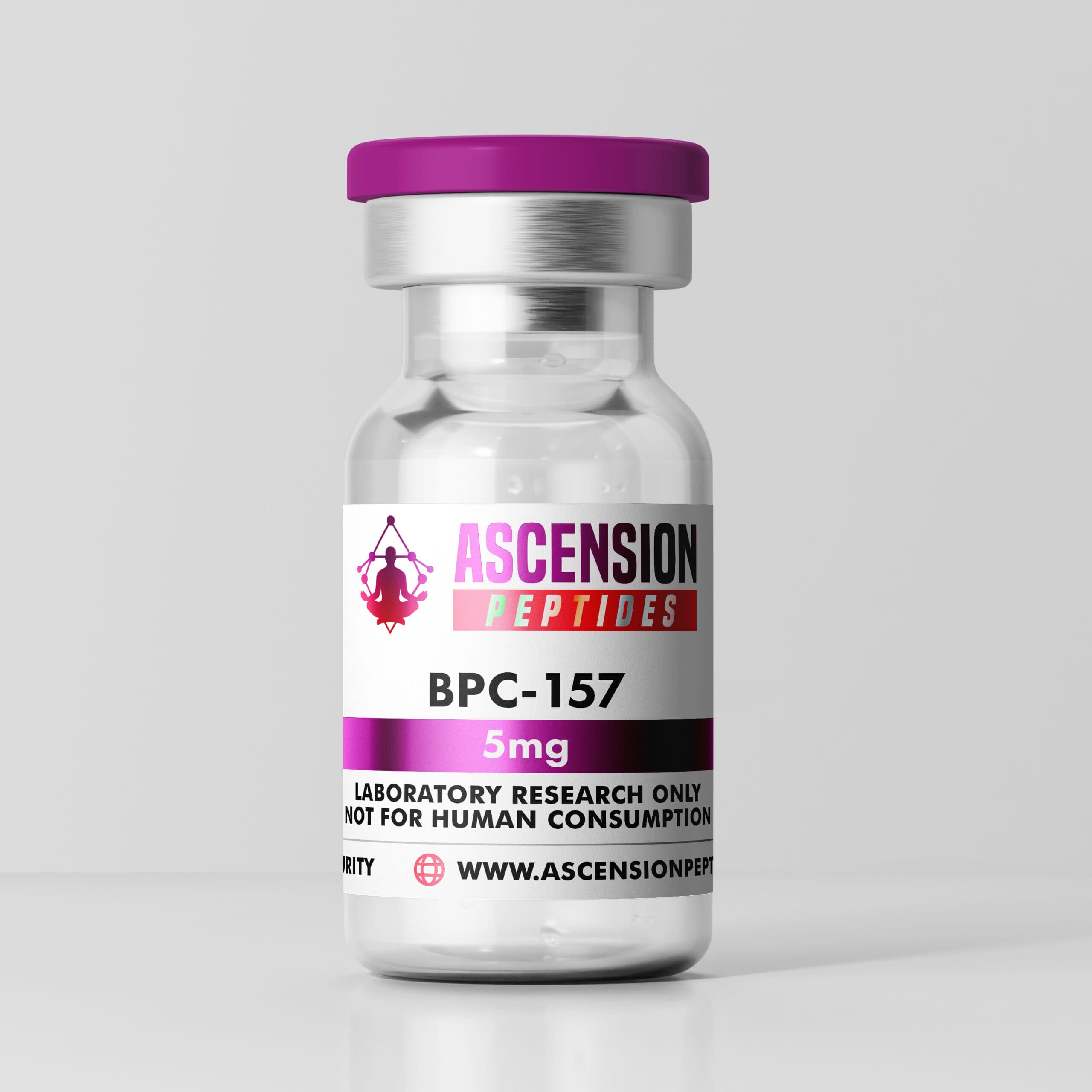
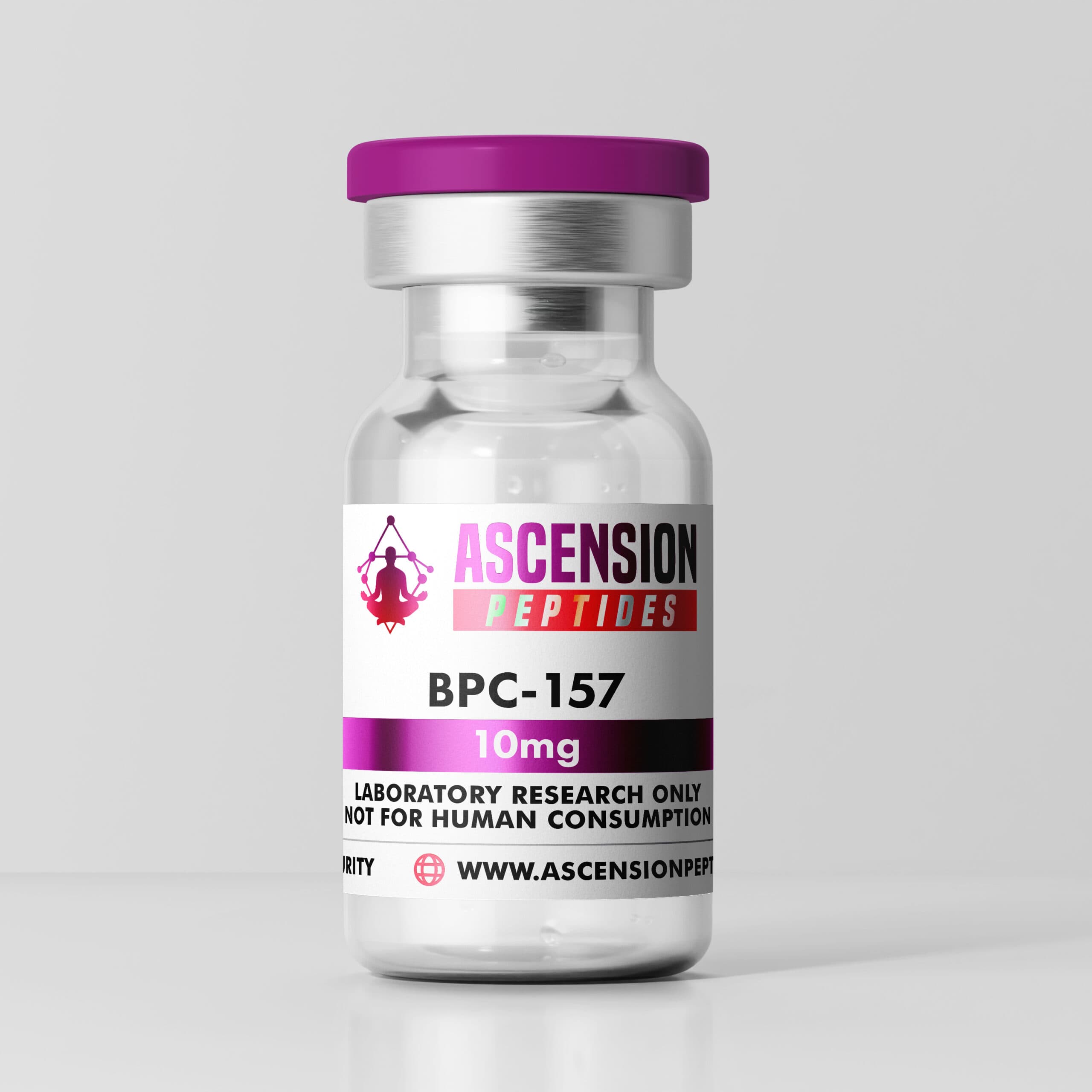
- BPC-157 — Can be injected OR taken orally (unique among peptides)
- TB-500 (Thymosin Beta-4) — Subcutaneous injection for systemic distribution
- Ipamorelin — Growth hormone secretagogue, SubQ injection standard
- CJC-1295 — Modified GRF, administered subcutaneously (see our CJC-1295 vs Ipamorelin comparison)
- Sermorelin — GH-releasing hormone analog, SubQ injection
- PT-141 (Bremelanotide) — Melanocortin receptor agonist, SubQ injection
Challenges of Injectable Administration
While injection provides superior pharmacokinetics, it comes with practical considerations:
- Reconstitution required — Lyophilized peptides must be properly reconstituted with bacteriostatic water before use
- Cold chain storage — Reconstituted peptides require refrigeration and have limited shelf life (learn more in our peptide storage guide)
- Injection technique — Proper subcutaneous injection technique matters for consistent absorption
- Injection site reactions — Redness, swelling, or itching at injection sites are common (see our side effects guide)
- Sterility concerns — Maintaining aseptic technique is critical to prevent contamination
Pro Tip
For those new to peptide injection, start with our comprehensive subcutaneous injection guide and dosage calculation guide. Proper technique makes all the difference in research consistency and comfort.
Oral Peptides: The Exceptions That Prove the Rule
While most peptides cannot survive oral administration, a select few either possess natural stability in the digestive environment or have been specifically engineered for oral delivery. These compounds represent some of the most interesting advances in peptide science.
Naturally Oral-Stable Peptides
BPC-157: The Gastric Peptide
BPC-157 (Body Protection Compound-157) is perhaps the most remarkable example of a naturally oral-bioactive peptide. Derived from a protective protein found in human gastric juice, BPC-157 evolved in one of the harshest environments in the body — the stomach itself. This origin gives it inherent stability at extremely low pH levels.
Animal studies have demonstrated that oral BPC-157 produces healing effects on diverse tissues including gastric ulcers, intestinal damage, and even tendon injuries located far from the digestive tract. Oral doses are typically higher than injected doses (roughly 10x) to account for reduced absorption, but the biological activity is consistently maintained.
MK-677 (Ibutamoren): The Oral Secretagogue
MK-677 is technically a non-peptide growth hormone secretagogue — a small molecule that mimics the peptide ghrelin at the GHS receptor. Its small molecular size and non-peptide structure allow it to survive oral administration with high bioavailability. This makes it particularly notable as an alternative to injectable GH-releasing peptides like Ipamorelin and GHRP-6.
For a deeper comparison of MK-677 against injectable alternatives, see our MK-677 vs Injectable Peptides guide.
Pharmaceutical Oral Peptides
Oral Semaglutide (Rybelsus)
One of the most significant breakthroughs in oral peptide delivery came with oral semaglutide (marketed as Rybelsus). Novo Nordisk achieved this through co-formulation with SNAC (sodium N-[8-(2-hydroxybenzoyl)amino] caprylate), an absorption enhancer that:
- Creates a local pH buffer around the peptide, protecting it from gastric acid
- Promotes transcellular absorption across the stomach lining
- Temporarily increases permeability at the absorption site
Even with this technology, oral semaglutide has approximately 1% bioavailability compared to its injectable form — requiring much higher oral doses (3-14mg orally vs 0.25-2.4mg injected) to achieve therapeutic levels. Despite this low absorption rate, the oral form has proven clinically effective for type 2 diabetes management. For a comparison with other GLP-1 agonists, see our Semaglutide vs Tirzepatide analysis.
Intranasal Peptides: The Middle Ground
Some peptides that can't survive oral administration are still viable without injection through intranasal delivery. This route bypasses the stomach entirely and can provide direct access to the central nervous system via the olfactory pathway:
- Semax — Nootropic peptide, commonly administered as a nasal spray (see our Semax vs Selank comparison)
- Selank — Anxiolytic peptide, intranasal delivery for cognitive effects
- Oxytocin — The "bonding hormone," studied intranasally for social cognition research
- DSIP — Delta sleep-inducing peptide, sometimes administered intranasally
Oral vs Injectable: Side-by-Side Comparison
How to Choose: Factors That Matter
1. The Peptide Itself Determines Viability
This is the most important factor and it's non-negotiable. If a peptide doesn't survive oral administration, injection is the only option. Before considering route preference, verify whether your specific peptide has demonstrated oral bioactivity in published research.
2. Research Goals and Target Tissue
For peptides like BPC-157 that can use both routes, the research question may guide the choice:
- GI-focused research: Oral BPC-157 delivers the peptide directly to the gut mucosa at high local concentrations — ideal for studying gastrointestinal protection
- Musculoskeletal research: Injectable BPC-157 provides more predictable systemic levels, often preferred for tendon, ligament, or muscle studies
- Systemic effects: Both routes produce systemic effects, but injectable provides more consistent blood levels
3. Practical Considerations
For the few peptides where both routes are viable, practical factors come into play:
- Duration of use: Long-term protocols may favor oral administration for convenience and compliance
- Setting: Clinical or lab settings can easily accommodate injection; field research may benefit from oral dosing
- Experience level: Those new to peptide research may prefer starting with oral compounds while learning reconstitution and injection technique (see our beginner's guide to peptides)
The Future of Oral Peptide Delivery
Pharmaceutical research is actively pursuing technologies to make more peptides orally bioavailable. The success of oral semaglutide has accelerated investment in this space, with several promising approaches in development:
Emerging Technologies
- Permeation enhancers (SNAC, C10): Small molecules that temporarily increase gut permeability — the technology behind oral semaglutide
- Enteric coatings: pH-sensitive coatings that protect peptides through the stomach and release them in the more neutral small intestine
- Nanoparticle encapsulation: Encasing peptides in lipid nanoparticles or polymeric carriers that protect against enzymatic degradation
- Protease inhibitors: Co-formulated enzyme inhibitors that temporarily suppress digestive proteases
- Mucoadhesive systems: Formulations that adhere to the intestinal wall, increasing contact time and absorption
- Cell-penetrating peptides (CPPs): Carrier peptides that shuttle therapeutic peptides across the intestinal barrier
The Practical Reality
Despite these advances, a fundamental truth remains: most bioactive peptides will continue to require injection for the foreseeable future. The digestive system is extraordinarily efficient at breaking down peptide bonds — that's literally what it evolved to do. Engineering around this requires significant pharmaceutical investment and results in formulations with inherently lower bioavailability.
For researchers and practitioners, this means injection technique, proper reconstitution, and correct storage remain essential skills. The good news is that subcutaneous injection with modern insulin syringes is a well-established, minimally invasive technique that most people can learn quickly.
Peptide Route Quick Reference Guide
Frequently Asked Questions
The Bottom Line
🔑 Summary
- Most peptides require injection — the digestive system destroys peptide bonds too efficiently for oral delivery
- BPC-157 is the standout exception — naturally stable in gastric juice with demonstrated oral bioactivity
- MK-677 offers an oral alternative to injectable GH secretagogues, though it's technically a non-peptide mimetic
- Oral semaglutide represents a pharmaceutical breakthrough using absorption enhancer technology
- Intranasal delivery provides a needle-free option for select peptides like Semax and Selank
- Injectable remains the gold standard for bioavailability, dose precision, and universal applicability
- The future is promising — new delivery technologies may expand oral options, but injection skills remain essential
Whether you're exploring peptides for the first time or comparing administration routes for a specific compound, understanding the science behind delivery is fundamental to effective research. The route of administration isn't just a convenience choice — it directly impacts how much peptide reaches its target, how quickly it acts, and how consistently it performs.
For most researchers, mastering subcutaneous injection technique and proper reconstitution remains the most versatile skill set. But for those working with BPC-157, MK-677, or the growing number of orally-available peptide formulations, the convenience of oral administration opens valuable research flexibility.