sciencePeptideDeck
PeptidesBlogAbout
search
Database Access
Home/Blog/Comparisons/Semaglutide vs Tirzepatide: Complete Comparison Guide (2026)
Comparisons

Semaglutide vs Tirzepatide: Complete Comparison Guide (2026)

An in-depth comparison of semaglutide (Ozempic/Wegovy) and tirzepatide (Mounjaro/Zepbound) covering mechanisms, efficacy, side effects, and which might work better for different goals.

February 3, 2026
14 min read
Semaglutide vs Tirzepatide: Complete Comparison Guide (2026)

The weight loss peptide landscape has been transformed by two medications: semaglutide (sold as Ozempic and Wegovy) and tirzepatide (sold as Mounjaro and Zepbound). Both have demonstrated unprecedented efficacy in clinical trials, but they work through different mechanisms and may suit different individuals better.

This comprehensive comparison breaks down everything you need to know about these two groundbreaking peptides—from how they work at the molecular level to real-world considerations like cost, availability, and side effect profiles.

🔑 Key Takeaways

  • Tirzepatide is a dual GIP/GLP-1 agonist; semaglutide targets GLP-1 only
  • Clinical trials show tirzepatide produces slightly greater average weight loss
  • Both medications have similar side effect profiles, primarily gastrointestinal
  • Semaglutide has more long-term safety data due to earlier approval
  • Individual response varies significantly—what works best differs by person
Understanding the Basics

What Is Semaglutide?

Semaglutide is a GLP-1 receptor agonist—a synthetic version of glucagon-like peptide-1, a hormone naturally produced in your gut after eating. This hormone signals to your brain that you're full, slows stomach emptying, and helps regulate blood sugar by stimulating insulin release.

Originally developed for type 2 diabetes (as Ozempic), semaglutide's dramatic weight loss effects in diabetic patients led to its approval specifically for weight management under the brand name Wegovy. The FDA approved Wegovy in 2021, marking a new era in medical weight management.

GLP-1Target Receptor
~7 daysHalf-Life
2017/2021FDA Approval

Explore Premium Research Peptides

Discover high-quality peptides from our trusted research partner.

Apollo Peptides

What Is Tirzepatide?

Tirzepatide takes a different approach: it's a dual GIP/GLP-1 receptor agonist. This means it activates two incretin pathways instead of one. GIP (glucose-dependent insulinotropic polypeptide) is another gut hormone that, like GLP-1, helps regulate blood sugar and metabolism—but through somewhat different mechanisms.

The dual-action design was based on research suggesting that targeting both pathways could produce synergistic effects on weight loss and metabolic health. Tirzepatide was approved for diabetes (as Mounjaro) in 2022, and for weight loss (as Zepbound) in late 2023.

GIP + GLP-1Target Receptors
~5 daysHalf-Life
2022/2023FDA Approval
Mechanism Comparison

How They Work: Single vs Dual Action

Understanding the mechanistic differences helps explain why these medications produce somewhat different results in clinical trials.

Semaglutide: GLP-1 Pathway

When semaglutide activates GLP-1 receptors, it triggers several beneficial effects:

  • Appetite suppression: Signals to the hypothalamus reduce hunger and increase satiety
  • Delayed gastric emptying: Food stays in the stomach longer, prolonging fullness
  • Insulin secretion: Glucose-dependent insulin release improves blood sugar control
  • Glucagon suppression: Reduces liver glucose production when not needed

Tirzepatide: Dual GIP/GLP-1 Pathway

Tirzepatide adds GIP receptor activation to the GLP-1 effects:

  • Enhanced insulin secretion: GIP provides additional stimulus for insulin release
  • Potential fat tissue effects: GIP receptors in adipose tissue may influence fat metabolism
  • Possible synergistic appetite effects: Dual pathway activation may enhance satiety signaling
  • Metabolic flexibility: May improve how the body switches between fuel sources
ℹ️ The GIP Controversy: Interestingly, early research suggested GIP might actually promote weight gain. Tirzepatide's success challenged this assumption, leading researchers to reconsider GIP's complex role in metabolism. The current understanding is that GIP's effects depend heavily on context—including nutritional state and concurrent GLP-1 signaling.
Clinical Trial Results

Efficacy: What Do the Studies Show?

Both medications have been extensively studied in large clinical trial programs. Here's how the key results compare.

Weight Loss Results

MedicationTrialDurationAverage Weight Loss
Semaglutide 2.4mgSTEP 168 weeks14.9% body weight
Tirzepatide 15mgSURMOUNT-172 weeks20.9% body weight
Tirzepatide 10mgSURMOUNT-172 weeks19.5% body weight
Tirzepatide 5mgSURMOUNT-172 weeks15.0% body weight
📝 Important Context: These trials had different designs and populations. The SURMOUNT-1 trial for tirzepatide ran slightly longer (72 vs 68 weeks), and participant characteristics differed between studies. Head-to-head trials provide more reliable comparisons.

Head-to-Head Comparison: SURPASS-2

The most direct comparison comes from the SURPASS-2 trial, which compared tirzepatide to semaglutide 1mg (the diabetes dose, not the higher weight loss dose) in type 2 diabetes patients over 40 weeks:

  • Tirzepatide 15mg: 12.4 kg average weight loss
  • Tirzepatide 10mg: 9.6 kg average weight loss
  • Tirzepatide 5mg: 7.6 kg average weight loss
  • Semaglutide 1mg: 5.7 kg average weight loss

While tirzepatide showed superior weight loss, this comparison used a lower semaglutide dose than what's approved for weight management (2.4mg). A true head-to-head trial comparing maximum approved doses for weight loss would provide more definitive answers.

Blood Sugar Control

Both medications excel at reducing HbA1c (a measure of average blood sugar over 3 months) in people with type 2 diabetes:

  • Semaglutide: Typical HbA1c reductions of 1.5-1.8%
  • Tirzepatide: Typical HbA1c reductions of 2.0-2.3%

Tirzepatide's slightly superior glycemic control may relate to its dual mechanism—GIP and GLP-1 both promote insulin secretion through different pathways.

Side Effects

Side Effect Profiles: What to Expect

Both medications share similar side effect profiles, primarily affecting the gastrointestinal system. This makes sense given that they work on gut hormones and slow stomach emptying.

Common Side Effects

🤢

Nausea

Most common side effect for both. Usually improves with time and slow dose titration.

🚽

Diarrhea/Constipation

GI motility changes affect bowel habits. Can go either direction.

😫

Vomiting

Less common than nausea. More likely at higher doses or with dietary indiscretion.

🍽️

Reduced Appetite

Technically a therapeutic effect, but can be distressing for some.

Side Effect Comparison

Side EffectSemaglutideTirzepatide
Nausea~44%~31%
Diarrhea~30%~23%
Vomiting~24%~12%
Constipation~24%~17%
✓ Good to Know: In clinical trials, tirzepatide showed slightly lower rates of GI side effects despite producing greater weight loss. However, individual experiences vary widely. Some people tolerate semaglutide better; others do better with tirzepatide.

Serious Side Effects (Rare)

Both medications carry warnings for rare but serious potential risks:

  • Pancreatitis: Inflammation of the pancreas. Discontinue immediately if severe abdominal pain occurs.
  • Gallbladder problems: Rapid weight loss increases gallstone risk. May not be medication-specific.
  • Thyroid tumors: Boxed warning based on rodent studies. Relevance to humans uncertain, but contraindicated in those with personal/family history of medullary thyroid cancer or MEN2 syndrome.
  • Hypoglycemia: Primarily when combined with insulin or sulfonylureas. Low risk when used alone.
⚠️ Warning: Both medications are contraindicated in pregnancy and during breastfeeding. Women of childbearing potential should use effective contraception. Discontinue at least 2 months before a planned pregnancy.
Practical Considerations

Dosing and Administration

Both medications are administered as weekly subcutaneous injections, typically in the abdomen, thigh, or upper arm.

Semaglutide Dosing Schedule

1

Weeks 1-4

Start at 0.25mg weekly. This is a tolerability dose, not therapeutic.

2

Weeks 5-8

Increase to 0.5mg weekly. Some therapeutic benefit begins.

3

Weeks 9-12

Increase to 1.0mg weekly.

4

Weeks 13+

Continue increasing monthly (1.7mg → 2.4mg) as tolerated until reaching maintenance dose.

Tirzepatide Dosing Schedule

1

Weeks 1-4

Start at 2.5mg weekly. Initial tolerability phase.

2

Weeks 5-8

Increase to 5.0mg weekly.

3

Weeks 9+

Increase by 2.5mg every 4 weeks as tolerated (7.5mg → 10mg → 12.5mg → 15mg).

Pro Tip

Both medications work best with slow, patient dose titration. Rushing to higher doses increases side effects without improving long-term outcomes. If side effects are bothersome, stay at the current dose longer before increasing—or even drop back down temporarily.

Explore Premium Research Peptides

Discover high-quality peptides from our trusted research partner.

Apollo Peptides

Cost and Availability

Both medications carry significant costs, though the landscape is evolving with generic competition and insurance coverage changes.

AspectSemaglutideTirzepatide
Monthly Cost (List Price)~$900-1,350~$1,000-1,200
Insurance CoverageVariableVariable
Generic AvailableNot yetNot yet
Manufacturer ProgramsNovo Nordisk savingsEli Lilly savings
ℹ️ Info: Insurance coverage varies dramatically by plan, diagnosis (diabetes vs obesity), and specific medication. Some plans cover one but not the other. Prior authorization is almost always required. Check with your insurer before starting either medication.
Making a Choice

Which Medication Might Be Right for You?

While only a healthcare provider can make prescribing decisions based on your individual situation, here are some general considerations:

Tirzepatide May Be Preferred If:

  • Maximum weight loss is the primary goal
  • You have type 2 diabetes requiring aggressive glycemic control
  • You've tried semaglutide with inadequate results
  • GI side effects were problematic on GLP-1 agonists (tirzepatide may be better tolerated)

Semaglutide May Be Preferred If:

  • You prefer a medication with longer track record and more safety data
  • Insurance covers Wegovy/Ozempic but not Mounjaro/Zepbound
  • You're also seeking cardiovascular protection (semaglutide has more CV outcome data)
  • Lower starting cost is important (though both are expensive)

Factors That Apply to Both

  • Must be used with lifestyle changes (diet, exercise) for best results
  • Weight regain is common after discontinuation
  • Long-term use is typically needed to maintain benefits
  • Regular monitoring recommended during treatment
📝 Note: Many people end up trying both medications during their weight loss journey—starting with whichever is available or covered, then switching if needed. Neither is definitively "better"; individual response varies enormously.
The Research Landscape

What's Next for These Medications?

Research on both medications continues to expand beyond weight loss and diabetes:

Cardiovascular Outcomes

Semaglutide has demonstrated cardiovascular benefits in the SELECT trial, showing reduced risk of major adverse cardiovascular events in overweight/obese adults without diabetes. This is a significant milestone—one of the first obesity medications to show direct cardiovascular protection.

Tirzepatide's cardiovascular outcomes trial (SURPASS-CVOT) is ongoing. Results are expected to provide similar clarity on its heart health effects.

Other Potential Applications

Both medications are being studied for:

  • NASH/MASH: Non-alcoholic fatty liver disease
  • Heart failure: Particularly HFpEF in obese patients
  • Sleep apnea: Weight-related breathing disorders
  • Kidney disease: Progression in diabetic nephropathy
FAQ

Frequently Asked Questions

Can I switch from semaglutide to tirzepatide (or vice versa)?
Yes, switching between these medications is common and can be done under medical supervision. Typically, you'd stop one medication and start the other at its initial dose, going through the titration schedule again. Some providers may start at a slightly higher dose if you were well-established on the previous medication, but this should be individualized. There's no need for a "washout" period between medications.
Do I need to have diabetes to get these medications?
No. Both medications are FDA-approved for chronic weight management in adults with obesity (BMI ≥30) or overweight (BMI ≥27) with at least one weight-related comorbidity like hypertension, high cholesterol, or sleep apnea—regardless of diabetes status. However, insurance coverage for the weight loss indications (Wegovy, Zepbound) may differ from diabetes coverage (Ozempic, Mounjaro).
How long do I need to take these medications?
Current evidence suggests these are long-term or potentially lifelong medications for most people. Studies show that weight regain typically occurs within 1-2 years of stopping treatment. Think of them like blood pressure medications—they manage a condition but don't cure it. Some people eventually maintain their weight with lifestyle alone, but this is the exception rather than the rule.
What happens if I miss a dose?
If you miss a dose and it's been less than 5 days, take it as soon as you remember and resume your regular schedule. If more than 5 days have passed, skip the missed dose and take your next dose on the regularly scheduled day. Don't take two doses at once. The long half-life of both medications provides some buffer for occasional missed doses.
Can these medications be combined with other weight loss treatments?
Both medications can potentially be combined with other approaches under medical supervision. Some clinicians combine them with phentermine for enhanced effect, though this is off-label. They should NOT be combined with each other or with other GLP-1 agonists. Combining with insulin requires careful dose adjustment due to hypoglycemia risk.
Are compounded versions of these medications safe?
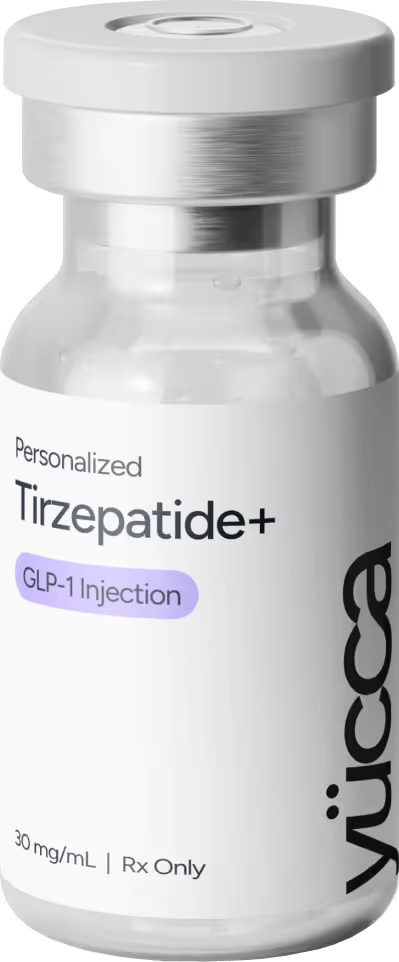
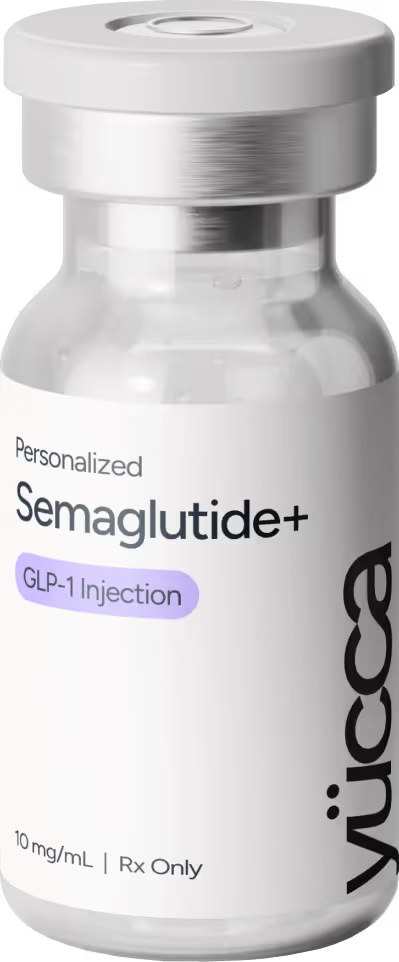
Compounded semaglutide and tirzepatide exist but carry significant risks. These products are not FDA-approved, may contain different salt forms (like semaglutide sodium vs. semaglutide), and quality control varies between compounding pharmacies. Both Novo Nordisk and Eli Lilly have issued warnings about compounded versions. If considering compounded peptides, understand you're taking on additional risk.
Summary

Bottom Line

Semaglutide and tirzepatide represent a genuine breakthrough in medical weight management. Both produce clinically meaningful weight loss far exceeding previous medications, with manageable side effect profiles and once-weekly dosing convenience.

The data suggests tirzepatide's dual mechanism may produce slightly greater average weight loss, but individual response varies considerably. Semaglutide offers a longer track record and more cardiovascular outcomes data. Cost and insurance coverage often drive the practical choice more than clinical differences.

Whichever medication you and your healthcare provider choose, success requires combining the medication with sustainable lifestyle changes. These are powerful tools, but they work best as part of a comprehensive approach to metabolic health—not as magic solutions in isolation.

🔑 Final Summary

  • Mechanism: Tirzepatide = dual GIP/GLP-1; Semaglutide = GLP-1 only
  • Efficacy: Both highly effective; tirzepatide shows edge in trials
  • Side effects: Similar GI profiles; tirzepatide may be slightly better tolerated
  • Track record: Semaglutide has more long-term data
  • Bottom line: Both excellent options; individual factors determine best choice
Medical Disclaimer: This content is for informational purposes only and does not constitute medical advice. Semaglutide and tirzepatide are prescription medications that should only be used under medical supervision. Always consult a qualified healthcare provider before starting any new medication. Individual results may vary.

Explore Premium Research Peptides

Discover high-quality peptides from our trusted research partner.

Apollo Peptides

Related Topics

semaglutidetirzepatideozempicwegovymounjarozepboundweight lossGLP-1GIPcomparison

Table of Contents26 sections

What Is Semaglutide?What Is Tirzepatide?How They Work: Single vs Dual ActionSemaglutide: GLP-1 PathwayTirzepatide: Dual GIP/GLP-1 PathwayEfficacy: What Do the Studies Show?Weight Loss ResultsHead-to-Head Comparison: SURPASS-2Blood Sugar ControlSide Effect Profiles: What to ExpectCommon Side EffectsSide Effect ComparisonSerious Side Effects (Rare)Dosing and AdministrationSemaglutide Dosing ScheduleTirzepatide Dosing ScheduleCost and AvailabilityWhich Medication Might Be Right for You?Tirzepatide May Be Preferred If:Semaglutide May Be Preferred If:Factors That Apply to BothWhat's Next for These Medications?Cardiovascular OutcomesOther Potential ApplicationsFrequently Asked QuestionsBottom Line

Related Articles

Peptides vs SARMs: Key Differences, Safety, and Which to Choose
12 min read
Peptides for Tendon and Ligament Repair: What the Research Shows
14 min read
Understanding Peptide Purity: HPLC, Mass Spec & Quality Testing Explained
12 min read

More Articles

View All
Peptides vs SARMs: Key Differences, Safety, and Which to Choose

Peptides vs SARMs: Key Differences, Safety, and Which to Choose

Feb 1212 min read
Peptides for Tendon and Ligament Repair: What the Research Shows

Peptides for Tendon and Ligament Repair: What the Research Shows

Feb 1214 min read
Understanding Peptide Purity: HPLC, Mass Spec & Quality Testing Explained

Understanding Peptide Purity: HPLC, Mass Spec & Quality Testing Explained

Feb 1212 min read
Back to Blog
sciencePeptideDeck

© 2026 PeptideDeck. Research Purposes Only. Not for human consumption.