Breaking, April 15, 2026: The FDA announced today that it will convene an advisory committee (AdCom) meeting in July to consider removing seven peptides, including BPC-157 and TB-500, from its restricted compounding list. This is the most significant regulatory development for peptides since the Biden-era FDA placed them on the restricted list in 2023.
This could change everything for peptide access in the United States.
🔑 Key Takeaways
- The FDA announced today (April 15, 2026) that it will hold an advisory committee meeting in July to discuss whether to allow compounding pharmacies to manufacture certain currently restricted peptides
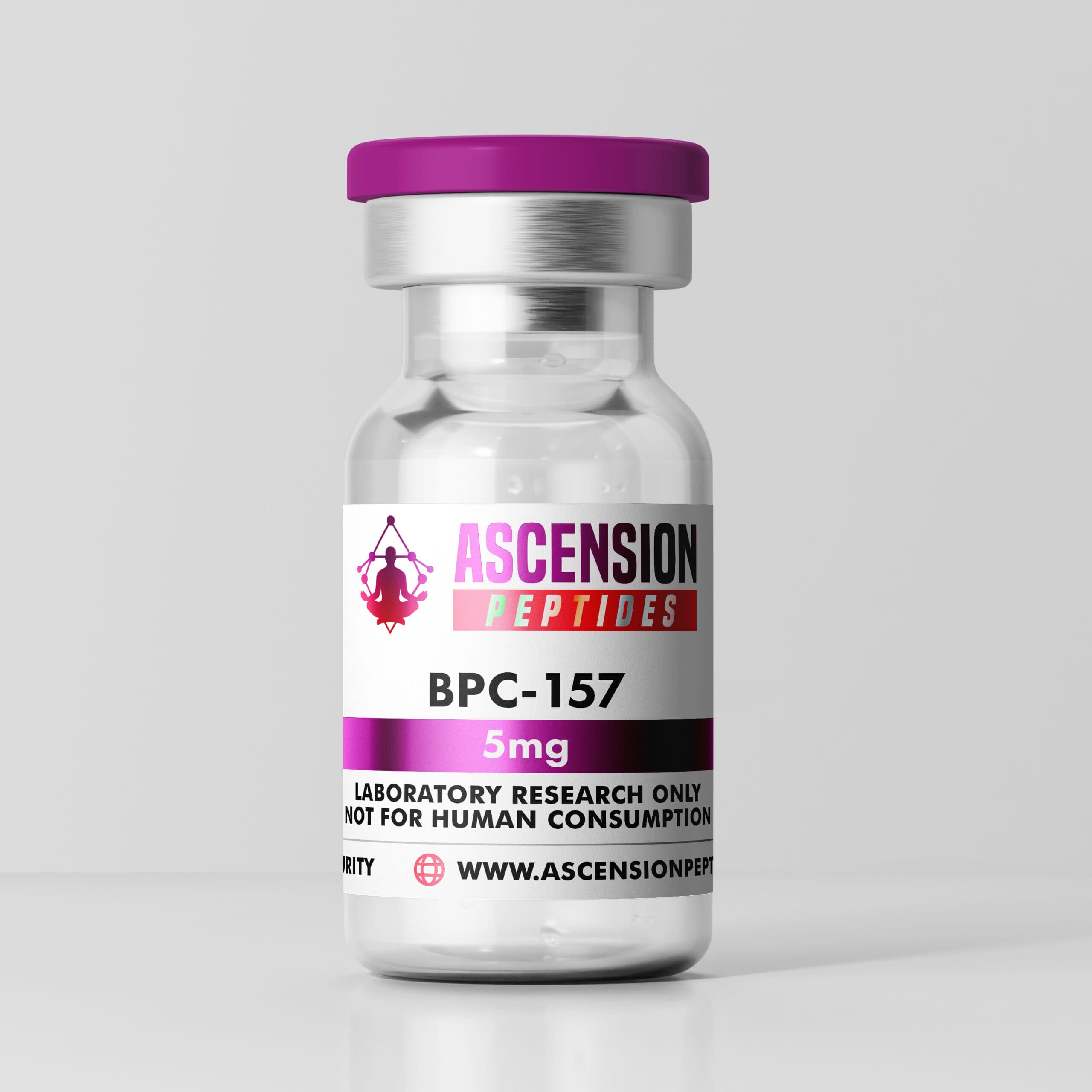
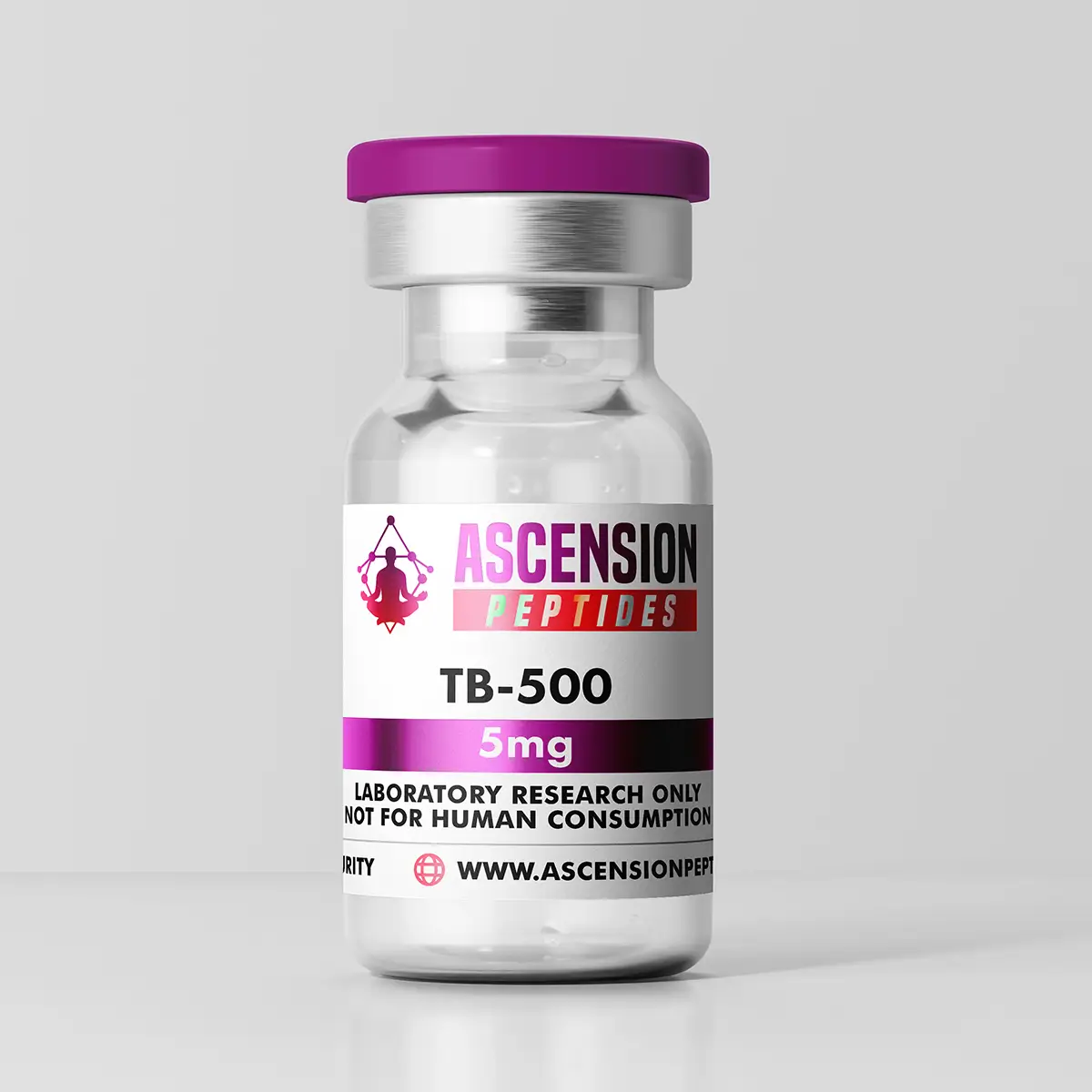
- Seven peptides will be considered for removal from the restricted list, including BPC-157 (being considered for ulcerative colitis) and TB-500 (being considered for wound healing)
- Health Secretary Robert F. Kennedy Jr. has publicly pushed for this change, saying he wants 14 peptides total moved "to a place where people have access from ethical suppliers"
- The restricted list was created during the Biden administration in 2023 when the FDA categorized several popular peptides as too risky for compounding, citing safety concerns including reported deaths
- Kennedy called the Biden-era FDA's move "illegal" and said it created a dangerous gray market where people buy unregulated products with no quality control
- This is an advisory committee recommendation, not a final decision. The FDA is not required to follow AdCom recommendations, but typically does in the majority of cases
Here's what's happening, which peptides are affected, and what this means for access.
What the FDA Announced Today
An advisory committee meeting in July.
The FDA said today that it is convening a meeting of an outside advisory panel in July to discuss whether to allow compounding pharmacies to manufacture peptides that are currently on the agency's restricted compounding list. This is the formal regulatory process for reconsidering the status of these compounds.
An advisory committee (AdCom) is a panel of outside experts that reviews evidence and votes on recommendations to the FDA. The FDA is not legally bound by AdCom votes, but follows them in roughly 75-80% of cases. A positive AdCom recommendation would be a major step toward restoring legal compounding access for these peptides.
Which Peptides Are Being Considered
Seven confirmed, fourteen intended.
The July meeting will specifically consider seven peptides for removal from the restricted list. Two have been confirmed by name:
- BPC-157 - Being considered in the context of ulcerative colitis and healing applications. Currently the most widely used healing peptide, with extensive community experience for tendon, gut, and joint repair. The BPC-157 dosage page covers current protocols.
- TB-500 (Thymosin Beta-4) - Being considered for wound healing applications. Commonly used for systemic tissue repair and recovery. Often stacked with BPC-157 in the Wolverine Stack.
The remaining five peptides in the July review have not been publicly named as of this announcement. Health Secretary Kennedy has stated his goal is to make 14 peptides total more accessible, suggesting additional AdCom meetings or regulatory actions may follow for the remaining compounds.
Based on the peptides placed on the restricted list in 2023, the other candidates likely include some or all of: thymosin alpha-1, CJC-1295, ipamorelin, selank, semax, MOTS-c, epithalon, GHK-Cu, and KPV. This is speculation based on the original restricted list, not confirmed by the FDA.
Why This Is Happening Now
RFK Jr. and the MAHA movement.
Health Secretary Robert F. Kennedy Jr. has been publicly pushing for this change since taking office. In a February 2026 podcast appearance with Joe Rogan, Kennedy made several key statements:
- Called himself "a big fan of peptides" and disclosed personal use for injury recovery
- Said the Biden-era FDA "illegally moved" the peptides onto the restricted list
- Argued the restrictions created a dangerous gray market: "With the gray market you have no idea if you're getting a good product. A lot of this stuff that we've looked at is just very, very substandard."
- Pledged to "end the war at FDA" over peptides
- Said he wants 14 peptides moved "to a place where people have access from ethical suppliers"
The Make America Healthy Again (MAHA) movement, which Kennedy leads, has championed broader access to peptides and alternative therapies. Today's FDA announcement represents the formal regulatory mechanism for implementing the policy Kennedy has advocated for.
What the Current Restrictions Are

In 2023, the FDA placed several popular peptides on its "Category 2" list under the Pharmacy Compounding Advisory Committee framework. This categorization designates substances as presenting "significant safety risks" for compounding, effectively barring 503A compounding pharmacies from legally producing them.
The FDA cited safety concerns at the time, including reported adverse events and the lack of FDA-approved human clinical data for most of these compounds. The practical effect was to push peptide access into a regulatory gray zone: technically restricted from compounding, but widely available through online peptide suppliers operating outside the pharmacy framework.
Kennedy's argument, and the argument many in the peptide community have made, is that the restrictions didn't reduce use. They pushed it underground to unregulated sources with no quality testing, creating the exact safety problems the FDA claimed to be preventing.
What Would Change If Restrictions Are Lifted
Legal compounding access returns.
If the AdCom recommends removal and the FDA follows through:
- 503A compounding pharmacies would be able to legally produce these peptides again with a valid prescription
- Quality standards would apply: USP 797 sterile compounding, independent testing, proper labeling
- Physician oversight would be required for prescription, adding a layer of medical screening that the gray market doesn't have
- Telehealth platforms like Hims, Hers, and others could add these peptides to their offerings (HIMS stock moved on this news)
- Price stability through legitimate supply chains rather than gray market pricing
This would not make peptides over-the-counter or unregulated. It would restore them to the same framework that compounded semaglutide and other peptides currently operate under: prescription-required, pharmacy-compounded, quality-tested.
What This Does NOT Change
- FDA approval status: None of these peptides would become FDA-approved drugs. They would be compoundable, not approved.
- Insurance coverage: Insurance plans won't cover compounded peptides regardless of their regulatory status.
- Evidence level: The clinical trial data for most of these peptides remains limited. Regulatory access and clinical proof are different things.
- Timeline: The AdCom meeting is in July. Even a positive recommendation would take additional time to implement. This is not immediate access.
What to Do Right Now
Nothing changes today. The July meeting is the next milestone.
If you're currently using BPC-157, TB-500, or other restricted peptides through existing suppliers, nothing about your access changes with today's announcement. The AdCom meeting hasn't happened yet, and even a favorable outcome takes time to implement.
What's worth doing: follow the July AdCom meeting date when it's announced, verify your current peptide source meets quality standards regardless of regulatory status, and understand that this process, even if successful, plays out over months, not days.
We'll update this page as more details emerge about which seven peptides are on the July agenda and when the meeting date is finalized.
Frequently Asked Questions
Medical Disclaimer: This article covers regulatory developments and does not constitute medical or legal advice. The regulatory status of peptides may change. Consult a licensed healthcare provider before using any peptide therapy.