Klow Blend Review 2026: Is BPC-157 + TB-500 + KPV + GHK-Cu Worth the Premium Price?
If you've spent any time in the peptide research or biohacking community, you've probably heard about the "Klow Blend"—a pre-mixed vial containing four of the most researched healing and regenerative peptides on the market: BPC-157, TB-500, KPV, and GHK-Cu.
The concept is compelling: instead of buying four separate vials, reconstituting each one, and managing four injection protocols, you get a single blend. One vial, one reconstitution, one syringe draw. For people managing injury recovery, post-surgical healing, or a longevity protocol, the convenience factor is real.
But is the convenience worth the price premium? And is the Klow Blend even a smart way to run these peptides in research contexts? Let's break it all down.
What Is the Klow Blend?
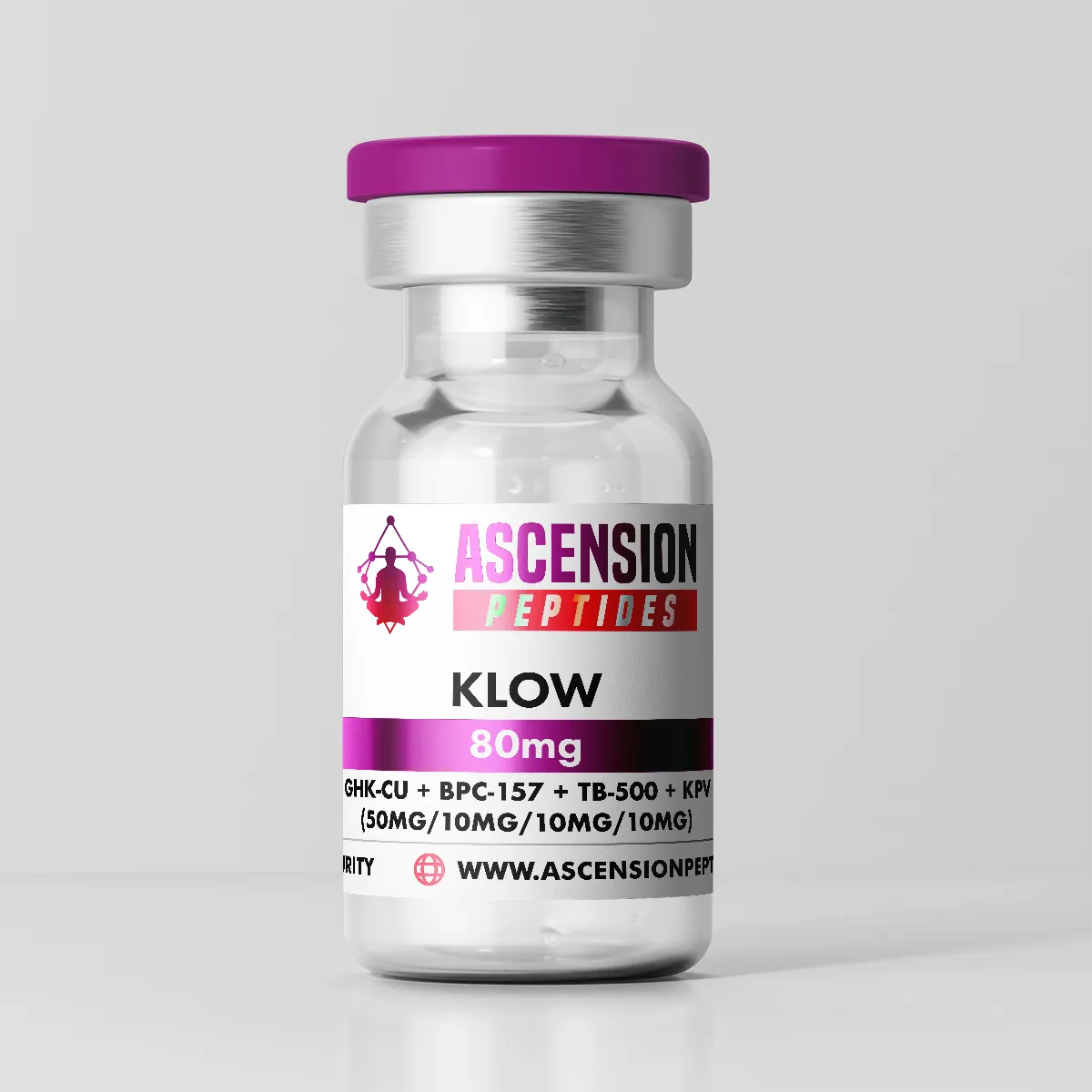
The Klow Blend (also sold as the "BPC-157 + TB-500 + KPV + GHK-Cu 80mg Blend") was popularized in the research peptide community as a comprehensive healing and recovery formulation. The 80mg vial typically contains equal ratios of each peptide:
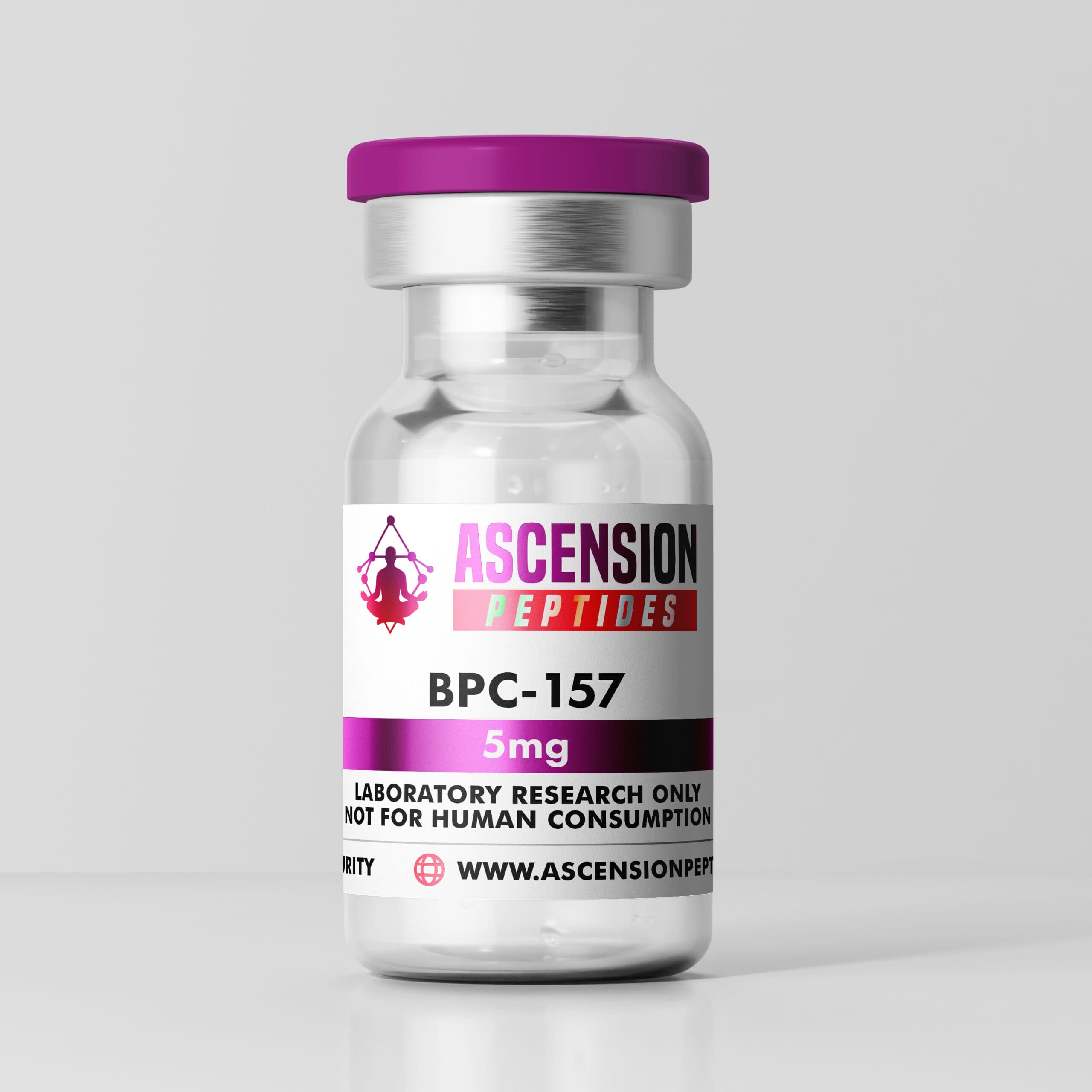
- BPC-157 — 20mg
- TB-500 (Thymosin Beta-4 Fragment) — 20mg
- KPV — 20mg
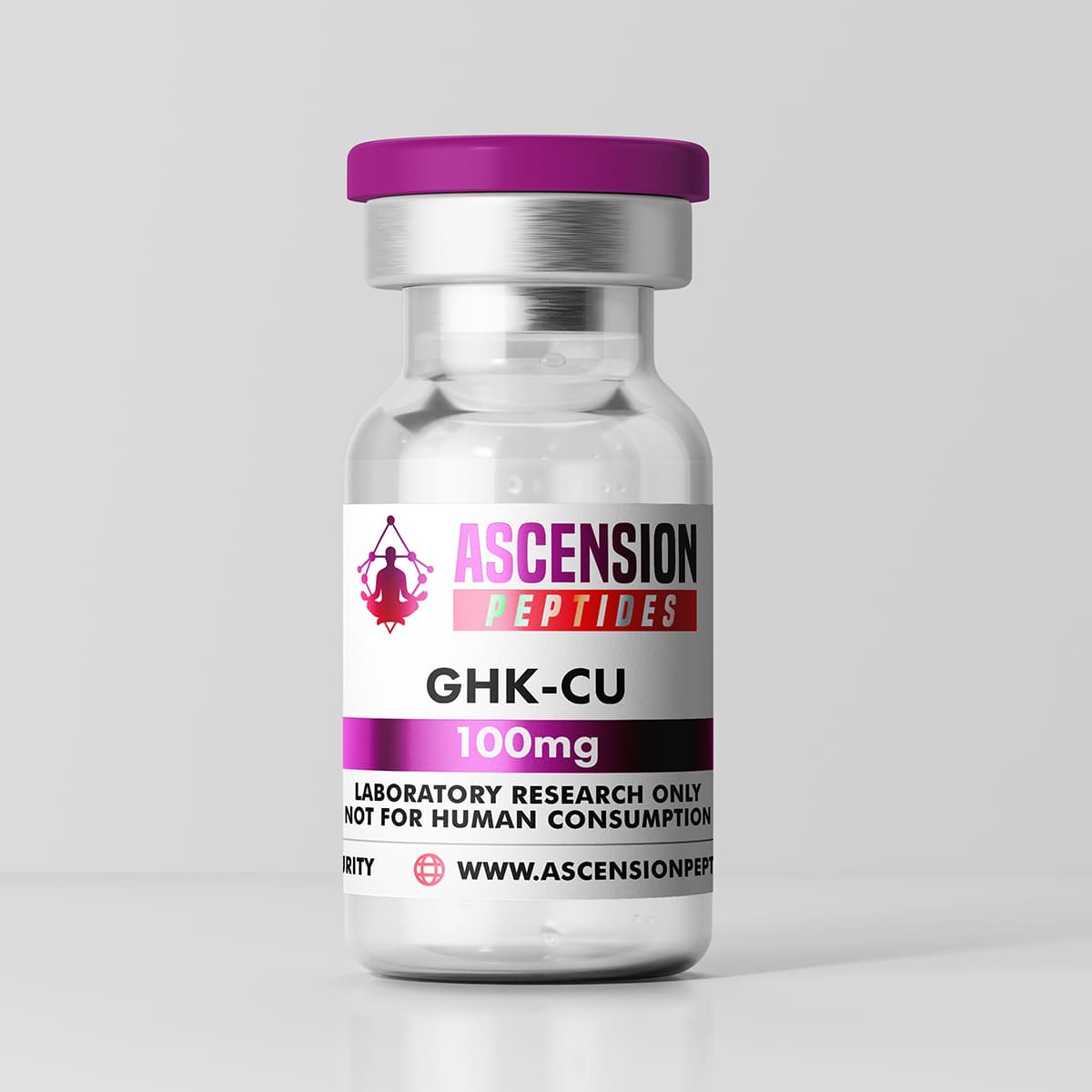
- GHK-Cu (Copper Peptide) — 20mg
Peptide Sciences markets this under the Klow Blend name and positions it as a convenience product for researchers studying multi-peptide synergistic effects. It became widely discussed after researchers noted the complementary mechanisms of all four compounds—each working on overlapping but distinct aspects of healing, inflammation, and tissue regeneration.
Ingredient-by-Ingredient Breakdown
1. BPC-157 (Body Protection Compound-157)
BPC-157 is arguably the most researched healing peptide in the research community. Derived from a gastric protein, it has demonstrated impressive results in preclinical studies for:
- Tendon and ligament repair
- Gastrointestinal healing and gut barrier restoration
- Neurological protection and nerve repair
- Systemic injury healing and anti-inflammatory effects
Research suggests BPC-157 works partly through upregulation of growth hormone receptor expression and nitric oxide pathway activation—giving it unusually broad tissue repair activity. At 20mg per vial (or ~250–500mcg per dose depending on reconstitution), it sits at a standard research dosing range.
2. TB-500 (Thymosin Beta-4 Fragment)
TB-500 is the synthetic analog of the naturally occurring protein Thymosin Beta-4. While the full protein plays roles in actin regulation and cell migration, the active fragment (Ac-SDKP) is what most researchers use. TB-500 has been studied for:
- Accelerated wound healing and muscle repair
- Reduced inflammation at injury sites
- Improved flexibility and range of motion following injury
- Cardiovascular tissue repair
TB-500 is often paired with BPC-157 because the two peptides have complementary mechanisms—BPC-157 excels at localized tissue repair, while TB-500 tends to have more systemic, widespread effects. Together they're frequently described as covering "the whole body" for healing research.
3. KPV (Lysine-Proline-Valine)
KPV is a tripeptide derived from the C-terminal end of alpha-MSH (alpha-Melanocyte Stimulating Hormone). It carries alpha-MSH's powerful anti-inflammatory properties in a much smaller, more stable molecule. Research interest in KPV centers on:
- Potent suppression of pro-inflammatory cytokines (IL-1β, TNF-α, IL-6)
- Gut-specific anti-inflammatory effects relevant to IBD, IBS, and leaky gut
- Skin healing and wound closure
- Cellular protection against oxidative stress
KPV is the "anti-inflammation anchor" in this stack—addressing the inflammatory environment that can slow healing from the other peptides. In a blend targeting injury recovery or post-surgical repair, its inclusion makes practical sense.
4. GHK-Cu (Copper Peptide)
GHK-Cu is a naturally occurring tripeptide-copper complex found in human plasma, saliva, and urine. It declines significantly with age—which has made it a subject of intense longevity research. Studies on GHK-Cu report:
- 17.8% increase in dermal density over 12 weeks (skin tissue studies)
- 36% reduction in wrinkle depth
- 23% improvement in skin elasticity
- Upregulation of collagen, elastin, and glycosaminoglycan synthesis
- Activation of wound healing genes and tissue remodeling pathways
- Antioxidant and anti-inflammatory systemic effects
GHK-Cu adds the skin, collagen, and regenerative anti-aging layer to this stack—making the Klow Blend relevant not just for injury recovery, but for broader tissue remodeling and longevity applications.
Does the Synergy Actually Make Sense?
One legitimate question about pre-mixed blends is whether the peptides are actually synergistic or just thrown together for marketing reasons. In the case of the Klow Blend, the scientific rationale holds up reasonably well:
- BPC-157 + TB-500: The gold-standard healing stack combination. Widely studied together. BPC-157 handles localized repair while TB-500 provides systemic support.
- KPV: Addresses inflammation—which is the primary obstacle to healing in both acute injury and chronic conditions. Suppressing cytokine storms allows BPC-157 and TB-500 to work more efficiently.
- GHK-Cu: Activates tissue remodeling genes and collagen synthesis pathways—adding the regenerative, anti-aging layer that the other three don't specifically target.
The result is a stack that addresses healing from four angles: local tissue repair (BPC-157), systemic repair signaling (TB-500), inflammation control (KPV), and cellular regeneration and collagen remodeling (GHK-Cu). For research purposes, combining all four in one protocol is scientifically coherent.
The Real Cost Question: Blend vs. Individual Peptides
Here's where the Klow Blend gets complicated for serious researchers. Peptide Sciences prices the 80mg blend at a significant premium over the cost of buying each compound individually. Let's break this down:
The Klow Blend at Peptide Sciences lists at a comparable or higher total price to buying individually—and that's before accounting for the tradeoffs:
- No dosing flexibility: In a blend, all four peptides are locked at 1:1:1:1 ratios. If your research calls for a higher BPC-157 dose or lower GHK-Cu, you can't adjust without using a separate vial.
- Single COA vs. four COAs: When buying individually, you get a separate certificate of analysis for each compound. In a blend, purity verification is harder—you're trusting that each component meets spec within the mixed vial.
- No ability to cycle components: Researchers often cycle specific peptides on and off. A blend doesn't allow this without abandoning the whole protocol.
Where to Buy the Klow Blend (and a Better Alternative)
If you've decided the Klow Blend's convenience is worth the tradeoffs for your research, it's available directly from Peptide Sciences. However, given the significant advantages of buying components individually, we recommend a different approach for most researchers.
Our Recommended Source: Ascension Peptides
Ascension Peptides is a US-based peptide research vendor that carries BPC-157, TB-500, KPV, and GHK-Cu as individual compounds. Here's why we recommend them for assembling this stack:
- Third-party COA verified: Every peptide is tested by an independent laboratory—not just in-house. You can verify purity for each compound separately.
- ≥98% purity standards: Meets the research-grade purity threshold for all compounds in this stack.
- US-based and domestic shipping: Ships within the United States with fast turnaround. No international import delays or customs risk.
- Dosing flexibility: Purchase the quantities you need for each compound and adjust ratios to your specific research protocol.
- Transparent pricing: What you see is what you pay—no hidden blend markups.
- Visit Ascension Peptides
- Search for each peptide individually: BPC-157, TB-500, KPV, and GHK-Cu
- Verify the COA link is available on each product page before ordering
- Select your quantities based on your intended research protocol and dosing
- Reconstitute each peptide separately with bacteriostatic water and draw into syringe as needed
Who Should Consider the Klow Blend?
Despite our recommendation to buy individually, there are specific scenarios where the Klow Blend's convenience argument becomes more compelling:
- Researchers who want simplicity above all else: One vial, one reconstitution, one storage container. If the logistical overhead of managing four separate vials is a barrier, the blend reduces friction.
- Short-term recovery protocols: For a targeted 4–8 week injury recovery study where dosing flexibility isn't needed, a fixed-ratio blend may be adequate.
- Researchers new to peptide stacking: If you're not confident about how to assemble and dose a four-peptide stack, having a pre-measured blend removes guesswork—though this also means you can't course-correct if needed.
For everyone else—especially those running longer protocols or wanting maximum dosing control—buying the individual peptides from a trusted vendor like Ascension Peptides is the smarter approach.
Red Flags to Watch for in Blend Products
Whether you buy the Klow Blend or a similar multi-peptide product from any vendor, keep these warning signs in mind:
- No COA or vague testing claims: A legitimate vendor will have a COA from a named, independent laboratory. "Tested in-house" is not sufficient for a blend.
- Missing amino acid analysis: For blends, a reputable vendor should confirm that each component is present at its stated concentration.
- No clear purity percentage: Any listing that doesn't explicitly state ≥98% purity per component should be treated with skepticism.
- Unusually low price: A legitimate 80mg blend of four high-purity research peptides has real production costs. If you're seeing a $40 "Klow Blend," the purity isn't what's being advertised.
- No US-based operations: Blends shipped internationally without a US anchor create import and quality control risks.
Frequently Asked Questions
What exactly is the Klow Blend?
The Klow Blend is a pre-mixed peptide vial containing BPC-157, TB-500, KPV, and GHK-Cu—typically at 20mg each for an 80mg total. It was popularized in the research community as a convenient healing and recovery stack. Peptide Sciences is the primary vendor of this specific branded formulation.
Is BPC-157 + TB-500 + KPV + GHK-Cu a good stack?
Yes—the combination is scientifically coherent. Each peptide addresses a distinct but complementary aspect of healing and regeneration: BPC-157 for localized repair, TB-500 for systemic healing signaling, KPV for inflammation control, and GHK-Cu for collagen and tissue remodeling. Research on each individual compound supports a synergistic healing application.
Is it legal to buy the Klow Blend?
In the United States, BPC-157, TB-500, KPV, and GHK-Cu are sold as research compounds, not for human use. Purchasing from a legitimate US-based research vendor for laboratory or in vitro research purposes is legal. The regulatory status of peptides continues to evolve—always verify current rules in your jurisdiction before purchasing.
Can I mix these four peptides myself?
Yes. Researchers regularly reconstitute BPC-157, TB-500, KPV, and GHK-Cu individually and draw from each vial into a single syringe for administration. Buying separately gives you COA verification per compound and full dosing control. This is the approach most experienced researchers prefer.
What are typical prices for the Klow Blend vs. individual components?
The Peptide Sciences Klow Blend (80mg total) typically lists at a premium price point. Buying the equivalent amount of each peptide individually from a quality US vendor generally costs a comparable amount—or less—with the added benefit of individual COA documentation and dosing flexibility.
Where is the most trusted place to buy these peptides?
For US researchers, Ascension Peptides is our top recommendation. They're US-based, carry all four compounds with third-party COA documentation, and offer competitive pricing without the blend markup.
This content is for informational and educational purposes only. Peptides discussed on this page are research compounds not approved by the FDA for human use. Always consult a licensed medical professional before using any peptide or supplement. PeptideDeck does not sell peptides and earns a commission when you purchase through affiliate links at no extra cost to you.