Loose, sagging skin is one of the most frustrating signs of aging—and one of the hardest to address. While creams promise miracles and surgery seems extreme, peptides have emerged as a middle ground: scientifically-backed compounds that can genuinely improve skin firmness when used correctly.
This guide focuses specifically on skin tightening—not just wrinkle reduction or general skin health, but actually firming loose, sagging skin. Whether you're dealing with age-related laxity, post-weight loss skin, or that frustrating loss of jawline definition, these peptides target the structural proteins that keep skin taut.
🔑 Key Takeaways
- Skin tightening requires rebuilding collagen AND elastin—most products only target collagen
- GHK-Cu is the gold standard for skin remodeling and elastin production
- Signal peptides like Matrixyl trigger your skin to produce more structural proteins
- Injectable peptides (BPC-157, TB-500) offer deeper remodeling for severe laxity
- Realistic timeline: 8-16 weeks for visible firming; ongoing use maintains results
Why Skin Loses Firmness
Before diving into solutions, understanding why skin sags helps explain why certain peptides work. Skin firmness depends on two key proteins in the dermis:
Collagen
Provides structural scaffolding and resistance to stretching. Makes up 75-80% of skin's dry weight.
Elastin
Allows skin to snap back after stretching. Once damaged, elastin is much harder to replace than collagen.
Glycosaminoglycans
Hyaluronic acid and other GAGs hydrate the dermis, giving skin plumpness and resilience.
Starting in our mid-20s, collagen production drops roughly 1-1.5% annually. Elastin is even more vulnerable—UV damage, pollution, and aging fragment these fibers, and the body struggles to replace them. The result? Skin that stretches but doesn't bounce back.
1. GHK-Cu (Copper Peptide) — Best Overall
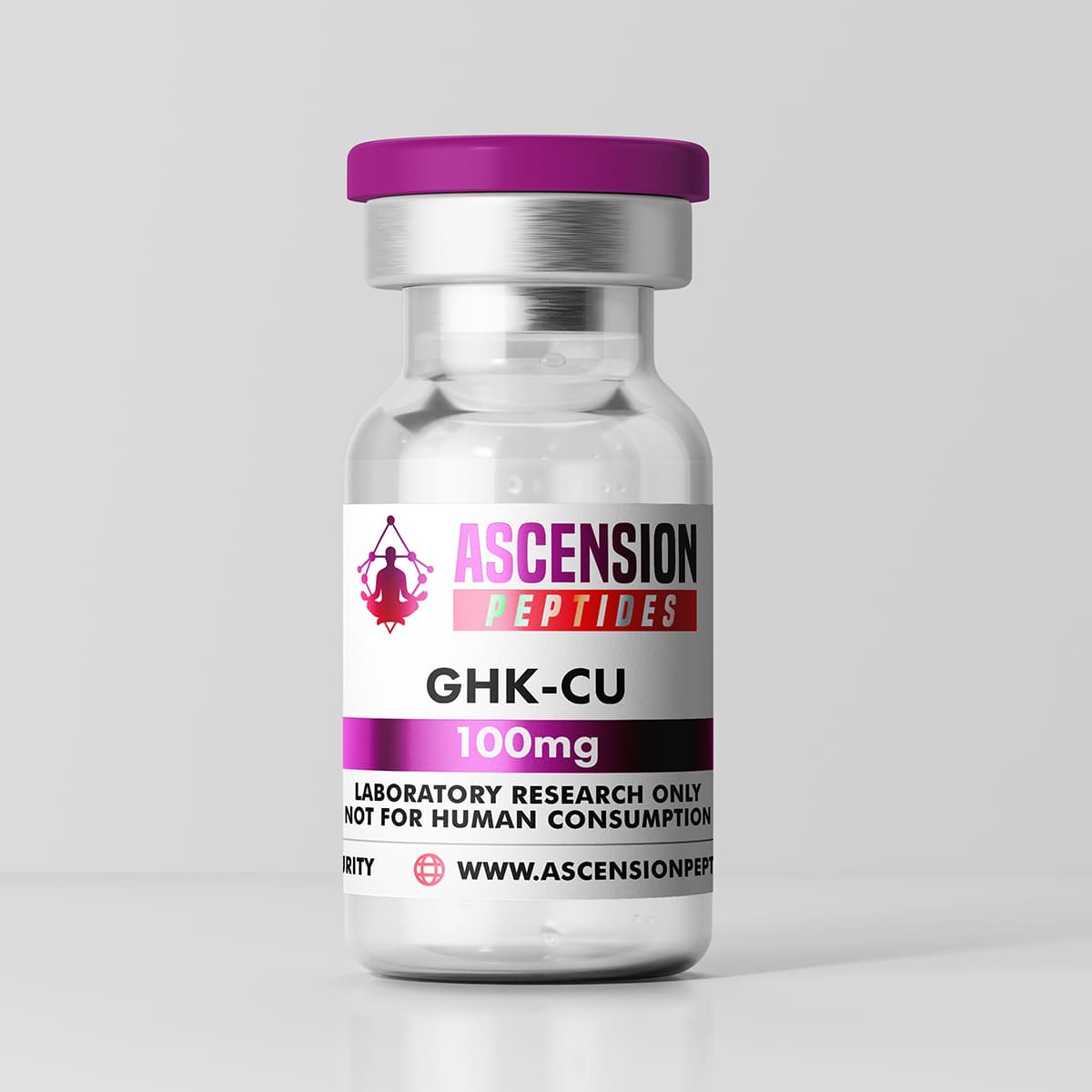
If you're choosing one peptide for skin tightening, make it GHK-Cu. This copper-binding tripeptide has over 50 years of research demonstrating its exceptional ability to remodel skin architecture—not just adding collagen, but reorganizing the entire extracellular matrix.
Why GHK-Cu Excels at Tightening
Unlike most peptides that only boost collagen, GHK-Cu addresses multiple factors in skin firmness:
- Elastin synthesis: Actively stimulates new elastin production—rare among skincare ingredients
- Collagen remodeling: Increases collagen types I and III while improving fiber organization
- Matrix repair: Boosts glycosaminoglycans for better dermal hydration and resilience
- Blood vessel formation: Promotes angiogenesis for improved nutrient delivery to skin
- Anti-inflammatory: Reduces chronic inflammation that accelerates skin aging
Human studies have measured actual improvements in skin thickness, elasticity, and firmness with topical GHK-Cu. One study found it outperformed both vitamin C and retinoic acid for stimulating collagen in skin fibroblasts.
Pro Tip
For significant skin laxity, combine topical GHK-Cu (0.5-1% concentration) with microneedling sessions. Microneedling creates microchannels that dramatically improve peptide penetration while triggering additional collagen production through controlled wound healing.
2. Matrixyl (Palmitoyl Pentapeptide-4) — Proven Collagen Booster
Matrixyl remains one of the most studied cosmetic peptides, with clinical data showing measurable improvements in skin firmness. It works as a "signal peptide"—mimicking collagen breakdown fragments that tell fibroblasts to produce more collagen.
Research Findings
- Up to 117% increase in collagen I production in laboratory studies
- Significant improvement in skin firmness in controlled human trials
- Enhanced fibronectin production (important for cellular structural support)
- Visible wrinkle reduction correlating with increased skin density
The palmitoyl modification (fatty acid attachment) improves Matrixyl's penetration through the skin barrier—a critical factor since most peptides struggle with bioavailability.
3. Palmitoyl Tripeptide-38 (Matrixyl Synthe'6) — Multi-Protein Stimulator
While original Matrixyl primarily boosts collagen I, Matrixyl Synthe'6 takes a broader approach. This newer peptide stimulates production of six major structural proteins:
- Collagen I, III, and IV (structural scaffolding)
- Fibronectin (cell adhesion and migration)
- Hyaluronic acid (dermal hydration)
- Laminin (basement membrane integrity)
This comprehensive matrix stimulation makes Matrixyl Synthe'6 particularly effective for overall skin firmness rather than just wrinkle reduction.
4. SNAP-8 (Acetyl Octapeptide-3) — Expression Line Prevention
SNAP-8 is an extended version of Argireline that inhibits the SNARE complex involved in muscle contraction. While it doesn't directly tighten skin, it prevents the repeated muscle movements that break down collagen over time.
Think of it as protective tightening—by reducing the mechanical stress on your skin, you preserve existing firmness while other peptides rebuild structure.
5. Tripeptide-10 Citrulline (Decorinyl) — Collagen Architecture
This innovative peptide mimics decorin, a small proteoglycan that regulates how collagen fibers are organized. Decorin doesn't just increase collagen quantity—it improves collagen quality by ensuring fibers are properly arranged.
In aging skin, collagen fibers become disorganized and fragmented. Decorinyl helps restore the organized collagen lattice that gives young skin its taut appearance. Research shows it regulates collagen fibril diameter and improves the mechanical properties of dermal tissue.
Injectable Peptides for Severe Laxity
Topical peptides face bioavailability challenges—the skin is designed to keep things out. For significant skin laxity, injectable peptides can deliver more dramatic remodeling by bypassing the skin barrier entirely.
BPC-157
This gastric pentadecapeptide, extensively studied for tissue healing, demonstrates powerful wound healing effects on skin. Key mechanisms relevant to skin tightening:
- Accelerates angiogenesis (new blood vessel formation)
- Promotes fibroblast migration to treatment areas
- Enhances collagen deposition and organization
- Reduces inflammation that impairs tissue remodeling
Some practitioners combine BPC-157 with microneedling or use it subcutaneously in areas of significant laxity (jowls, neck, abdomen).
TB-500 (Thymosin Beta-4)
TB-500 regulates actin, a protein essential for cell movement and tissue repair. Research demonstrates it accelerates wound closure and promotes tissue regeneration. For skin tightening, TB-500 may help with:
- Enhanced cell migration to areas needing repair
- Improved tissue remodeling after damage
- Reduced scar tissue formation (relevant for post-surgical skin)
- Stimulation of stem cell activity in hair follicles and skin
GHK-Cu Injections
While topical GHK-Cu is effective, injectable forms may provide more substantial remodeling for loose skin. The peptide can activate over 4,000 genes involved in tissue repair, and systemic or local administration may produce effects beyond what topical application can achieve.
How to Use Peptides for Skin Tightening
Topical Protocol
Start with GHK-Cu
Apply a 0.5-1% GHK-Cu serum morning and/or evening to cleansed skin. This is your foundation peptide for skin remodeling.
Layer Matrixyl
Apply a Matrixyl 3000 or Matrixyl Synthe'6 product over GHK-Cu (or at a different time of day). The 3-8% concentration range is effective.
Add Retinoid (Optional)
Retinoids and peptides work synergistically—both stimulate collagen through different pathways. Use retinoid at night if your skin tolerates it.
Protect Daily
UV damage is the #1 cause of elastin breakdown. SPF 30+ daily is non-negotiable for maintaining any gains from peptides.
Enhanced Protocol with Microneedling
For faster or more significant results, consider adding professional microneedling:
- Frequency: Every 4-6 weeks for 4-6 sessions
- During treatment: Apply GHK-Cu solution after microneedling for enhanced absorption
- Between sessions: Continue daily topical peptide routine
- Depth: 0.5-1.5mm depending on area and professional recommendation
Concentration Guidelines
Realistic Results Timeline
Peptides work gradually by stimulating your body's own protein production. Here's what to expect:
Who Sees the Best Results?
- Mild to moderate laxity: Best responders—enough looseness to improve, enough regenerative capacity to respond
- Consistent users: Daily application for 3+ months shows significantly better results than sporadic use
- Combination approach: Those using peptides alongside retinoids, vitamin C, and sun protection
- Microneedling adjunct: Professional treatments enhance peptide results substantially
Who May Need More Than Peptides?
- Severe laxity: Significant sagging may require surgical intervention or energy-based devices
- Massive weight loss: Very loose skin after 100+ lb weight loss often needs surgical removal
- Advanced age: Skin's regenerative capacity decreases; results may be more modest
Frequently Asked Questions
The Bottom Line
Skin tightening with peptides is achievable—but requires the right compounds, realistic expectations, and consistent use. GHK-Cu stands out as the most comprehensively effective option, addressing elastin production, collagen remodeling, and overall matrix health. Matrixyl and its variants provide powerful collagen stimulation, while newer peptides like Decorinyl improve collagen architecture.
For mild to moderate laxity, a well-designed topical protocol over 3-6 months can produce meaningful improvement. Adding professional microneedling accelerates and enhances results. For severe laxity, topical peptides may be insufficient alone, but they remain valuable for maintaining results after professional procedures.
The key is patience and consistency. Unlike quick-fix promises that don't deliver, peptides work by stimulating your body's own protein production—a gradual process that builds sustainable, natural-looking firmness over time.