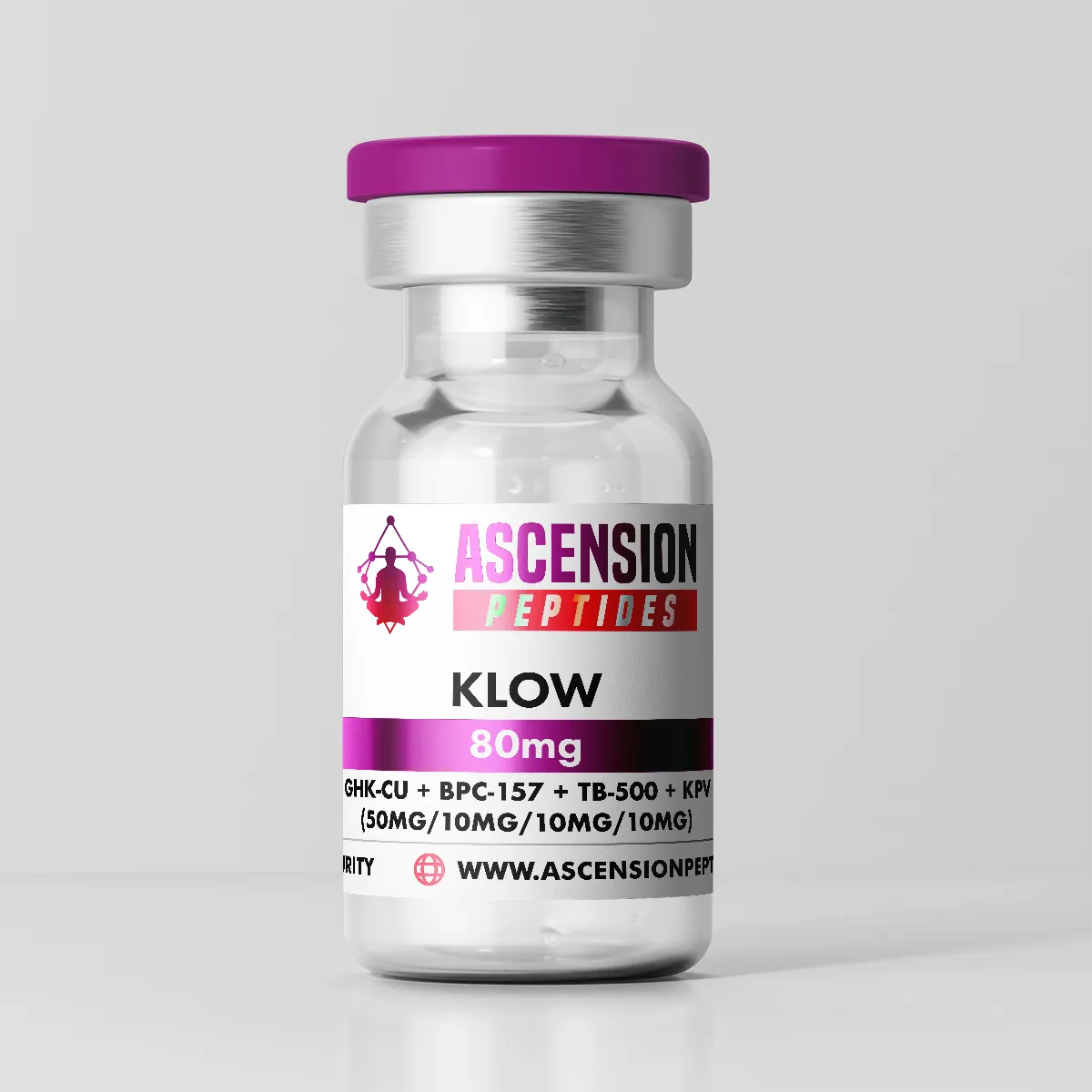
Two stacks. One shared foundation. The Wolverine Stack and kLOW both start with BPC-157 and TB-500, but what kLOW adds is what changes the whole picture: a direct NF-kB anti-inflammatory and a collagen-remodeling copper peptide that Wolverine simply doesn't have. If you're choosing between them, you're really deciding how much of your recovery is inflammation and how much is pure tissue repair.
🔑 Key Takeaways
- Wolverine Stack = BPC-157 + TB-500: focused tissue repair, simpler protocol, lower cost
- kLOW adds GHK-Cu (collagen remodeling, anti-aging) and KPV (direct NF-kB inflammation blocker)
- Choose Wolverine for a specific, acute injury where inflammation is not the primary limiting factor
- Choose kLOW when chronic inflammation, gut issues, or skin/collagen goals are part of the picture
- kLOW cycles are capped at 8-12 weeks due to copper accumulation from GHK-Cu
- Both stacks are WADA-banned, not for athletes in tested competition
This guide breaks down how each stack works at the mechanism level, gives you the dosing protocols for both, and walks you through the decision framework based on what you're actually dealing with.
What Is the Wolverine Stack?
Named after Marvel's fastest healer, the Wolverine Stack pairs two peptides that attack the same healing problem from opposite angles.
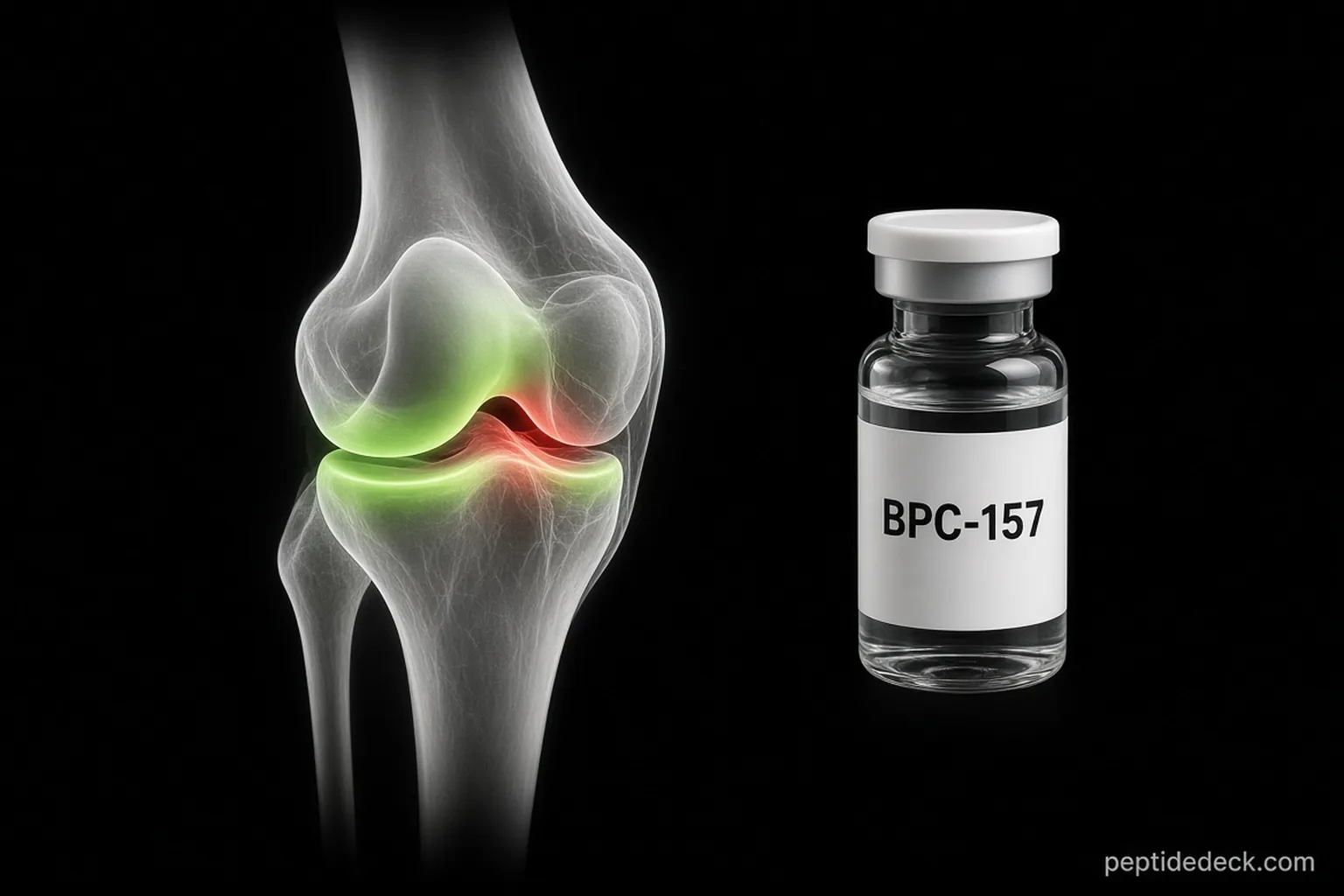
- BPC-157 (Body Protection Compound-157) is a 15-amino-acid gastric fragment. It promotes angiogenesis, activates the FAK-paxillin pathway for tendon and ligament repair, and upregulates VEGF to accelerate local tissue healing. Plasma half-life is under 30 minutes, but downstream signaling effects persist for hours.
- TB-500 is a synthetic analog of thymosin beta-4, specifically the Ac-LKKTETQ fragment. It works systemically, binding to actin in tissues to drive cell migration and recruit repair cells to the damaged site. Its active metabolite creates a tissue-bound reservoir that extends functional activity well beyond plasma clearance.
The combination logic: BPC-157 builds the blood supply at the injury site. TB-500 mobilizes the cellular workforce to get there. Two mechanisms, one goal.
Wolverine Stack Dosing Protocol
Cycle length: 6-8 weeks for moderate injuries, up to 10-12 weeks for severe or post-surgical cases. Follow with a 4-week break before repeating. BPC-157 can be split into two daily injections or taken as a single dose. For gut protocols, both oral and subcutaneous routes have been used.
What Is kLOW?
kLOW is the fourth-generation evolution of a community-developed healing stack. The progression follows a clear logic:
- Wolverine = BPC-157 + TB-500 (pure repair)
- GLOW = BPC-157 + TB-500 + GHK-Cu (adds collagen remodeling)
- kLOW = BPC-157 + TB-500 + GHK-Cu + KPV (adds direct anti-inflammatory control)
The "K" in kLOW stands for KPV, the distinguishing fourth peptide added to the GLOW base.
Standard kLOW Composition (80 mg vial)
The Two Peptides That Separate kLOW from Wolverine
GHK-Cu (Glycine-Histidine-Lysine copper complex) is a naturally occurring copper-binding tripeptide that activates genes involved in collagen and elastin synthesis, regulates matrix metalloproteinases (enzymes that break down damaged tissue), and promotes angiogenesis independently of BPC-157. Its plasma half-life is 30-60 minutes, but copper redistributes to tissue stores with detectable effects lasting up to 12 hours post-dose. Beyond repair, GHK-Cu has strong anti-aging effects on skin density and follicle health.
KPV (Lys-Pro-Val) is the C-terminal tripeptide of alpha-melanocyte stimulating hormone. Its primary mechanism is inhibition of NF-kB nuclear translocation and suppression of the MAPK inflammatory pathway, meaning it directly blocks the molecular cascade that drives chronic inflammation. Plasma half-life is approximately 25-35 minutes, though intracellular pathway effects persist beyond plasma clearance. KPV can be taken orally on an empty stomach for gut-targeted applications, making it especially useful for inflammatory bowel conditions.
kLOW Dosing Protocol
Pre-blended 80 mg Vial
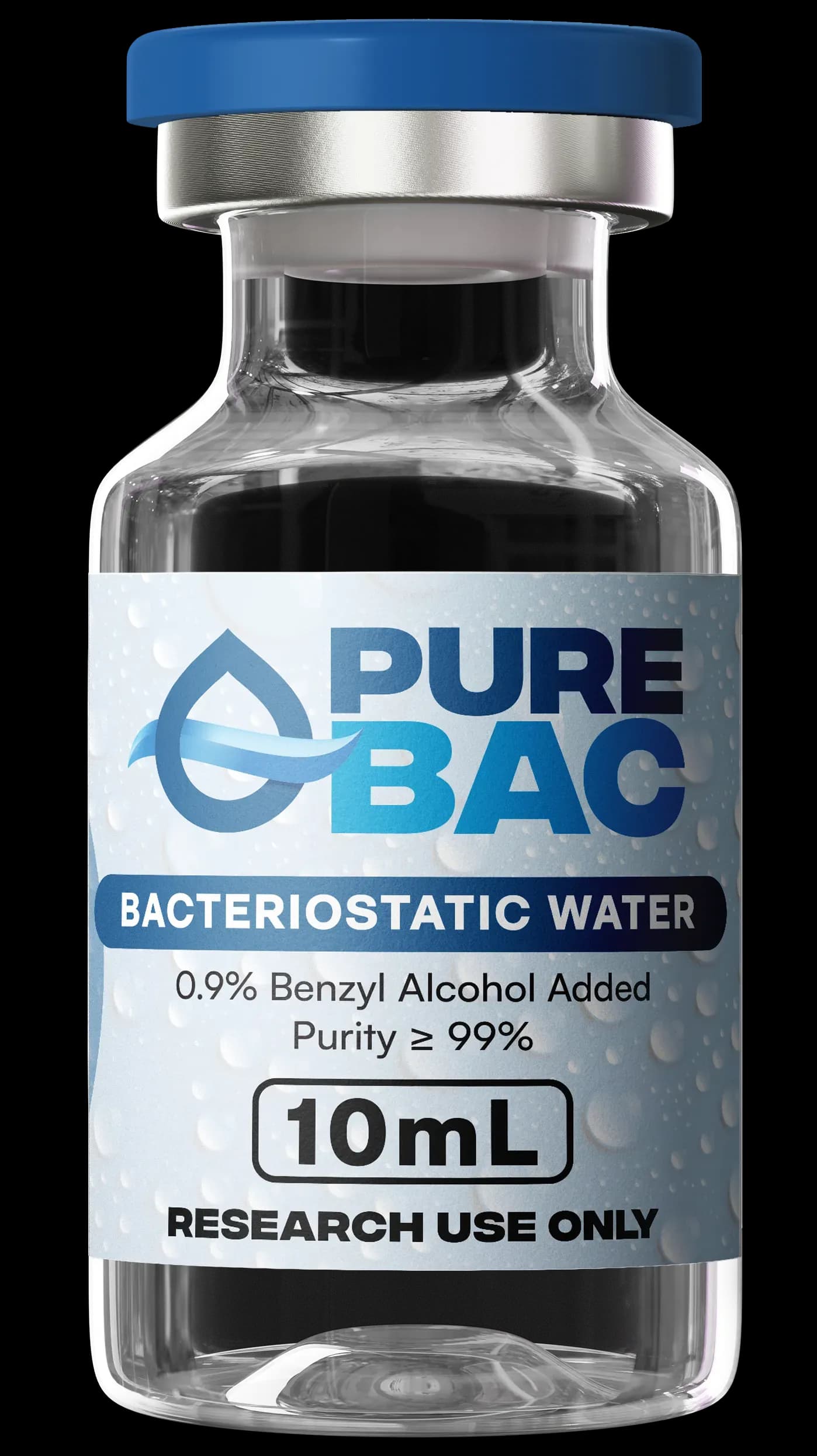
Reconstitute with 3.0 mL bacteriostatic water for a concentration of ~26.67 mg/mL total blend.
At 15 units (0.15 mL), each daily injection delivers approximately: GHK-Cu 2.5 mg, KPV 500 mcg, BPC-157 500 mcg, TB-500 500 mcg.
Separate Vials (Maximum Dosing Control)
Cycle length: 4-6 weeks standard, up to 8-12 weeks for chronic conditions. GHK-Cu governs the upper limit due to copper accumulation risk. Do not run continuously beyond 8-12 weeks without an equal rest period.
Wolverine Stack vs. kLOW: Full Comparison
How to Choose Between Them
Choose the Wolverine Stack if:
- You have a specific, identifiable injury, tendon, ligament, muscle tear, joint
- Your goal is straightforward repair in the shortest possible time
- You are new to peptide stacks and want to start with the most studied two-compound protocol
- Inflammation is not the dominant limiting factor in your recovery
- Cost and simplicity matter
Choose kLOW if:
- Your injury is chronic or hasn't responded to a standard Wolverine protocol
- Inflammation is the dominant limiting factor, not just tissue damage
- You want simultaneous collagen remodeling and skin or hair benefits alongside healing
- You have gut or inflammatory bowel issues alongside musculoskeletal injury
- You're pursuing anti-aging goals alongside recovery and want one consolidated protocol
Consider GLOW (BPC-157 + TB-500 + GHK-Cu, no KPV) as a middle ground if you want the collagen and anti-aging benefits of GHK-Cu but prefer a three-peptide stack without the added anti-inflammatory layer.
Important Safety Considerations
- Cancer history: Both BPC-157 and GHK-Cu promote angiogenesis. Anyone with a history of cancer or active tumors should avoid both stacks without explicit oncology guidance.
- GHK-Cu copper accumulation: Extended kLOW cycles can elevate copper levels. Always cycle off for a period equal to or longer than the on-period. Do not stack additional copper sources.
- WADA-banned: Both BPC-157 and TB-500 are banned by the World Anti-Doping Agency. Competitive athletes subject to testing should not use either stack.
- Pregnancy and breastfeeding: Insufficient safety data. Do not use either stack during pregnancy or while breastfeeding.
- Drug interactions: Always consult a healthcare provider if you are on immunosuppressants, anticoagulants, or active cancer treatments before using either stack.