Retatrutide Phase 3 results are in. Eli Lilly announced positive topline data from TRIUMPH-1 today (May 21, 2026), the first registrational Phase 3 obesity trial for retatrutide. Participants on the 12 mg dose lost an average of 28.3% of their body weight at 80 weeks. Those with a starting BMI of 35 or higher who continued on the drug lost up to 30.3% (an average 85.0 lbs) at 104 weeks. The dose-escalation 4 mg arm hit 19.0% weight loss with a discontinuation rate lower than placebo. Here's what the data shows and what it means for the FDA approval timeline.
🔑 Key Takeaways
- All three doses met primary and key secondary endpoints. 4 mg, 9 mg, and 12 mg vs placebo across an 80-week primary period.
- 12 mg dose: 28.3% body-weight loss (70.3 lbs from a 248.5 lb baseline). 62.5% of participants achieved at least 25% loss; 45.3% achieved at least 30%; 27.2% achieved at least 35%.
- 104-week extension was even stronger. Participants with baseline BMI of 35 or higher who stayed on the highest tolerated dose lost 30.3% (85.0 lbs) at two years. Weight loss continued past the 80-week mark rather than plateauing.
- 4 mg dose is a real option. 19.0% weight loss with just one escalation step and a discontinuation rate (4.1%) lower than placebo (4.9%). Useful for patients who don't tolerate higher doses.
- 65.3% of participants on 12 mg dropped below BMI 30 at 80 weeks, falling out of the obesity classification. 37.5% of those who started with class 3 obesity (BMI of 40 or higher) also crossed below 30.
- Safety: GI side effects dominate, as expected. Nausea 42.4% at 12 mg, vomiting 25.3%, diarrhea 32.0%. Dysesthesia (skin tingling) 12.5% at 12 mg. Discontinuation due to adverse events: 11.3% at 12 mg.
- Cardiometabolic improvements: Significant reductions in waist circumference, non-HDL cholesterol, triglycerides, systolic blood pressure, and high-sensitivity C-reactive protein (hsCRP).
Today's release is the biggest single Phase 3 obesity readout for retatrutide so far. Combined with the December 2025 TRIUMPH-4 trial (knee osteoarthritis + obesity), Lilly now has two successful Phase 3 readouts in the books. Seven more TRIUMPH trials are scheduled to report in 2026, including TRIUMPH-2 (obesity + type 2 diabetes) and TRIUMPH-3 (obesity + established cardiovascular disease).
Retatrutide Phase 3 Results: What TRIUMPH-1 Measured
TRIUMPH-1 enrolled 2,339 adults with obesity or overweight who had at least one weight-related comorbidity (hypertension, dyslipidemia, sleep apnea, or osteoarthritis) but no diabetes. The trial randomized them 1:1:1:1 to retatrutide 4 mg, 9 mg, 12 mg, or placebo, all delivered as a once-weekly subcutaneous injection. The primary endpoint was percent change in body weight at 80 weeks.
Baseline characteristics: average weight 248.5 lbs, average BMI 40.0 kg/m². Dose escalation was step-wise every four weeks, starting at 2 mg and climbing in increments to the target dose. A pre-specified extension carried 532 participants (those with baseline BMI of 35 or higher who tolerated their assigned dose) out to 104 weeks total, with a blinded escalation to maximum tolerated dose.
The Headline Numbers
At the primary 80-week endpoint:
At the 104-week extension endpoint (baseline weight 268.3 lbs, BMI 42.8):
The single most quoted number from today's release will be the 30.3% figure at 104 weeks. That puts retatrutide in territory previously associated only with bariatric surgery (which produces 25 to 35% weight loss depending on procedure type, per the JAMA Surg 2014 NIH symposium Lilly cited in the press release).
Safety and Side Effects: What Stood Out
The safety profile is consistent with prior retatrutide trials and the broader GLP-1 class. GI symptoms dominated, scaled with dose:
Three things worth flagging:
- 4 mg discontinuation rate is below placebo. 4.1% vs 4.9%. That's unusual and points to the dose escalation schedule being the dominant driver of dropouts, not the drug itself. The 4 mg arm reaches it in one step from 2 mg.
- Dysesthesia at 9 and 12 mg was lower than what TRIUMPH-4 reported. TRIUMPH-1 showed 12.5% at 12 mg vs the 20.9% TRIUMPH-4 figure. Lilly notes it was generally mild to moderate and most participants stayed on treatment.
- UTI incidence was modestly elevated (7.5 to 8.8% on retatrutide vs 5.3% on placebo). Not in the FDA black box class, but worth flagging for clinicians.
For a deeper frequency-by-dose breakdown of every retatrutide side effect including management strategies, see our retatrutide side effects guide.
Retatrutide Phase 3 Results vs TRIUMPH-4, Tirzepatide and Semaglutide
TRIUMPH-1 is the obesity-only readout. TRIUMPH-4 (released December 11, 2025) studied obesity plus knee osteoarthritis and hit 28.7% weight loss at 12 mg over 68 weeks. The two are now the headline data anchors for retatrutide's regulatory package.
Retatrutide's TRIUMPH-1 12 mg result is the largest weight loss ever published in a Phase 3 obesity trial, beating tirzepatide's SURMOUNT-1 by roughly 5.8 percentage points and semaglutide's STEP-1 by 13.4. The 30.3% figure at the 104-week extension is bigger than anything seen outside bariatric surgery. For a fuller side-by-side, see our retatrutide vs tirzepatide comparison.
What This Means for the FDA Approval Timeline
Two successful Phase 3 readouts (TRIUMPH-1 and TRIUMPH-4) put Lilly in position to file an NDA for retatrutide. The realistic timeline based on Lilly's published trial schedule and prior peer FDA filings:
- Q3 to Q4 2026: Additional TRIUMPH readouts expected for type 2 diabetes (TRIUMPH-2), established cardiovascular disease (TRIUMPH-3), and other indications. Lilly has said seven more readouts are coming this year.
- Late 2026 to early 2027: Most likely NDA filing window once the cardiovascular and diabetes data are in hand. Lilly traditionally bundles its strongest cohorts into the submission.
- Mid to late 2027: Earliest realistic FDA decision (standard review timeline is ~10 months; priority review could shorten it).
- 2028: Realistic commercial launch window if approved on standard review.
For the most current FDA approval tracker on retatrutide see our retatrutide FDA approval timeline page.
What's Coming Next in the TRIUMPH Program
TRIUMPH-1 is part of an eight-trial Phase 3 program with over 5,800 enrolled participants. The remaining readouts scheduled for 2026:
- TRIUMPH-2: Obesity or overweight plus type 2 diabetes. Critical for the diabetes claim.
- TRIUMPH-3: Obesity or overweight with established cardiovascular disease. The CV outcome trial that will determine whether retatrutide gets a cardiovascular-protection label like semaglutide did with SELECT.
- TRIUMPH-OSA basket arms: Moderate-to-severe obstructive sleep apnea data (part of the TRIUMPH-1 basket structure).
- TRIUMPH-KOA basket arms: Additional knee-osteoarthritis data beyond TRIUMPH-4.
- Maintenance-dose strategies: Trials evaluating whether dose can be reduced after weight-loss targets are hit.
The cardiovascular outcome data from TRIUMPH-3 will be the most market-moving readout — it determines whether retatrutide can be prescribed for primary CV prevention, which dramatically expands the addressable patient pool and likely accelerates payer coverage.
How to Access Retatrutide Now
Retatrutide is investigational and not FDA approved. The four paths to access it in mid-2026:
- Clinical trial enrollment. TRIUMPH-2 and TRIUMPH-3 are still recruiting in some sites — check ClinicalTrials.gov.
- Compounding pharmacy via telehealth. A small number of 503A-licensed pharmacies are compounding retatrutide following the April 2026 RFK reclassification framework. Status changes frequently and depends on the July PCAC review.
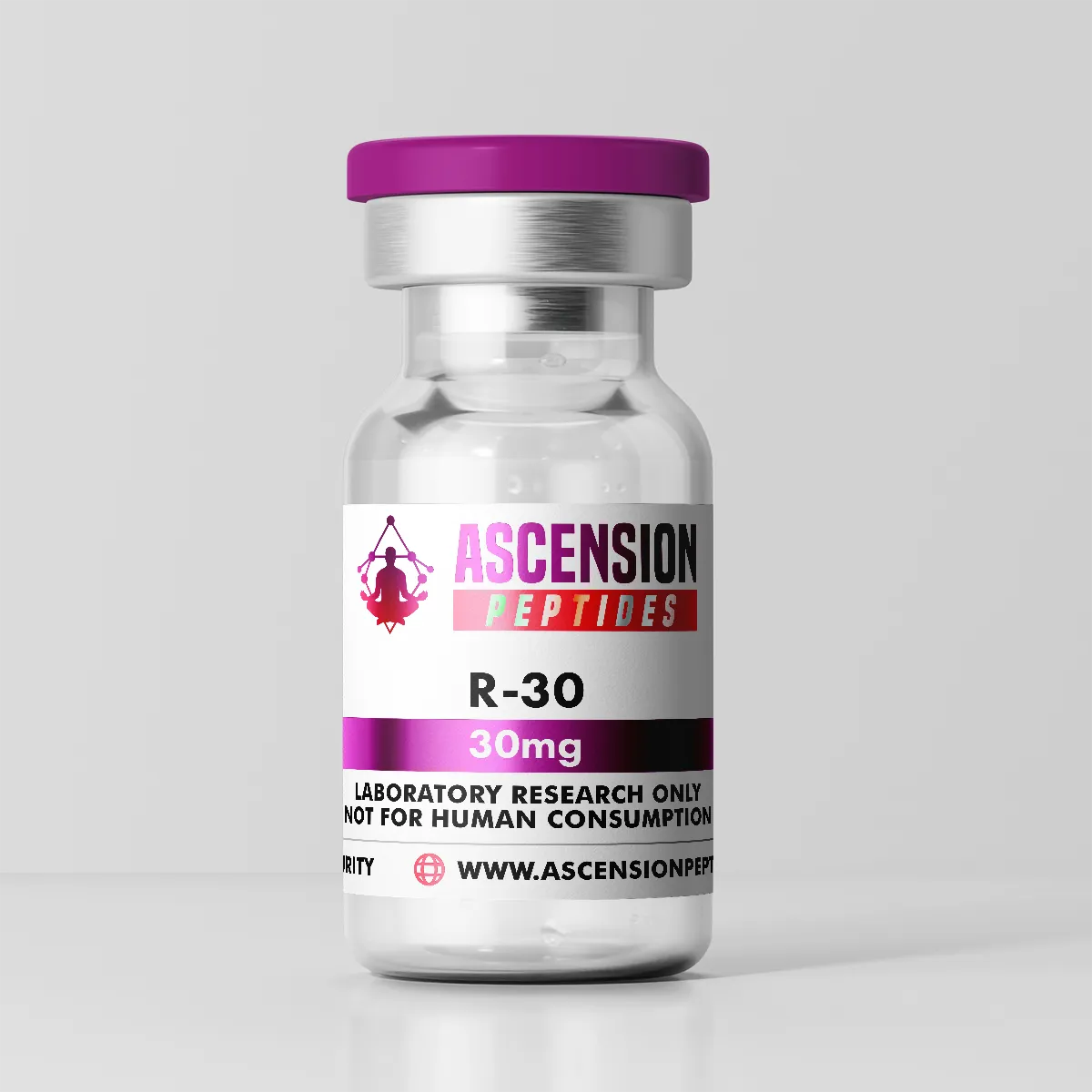
- Peptide vendors. Sold without a prescription, most often as R-10 (10 mg) and R-30 (30 mg) vials. There is no medical oversight, so quality comes down to the seller's third-party testing: if you buy retatrutide this way, check the batch COA first.
- Wait for FDA approval. Most likely 2027 at earliest.
For the four-route breakdown with current pricing see how to get retatrutide in 2026 and where to buy retatrutide.
Frequently Asked Questions
📚 References
- Eli Lilly. "Lilly's triple agonist, retatrutide, delivered powerful weight loss in pivotal Phase 3 obesity trial." Press release, May 21, 2026. Lilly investor page
- Eli Lilly. "Lilly's triple agonist, retatrutide, delivered weight loss of up to an average of 71.2 lbs along with substantial relief from osteoarthritis pain in first successful Phase 3 trial." TRIUMPH-4 press release, December 11, 2025.
- TRIUMPH-1 clinical trial protocol: NCT05929066. ClinicalTrials.gov.
- Jastreboff AM et al. "Triple-hormone-receptor agonist retatrutide for obesity, a phase 2 trial." N Engl J Med. 2023;389(6):514-526. PubMed
- Courcoulas AP, Yanovski SZ, Bonds D, et al. "Long-term outcomes of bariatric surgery: a National Institutes of Health symposium." JAMA Surg. 2014;149(12):1323-1329.