"Reta" started as shorthand in weight loss communities. Now it's showing up in clinical discussions, telehealth platforms, and mainstream coverage as one of the most effective weight loss drugs ever tested.
🔑 Key Takeaways
- "Reta" is the nickname for retatrutide, a triple-agonist peptide targeting GLP-1, GIP, and glucagon receptors simultaneously
- Phase 2 trial data shows average weight loss of roughly 24% of body weight over 48 weeks, outperforming both semaglutide and tirzepatide in head-to-head data comparisons
- The third receptor target (glucagon) is what separates reta from Ozempic and Mounjaro: it directly boosts fat burning by increasing basal metabolic rate
- Retatrutide is not FDA approved as of 2026 and remains in Phase 3 (TRIUMPH) trials
- Compounded versions are available through licensed peptide suppliers; typical dose range is 2mg to 12mg weekly
- Side effects are primarily gastrointestinal and dose-dependent, similar to other GLP-1 agonists
If you've come across "reta" in weight loss forums or GLP-1 discussions and want to understand exactly what it is and why the data is generating so much attention, this guide covers everything.
What Is Reta?
It's the shorthand name for retatrutide.
Retatrutide (LY3437943) is a once-weekly injectable peptide developed by Eli Lilly. The nickname "reta" or "reta peptide" emerged in patient communities the same way "Ozempic" became shorthand for semaglutide and "Mounjaro" became shorthand for tirzepatide. Drugs.com officially acknowledges it: retatrutide is also known as "reta peptide" or simply "reta" because it is a peptide-based medicine.
What makes reta different from earlier GLP-1 drugs isn't one thing. It's three. While semaglutide targets one receptor and tirzepatide targets two, retatrutide activates three:
- GLP-1 receptor: Suppresses appetite, slows gastric emptying, regulates blood sugar
- GIP receptor: Enhances insulin response, reduces fat storage, may reduce nausea vs GLP-1 alone
- Glucagon receptor: Directly increases fat oxidation and boosts basal metabolic rate
That glucagon component is the key differentiator. No currently approved GLP-1 drug activates the glucagon receptor. It's why reta's trial results sit above what tirzepatide produced in its SURMOUNT trials.
What the Trial Data Shows
The numbers are hard to ignore.
In the Phase 2 TRIUMPH trial published in the New England Journal of Medicine, participants receiving the highest dose of retatrutide (12mg weekly) lost an average of 24.2% of body weight over 48 weeks. At lower doses (4mg and 8mg), average losses were 8.7% and 17.5% respectively.
Retatrutide Phase 2 weight loss by dose (48 weeks)
The average of 71.2 lbs cited widely comes from combining results across the dose range with trial participants at different starting weights. For context, the highest dose of tirzepatide (15mg) produced average weight loss of about 20.9% in the SURMOUNT-1 trial. Semaglutide 2.4mg (Wegovy) produced about 14.9% in the STEP 1 trial.
Phase 3 TRIUMPH trials are ongoing as of 2026. Approval timeline depends on trial outcomes, but Eli Lilly has indicated retatrutide is a priority pipeline asset.
How Reta Compares to Other GLP-1 Drugs
One thing worth noting: the trials aren't directly comparable because they used different populations, different baseline weights, different trial lengths, and different primary endpoints. The percentages give a directional read, not a controlled head-to-head verdict. That said, the consistency of reta's results across multiple analyses is notable.
Why the Glucagon Receptor Matters
Most GLP-1 coverage ignores this part.
Glucagon is typically thought of as a counter-regulatory hormone: when blood sugar drops, glucagon rises to restore it. That role makes "glucagon agonist" sound counterintuitive in a weight loss drug. But at the doses and pharmacological context used in triple agonists, glucagon receptor activation has a different dominant effect: it increases energy expenditure and accelerates fat oxidation.
This is why retatrutide doesn't just suppress appetite: it also increases the rate at which the body burns stored fat. In simple terms, you're both eating less and burning more. That dual mechanism is what researchers believe accounts for reta's performance edge over dual agonists, where you're primarily eating less.
It's also why the weight loss at higher doses is more linear than the plateau effect seen with semaglutide. The metabolic acceleration component continues adding to the caloric deficit even after appetite adaptation occurs.
Side Effects: What to Expect
They're primarily gastrointestinal and dose-dependent.
In Phase 2 trials, the most commonly reported side effects were nausea, vomiting, diarrhea, and decreased appetite. These were most pronounced during dose escalation and generally decreased at stable doses. The pattern is consistent with the GLP-1 class: gradual titration from a low starting dose (2mg or 4mg) and slow increases over weeks reduce the intensity significantly.
One side effect specific to the glucagon component is a mild increase in resting heart rate, typically 3 to 5 bpm. It's similar to what's seen with tirzepatide but slightly more pronounced at the highest doses. For most people this is clinically insignificant; anyone with existing cardiovascular conditions should discuss this with a physician before starting.
How to Access Retatrutide (Reta) Right Now
Three routes exist in 2026, each with different tradeoffs.
Clinical trial: Eli Lilly's Phase 3 TRIUMPH program is the most regulated access route. You receive the actual pharmaceutical, under physician oversight, with no cost. Eligibility criteria typically require a BMI of 30+ or 27+ with a weight-related health condition. Check clinicaltrials.gov for open sites.
Compounded peptide from licensed supplier: Retatrutide is available as a compounded peptide from licensed U.S. suppliers. This is currently the most common route for people who don't qualify for or have access to a clinical trial. Quality varies across vendors. Prioritize suppliers that provide a certificate of analysis from an independent lab and operate under verified quality standards. You can compare retatrutide vendors on exactly those points before you order.
Telehealth platforms: A growing number of GLP-1 telehealth platforms have added retatrutide to their compound peptide offerings. These provide physician oversight, prescription handling, and pharmacy sourcing through a single platform. Costs typically run $200 to $500 per month depending on dose and platform. See our retatrutide cost breakdown for vial prices.
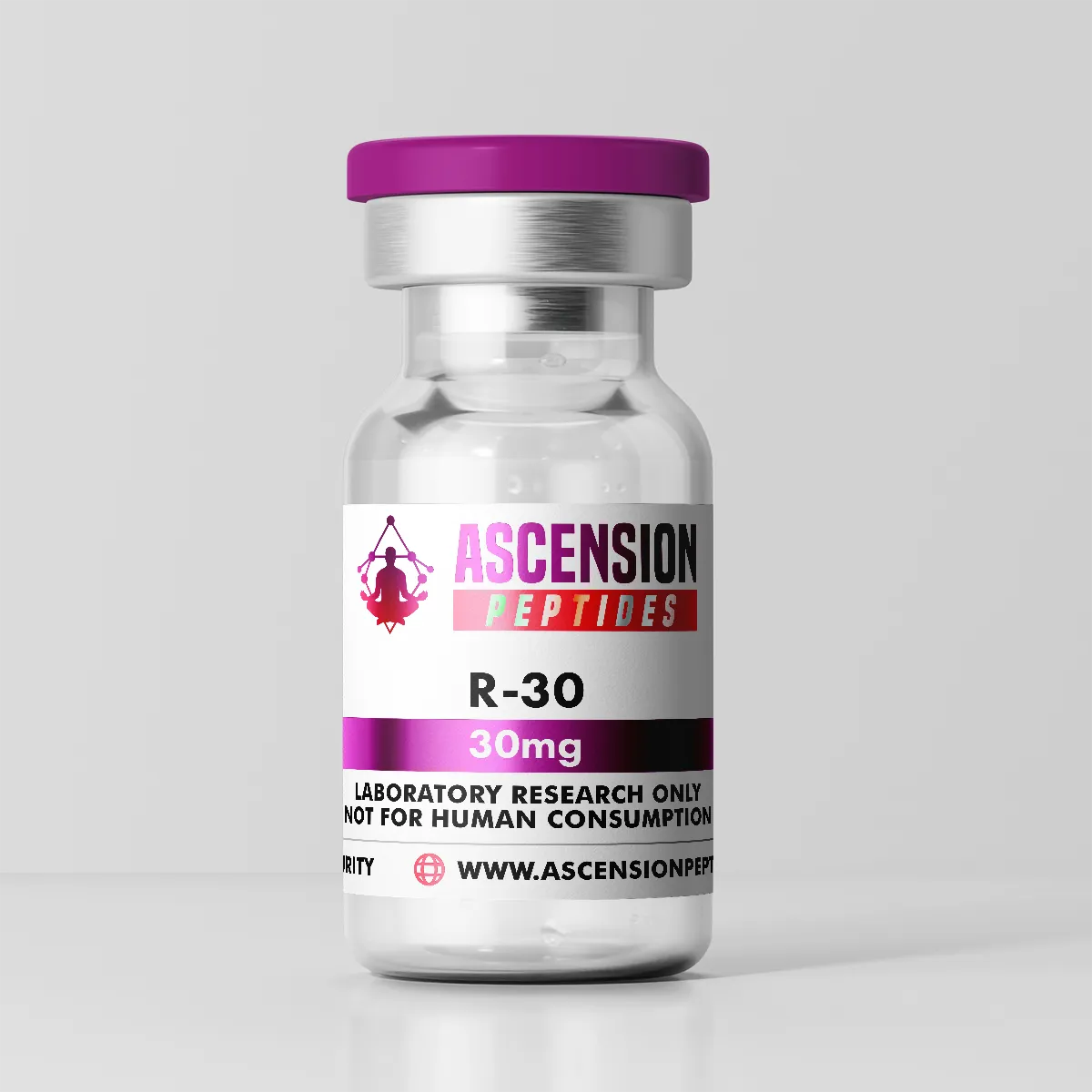
For a vendor-by-vendor breakdown with current pricing, see our retatrutide where to buy guide. If you already know what you want, our retatrutide peptide for sale page lists the R-10 and R-30 vials with the current batch COA.
What to verify before buying compounded reta
- Independent certificate of analysis (CoA) showing purity and peptide identity
- HPLC or mass spectrometry testing, not just visual inspection
- Sterile compounding certification (USP 797)
- No added substances marketed as "enhanced" formulations
- Dosing guidance from a licensed prescriber, not a seller forum
Typical Dosing Protocol
Start low and move slowly.
Most protocols based on the Phase 2 trial design begin at 2mg weekly for 4 weeks, then increase to 4mg for 4 weeks, followed by 6mg, 8mg, and optionally 10mg or 12mg if tolerability allows. Slower titration is better tolerated than faster escalation, and many people find their optimal balance between results and side effects at 6mg to 8mg rather than pushing to 12mg.
Note that these are community protocols based on Phase 2 data, not FDA-approved dosing guidelines. Individual response varies, and physician oversight is important for adjusting based on your labs, blood pressure, and heart rate.
Medical Disclaimer: This article is for informational purposes only and does not constitute medical advice. Retatrutide is not FDA-approved. Compounded versions require physician oversight. Do not start any peptide protocol without consulting a licensed healthcare provider. Individual results vary significantly.