GLP-1 weight loss medications now produce 15-28% body weight reduction in 12-18 months — the largest weight loss ever achieved by a drug class. Semaglutide started it, tirzepatide raised the bar, and retatrutide is poised to redefine it again. Here's what to know before starting, how the drugs work, costs, side effects, and how the major options compare in 2026.
Real GLP-1 Weight Loss Before and After Results
Four real before-and-after photos from users online who shared their GLP-1 results. Identifiers blurred for privacy. Click any photo to expand.



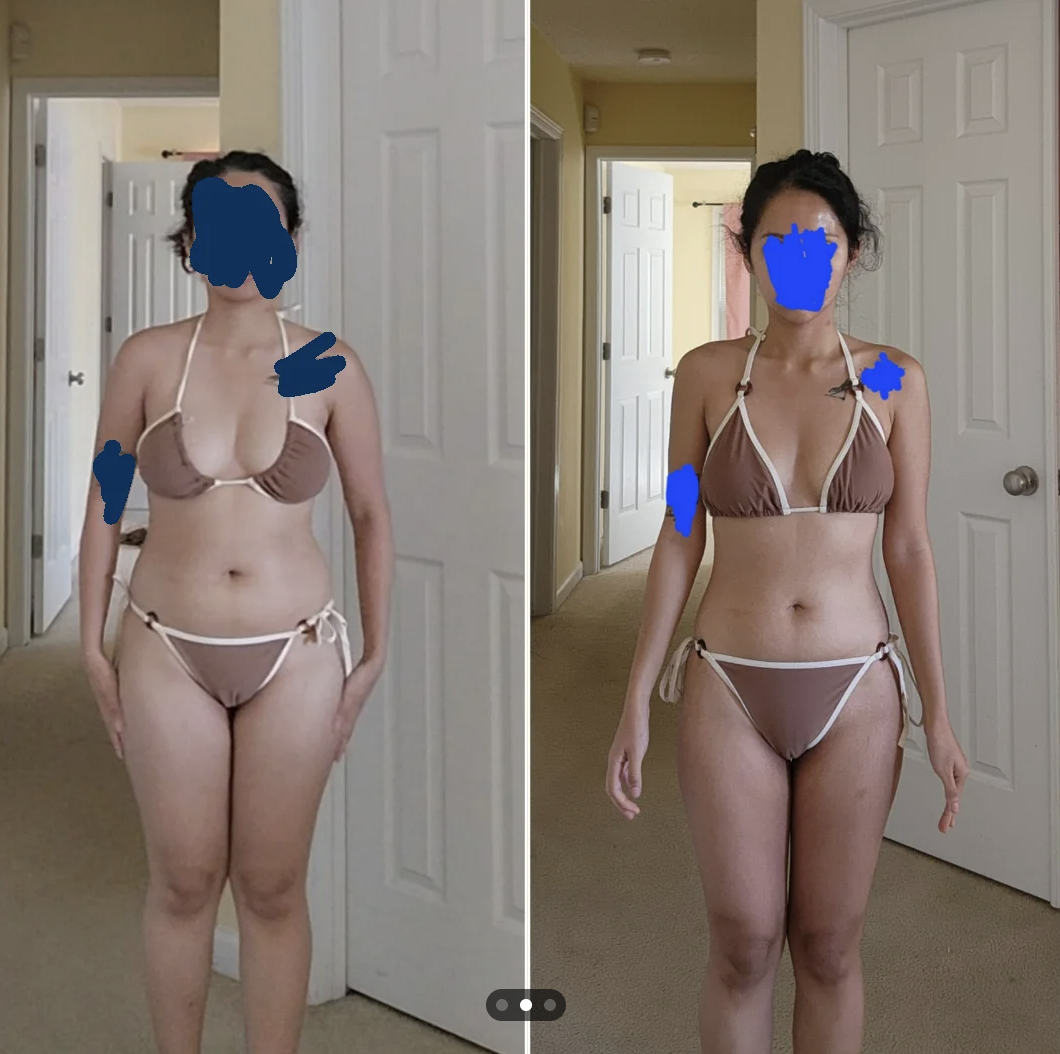
Photos sourced from users online who publicly shared their GLP-1 results. All four used compounded semaglutide or tirzepatide, the same medications available through MEDVi and Embody telehealth. Individual results vary; trial average is 15-20% body weight loss at 60+ weeks.
🔑 Key Takeaways
- GLP-1 peptides reduce hunger by acting on the brain's appetite centers — not willpower.
- Retatrutide (triple agonist) is the most powerful option but not yet FDA-approved.
- Tirzepatide beats semaglutide by 47% in head-to-head trials and is FDA-approved.
- Cagrilintide + semaglutide (CagriSema) sits between tira and retatrutide at ~22.7%.
- Research peptide versions (no Rx) are available — purity and sourcing matter enormously.
- Side effects are mostly GI-based and dose-dependent; slow titration reduces them significantly.
- GLP-1 therapy only works while you're on it — weight regain is common after stopping.
Telehealth Comparison Table
If you'd rather skip the research peptide route and get a prescribed compounded GLP-1 from a licensed US provider, here are the two telehealth services our readers use most.


GLP-1 peptides have shifted the ceiling of what non-surgical weight loss can achieve. This guide covers how each major compound works, ranks them by clinical data, and explains how to choose — including research peptide alternatives to prescription drugs.
What Are GLP-1 Peptides?
GLP-1 stands for glucagon-like peptide-1, a hormone your small intestine releases minutes after eating. It acts as a master metabolic switch — stimulating insulin, suppressing glucagon, slowing digestion, and signaling your brain that you're full.
In its natural state, GLP-1 is destroyed by the enzyme DPP-4 within 12 minutes. GLP-1 receptor agonists are synthetic peptides engineered to mimic this hormone while resisting degradation — lasting hours or even a full week depending on the compound.
The result: your hunger-signaling system stays "post-meal" for far longer than it naturally would, creating a sustained caloric deficit without extreme dietary restriction.
How GLP-1 Receptor Agonism Drives Weight Loss
GLP-1 receptors in the hypothalamus and brainstem fire POMC/CART (satiety) neurons and quiet NPY/AgRP (hunger) neurons. Clinical data shows roughly 35% fewer calories consumed daily — passively.
Food moves from the stomach more slowly, extending physical fullness and smoothing glucose absorption. This also explains why nausea peaks during dose escalation phases.
GLP-1 stimulates glucose-dependent insulin release — meaning insulin only spikes when blood sugar is elevated. Over time, this improves insulin sensitivity and shifts the body away from fat storage mode.
By blocking glucagon, GLP-1 agonists reduce the liver's glucose output and push it toward fat oxidation between meals — a quiet but meaningful metabolic shift.
What to Know Before Starting GLP-1 Weight Loss
Most people only learn these from the inside. Going in with realistic expectations is the difference between sticking with treatment and quitting in week three.
🔑 Six Things Real Users Wish They Knew
- "Food noise" goes quiet within days. Many users report that constant mental chatter about food simply stops in the first week. For some this is the most life-changing effect — bigger than the scale.
- Eating can become difficult, not just appetite-suppressing. Forgetting to eat, struggling to finish small meals, and aversion to certain foods (especially fatty or sweet) are common. Protein-first eating helps.
- Side effects peak after each dose increase, then settle. The first 2 weeks after every titration step is the hardest window. After ~4 weeks at a stable dose, most people forget they're on the drug.
- You'll lose some muscle if you don't actively protect it. 25–40% of weight loss can be lean mass without resistance training and 1.6+ g/kg of protein daily. This is the single most common avoidable mistake.
- Weight loss isn't the only benefit. A1C drops, blood pressure improves, sleep apnea reduces, joint pain eases, and SELECT-trial data shows a 20% reduction in major cardiovascular events on semaglutide. The metabolic benefits compound.
- This isn't a quick fix. Stopping the drug usually means regaining most of the weight within 12 months unless lifestyle changes have stuck. Plan for long-term use or a deliberate maintenance protocol.
GLP-1 Peptides Ranked for Weight Loss (2026)
Not all GLP-1 options are equal. The jump from the original liraglutide to today's triple agonists is enormous. Here's where each compound stands, ranked by clinical weight loss data. See our full guide to peptides for weight loss for the broader category comparison.
#1 — Retatrutide: Triple Agonist, Maximum Results
Retatrutide activates three receptor pathways simultaneously: GLP-1R (appetite, insulin), GIPR (synergistic appetite suppression, fat cell sensitivity), and GCGR (energy expenditure, thermogenesis). It's the only compound in this class that both suppresses appetite and increases metabolic rate.
Phase 2 results: At 12 mg weekly, retatrutide produced 24.2% mean body weight reduction over 48 weeks — the highest ever recorded for a pharmacological (non-surgical) intervention. Some participants exceeded 30% loss.
Phase 3 trials are active as of early 2026. Retatrutide is not yet FDA-approved, but you can buy retatrutide online as a freeze-dried vial. Here is where to buy retatrutide and what to check before you order.
→ Full protocol in our Retatrutide Dosing Guide | Where to Buy Retatrutide in 2026
#2 — Cagrilintide + Semaglutide (CagriSema): The Hybrid
CagriSema is a fixed-ratio co-formulation combining semaglutide (GLP-1R agonist) with cagrilintide, an amylin analog. Amylin adds a distinct satiety pathway that stacks on top of GLP-1 signaling — a different mechanism rather than just more of the same.
Phase 3 REDEFINE trial: Up to 22.7% mean body weight loss — placing it between tirzepatide and retatrutide in efficacy. Novo Nordisk is actively pursuing FDA approval. Not yet available as a research peptide in pure cagrilintide form.
#3 — Tirzepatide: Dual Agonist, FDA-Approved
Tirzepatide (Mounjaro for T2D, Zepbound for obesity) was the first dual GLP-1/GIP receptor agonist to reach market. The GIP component amplifies appetite suppression and improves fat cell insulin sensitivity in ways that a GLP-1-only compound simply can't match.
SURMOUNT-5 (2025, NEJM): Direct head-to-head vs semaglutide 2.4 mg over 72 weeks — tirzepatide produced 20.2% mean weight loss vs 13.7%. Participants were 84% more likely to achieve 25%+ weight loss on tirzepatide.
Check the Tirzepatide Dosage Chart for titration details.
#4 — Semaglutide: Gold Standard, Most Studied
Semaglutide (Ozempic, Wegovy) is the most extensively researched GLP-1 agonist in existence — with millions of patient-years of real-world data behind it. Once-weekly dosing (168-hour half-life), consistent 14–15% weight reduction, and proven cardiovascular benefit (SELECT trial: 20% reduction in major CV events).
STEP 1 trial: 2.4 mg weekly → 14.9% mean weight loss over 68 weeks. 86.4% of participants hit 5%+ reduction.
Also available as an oral formulation (Rybelsus/Wegovy pill) — GoodRx notes the oral version has now expanded meaningfully as a needle-free option.
#5 — Liraglutide: The Original (Entry-Level)
Liraglutide (Saxenda for obesity, Victoza for T2D) was the first GLP-1 agonist approved for weight management (2010). Daily injections, 13-hour half-life, and modest ~8.4% mean weight loss (SCALE trial). Largely superseded by weekly options but remains useful for sensitive individuals or those who prefer daily micro-dosing.
GLP-1 Pills vs Injections: Which Should You Choose?
Until late 2025, every GLP-1 weight loss drug required a weekly injection. That changed when the FDA approved the first oral GLP-1 pill for obesity. Now buyers face a real choice — and the trade-offs aren't always obvious.
Injections still win on raw effectiveness: weekly subcutaneous delivery achieves steadier blood levels and slightly larger weight loss in head-to-head data. Pills win on convenience and needle aversion. For most people the choice comes down to: are you willing to take a daily pill on an empty stomach with strict timing rules, or would you rather inject once a week and forget about it?
For a deeper breakdown see oral vs injectable semaglutide and the oral semaglutide pills guide.
Cost & Insurance: What GLP-1 Weight Loss Actually Costs in 2026
Pricing has split into three tiers since the 2024 compounding crackdown, and the gap between them is bigger than most buyers realize.
The single biggest cost variable is insurance. Most US plans now cover GLP-1s for type 2 diabetes (Mounjaro, Ozempic), but coverage for obesity (Wegovy, Zepbound) remains spottier. Medicare specifically doesn't cover GLP-1s for obesity alone. For uninsured or out-of-pocket buyers, the LillyDirect and compounding routes have made GLP-1 weight loss reachable at a fraction of retail.
For full pricing detail see cheapest tirzepatide, the retatrutide cost guide, and the best weight loss injections by cost breakdown.
Side-by-Side Comparison Table
Clinical data: SURMOUNT-5 (2025), STEP 1 (2021), SCALE Obesity (2015), Retatrutide Ph2 (2023), REDEFINE (2025). Rx costs are estimates without insurance. Individual results vary.
Research Peptide Options vs Prescription Drugs
Prescription GLP-1 medications require a licensed provider, insurance navigation, and often $300–$1,200/month out-of-pocket. Research peptides offer a different route — but they come with important tradeoffs you need to understand before choosing.
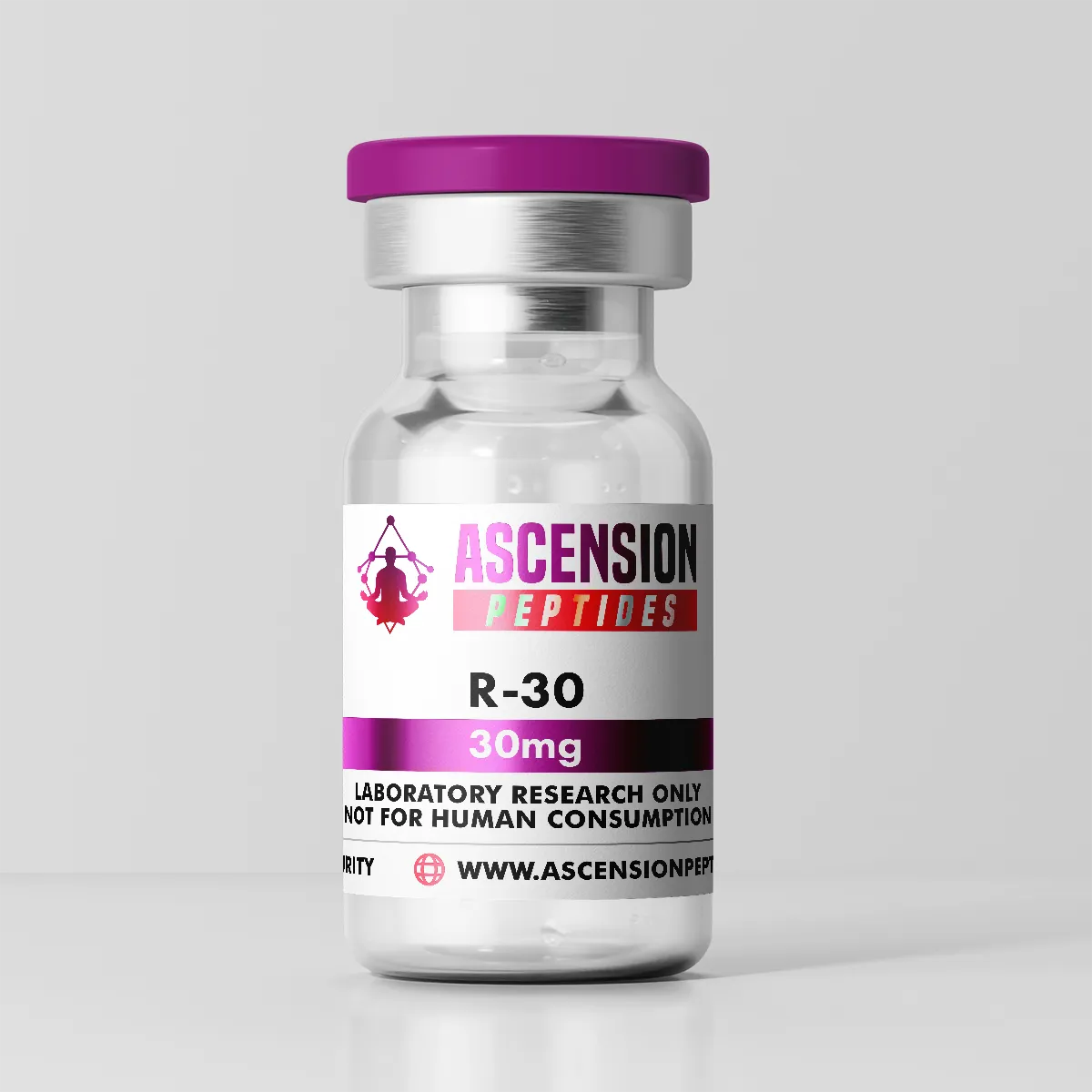
Ascension R-30 (Retatrutide)
For researchers interested in the triple-agonist mechanism, Ascension's R-30 is retatrutide in lyophilized peptide form. Third-party HPLC-verified purity, full Certificate of Analysis available. Retatrutide's clinical data is the most compelling in the class — see the retatrutide dosing guide and where to buy retatrutide (2026) for full sourcing context.
Ascension S-5 (Semaglutide)
Ascension's S-5 is semaglutide in research peptide form. For those who want the most-studied GLP-1 compound with the longest safety track record — without an Ozempic prescription — this is the reference-grade research option. Same compound as Wegovy; the distinction is regulatory status, not molecular structure.
Prescription vs Research: When to Choose Which
Who Are GLP-1 Peptides Best For?

GLP-1 peptides consistently produce the strongest results in specific populations. They're not universally the right tool — understanding who benefits most helps set realistic expectations.
- BMI ≥27 with weight-related comorbidities (hypertension, T2D, sleep apnea): The populations with the clearest evidence and best risk/benefit ratio.
- Insulin-resistant individuals: The glucose-normalizing mechanism is particularly impactful here — disproportionately large fat loss responses are common.
- People with high "food noise": Those who describe constant mental preoccupation with food see the most dramatic quality-of-life improvements. GLP-1 receptor activity in the brain's reward system quiets this reliably.
- Post-plateau dieters: If diet and exercise have plateaued your weight loss, GLP-1 therapy addresses the biological drivers of plateau (adaptive thermogenesis, hormone adaptation) that willpower can't overcome.
- Cardiovascular risk: Semaglutide and liraglutide have trial-proven CV benefit (SELECT, LEADER). Patients with elevated CV risk get a secondary benefit on top of weight loss.
Less ideal candidates: Personal or family history of medullary thyroid carcinoma or MEN2 (black box contraindication), active pancreatitis, or those who cannot manage the GI side effects even with slow titration.
Explore the full category at peptides for weight loss to see where GLP-1s fit relative to other metabolic peptides.
Side Effects: What to Expect and How to Manage Them
The side effect profile across all GLP-1 agonists is similar — driven primarily by gastric slowing. Most are temporary and dose-dependent. They peak during dose escalation and resolve at stable dosing.
Common GI Effects (30–50% of users)
- Nausea: The most frequent complaint. Worst at weeks 2–4 of each new dose level. Taking your injection at bedtime means you sleep through the peak window. Avoid high-fat meals on injection days.
- Vomiting: Less common than nausea (~15%). If persistent, hold the current dose for 4 extra weeks rather than escalating.
- Constipation or diarrhea: Both can occur (~25% of users). Fiber intake and hydration are the primary mitigation tools.
- Abdominal bloating: Usually related to eating beyond comfortable fullness. Smaller, more frequent meals reduce this significantly.
Lean Mass Loss
Roughly 25–40% of weight lost on GLP-1 therapy can be lean mass rather than fat — particularly on aggressive caloric restriction. This is manageable:
- Target ≥1.6g protein per kg of body weight daily
- Continue resistance training throughout treatment
- Avoid stacking extreme caloric restriction on top of already-reduced appetite
Rare but Serious Risks
- Pancreatitis (<1%): Severe upper abdominal pain radiating to the back — discontinue immediately and seek care.
- Gallbladder disease: Rapid weight loss increases gallstone risk. GLP-1 agents may also independently slow gallbladder emptying.
- Thyroid C-cell (black box): Observed in rodent studies at high doses. Not confirmed in humans. Contraindicated in MTC or MEN2 history.
What Happens When You Stop GLP-1s
The hardest fact about GLP-1 weight loss: stopping the drug usually means regaining most of the weight. In the STEP-4 trial, patients who switched from semaglutide to placebo regained ~67% of lost weight within 12 months. The appetite signal returns within days; the metabolic adaptations don't reverse.
The realistic options if you want to stop:
- Stay on a maintenance dose. Many users drop to 50–70% of their peak dose and hold there indefinitely. Weight loss stops; maintenance is excellent.
- Microdose to taper. Slowly reducing dose over 3–6 months while heavily reinforcing diet and resistance training gives the best chance of holding weight.
- Switch to a different GLP-1 with longer half-life. Less common, but some users transition between compounds to find the lowest effective dose.
- Cold-turkey stop and accept regain. Honest framing — most who stop fully regain unless they had a step-change in lifestyle during treatment.
For full detail on this see what happens when you stop semaglutide, the retatrutide weight regain research, and the microdosing semaglutide guide.
Diet & Exercise While on GLP-1 Weight Loss Medication
Lifestyle isn't optional with GLP-1s — it's what determines whether the weight loss sticks and whether the loss is mostly fat or partly muscle. The drug suppresses appetite; lifestyle determines what fills the smaller window.
- Protein first, every meal. Target 1.2–1.6 g/kg body weight daily. With smaller appetite, protein gets crowded out first — actively prioritize it. This is the single biggest variable for preserving muscle.
- Resistance training 2–3x/week. Not optional. Without it, 25–40% of weight lost is lean mass. With it, that figure drops to ~13–18%.
- Hydration. Most users underdrink water on GLP-1s. Aim for 0.5–1 oz per pound of body weight. Dehydration drives nausea and fatigue.
- Avoid high-fat meals on injection days. The gastric-emptying delay plus a heavy fat meal is the recipe for nausea and reflux.
- Eat slowly, stop at 80% full. Smaller portions mean you'll hit "full" much earlier than your old habits suggest. Pushing past it triggers nausea or vomiting.
- Avoid alcohol during titration. GLP-1s amplify alcohol effects and worsen nausea. Most users naturally lose interest anyway.
For practical meal plans see what to eat on semaglutide and the GLP-1 recipes guide.