Why Weight Regain Happens After Peptide-Based Weight Loss
One of the most persistent challenges in obesity research isn't losing weight — it's keeping it off. Study after study has shown that discontinuing GLP-1 receptor agonist-class compounds leads to measurable weight regain, often within 12 to 52 weeks of stopping. This isn't a failure of willpower. It's biology.
When research subjects lose significant body weight, the body responds with a cascade of counter-regulatory mechanisms: appetite hormones like ghrelin rise, satiety hormones like leptin and peptide YY fall, and metabolic rate adapts downward relative to the new, lower body mass. These mechanisms evolved to protect against starvation — but in a modern context, they undermine sustained weight management.
GLP-1 receptor agonists like semaglutide work largely by suppressing appetite and slowing gastric emptying. When those compounds are removed, the suppressive signal disappears and hunger rebounds rapidly. Clinical data on semaglutide withdrawal showed subjects regained approximately two-thirds of lost weight within 12 months of stopping.
This raises an important question for researchers studying retatrutide: does its broader receptor engagement translate into more durable changes — or is the rebound equally inevitable?
Retatrutide's Triple-Agonist Mechanism and Metabolic Impact
Retatrutide is a triple receptor agonist, engaging GLP-1 (glucagon-like peptide-1), GIP (glucose-dependent insulinotropic polypeptide), and glucagon receptors simultaneously. Each of these pathways contributes something distinct to the metabolic picture — and their combined effect may influence how the body responds upon discontinuation.
GLP-1 Receptor Activation
Like semaglutide and other appetite-regulating peptides, GLP-1 activation in retatrutide suppresses appetite centrally, slows gastric emptying, and reduces caloric intake. This is the primary mechanism driving weight loss in most GLP-1 class compounds. It is also the mechanism most acutely affected by withdrawal.
GIP Receptor Activation
GIP (glucose-dependent insulinotropic polypeptide) receptor engagement enhances insulin sensitivity, improves lipid metabolism in adipose tissue, and appears to work synergistically with GLP-1 for greater weight loss than either alone. Some researchers hypothesize that GIP's effects on fat cell metabolism may produce more lasting changes to adipose tissue composition, potentially slowing the rate of fat mass reaccumulation after discontinuation — though this remains an active area of research.
Glucagon Receptor Activation
This is what distinguishes retatrutide from dual agonists like tirzepatide. Glucagon receptor activation increases hepatic glucose output, stimulates thermogenesis, and raises basal metabolic rate. During active dosing, this produces meaningful reductions in liver fat and may upregulate fat oxidation pathways. Whether these metabolic shifts persist post-discontinuation is a critical open question in retatrutide research.
Retatrutide vs. Other Peptides for Minimizing Weight Regain
Researchers and clinicians evaluating weight maintenance strategies need to compare retatrutide against its closest competitors in the GLP-1 / dual-agonist space. Below is a breakdown of how each class compares on the key variables relevant to weight regain prevention.
The table makes clear that greater weight loss potential generally correlates with greater rebound risk — because a larger weight loss creates stronger counter-regulatory biological pressure. Retatrutide's superior weight loss numbers are impressive in research contexts, but they do not automatically translate into superior weight maintenance post-discontinuation.
Who Should Consider Retatrutide in a Research Context?
- Subjects with severe metabolic dysregulation — where the glucagon receptor component's effects on hepatic fat and thermogenesis may provide lasting metabolic improvement
- Researchers studying combination maintenance strategies — where retatrutide is used for an intensive phase, then transitioned to a lower-intensity maintenance compound
- Those comparing maximal-efficacy protocols — where understanding the ceiling of achievable weight loss is the research objective
Who May Be Better Served by Alternatives?
- Research subjects who cannot commit to ongoing dosing — a larger weight loss magnitude produces a larger rebound if the compound is abruptly stopped
- Those seeking lower-side-effect profiles — retatrutide's triple agonism increases GI side effect burden compared to GLP-1 alone
- Researchers focused on body composition rather than scale weight — growth hormone secretagogues like ipamorelin or CJC-1295 may produce more durable lean mass improvements without the rebound risk
Research Strategies for Minimizing Rebound After Retatrutide
The research literature on GLP-1 class withdrawal consistently supports the same conclusions: abrupt discontinuation leads to faster and more complete weight regain than gradual tapering or transition protocols. Here are the approaches being explored in research contexts for retatrutide specifically.
Gradual Dose Tapering
Rather than stopping retatrutide abruptly, researchers have explored extending the lower dose phases for an extended period before full discontinuation. Slower removal of the compound may allow hunger hormones to normalize more gradually, reducing the acute rebound effect seen with abrupt cessation.
Transition to Maintenance Peptide
Some research protocols involve transitioning subjects from high-efficacy compounds like retatrutide to a lower-dose GLP-1 maintenance agent. This mirrors the chronic disease management model — using intensive therapy to achieve the goal state, then maintaining with a lighter-touch ongoing intervention.
Concurrent Body Composition Interventions
Adding growth hormone secretagogues like ipamorelin or sermorelin during or after retatrutide use may help preserve lean muscle mass — which is metabolically active and plays a role in long-term weight regulation. Higher lean mass is associated with higher resting metabolic rate, which buffers against rebound fat accumulation.
Behavioral and Dietary Anchoring During Active Dosing
Research suggests that subjects who establish robust dietary and exercise habits during the appetite-suppressed period of GLP-1 use are better positioned post-discontinuation. The window of reduced hunger is an opportunity to reshape habits — not just a caloric shortcut. Researchers note this behavioral component is often underemphasized in peptide-focused weight loss protocols.
Monitoring Biomarkers Post-Discontinuation
Tracking fasting insulin, HOMA-IR, lipid panels, and body composition (DEXA) at defined intervals after stopping retatrutide allows researchers to identify the rate and pattern of metabolic normalization — and to intervene early if adipose tissue regain is accelerating faster than expected.
Sourcing Retatrutide for Research: What to Look For
For researchers studying retatrutide's effects on weight regain and metabolic maintenance, compound quality is non-negotiable. Impure or mis-dosed retatrutide will produce unreliable data and may introduce confounds that make results uninterpretable.
When evaluating a supplier, research teams should verify:
- Third-party HPLC testing — confirming sequence identity and purity above 98%
- Certificate of Analysis (COA) — available per batch, not just as a generic site-wide document
- Endotoxin / LAL testing — critical for injectable-grade research peptides
- Mass spectrometry confirmation — verifying molecular weight matches the retatrutide sequence
- US-based manufacturing or stringent import documentation — for chain-of-custody integrity
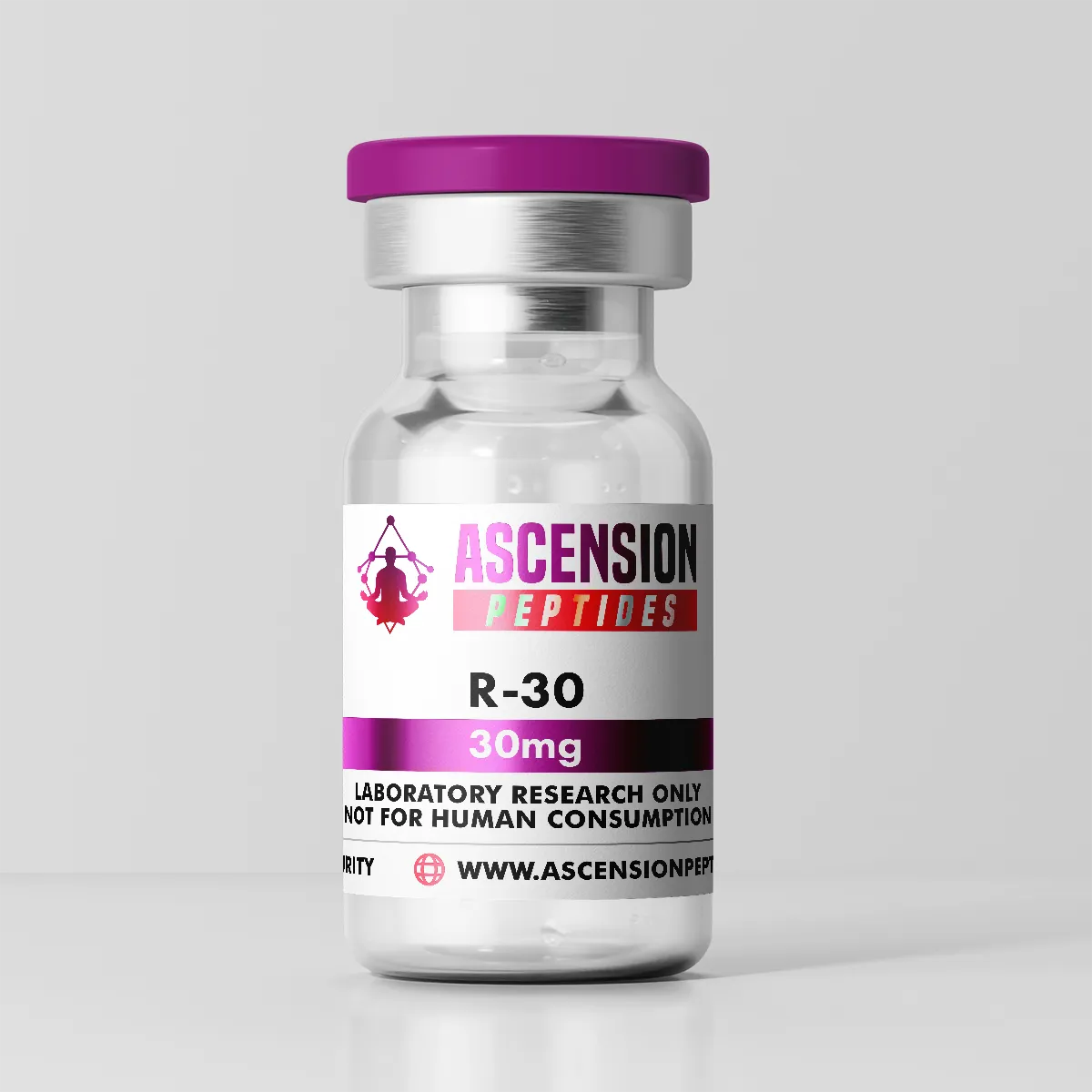
Ascension Peptides is a vendor that research teams have noted for meeting these documentation standards on triple-agonist peptides, with batch-specific COAs available on request. Always verify current stock and documentation before committing to a research supply.