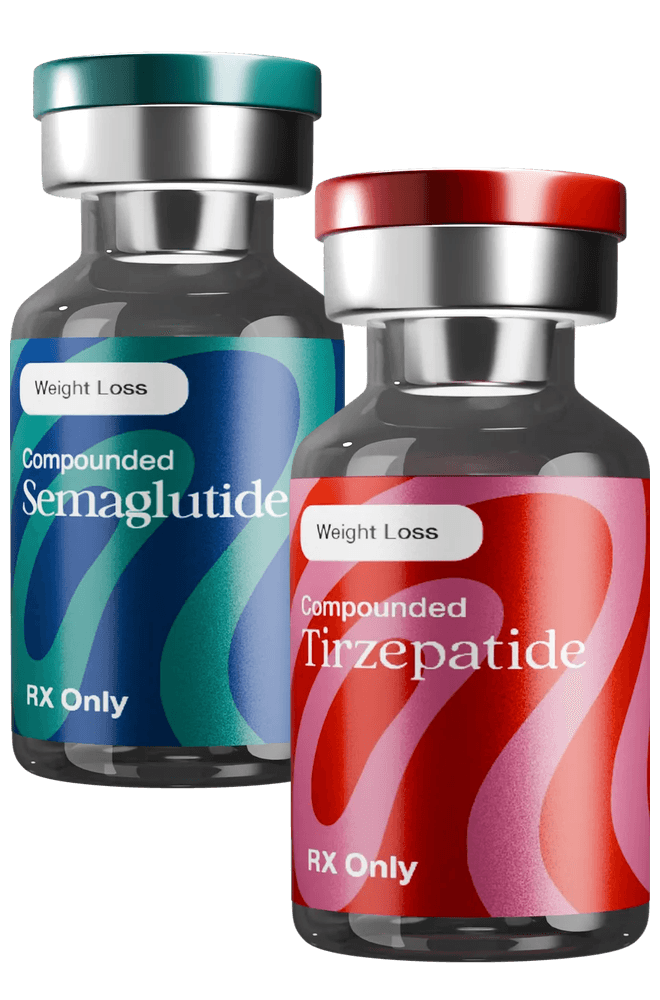
In the SURMOUNT-1 trial, up to 45% of people on the 15mg tirzepatide dose reported nausea, making it the most common reason people reduce their dose or stop entirely.
Last UpdatedMay 23, 2026
Real GLP-1 before and after results
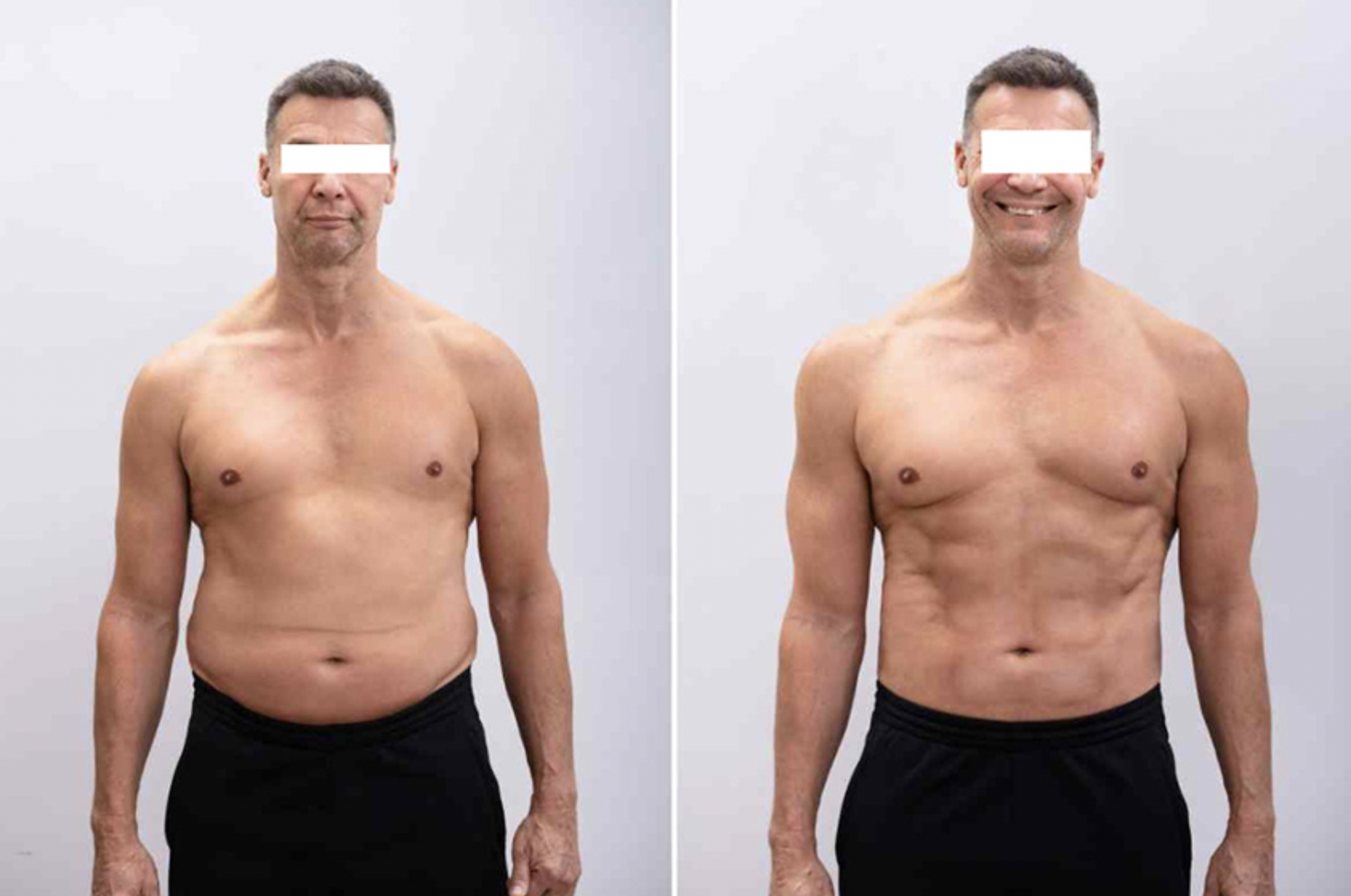
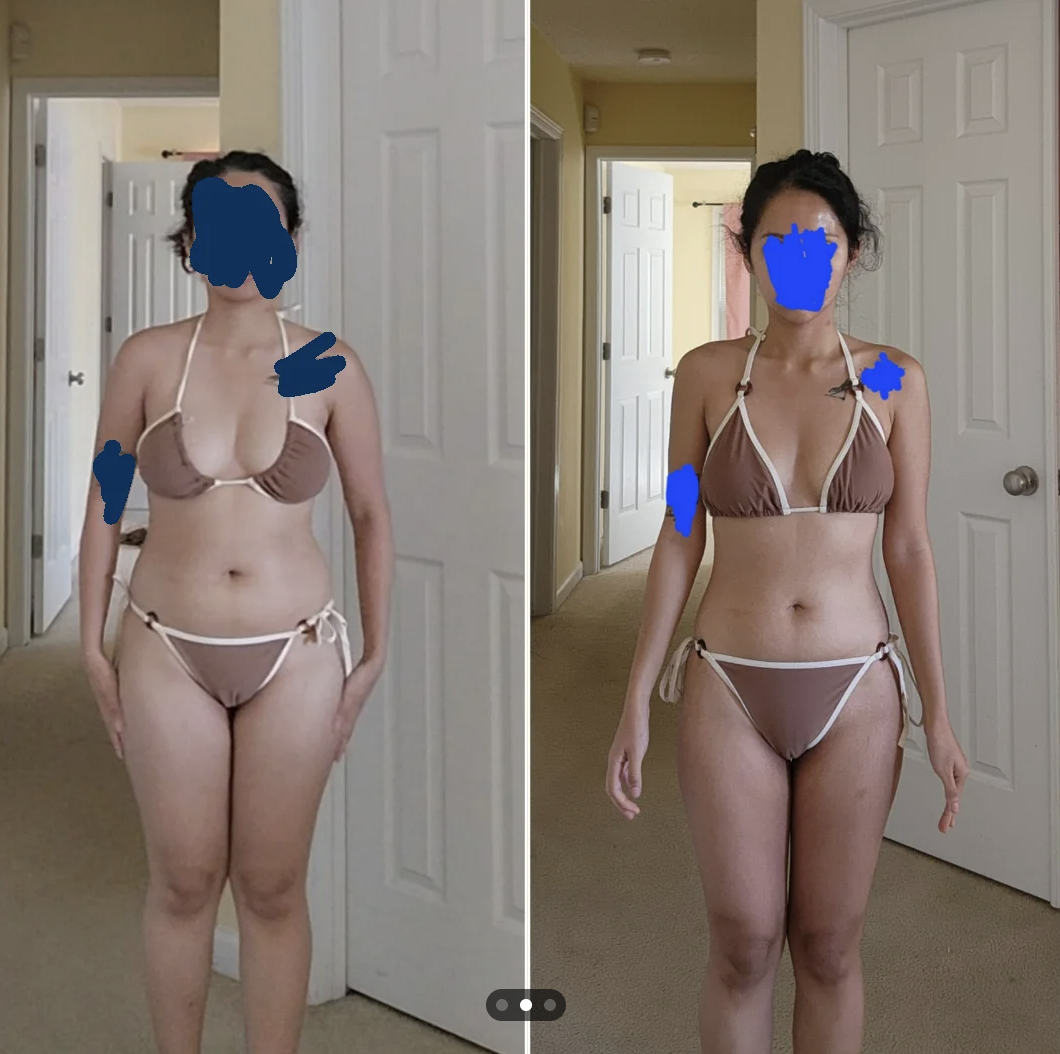
Four real before-and-after photos from users online who shared their GLP-1 results. Identifiers blurred for privacy. Click any photo to expand.
Photos sourced from users online who publicly shared their GLP-1 results. All four used compounded semaglutide or tirzepatide, the same medications available through MEDVi and Embody telehealth. Individual results vary; trial average is 15-20% body weight loss at 60+ weeks.
45%Nausea Rate (15mg)
~4-8 wksGI Effects Peak & Fade
<1%Serious Adverse Events
🔑 At a Glance
Most common: Nausea (25-45%), diarrhea (20-30%), constipation (16-29%), vomiting (9-25%)
Dose-dependent: GI side effects are worse at higher doses and during escalation phases
Usually temporary: Most GI effects improve within 4-8 weeks as your body adapts
Black box warning: Thyroid C-cell tumors seen in early toxicology testing, avoid if personal/family history of MTC
Serious but rare: Pancreatitis, gallbladder disease, and gastroparesis are real risks (<1%)
Vs semaglutide: Tirzepatide has similar or slightly higher GI rates but substantially better weight loss outcomes
Tirzepatide's side effect profile is manageable for most people, but only if you know what's coming and how to deal with it. The GI stuff is real, it's annoying, and it does peak during dose increases. This guide covers every documented effect with actual clinical percentages, a dose-by-dose breakdown, and a comparison to semaglutide and retatrutide so you know where tirzepatide stands in the GLP-1 field.
Tirzepatide FDA Boxed Warning
The most serious warning class the FDA issues.
Tirzepatide (sold as Mounjaro for type 2 diabetes and Zepbound for weight management) carries a boxed warning for thyroid C-cell tumor risk, including medullary thyroid carcinoma (MTC). in early toxicology testing, tirzepatide caused dose-dependent and treatment-duration-dependent thyroid C-cell tumors at clinically relevant exposures. Human causation is unproven but cannot be ruled out. The drug is contraindicated in people with:
Personal or family history of medullary thyroid carcinoma (MTC)
Multiple Endocrine Neoplasia syndrome type 2 (MEN 2)
Known serious hypersensitivity to tirzepatide or any formulation component
Symptoms to watch for and report immediately: lump or swelling in the neck, hoarseness that does not resolve, persistent trouble swallowing, or shortness of breath.
How Common Are Tirzepatide Side Effects? Meta-Analysis Frequency Data
The most reliable view of tirzepatide side effects comes from the 2023 systematic review and meta-analysis (Alzahrani et al., Cureus, PMC10614464), which pooled 4,586 patients across six randomized controlled trials. These are the pooled tirzepatide-arm incidence rates vs comparator (placebo, semaglutide, dulaglutide, or insulin):
Side effect
Tirzepatide incidence
Comparator incidence
Risk ratio (95% CI)
Significance
Nausea
20.43%
10.47%
2.90 (1.89–4.44)
P≤0.00001
Diarrhea
16.24%
8.63%
2.07 (1.60–2.68)
P≤0.00001
Decreased appetite
9.64%
2.88%
5.04 (3.01–8.45)
P≤0.00001
Vomiting
9.05%
4.86%
2.69 (1.67–4.36)
P≤0.0001
Dyspepsia
7.13%
3.31%
2.52 (1.58–4.01)
P≤0.0001
Constipation
2.54%
0.86%
3.08 (1.83–5.20)
P≤0.0001
Nausea
Tirzepatide incidence
20.43%
Comparator incidence
10.47%
Risk ratio (95% CI)
2.90 (1.89–4.44)
Significance
P≤0.00001
Diarrhea
Tirzepatide incidence
16.24%
Comparator incidence
8.63%
Risk ratio (95% CI)
2.07 (1.60–2.68)
Significance
P≤0.00001
Decreased appetite
Tirzepatide incidence
9.64%
Comparator incidence
2.88%
Risk ratio (95% CI)
5.04 (3.01–8.45)
Significance
P≤0.00001
Vomiting
Tirzepatide incidence
9.05%
Comparator incidence
4.86%
Risk ratio (95% CI)
2.69 (1.67–4.36)
Significance
P≤0.0001
Dyspepsia
Tirzepatide incidence
7.13%
Comparator incidence
3.31%
Risk ratio (95% CI)
2.52 (1.58–4.01)
Significance
P≤0.0001
Constipation
Tirzepatide incidence
2.54%
Comparator incidence
0.86%
Risk ratio (95% CI)
3.08 (1.83–5.20)
Significance
P≤0.0001
What this tells you: tirzepatide side effects in the gastrointestinal cluster are 2 to 5 times more frequent than placebo or comparator drugs, but absolute rates are still in the 2 to 20 percent range — not the majority of users. The decreased-appetite ratio (5x vs comparator) is the most extreme, which is also the mechanism that drives the weight loss in the first place. The trial-specific numbers in the next section break this down further by dose (5mg / 10mg / 15mg) since incidence scales with dose level.
Common Tirzepatide Side Effects (With SURPASS/SURMOUNT Trial Data)
Most tirzepatide side effects hit the gastrointestinal system. This isn't surprising, GIP and GLP-1 receptors both exist in the gut wall, and activating them simultaneously slows gastric emptying and changes bowel motility. Below are the rates pulled directly from the SURMOUNT-1 and SURPASS-2 trials.
Side Effect
Any Tirzepatide (%)
Placebo (%)
Timing
Nausea
25-45%
7-9%
Peaks weeks 1-8
Diarrhea
20-30%
10-12%
Ongoing, dose-dependent
Constipation
16-29%
6-10%
Often alternates with diarrhea
Vomiting
9-25%
2-4%
Dose escalation phases
Decreased appetite
20-39%
5-8%
Persistent throughout
Abdominal pain
9-12%
5-7%
Variable
Dyspepsia/GERD
5-16%
3-6%
Worse lying down
Burping/flatulence
7-12%
2-4%
Dose-dependent
Injection site reaction
3-7%
2-3%
First several injections
Fatigue
8-14%
5-8%
Early weeks
Increased heart rate
+2-4 bpm
minimal
Persistent
Hair loss
4-6%
~1%
Months 2-5 (telogen effluvium)
Nausea
Any Tirzepatide (%)
25-45%
Placebo (%)
7-9%
Timing
Peaks weeks 1-8
Diarrhea
Any Tirzepatide (%)
20-30%
Placebo (%)
10-12%
Timing
Ongoing, dose-dependent
Constipation
Any Tirzepatide (%)
16-29%
Placebo (%)
6-10%
Timing
Often alternates with diarrhea
Vomiting
Any Tirzepatide (%)
9-25%
Placebo (%)
2-4%
Timing
Dose escalation phases
Decreased appetite
Any Tirzepatide (%)
20-39%
Placebo (%)
5-8%
Timing
Persistent throughout
Abdominal pain
Any Tirzepatide (%)
9-12%
Placebo (%)
5-7%
Timing
Variable
Dyspepsia/GERD
Any Tirzepatide (%)
5-16%
Placebo (%)
3-6%
Timing
Worse lying down
Burping/flatulence
Any Tirzepatide (%)
7-12%
Placebo (%)
2-4%
Timing
Dose-dependent
Injection site reaction
Any Tirzepatide (%)
3-7%
Placebo (%)
2-3%
Timing
First several injections
Fatigue
Any Tirzepatide (%)
8-14%
Placebo (%)
5-8%
Timing
Early weeks
Increased heart rate
Any Tirzepatide (%)
+2-4 bpm
Placebo (%)
minimal
Timing
Persistent
Hair loss
Any Tirzepatide (%)
4-6%
Placebo (%)
~1%
Timing
Months 2-5 (telogen effluvium)
ℹ️ Note: GI side effect rates are highest at the 15mg dose. Most trials report dose-dependent increases across the 5mg → 10mg → 15mg escalation ladder. See the dose table below for specifics.
GI Side Effects: Nausea, Vomiting, Diarrhea, What's Actually Happening
The gut is where tirzepatide does most of its work, and most of its damage. Gastric emptying slows significantly, which is partly why you eat less (food sits in your stomach longer, so you stay full). But it's also why nausea is so common. You're not sick; your stomach is just processing everything at a fraction of its normal speed.
Nausea
The most common complaint. It typically peaks in the first 1-4 weeks at a new dose level and fades substantially by week 8. Eating too fast, eating large meals, or lying down after eating makes it dramatically worse. Some people describe it as a low-grade constant background feeling rather than acute nausea.
✓ What Helps: Eat small, frequent meals. Avoid fatty or spicy foods during escalation. Ginger tea, cold foods, and eating slowly all reduce severity. If it's severe, ondansetron (Zofran) or metoclopramide can help, ask your prescriber.
Vomiting
Less common than nausea but more disruptive. The 15mg dose produces vomiting in roughly 1 in 4 people during escalation. If you're vomiting more than twice per day for more than 2 days at a dose level, that's a signal to hold the escalation and talk to your doctor about staying at the current dose longer.
Diarrhea and Constipation
Odd combination, right? Both happen. Some people get alternating diarrhea and constipation throughout treatment. The mechanism is disrupted gut motility, tirzepatide doesn't uniformly speed up or slow down the bowel, it changes the rhythms unpredictably. Staying hydrated helps. Fiber supplementation helps more. Some people find that probiotics reduce both symptoms.
⚠️ Warning: Severe diarrhea lasting more than 3-4 days can cause dehydration quickly, especially if combined with reduced eating. If you can't keep fluids down, get medical attention. Electrolyte loss from persistent GI issues can cause muscle cramps and fatigue that people sometimes mistake for direct drug side effects.
Injection Site Reactions
These show up in 3-7% of people and are almost always mild. Classic presentation: a small red, raised area at the injection site that's mildly tender for 1-3 days after injection. Rarely itchy. Almost never needs treatment.
Harder, more pronounced lumps can appear if you inject into the same spot repeatedly, this is lipohypertrophy, and it can impair absorption. Rotate injection sites consistently. The approved sites are the abdomen, thigh, or upper arm, rotate through all three across different weeks.
ℹ️ Tip: If you're using compounded tirzepatide, the formulation matters. Some compounded versions include additives or different concentrations that can cause more pronounced local reactions. See our guide to choosing a compounding pharmacy for tirzepatide for what to look for.
Tirzepatide Side Effects by Dose Level (5mg / 10mg / 15mg)
The dose-dependence is real and consistent across trials. Starting low isn't just about comfort, it gives your body time to build tolerance to the GI effects before moving to higher doses. Skipping straight to 10mg or 15mg dramatically increases the chance of early discontinuation.
Side Effect
5mg
10mg
15mg
Nausea
~25%
~33%
~45%
Diarrhea
~20%
~22%
~30%
Constipation
~16%
~27%
~29%
Vomiting
~9%
~16%
~25%
Decreased appetite
~20%
~28%
~39%
Abdominal pain
~9%
~10%
~12%
GERD/dyspepsia
~5%
~10%
~16%
Injection site
~3%
~5%
~7%
Discontinuation due to GI AEs
~3%
~5%
~8%
Nausea
5mg
~25%
10mg
~33%
15mg
~45%
Diarrhea
5mg
~20%
10mg
~22%
15mg
~30%
Constipation
5mg
~16%
10mg
~27%
15mg
~29%
Vomiting
5mg
~9%
10mg
~16%
15mg
~25%
Decreased appetite
5mg
~20%
10mg
~28%
15mg
~39%
Abdominal pain
5mg
~9%
10mg
~10%
15mg
~12%
GERD/dyspepsia
5mg
~5%
10mg
~10%
15mg
~16%
Injection site
5mg
~3%
10mg
~5%
15mg
~7%
Discontinuation due to GI AEs
5mg
~3%
10mg
~5%
15mg
~8%
One thing that doesn't get enough attention: the 4-week dose escalation schedule is a minimum, not a target. If you're still experiencing significant GI symptoms at week 4, there's no clinical reason you can't stay at the current dose for another 4 weeks before stepping up. The SURMOUNT trials showed good weight loss at all dose levels, see the full tirzepatide dosage chart for protocol details.
Serious Tirzepatide Side Effects
Rare doesn't mean impossible. These are the side effects that warrant a trip to the ER or an immediate call to your doctor, not wait-and-see management.
Thyroid C-Cell Tumors (Black Box Warning)
Tirzepatide carries a black box warning for medullary thyroid carcinoma (MTC) based on early toxicology testing showing C-cell tumors with chronic GLP-1 receptor agonist exposure. Importantly: the human relevance of this finding is unknown. No human cases of tirzepatide-induced MTC have been established in clinical trials.
⚠️ Contraindicated if: You have a personal or family history of medullary thyroid carcinoma, or Multiple Endocrine Neoplasia syndrome type 2 (MEN2). If you notice a neck lump, hoarseness, difficulty swallowing, or shortness of breath, see a doctor promptly.
Pancreatitis
Acute pancreatitis is a class effect of GLP-1/GIP receptor agonists. Incidence in trials was very low (<0.5%), but pancreatitis is serious. Symptoms: persistent severe abdominal pain that may radiate to the back, often with nausea and vomiting. If this sounds like what you're experiencing, stop taking tirzepatide and seek immediate medical care. Don't wait to see if it gets better.
Gallbladder Disease
Rapid weight loss itself increases gallstone risk, and tirzepatide causes significant weight loss. The SURMOUNT trials reported gallbladder-related adverse events in about 1-2% of participants, including cholelithiasis (gallstones) and cholecystitis (gallbladder inflammation). Symptoms: right upper quadrant pain, pain after fatty meals, fever with abdominal pain. Gallbladder issues may require surgery.
Hypoglycemia
Tirzepatide alone rarely causes meaningful hypoglycemia in people without diabetes. The risk is real if you're combining it with insulin or sulfonylureas (like glipizide). In the SURPASS-5 trial with insulin-treated patients, symptomatic hypoglycemia occurred in ~19% of tirzepatide users vs ~10% on placebo. The fix is usually dose reduction of the insulin, not stopping tirzepatide.
Gastroparesis and Bowel Obstruction
The FDA has received reports of severe gastroparesis (stomach paralysis) and bowel obstruction in GLP-1 agonist users. These are rare and the causal relationship isn't fully established, but they're worth knowing about. Red flags: food staying undigested for days, inability to tolerate any oral intake, severe persistent nausea even when not eating. Requires hospital evaluation.
Severe Allergic Reactions
Angioedema (swelling of face, lips, throat) and anaphylaxis are rare but documented. Stop tirzepatide immediately and call emergency services if you experience throat tightening, difficulty breathing, or rapid-onset facial swelling after injection.
Acute Kidney Injury from Dehydration
Persistent vomiting or diarrhea can cause dehydration severe enough to trigger acute kidney injury, especially in older adults or those with pre-existing kidney disease. Symptoms: reduced urine output, swelling in legs or ankles, fatigue, shortness of breath. Stay hydrated aggressively during dose escalation; call your doctor if you cannot keep fluids down for 24+ hours.
Diabetic Retinopathy Progression
In patients with pre-existing diabetic retinopathy, rapid glucose improvement from any GLP-1 treatment can paradoxically worsen retinopathy short-term. Symptoms: blurred vision, floaters, dark spots, or vision loss. A dilated eye exam before starting and at regular intervals is standard of care for diabetics on tirzepatide.
In 2024-2025, research linked GLP-1 drugs to a higher risk of non-arteritic anterior ischemic optic neuropathy (NAION), a sudden and usually painless vision loss in one eye caused by blocked blood flow to the optic nerve. The FDA added NAION to Ozempic's label in 2025, and tirzepatide is under the same class scrutiny. Any sudden vision change, especially in one eye, needs same-day ophthalmology evaluation.
Ileus (Intestinal Paralysis)
The FDA added ileus to the Ozempic and tirzepatide label areas in 2023 after post-marketing reports of severe intestinal dysmotility. Symptoms: no bowel movements for several days, severe abdominal distension, persistent vomiting. Ileus is a medical emergency, stop the drug and go to the ER.
Tirzepatide Lawsuits: The Gastroparesis and NAION MDL
Important context for anyone researching the long-term safety picture.
Tirzepatide (Mounjaro/Zepbound) is named alongside Ozempic in a multidistrict litigation (MDL) consolidating thousands of lawsuits against Novo Nordisk and Eli Lilly. The core allegations: inadequate warning about severe gastroparesis and related GI complications from GLP-1 and GLP-1/GIP drugs. Separate complaints address NAION-linked vision loss.
Regulatory timeline:
September 2023: FDA added ileus warning to GLP-1 labeling
2024: FDA reviewed suicidal ideation reports for GLP-1 drugs; review did not establish causation
2025: FDA added NAION information to Ozempic (semaglutide) prescribing information; tirzepatide labeling under ongoing class review
2026: MDL cases ongoing in federal court; outcomes pending
None of this means tirzepatide is definitively unsafe. It does mean the post-marketing risk profile at scale, particularly severe GI and rare ocular events, is more fully understood in 2026 than it was at approval.
Tirzepatide vs Semaglutide vs Retatrutide: Side Effect Comparison
If you're trying to decide between these three, or if you've already been on semaglutide and are switching, this table matters. The mechanisms are different enough that the side effect profiles diverge in meaningful ways.
Side Effect
Tirzepatide (GIP+GLP-1)
Semaglutide (GLP-1 only)
Retatrutide (GIP+GLP-1+Glucagon)
Nausea
25-45%
20-44%
40-57%
Vomiting
9-25%
5-24%
18-36%
Diarrhea
20-30%
15-30%
~25-35%
Constipation
16-29%
5-24%
~20-25%
Decreased appetite
Strong
Moderate-strong
Very strong
HR increase
+2-4 bpm
+1-2 bpm
+2-5 bpm
Injection site reactions
3-7%
3-6%
Similar
Thyroid warning
Black box
Black box
Likely (same class)
Weight loss (max dose trial)
~22% body weight
~15-17% body weight
~24% body weight
Availability (research)
Limited (compounded)
Available (S-5 via Ascension)
Available (R-30 via Ascension)
Nausea
Tirzepatide (GIP+GLP-1)
25-45%
Semaglutide (GLP-1 only)
20-44%
Retatrutide (GIP+GLP-1+Glucagon)
40-57%
Vomiting
Tirzepatide (GIP+GLP-1)
9-25%
Semaglutide (GLP-1 only)
5-24%
Retatrutide (GIP+GLP-1+Glucagon)
18-36%
Diarrhea
Tirzepatide (GIP+GLP-1)
20-30%
Semaglutide (GLP-1 only)
15-30%
Retatrutide (GIP+GLP-1+Glucagon)
~25-35%
Constipation
Tirzepatide (GIP+GLP-1)
16-29%
Semaglutide (GLP-1 only)
5-24%
Retatrutide (GIP+GLP-1+Glucagon)
~20-25%
Decreased appetite
Tirzepatide (GIP+GLP-1)
Strong
Semaglutide (GLP-1 only)
Moderate-strong
Retatrutide (GIP+GLP-1+Glucagon)
Very strong
HR increase
Tirzepatide (GIP+GLP-1)
+2-4 bpm
Semaglutide (GLP-1 only)
+1-2 bpm
Retatrutide (GIP+GLP-1+Glucagon)
+2-5 bpm
Injection site reactions
Tirzepatide (GIP+GLP-1)
3-7%
Semaglutide (GLP-1 only)
3-6%
Retatrutide (GIP+GLP-1+Glucagon)
Similar
Thyroid warning
Tirzepatide (GIP+GLP-1)
Black box
Semaglutide (GLP-1 only)
Black box
Retatrutide (GIP+GLP-1+Glucagon)
Likely (same class)
Weight loss (max dose trial)
Tirzepatide (GIP+GLP-1)
~22% body weight
Semaglutide (GLP-1 only)
~15-17% body weight
Retatrutide (GIP+GLP-1+Glucagon)
~24% body weight
Availability (research)
Tirzepatide (GIP+GLP-1)
Limited (compounded)
Semaglutide (GLP-1 only)
Available (S-5 via Ascension)
Retatrutide (GIP+GLP-1+Glucagon)
Available (R-30 via Ascension)
Practically: tirzepatide and semaglutide have comparable GI side effect rates, but tirzepatide produces better weight loss. Retatrutide, the triple receptor agonist, has higher nausea rates than both but even more aggressive fat loss in Phase 2 trials. For a deeper look at retatrutide's specific side effect profile, see our retatrutide side effects guide.
ℹ️ Research Peptide Note: Tirzepatide is available in research form as T-10 (10mg) from Ascension Peptides, third-party CoA tested, lyophilized vial format.
Tirzepatide Side Effects Timeline: When They Start, Peak, and Stop
One of the most common questions people have before starting: when does the nausea actually stop? Here's the realistic timeline based on trial data and clinical experience.
Phase
Timing
What's Happening
Typical Duration
Initial adjustment
Weeks 1-4 (2.5mg)
Light nausea, possible loose stools. Body adjusting to gastric slowing.
Fades by week 3-4 for most
First escalation
Weeks 5-8 (5mg)
Nausea returns with dose increase. Peak GI discomfort for most people.
2-4 weeks then subsides
Mid escalation
Weeks 9-16 (7.5-10mg)
GI tolerance significantly improved. Constipation may replace nausea.
Nausea rare; constipation ongoing
Higher doses
Weeks 17-24 (12.5-15mg)
Some nausea may return with escalation but usually milder than early phases.
1-2 weeks per step
Hair shedding
Months 2-5
Telogen effluvium from rapid weight loss. Not a direct drug effect.
Resolves as weight stabilizes
Stable dosing
Month 6+
Most GI side effects minimal or absent. Body fully adapted.
Ongoing at low background level
Initial adjustment
Timing
Weeks 1-4 (2.5mg)
What's Happening
Light nausea, possible loose stools. Body adjusting to gastric slowing.
Typical Duration
Fades by week 3-4 for most
First escalation
Timing
Weeks 5-8 (5mg)
What's Happening
Nausea returns with dose increase. Peak GI discomfort for most people.
Typical Duration
2-4 weeks then subsides
Mid escalation
Timing
Weeks 9-16 (7.5-10mg)
What's Happening
GI tolerance significantly improved. Constipation may replace nausea.
Typical Duration
Nausea rare; constipation ongoing
Higher doses
Timing
Weeks 17-24 (12.5-15mg)
What's Happening
Some nausea may return with escalation but usually milder than early phases.
Typical Duration
1-2 weeks per step
Hair shedding
Timing
Months 2-5
What's Happening
Telogen effluvium from rapid weight loss. Not a direct drug effect.
Typical Duration
Resolves as weight stabilizes
Stable dosing
Timing
Month 6+
What's Happening
Most GI side effects minimal or absent. Body fully adapted.
Typical Duration
Ongoing at low background level
The pattern most people experience: rough first 4-6 weeks, another rough patch with each dose step, then sustained tolerance once a maintenance dose is reached. If side effects are still severe at 12+ weeks on the same dose without recent escalation, that's worth flagging with your prescriber, it falls outside the typical pattern.
How to Minimize Tirzepatide Side Effects
Most people who successfully stay on tirzepatide long-term say the same things: they took it slow, they changed how they ate, and they didn't push through severe symptoms. Here's what the evidence and anecdotal experience both support:
Dietary Adjustments
Eat smaller meals, 4-6x per day instead of 3 large ones
Avoid high-fat, greasy, or fried foods, they worsen nausea dramatically
Eat slowly. 20+ minutes per meal. This sounds annoying; it actually works
Cut alcohol, especially during the first 4-8 weeks
Add high-fiber foods gradually to reduce constipation/diarrhea swings
Stay hydrated, especially if experiencing diarrhea or vomiting
Timing and Administration
Inject on the same day each week, consistency reduces hormonal variability
Some people find injecting in the evening reduces daytime nausea
Don't inject into scar tissue or areas with lipohypertrophy
Let the pen reach room temperature before injecting
Dose Escalation Strategy
The standard escalation schedule is 4 weeks at each dose. There's no rule that says you must escalate at 4 weeks. If you're still struggling with GI symptoms at week 6 or 8, staying at 5mg for another month before going to 10mg is completely reasonable, and likely results in better long-term adherence.
✓ Pro Tip: Some prescribers use "micro-escalation", splitting the jump (e.g., using 7.5mg between the 5mg and 10mg steps) for patients who are particularly sensitive to dose increases. This isn't an officially approved protocol but it's clinically common.
Medications That Help
Ondansetron (Zofran): Prescription antiemetic, highly effective for tirzepatide-induced nausea
Metoclopramide: Helps gastric motility, reduces nausea and bloating
Famotidine (Pepcid): OTC, helps GERD symptoms
Psyllium husk (Metamucil): Helps both diarrhea and constipation by normalizing stool consistency
Ginger supplements or tea: Some evidence for reducing nausea severity
Mounjaro vs Zepbound Side Effects: Same Drug, Different Label
Mounjaro and Zepbound are both tirzepatide. The side effect profile is identical in kind, but the approved use and dose range differ.
Mounjaro: FDA-approved for type 2 diabetes. Same dose range as Zepbound.
Zepbound: FDA-approved for chronic weight management in adults with obesity (BMI 30+) or overweight (BMI 27+) with at least one weight-related condition.
Dose range: 2.5mg, 5mg, 7.5mg, 10mg, 12.5mg, 15mg weekly for both, titrated over 4-6 months
Side effect profile: Identical. Any GI, serious, or long-term effect documented for one applies to the other.
Insurance coverage: Mounjaro is widely covered for diabetes; Zepbound coverage for weight loss varies heavily by plan and often requires BMI documentation.
If you tolerate one, you will tolerate the other. If Mounjaro caused you problems, switching to Zepbound will not change that, only the prescribing indication and insurance picture changes.
Side Effects Specific to Women
Menstrual changes: Irregular cycles or changes in flow are common during significant weight loss
Hair loss: Reported more frequently by women, likely a combination of reporting bias and hair sensitivity to rapid caloric change
Fertility shifts: Weight loss can restore ovulation in PCOS patients, sometimes leading to unexpected pregnancies. Reliable contraception is essential because tirzepatide is not recommended in pregnancy.
Oral contraceptive absorption: Slowed gastric emptying from tirzepatide can reduce oral contraceptive effectiveness; the FDA recommends using a non-oral contraceptive method or adding a barrier method for 4 weeks after starting and after each dose increase.
Breastfeeding: Not recommended; tirzepatide transfer into breast milk has not been fully characterized
Early toxicology data show adverse developmental outcomes at clinically relevant exposures. Human pregnancy data is limited. The FDA-approved labeling recommends discontinuing tirzepatide at least 2 months before a planned pregnancy to allow the drug to clear the body (tirzepatide half-life is ~5 days; full clearance takes about 4-5 weeks).
If pregnancy is confirmed while on tirzepatide, most clinicians will stop it immediately and discuss glucose management or weight-related alternatives with an OB/GYN or endocrinologist.
Tirzepatide Drug Interactions
Tirzepatide doesn't have a large number of dangerous drug interactions, but the ones that exist are clinically important, particularly for people managing multiple conditions alongside weight loss or diabetes.
Drug / Drug Class
Interaction
What to Do
Insulin
Increased hypoglycemia risk when combined. SURPASS-5 trial: ~19% hypoglycemia rate.
Insulin dose often needs reduction when starting tirzepatide. Work with prescriber.
Sulfonylureas (glipizide, glyburide)
Combined GI effect amplifies hypoglycemia risk
Sulfonylurea dose reduction typically required
Oral medications (general)
Gastric slowing delays absorption of all oral drugs taken around the same time
Take time-sensitive medications (thyroid, anticoagulants) at consistent times, ideally not immediately post-injection
Warfarin / anticoagulants
Delayed absorption may affect INR stability, especially early in treatment
Monitor INR more closely during initiation and dose escalation
Oral contraceptives
Gastric slowing may reduce absorption reliability of estrogen/progestin pills
Consider backup contraception during initiation and escalation phases
Other GLP-1 agonists
Additive GI effects; no established benefit to combining; increases adverse event risk
Do not combine tirzepatide with semaglutide, liraglutide, or other GLP-1 drugs
Always provide your complete medication list to your prescriber before starting tirzepatide. The gastric emptying effect on oral drug absorption is a class-wide issue with GLP-1 agonists that can affect medications you might not expect, particularly anything where timing and peak concentration matters.
When to Stop Tirzepatide: Side-Effect Red Flags
There's a difference between side effects that are uncomfortable but manageable, and side effects that are genuinely dangerous. Here's the line:
⚠️ Stop and seek immediate medical attention if:
Severe persistent abdominal pain, especially radiating to the back (possible pancreatitis)
Signs of allergic reaction: throat swelling, difficulty breathing, rash with hives
Inability to keep any fluids down for more than 24 hours
Symptoms of hypoglycemia that don't resolve with glucose intake
New neck lump, hoarseness, or difficulty swallowing
Severe vision changes (rare, but reported in diabetic patients)
If you're stopping tirzepatide due to intolerable but non-emergency side effects, there's no need to taper, you can simply stop. Unlike some medications, tirzepatide doesn't cause physiological withdrawal. Weight regain can happen relatively quickly after stopping, though.
[Image #1]
What Happens When You Stop Tirzepatide
The realistic picture for people considering stopping.
Drug clearance: Half-life ~5 days; full clearance from the body takes 4-5 weeks
Appetite return: Food noise and hunger return within 2-4 weeks as the drug clears
Weight regain: SURMOUNT-4 extension data showed roughly 14% of the lost weight returned within 1 year of stopping in people who did not have a structured maintenance plan; the relative regain can reach two-thirds of lost weight in people without lifestyle anchors in place
GI symptoms resolve: Stomach emptying rates return to normal; food tolerance improves
Glucose control: In diabetics, A1c typically returns toward pre-treatment levels if no other diabetes treatment is active
Maintenance options: Lower-dose tirzepatide (sometimes called "micro-dose maintenance"), switching to a weaker GLP-1, or structured nutrition plus resistance training are the main paths
References and FDA Resources
FDA prescribing information for Mounjaro and Zepbound (tirzepatide): accessdata.fda.gov
FDA MedWatch adverse event reporting: 1-800-FDA-1088 or FDA.gov/MedWatch
SURPASS-1 through SURPASS-5 trial publications (tirzepatide diabetes program)
SURMOUNT-1 through SURMOUNT-4 trial publications (tirzepatide weight management program)
FDA ileus label addition: September 2023
FDA NAION-related updates: 2025 class review ongoing for tirzepatide; NAION added to semaglutide labeling in 2025
Frequently Asked Questions About Tirzepatide Side Effects
How long do tirzepatide side effects last?
Most GI side effects (nausea, vomiting, diarrhea, constipation) peak in the first 1-2 weeks of each new dose level and substantially fade within 4 weeks as your gut adapts. Total resolution after stopping tirzepatide takes about 4-6 weeks because of the drug's long half-life (~5 days, meaning ~25-30 days for full clearance).
Does tirzepatide cause hair loss?
Telogen effluvium (temporary diffuse hair shedding) was reported by 5-6% of users in SURMOUNT trials, usually starting 2-4 months in. It's not direct drug toxicity, it's the rapid weight loss triggering a hair-cycle reset. Hair regrows once weight stabilizes and protein/iron/biotin intake catches up. Slow your dose escalation and prioritize 1.2-1.6 g/kg protein daily if you're losing hair.
Does tirzepatide cause cancer?
The black-box warning is for thyroid C-cell tumors (medullary thyroid carcinoma), based on early toxicology testing. Human cases have not been confirmed. People with a personal or family history of medullary thyroid cancer or MEN-2 syndrome should not use tirzepatide. For other cancer types, no causal relationship has been established in the clinical trial data through 2026.
Does tirzepatide cause acne?
Acne isn't a labeled side effect, but a small subset of users report new acne or worsening of existing acne, usually in months 2-4. Two likely mechanisms: rapid weight loss can shift hormone balance (especially DHEA and free testosterone), and dehydration from reduced fluid intake disrupts skin barrier function. Most cases resolve once weight stabilizes and hydration normalizes.
Does tirzepatide cause bone density loss?
Rapid weight loss of any kind (surgical, dietary, or pharmacologic) is associated with modest reductions in bone mineral density. Post-hoc analyses of SURPASS and SURMOUNT haven't shown clinically meaningful BMD changes at standard doses over 72 weeks, but the longer-term picture is still being characterized. Postmenopausal women and people with osteopenia should consider DEXA monitoring every 12 months and prioritize resistance training plus adequate calcium and vitamin D.
Does tirzepatide cause brain fog?
"Brain fog" isn't an officially labeled side effect, but it's a common patient report, especially in the first 2-4 weeks. Most cases trace to one of three causes: dehydration (you're eating less, drinking less), reactive hypoglycemia (especially in non-diabetic users), or undereating protein. Address these three first before assuming the drug itself is the culprit. Drink 80+ oz of water daily, hit your protein target, and eat consistently.
Does tirzepatide cause eye twitching?
Eyelid twitching (myokymia) is a low-frequency report tied to dehydration and electrolyte imbalance (low magnesium, low potassium), both common on tirzepatide because of reduced food/fluid intake and GI loss. Not a direct drug effect. Replace electrolytes (sodium, potassium, magnesium) and increase water intake; the twitching usually resolves within days.
Does tirzepatide cause frequent urination?
Increased urination is common, especially in the first month. Two reasons: tirzepatide initially causes a mild diuretic effect through GLP-1 receptors in the kidneys, and many users intentionally increase water intake to manage nausea. It's almost always benign. Persistent excessive urination accompanied by extreme thirst should be flagged to your prescriber to rule out hyperglycemia or new-onset diabetes.
Does tirzepatide cause night sweats?
Night sweats are reported by a small number of users, usually women perimenopausal or in early menopause. The proposed mechanism is rapid weight loss disrupting thermoregulation and sex-hormone balance. Most cases settle as weight stabilizes. If persistent and severe, talk to your prescriber, persistent night sweats can also indicate untreated hypoglycemia, infection, or thyroid issues.
Does tirzepatide cause nightmares or vivid dreams?
Vivid dreams and nightmares are anecdotally reported, especially in the first weeks. The mechanism isn't well understood; one theory is that REM sleep changes as deep sleep architecture shifts in response to faster weight loss. Most cases fade within 4-6 weeks. If sleep is severely disrupted, talk to your prescriber about timing your injection earlier in the week or slowing dose escalation.
Does tirzepatide cause photosensitivity?
Photosensitivity isn't a labeled side effect, but a small number of users report increased sun reactivity, mostly tied to dehydration and thinner skin from rapid fat loss. Not a contraindication to sun exposure, but standard sun protection (SPF 30+, hat, hydration) is more important on tirzepatide than off it.
Does tirzepatide cause sulphur burps?
Yes, sulfur or "rotten egg" burps are a known patient-reported side effect. They come from delayed gastric emptying causing food to ferment longer in the stomach, releasing hydrogen sulfide. Eating smaller meals, avoiding high-sulfur foods (eggs, broccoli, dairy, garlic) in the 24 hours after injection, and timing meals earlier in the day usually helps. Severe persistent sulfur burps can also indicate H. pylori or SIBO; if they don't resolve, get tested.
Does tirzepatide cause tooth decay?
Not directly. Tirzepatide causes dry mouth (reduced saliva production) and acid reflux (delayed gastric emptying), both of which can accelerate dental erosion and cavities if untreated. Drink water consistently, rinse your mouth after vomiting episodes, and don't brush within 30 minutes after acid reflux (it damages enamel). Increase dental cleaning frequency to every 4 months while on tirzepatide.
Does tirzepatide cause vertigo or dizziness?
Dizziness is reported by about 4% of users in clinical trials, usually tied to dehydration, low blood pressure, or hypoglycemia. True vertigo (spinning sensation) is less common and warrants a workup; it's not a direct tirzepatide effect. Rehydrate aggressively, eat consistently, and check your blood pressure if dizzy. Persistent vertigo should be evaluated by a doctor.
Does tirzepatide make food taste bad?
Taste changes (dysgeusia) and food aversions are well-documented patient reports. Foods that previously felt rewarding, especially sweet and high-fat options, often become unappealing or actively repulsive. This is part of how tirzepatide works on food noise and isn't a sign of toxicity. Use it strategically: this is the easiest time in your life to break sugar and processed food habits.
Does tirzepatide make urine smell different?
Some users report stronger or sweeter-smelling urine, usually from a combination of dietary changes (more protein, less variety), mild dehydration concentrating the urine, and ketosis if you're significantly calorie-restricted. Increase water intake and the smell usually normalizes. Persistent sweet-smelling urine should be tested for glucose or ketones to rule out poorly controlled diabetes or DKA.
Does tirzepatide affect mood or make you angry?
Mood changes including irritability, low mood, and emotional flatness are reported by a subset of users, especially in the first 4-8 weeks. The mechanism isn't fully understood but likely involves GLP-1 signaling in brain reward centers, rapid weight loss-related hormonal shifts, and possible drop in dopamine response from reduced food reward. Most cases resolve as the body adapts. Severe persistent mood changes or new suicidal thoughts require immediate prescriber contact, the FDA continues to monitor GLP-1 drugs for psychiatric signals.
Does tirzepatide affect muscle mass or break down muscle?
Yes, this is the most important non-GI side effect to manage. Studies show 25-40% of total weight lost on tirzepatide can be lean tissue if you don't intervene. The fix is well-documented and works: 1.2-1.6 g of protein per kg body weight daily (per kg of goal weight, not current weight), 2-3 resistance training sessions per week, and avoiding aggressive dose escalation that drives faster weight loss than your muscle can tolerate. Done right, you can lose almost entirely fat and minimal muscle.
Does tirzepatide affect fertility?
In women, tirzepatide can improve fertility, especially in PCOS, by restoring more regular ovulation as weight drops and insulin sensitivity improves. Many women report unexpected pregnancies; tirzepatide is not a contraceptive. Use non-oral contraception (IUD, implant, or barrier) for 4 weeks after starting and after each dose increase, the absorption of oral birth control pills is reduced by delayed gastric emptying. In men, no significant fertility impact has been documented at standard doses through 2026.
Does tirzepatide affect metabolism (does it slow or boost it)?
Tirzepatide doesn't directly boost metabolic rate, it works through appetite suppression, slowed gastric emptying, and improved insulin sensitivity. The "metabolism" question usually surfaces when people stop tirzepatide and regain weight; that's not a metabolism crash, it's the appetite signaling returning to baseline. Resistance training and adequate protein during the weight loss phase are what preserve your resting metabolic rate.
Does tirzepatide affect sleep or keep you awake?
Sleep effects go both ways. Many users (especially those losing significant weight) report dramatically better sleep within weeks, often the first improvement they notice. A smaller subset reports insomnia, vivid dreams, or harder-to-fall-asleep nights, usually in the first few weeks or after dose increases. If insomnia persists, time your injection to morning rather than evening, and avoid late-day caffeine that the appetite suppression makes you more sensitive to.
Does tirzepatide affect thyroid function?
Tirzepatide carries a black-box warning for thyroid C-cell tumors based on early toxicology data. In humans, no consistent thyroid dysfunction signal has emerged. Tirzepatide can interact with thyroid medication absorption (delayed gastric emptying changes timing), so people on levothyroxine should take it 60 minutes before any food or tirzepatide injection. Get baseline and annual TSH if you have any thyroid history.
Does tirzepatide affect the pancreas?
Pancreatitis is a known but uncommon serious side effect (rate ~0.1-0.4% in trials, slightly higher than placebo). Symptoms are severe upper abdominal pain radiating to the back, nausea, and vomiting. Stop tirzepatide and seek emergency care immediately if these symptoms appear. People with a prior history of pancreatitis should generally avoid tirzepatide. The drug also improves pancreatic beta-cell function in diabetics, which is a beneficial pancreas effect.
Does tirzepatide lower cortisol?
No direct effect on cortisol has been documented in clinical trials. Indirectly, the weight loss and reduced inflammation can normalize previously elevated cortisol in people with obesity-related HPA dysregulation. If you suspect a cortisol issue, run a salivary cortisol curve or AM serum cortisol with your provider; don't attribute it to tirzepatide without testing.
Does tirzepatide increase testosterone?
Indirectly, yes, in men. Weight loss reduces aromatase activity in fat tissue, which means less testosterone is converted to estrogen, which improves the testosterone-to-estrogen ratio. Men with obesity-related low testosterone often see meaningful free-T improvements at 6+ months of tirzepatide-driven weight loss. Tirzepatide doesn't directly stimulate testosterone production.
Does tirzepatide show up in blood work?
Standard blood panels don't have a "tirzepatide level" test. What does show up: improved HbA1c (a key marker for diabetic users), changes in fasting glucose, improved lipid panel (lower triglycerides, often higher HDL), improved liver enzymes if you had fatty liver, and possible mild elevations in lipase or amylase (track pancreatitis risk). For drug screening or routine employment physicals, tirzepatide is not detected.
Is tirzepatide nausea worse than semaglutide nausea?
In head-to-head SURPASS-2 data, tirzepatide and semaglutide had similar GI side effect rates at equivalent dose-escalation pace. Real-world reports suggest tirzepatide nausea may be slightly more frequent at the 10mg and 15mg doses but tends to resolve faster. Individual variation is large.
Can I take antinausea medication with tirzepatide?
Yes. Ondansetron (Zofran), metoclopramide, and ginger are all commonly used. Take 30-60 minutes before injection or at the first sign of nausea. Avoid stacking multiple antiemetics without prescriber guidance, and don't use ondansetron long-term, it has its own cardiac and GI side effects.
Does compounded tirzepatide have the same side effects?
Same active molecule, same primary side effect profile. The variability comes from concentration accuracy and excipient differences between compounding pharmacies. Reports of unusual or severe side effects from compounded versions usually trace to dosing errors (concentration mismatch causing under or overdose) rather than the molecule itself. Verify your compounding pharmacy's third-party testing.
Are tirzepatide's thyroid risks real?
The black-box warning is real and labeled. The clinical evidence in humans is much thinner than the early toxicology data, and most endocrinologists consider standard-dose tirzepatide low-risk for thyroid cancer in patients without family or personal history of medullary thyroid carcinoma or MEN-2. People with those histories must avoid the drug.
Why does tirzepatide cause an increased heart rate?
Modest increases in resting heart rate (2-4 bpm) are observed across GLP-1 and dual-agonist drugs, including tirzepatide. The mechanism appears to involve direct GLP-1 receptor activation in the sinoatrial node and changes in autonomic balance. Clinically meaningful in patients with existing arrhythmias or heart failure; talk to cardiology before starting if you have one of those conditions.
What is the tirzepatide lawsuit about?
Multi-district litigation (MDL) consolidated in 2024 covers gastroparesis (delayed gastric emptying) and NAION (sudden vision loss). Both are alleged failure-to-warn cases, claiming Lilly and Novo didn't adequately disclose the risks. Outcomes are pending. Documentation of symptoms with medical workups is the basis for individual claims.
Does tirzepatide cause vision loss (NAION)?
Non-arteritic anterior ischemic optic neuropathy (NAION) is a labeled risk as of the 2025 label update. The mechanism is rapid blood sugar changes affecting optic nerve perfusion, more documented with semaglutide but tirzepatide carries the same warning. Symptoms: painless vision loss in one eye, usually noticed upon waking. Seek emergency ophthalmology care immediately.
Is Zepbound safer than Mounjaro?
Same molecule, same safety profile. The only differences are the FDA indication (Zepbound = obesity, Mounjaro = type 2 diabetes), the patient population, and the trial monitoring intensity. Side effect rates from SURMOUNT (Zepbound) and SURPASS (Mounjaro) trials are essentially overlapping.
Can I take tirzepatide while pregnant or breastfeeding?
No. Tirzepatide is contraindicated in pregnancy and breastfeeding. Stop the drug at least 2 months before trying to conceive (long half-life requires extended washout). If pregnancy is unplanned and detected, stop tirzepatide immediately and contact your OB. Switch to non-oral contraception while on tirzepatide.
What happens if I stop tirzepatide?
Appetite and food noise return over 2-6 weeks as the drug clears. Weight regain is common (10-30% of lost weight within 12 months) unless you've built sustainable habits during the weight loss phase. Side effects also clear during the same 2-6 week window. Talk to your prescriber before stopping abruptly, especially if you started for diabetes.
When should I call my doctor vs go to the ER for tirzepatide side effects?
ER immediately for: severe upper abdominal pain radiating to back (pancreatitis), severe persistent vomiting with dehydration signs, sudden vision loss, signs of severe allergic reaction (throat tightness, breathing difficulty). Call your doctor for: persistent symptoms beyond 2 weeks at a stable dose, mood changes, persistent neuropathy-like symptoms, or anything that doesn't fit normal early-cycle GI adjustment.
Medical Disclaimer: This content is for informational purposes only and does not constitute medical advice. Always consult a qualified healthcare provider before starting any new supplement, medication, or treatment. PeptideDeck may earn a commission from affiliate links at no additional cost to you.
Recommended Supplier
In StockShips from USA
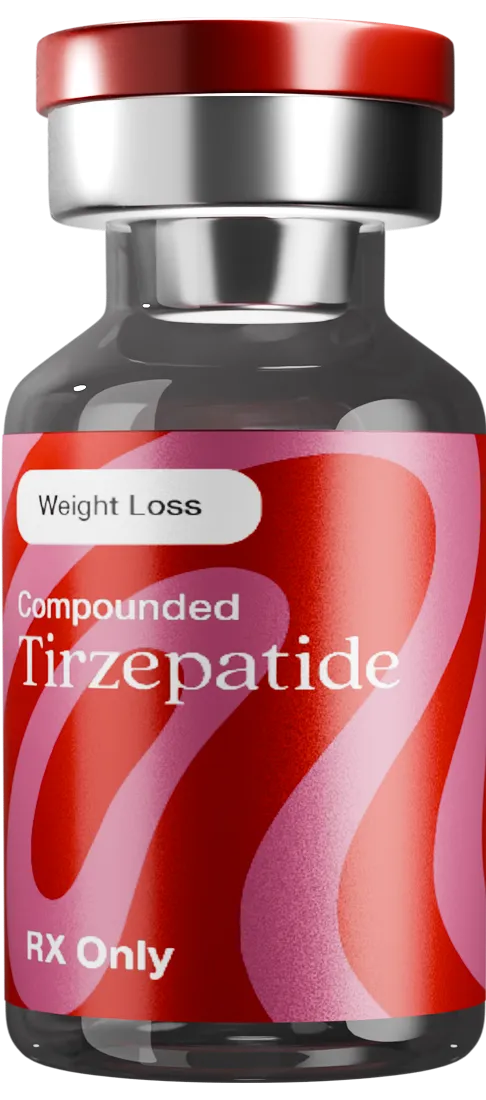
Embody Compounded Tirzepatide
Embody Compounded Tirzepatide via licensed US telehealth. Flat $119/month, normally $349. Includes all doses, provider visits and fast free shipping. No long-term commitment.