Most people tolerate GLOW well. The side effects that do show up are mild, predictable, and almost always resolve without changing the protocol. But there are a few things worth knowing before your first injection.
🔑 Key Takeaways
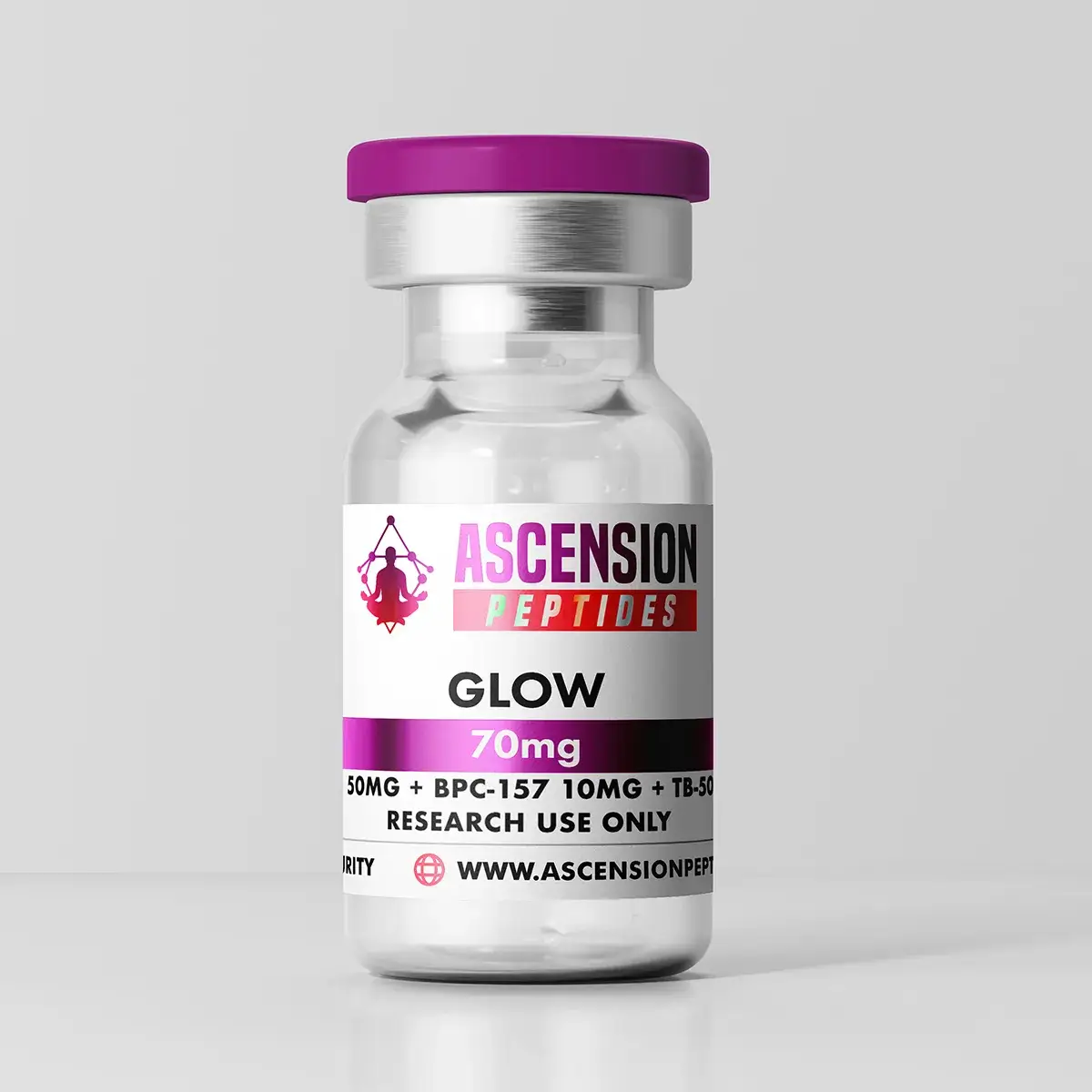
- GLOW contains three peptides (GHK-Cu 50mg, BPC-157 10mg, TB-500 10mg), and side effects from each overlap but are generally mild and temporary
- The most common side effect is injection site redness or irritation, primarily from the GHK-Cu copper component. This typically resolves within a few hours
- Some users report brief facial flushing, warmth, or a metallic taste shortly after injection, all related to the copper peptide. These fade within 30 minutes for most
- Nausea is occasionally reported, particularly at higher doses or when injecting on an empty stomach. BPC-157 is usually the cause
- No serious adverse events have been widely reported with GLOW at standard dosing protocols
- The biggest real risk isn't from the peptides themselves, it's from contaminated products sourced from unverified vendors. Always verify your supplier provides independent third-party testing
Below is every side effect documented from the GLOW blend's three components, organized by how common each one is and what to do about it.
Common GLOW Side Effects
These affect the most people.
Injection Site Reactions
The most frequently reported side effect. Redness, minor swelling, or itching at the injection site, usually appearing within minutes and resolving within 2 to 6 hours. The GHK-Cu component is typically responsible because the copper complex can cause localized irritation that pure peptides don't.
Rotating injection sites (abdomen, thigh, upper arm) reduces frequency. If redness persists beyond 24 hours or is accompanied by heat and increasing pain, that suggests possible infection from poor injection technique rather than a peptide reaction.
Flushing and Warmth
A brief sensation of facial warmth or flushing within 5 to 15 minutes after injection. This is a copper peptide effect, specifically GHK-Cu triggering mild vasodilation. It's harmless and typically fades within 30 minutes. More common with higher doses and during the first few injections, often diminishing as the body adapts.
Metallic Taste
Some users notice a brief metallic taste in the mouth shortly after injection. Again, the copper component. Lasts seconds to minutes. Drinking water resolves it. This is not a sign of anything wrong.
Mild Nausea
Occasional, more common when injecting on an empty stomach or at higher-than-recommended doses. BPC-157 is the usual cause, it affects gut motility even when injected subcutaneously. Eating a small meal 30 minutes before injection prevents it for most people.
Fatigue or Drowsiness
Uncommon, but some users report feeling mildly tired in the first few days of a new GLOW cycle. This tends to resolve by day 3 to 5 as the body adjusts. If persistent, reducing the dose for the first week then increasing may help.
Side Effects by Component
Each peptide in GLOW has its own profile.
GHK-Cu (50mg) Side Effects
As the dominant ingredient at 71% of the blend, GHK-Cu drives most of GLOW's side effects. The copper complex is bioactive and the body recognizes it as an endogenous molecule (you naturally produce GHK-Cu), but the concentrated injection dose can still trigger localized reactions.
- Injection site irritation (most common)
- Transient flushing or warmth
- Metallic taste
- Rare: temporary increase in sebum production during the first 1 to 2 weeks (skin may appear oilier before it improves)
Long-term GHK-Cu use at typical doses has not shown cumulative toxicity in community experience. Copper overload is theoretically possible but would require doses far above standard protocols. The GHK-Cu dosage page covers safe ranges.
BPC-157 (10mg) Side Effects
BPC-157 side effects are minimal at the 10mg dose included in GLOW. The most common is mild nausea, especially on an empty stomach. Occasional dizziness has been reported. BPC-157 has one of the most favorable safety profiles in the peptide space, with extensive community use data supporting tolerability at standard doses.
TB-500 (10mg) Side Effects
TB-500 is generally the quietest component in terms of side effects. Occasional reports of mild headache or fatigue, typically in the first few days. The main theoretical concern with TB-500 is its role in promoting cell migration and angiogenesis, which means people with active cancer or a strong cancer history should discuss use with their oncologist before starting any protocol containing TB-500.
What's NOT a Side Effect (But Gets Blamed on GLOW)
Some things people attribute to the blend aren't caused by it.
- "Purging" or temporary breakouts: Some users report a brief worsening of skin before improvement. This is likely accelerated cell turnover from GHK-Cu stimulating fibroblast activity, similar to retinoid purging. It's a transition effect, not a side effect, and typically clears within 1 to 2 weeks.
- Weight changes: GLOW does not affect appetite, metabolism, or body composition. Any weight changes while using GLOW are unrelated to the blend.
- Mood changes: None of the three peptides in GLOW cross the blood-brain barrier in meaningful amounts at standard doses. Mood changes during use are coincidental.
When to Stop or Seek Medical Attention
Rarely necessary, but know the signs.
- Infection at injection site: Increasing redness, warmth, swelling, and pain over 24+ hours, especially with pus or fever. This is an injection technique issue, not a peptide issue. Stop injecting at that site, clean the area, and see a doctor if it worsens.
- Severe allergic reaction: Extremely rare. Hives, throat swelling, difficulty breathing. Seek emergency care. Do not inject again until evaluated.
- Persistent or worsening nausea: If nausea doesn't resolve with dose reduction and eating before injection, pause the protocol and consult your provider.

How to Minimize Side Effects
Most are preventable.
- Rotate injection sites: Abdomen, thigh, upper arm. Never inject the same spot twice in a row.
- Start at a lower dose: If you're new to peptide blends, use a lower dose for the first 3 to 5 days to let your body adapt, then increase to the standard protocol.
- Eat before injecting: A small meal 30 minutes before injection significantly reduces nausea risk.
- Swab with alcohol: Clean the injection site and vial stopper before every injection to prevent infection.
- Use bacteriostatic water: If reconstituting, always use bac water, not sterile water. The benzyl alcohol prevents bacterial growth in the vial. See the reconstitution page for the full process.
- Store properly: Refrigerate after reconstitution. Degraded peptides cause more injection site reactions. The storage page covers the details.
Frequently Asked Questions
Medical Disclaimer: This article is for informational purposes only and does not constitute medical advice. GLOW is a peptide blend that has not been evaluated by the FDA. Individual responses vary. Consult a licensed healthcare provider before starting any injectable peptide protocol, especially if you have existing health conditions.