Pramlintide
Pramlintide Acetate (Symlin)
Get Pramlintide
Sourced from Ascension Peptides. Verified ≥Pharmaceutical grade purity, third-party tested. COA included.
Off with code
PEPTIDEDECK
Table of Contents
What is Pramlintide?
Pramlintide is a synthetic analog of amylin, a 37-amino acid peptide hormone that healthy pancreatic beta cells co-secrete alongside insulin after meals. While insulin has been the cornerstone of diabetes treatment since its discovery in 1921, amylin remained in insulin's shadow until researchers in the late 1980s identified its distinct role in glucose homeostasis.
Native human amylin presented a pharmaceutical challenge—it readily aggregates and forms fibrils, making it unsuitable for therapeutic injection. Pramlintide solves this through three strategic proline substitutions at positions 25, 28, and 29 (replacing alanine, serine, and serine respectively). These modifications prevent self-aggregation while preserving the peptide's biological activity at amylin receptors.
The FDA approved pramlintide in March 2005 under the brand name Symlin, making it the first (and still only) amylin analog available for clinical use. It's indicated as adjunctive therapy for people with Type 1 or Type 2 diabetes who use mealtime insulin but haven't achieved adequate glycemic control.
Unlike GLP-1 agonists that have garnered mainstream attention, pramlintide occupies a specific therapeutic niche—people already on intensive insulin therapy who need better postprandial glucose control and want to avoid the weight gain typically associated with insulin intensification.
Research Benefits
Reduces postprandial glucose spikes by slowing gastric emptying
Suppresses inappropriate glucagon secretion after meals
Enhances satiety and reduces food intake
Supports weight loss or prevents weight gain typically seen with insulin
Improves HbA1c when added to insulin therapy
Reduces total daily insulin requirements
Provides more physiological glucose control pattern
Addresses amylin deficiency in diabetes
How Pramlintide Works
Pramlintide works through mechanisms entirely distinct from insulin, addressing the metabolic consequences of amylin deficiency that insulin alone cannot correct. Understanding these complementary actions reveals why some diabetes patients benefit from both hormones.
Gastric Emptying Modulation
Pramlintide's most clinically significant action is slowing the rate at which food leaves the stomach and enters the small intestine. This occurs through activation of amylin receptors in the area postrema—a brainstem region outside the blood-brain barrier that can directly sense circulating peptide hormones.
Receptor activation triggers vagal efferent signals that reduce gastric motility. The practical effect: glucose from a meal enters the bloodstream more gradually rather than as a rapid surge. This timing change is critical because even well-calculated insulin doses struggle to match the rapid glucose appearance from fast gastric emptying. Pramlintide essentially "buys time" for injected insulin to work.
Slowed Gastric Emptying
Reduces the rate of glucose absorption after meals, preventing postprandial spikes.
Glucagon Suppression
Inhibits inappropriate glucagon release that elevates blood sugar after eating.
Enhanced Satiety
Activates brain pathways that signal fullness, reducing food intake naturally.
Glucagon Suppression
After meals, healthy individuals suppress glucagon secretion from pancreatic alpha cells—this prevents the liver from releasing glucose when dietary glucose is already entering the bloodstream. In diabetes, this postprandial glucagon suppression is impaired, contributing to hyperglycemia.
Pramlintide restores appropriate glucagon suppression through both direct effects on alpha cells and central nervous system signaling. This action complements insulin's glucose-lowering effect and helps explain why pramlintide improves glycemic control beyond what additional insulin alone can achieve.
Satiety Signaling
Pramlintide activates amylin receptors in brain regions controlling appetite, including the area postrema, nucleus tractus solitarius, and hypothalamus. This generates satiety signals that reduce food intake—people feel full sooner and eat smaller portions without conscious restriction.
The satiety effect, combined with slower gastric emptying, explains pramlintide's weight-neutral or weight-reducing profile. While insulin often promotes weight gain (through improved glucose utilization and anabolic effects), pramlintide counteracts this tendency.
🔑 Key Takeaways
- Pramlintide works through mechanisms completely different from insulin
- Slowing gastric emptying is the primary driver of improved postprandial control
- Glucagon suppression addresses a defect insulin cannot correct
- Satiety enhancement explains the weight benefits
Research Applications
Type 1 diabetes as adjunct to insulin
Active research area with published studies
Type 2 diabetes with mealtime insulin use
Active research area with published studies
Postprandial hyperglycemia management
Active research area with published studies
Diabetes-related weight management
Active research area with published studies
Gastroparesis and gastric motility
Active research area with published studies
Appetite and satiety regulation
Active research area with published studies
Glucagon suppression mechanisms
Active research area with published studies
Beta cell hormone replacement therapy
Active research area with published studies
Research Findings
Pramlintide's approval was based on extensive clinical trial programs involving over 5,000 patients with Type 1 and Type 2 diabetes. The evidence demonstrates consistent improvements in glycemic control, particularly postprandial glucose, when added to insulin therapy.
Type 1 Diabetes Studies
In a pivotal 52-week randomized controlled trial involving 651 adults with Type 1 diabetes, pramlintide (60 mcg at meals) plus insulin versus insulin alone demonstrated:
- HbA1c reduction of 0.29% greater than insulin alone
- Postprandial glucose increments reduced by 37-52%
- Weight loss of 1.2 kg versus weight gain of 0.8 kg in the insulin-only group
- No increase in severe hypoglycemia after the initial dose-adjustment period
The postprandial glucose improvement was particularly striking—pramlintide blunted the sharp glucose rise that occurs 60-90 minutes after meals, a pattern that's notoriously difficult to control with insulin timing and dosing alone.
Type 2 Diabetes Studies
Clinical trials in Type 2 diabetes showed similar benefits. A 52-week study with 656 patients demonstrated:
- HbA1c reduction of 0.57% greater than insulin alone (at 120 mcg dose)
- Progressive weight loss averaging 1.5-2.0 kg over the study period
- Reduced total daily insulin requirements (improved insulin efficiency)
- Significant improvement in patient-reported measures of glycemic control
Weight Effects Analysis
Pooled analysis of pramlintide studies consistently shows weight neutrality or modest weight loss, in contrast to the weight gain typically seen with insulin intensification. This is particularly meaningful because:
- Intensive insulin therapy commonly causes 2-4 kg weight gain
- Weight gain creates insulin resistance, necessitating higher doses
- The weight-dose spiral is a major barrier to diabetes management
Pramlintide breaks this cycle by replacing a hormone whose absence contributes to both hyperglycemia and excessive food intake.
Gastric Emptying Studies
Mechanistic studies using acetaminophen absorption (a marker of gastric emptying) confirmed pramlintide's effects on gut motility. In healthy volunteers and people with diabetes, pramlintide delayed gastric emptying by 40-60% compared to placebo, with the effect directly correlating with reduced postprandial glucose excursions.
Importantly, the gastric slowing is temporary—lasting approximately 3 hours—and doesn't cause the progressive gastric dysfunction seen with diabetic gastroparesis. The effect is tied to each pramlintide dose rather than accumulating over time.
🔑 Key Takeaways
- Pramlintide improves HbA1c by 0.3-0.6% when added to insulin
- Postprandial glucose spikes are reduced by 40-50%
- Weight loss of 1-2 kg contrasts with typical insulin-associated weight gain
- Benefits are maintained over long-term use
Dosage & Administration
Pramlintide dosing differs significantly between Type 1 and Type 2 diabetes, and successful initiation requires careful attention to insulin dose reduction to prevent hypoglycemia.
Dosing Protocols
| Diabetes Type | Starting Dose | Titration | Maintenance Dose |
|---|---|---|---|
| Type 1 | 15 mcg | Increase by 15 mcg every 3 days as tolerated | 30-60 mcg per meal |
| Type 2 | 60 mcg | Increase to 120 mcg after 3-7 days if tolerated | 60-120 mcg per meal |
Critical Insulin Adjustment
The insulin reduction is necessary because pramlintide dramatically improves insulin efficiency by:
- Reducing glucose peaks that required high insulin doses
- Suppressing glucagon that previously opposed insulin action
- Slowing glucose absorption, allowing insulin more time to work
Administration Technique
Timing
Inject pramlintide immediately before meals (within 15 minutes). Skip the dose if you won't be eating or if the meal contains <250 calories or <30g carbohydrates.
Separate from Insulin
Never mix pramlintide with insulin in the same syringe. Give as a separate injection, at least 2 inches from the insulin injection site.
Injection Sites
Use the abdomen or thigh for subcutaneous injection. Rotate sites to prevent lipodystrophy. The upper arm is not recommended due to variable absorption.
Storage
Store unopened pens refrigerated (36-46°F / 2-8°C). Once in use, pens can be kept at room temperature (up to 86°F / 30°C) for up to 30 days. Protect from light.
Practical Considerations
Pro Tip
Start pramlintide before the meal you find hardest to control—often dinner. Once comfortable with one meal, expand to other meals. The gradual approach reduces nausea burden and allows you to learn how your glucose responds.
The requirement for a separate injection at every meal represents the main practical barrier to pramlintide use. For someone on intensive insulin therapy with 3 mealtime doses plus basal insulin, pramlintide adds 3 more injections daily. Some patients find this acceptable for the glycemic benefits; others find it unsustainable.
🔑 Key Takeaways
- Type 1: Start at 15 mcg, titrate up to 30-60 mcg
- Type 2: Start at 60 mcg, can increase to 120 mcg
- Reduce mealtime insulin by 50% when starting—this is critical
- Never mix with insulin; always inject separately
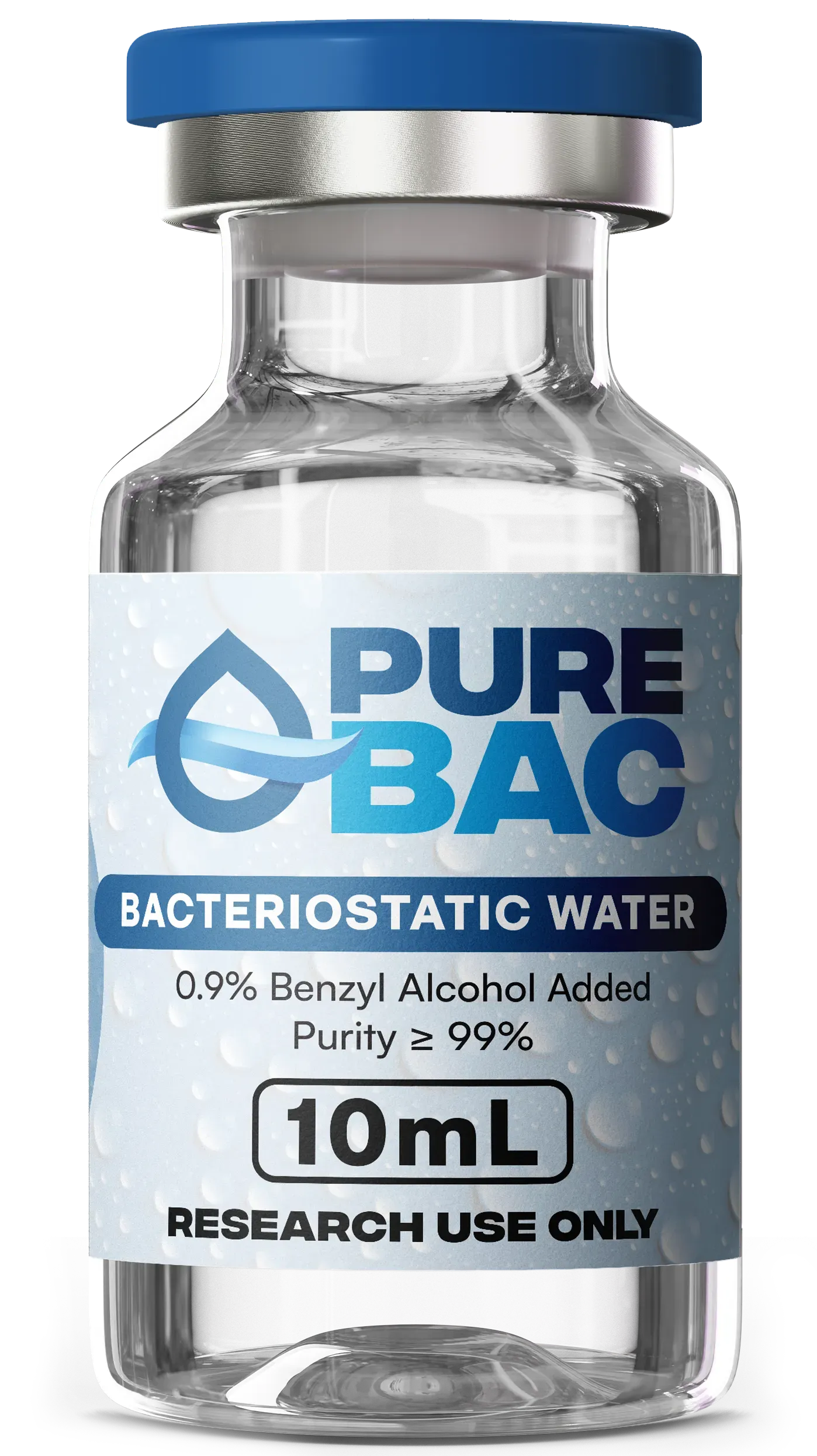
Work out your Pramlintide draw in units
Enter the vial size, the bacteriostatic water you add and the dose you want, and the calculator gives the syringe units, how long the vial lasts and when to discard it.
Open the peptide calculatorSafety & Side Effects
Pramlintide's safety profile has been characterized through clinical trials involving thousands of patients and nearly two decades of post-marketing experience. Understanding the risks allows proper patient selection and management.
Common Side Effects
Nausea (28-48%)
The most common side effect, typically mild-moderate and improving over 2-8 weeks. Slow dose titration minimizes this.
Hypoglycemia
Risk is highest when starting therapy. Prevented by reducing mealtime insulin by 50% initially.
Decreased Appetite
Often considered a benefit rather than side effect, as it contributes to weight control.
Other reported side effects include:
- Headache (5-13%)
- Injection site reactions (3-10%)
- Fatigue (3-7%)
- Abdominal pain (2-8%)
- Dizziness (2-6%)
- Vomiting (7-11%)
Hypoglycemia Risk Management
After the initial adjustment period, hypoglycemia rates with pramlintide plus insulin are similar to insulin alone. The key is proper education and insulin dose reduction during initiation. Patients should:
- Have glucagon available and know how to use it
- Monitor blood glucose more frequently during the first weeks
- Avoid driving or operating machinery until effects are understood
- Be aware that alcohol increases hypoglycemia risk
Contraindications
Pramlintide should not be used in patients with:
- Gastroparesis: Further slowing of gastric emptying can worsen symptoms
- Hypoglycemia unawareness: The inability to recognize low blood sugar makes pramlintide-associated hypoglycemia particularly dangerous
- Poor compliance: Patients who cannot reliably take insulin or monitor glucose should not use pramlintide
- HbA1c >9%: Indicates poor overall control requiring fundamental therapy adjustments first
Drug Interactions
Because pramlintide slows gastric emptying, it can affect the absorption of oral medications. Medications requiring rapid absorption or with narrow therapeutic windows should be taken at least 1 hour before or 2 hours after pramlintide injection. This includes:
- Pain medications requiring rapid onset
- Antibiotics with time-dependent absorption
- Any medication where timing of absorption is critical
🔑 Key Takeaways
- Nausea is common initially but typically resolves
- Hypoglycemia risk is manageable with proper insulin reduction
- Contraindicated in gastroparesis and hypoglycemia unawareness
- May affect absorption of oral medications