Melanotan II
Melanotan II (MT-2)
Get Melanotan II
Sourced from Ascension Peptides. Verified ≥≥99% purity, third-party tested. COA included.
Off with code
PEPTIDEDECK
Table of Contents
What is Melanotan II?
Melanotan II (MT-II) is a synthetic peptide that causes your skin to produce more melanin—the pigment responsible for skin color and tanning. Developed in the 1980s at the University of Arizona, it was originally conceived as a potential skin cancer preventive: researchers theorized that if people could develop protective tans without sun exposure, they might be less susceptible to UV-induced melanoma.
The science worked—MT-II produces dramatic tanning—but the path to approval proved complicated by unexpected side effects including sexual arousal and appetite suppression, as well as safety concerns around mole changes. The compound never achieved regulatory approval for any indication, leaving it in a gray area where it's widely used but medically unsanctioned.
Why People Use It
The primary appeal is cosmetic: deep tanning with minimal sun exposure. This attracts people who can't tan naturally (fair-skinned individuals), those who want to maintain year-round color, people concerned about UV damage from extensive sun exposure, and anyone seeking the 'look' of tanning without the time investment.
The secondary effects—increased libido and appetite suppression—are considered bonuses by some and concerns by others. Unlike PT-141, which was developed to isolate the sexual effects, MT-II delivers the full package.
The Controversy
MT-II is genuinely controversial in ways that go beyond regulatory status. The mole changes it causes—darkening existing moles and creating new ones—raise real melanoma detection concerns. Dermatologists have published warnings about its risks. Users aren't crazy; the tanning effect is real and desirable to many. But the risks are also real, and using MT-II means accepting them.
Research Benefits
Significant skin tanning with minimal sun exposure
Protective melanin increase may reduce sunburn risk
Notable increase in libido for both sexes
Appetite suppression effects
Tanning persists even without ongoing sun exposure
More even tan without typical sun damage
May help those who normally can't tan
Effects develop over 1-2 weeks of use
How Melanotan II Works
MT-II works by activating melanocortin receptors (MCRs)—a family of receptors involved in various physiological processes including pigmentation, sexual function, and feeding behavior.
The Pigmentation Pathway
MC1R (melanocortin 1 receptor) is expressed on melanocytes—the cells in your skin that produce melanin. When MT-II binds to MC1R, it triggers a signaling cascade that increases melanin production. This is the same pathway activated by α-MSH (alpha-melanocyte-stimulating hormone) and by UV exposure naturally.
The result is actual melanin—eumelanin and pheomelanin—deposited in your skin. This is real pigment, not a surface stain like spray tan. It provides some actual UV protection (though using MT-II to justify more sun exposure defeats any protective purpose).
Beyond Pigmentation
MT-II isn't selective for MC1R. It also activates MC3R, MC4R, and MC5R, each with different effects:
MC3R and MC4R (brain): These receptors regulate sexual behavior and appetite. MC4R activation, in particular, increases sexual arousal and reduces appetite. This is why MT-II produces the libido and appetite suppression effects—they're not side effects so much as additional primary effects through different receptors.
The practical result: You can't use MT-II for tanning without the other effects. Some users appreciate the package; others find the libido effects inconvenient or the appetite suppression problematic if they're trying to eat adequately.
Timing of Effects
The melanin-stimulating effect takes time—melanin must be synthesized, and skin must develop visible pigmentation. This typically requires 1-3 weeks of use. The libido and appetite effects occur more immediately, often within hours to days. The short half-life (~1 hour) means systemic levels drop quickly, but the melanin production is triggered and continues.
Research Applications
Melanogenesis and skin pigmentation
Active research area with published studies
UV protection mechanisms
Active research area with published studies
Skin cancer prevention (original research goal)
Active research area with published studies
Sexual dysfunction treatment
Active research area with published studies
Appetite and obesity research
Active research area with published studies
Melanocortin receptor pharmacology
Active research area with published studies
Erythropoietic protoporphyria treatment
Active research area with published studies
Research Findings
MT-II's research history is unusual—extensive early work on the mechanism, limited formal clinical development after safety signals emerged, and a large informal 'research' base of people using it cosmetically.
Original Development
Researchers at the University of Arizona demonstrated that MT-II effectively induced tanning across skin types, including in individuals who normally burn rather than tan. The mechanism was confirmed: MC1R activation producing eumelanin. Early trials showed efficacy but also revealed the sexual side effects that would later inform PT-141 development.
Safety Concerns in Literature
Published case reports and dermatology papers have documented concerns specific to MT-II:
Mole changes: Multiple reports document darkening and changes in existing moles, development of new nevi, and difficulty distinguishing benign changes from potential melanoma. A 2009 paper in British Journal of Dermatology specifically warned about 'Melanotan: the internet, vulnerable patients, and illegal importation.'
Case reports of melanoma: Several published cases describe melanoma diagnosis in MT-II users. Causation is difficult to establish—these individuals may have developed melanoma anyway—but the association warrants caution.
Purity concerns: Research on samples from internet suppliers has found variable purity, unknown impurities, and inconsistent dosing—adding quality concerns to the biological risks.
What Research Supports
The tanning effect is robust and well-documented. MT-II produces melanin. The sexual effects are equally well-documented, leading to PT-141 development. The appetite suppression is confirmed through melanocortin research. What's lacking: long-term safety data, proper dose-finding studies, and research on the cancer question—does MT-II protect against skin cancer (original theory) or potentially promote it (concern from mole changes)?
The Afamelanotide Path
Melanotan I (afamelanotide/Scenesse), a related but more selective peptide, did complete clinical development and achieved approval in Europe for erythropoietic protoporphyria. This validates the concept of melanocortin-based tanning but also shows that MT-II's broader receptor activity created safety issues that a more targeted compound avoided.
Dosage & Administration
No official dosing exists for MT-II. The following reflects common community practices—not medical recommendations.
Typical Protocol
Loading Phase (Weeks 1-3):
- Start very low: 0.1-0.25mg to assess nausea tolerance
- Gradually increase to 0.25-0.5mg daily
- Some users go to 0.5-1mg daily during loading
- Goal: build up melanin stimulation to visible tan
Maintenance Phase (Ongoing):
- 0.5-1mg once or twice weekly
- Frequency depends on how easily your tan fades
- Some users need only 0.5mg weekly; others need more
Administration
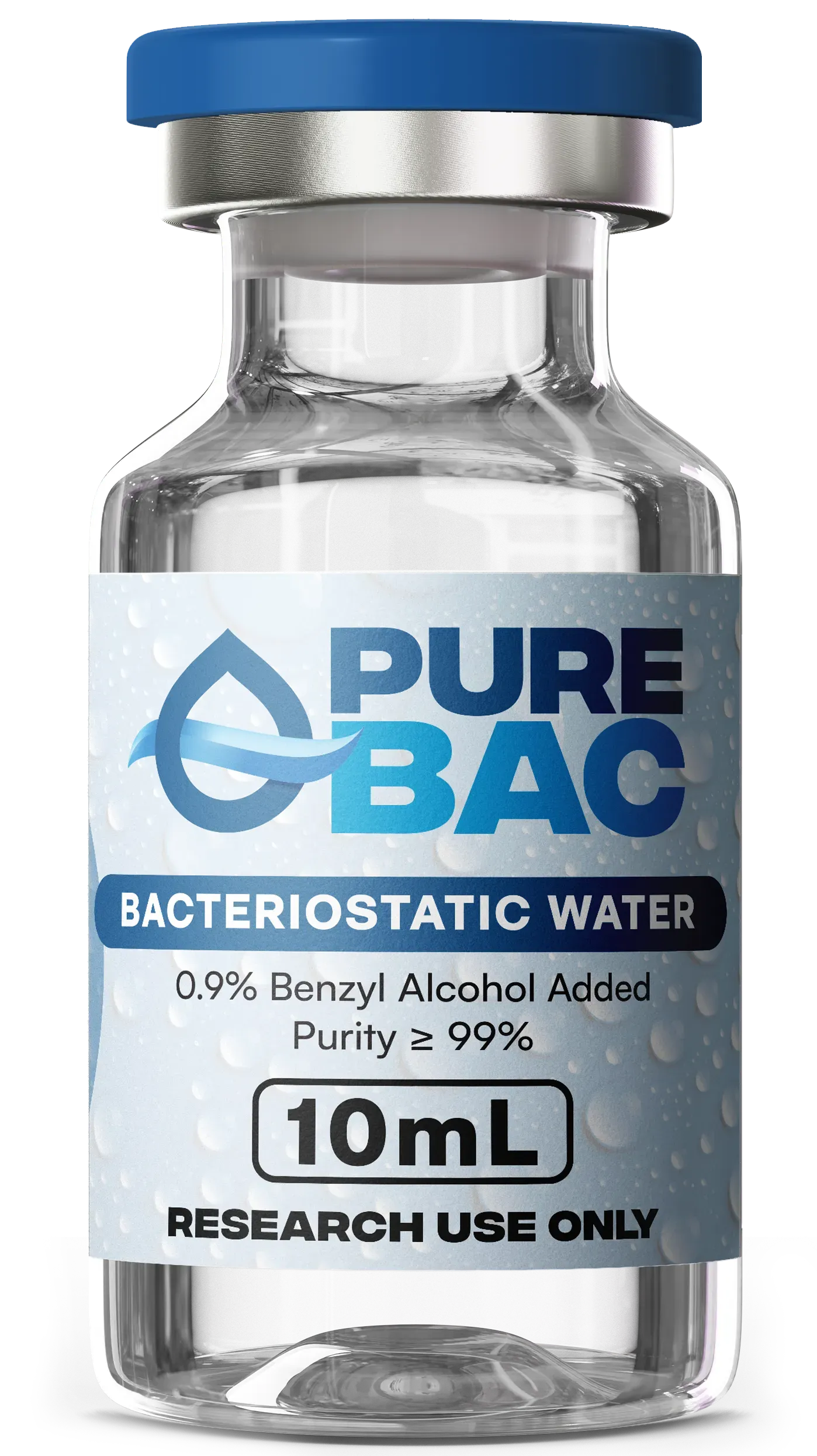
MT-II is injected subcutaneously, typically in the abdomen. The peptide comes lyophilized and requires reconstitution with bacteriostatic water. Standard technique: inject slowly, rotate sites. Many users inject before bed to sleep through nausea.
The Sun Question
MT-II will produce some pigmentation without any UV exposure. However, UV accelerates and 'activates' the melanin production. Most users combine MT-II with modest UV exposure—10-20 minutes of sun or tanning bed several times weekly during loading. This isn't necessary but produces faster, more pronounced results.
The irony: MT-II was developed to reduce UV exposure needs, but many users still seek UV to enhance results, potentially negating protective benefits.
Managing Nausea
Nausea is extremely common. Strategies: start with very low doses, inject before bed, take with food (small snack), antihistamines may help, and accept that some nausea is part of the experience for most people.
Safety & Side Effects
MT-II carries real risks that shouldn't be minimized. The tanning community has used it for years, but that doesn't constitute proven safety.
Common Side Effects
Nausea (50%+): Very common, especially during loading. Usually dose-dependent. Often manageable with strategies mentioned above.
Facial flushing: Warmth and redness after injection, usually temporary.
Fatigue/tiredness: Common in the hours after dosing.
Mole darkening: Nearly universal. Existing moles become darker and more prominent.
New mole/freckle development: Very common. Users develop spots they didn't have before.
Libido increase: Expected given the mechanism. More pronounced in men but affects women too.
Appetite suppression: Can be significant. Some users lose notable weight unintentionally.
Serious Concerns
Melanoma detection: The mole changes MT-II causes complicate skin cancer screening. Dermatologists detect melanoma by looking for mole changes—exactly what MT-II produces. This can delay diagnosis or cause unnecessary biopsies. Anyone using MT-II should have regular professional skin checks.
Possible melanoma promotion: While not proven, the theoretical concern exists. MT-II stimulates melanocytes—the cells that become melanoma. Whether this stimulation could promote malignant transformation in susceptible cells is unknown.
Priapism (rare): Prolonged erections have been reported in men, particularly at higher doses.
Unknown long-term effects: No long-term studies exist. Decades of informal use exist, but that's not the same as controlled safety data.
Who Should Avoid MT-II
- Anyone with history of melanoma or atypical moles
- Those with many moles (higher baseline melanoma risk)
- People unwilling to get regular skin checks
- Pregnant or breastfeeding women
- Anyone with cardiovascular conditions (limited data)