Peptide injections are small shots of a peptide drug given under the skin (subcutaneously), usually with a U-100 insulin syringe or a prefilled pen into the belly, thigh or upper arm. The main types of injectable peptides are GLP-1 weight-loss peptides (semaglutide, tirzepatide, retatrutide), growth hormone peptides (CJC-1295, ipamorelin, tesamorelin), healing peptides (BPC-157, TB-500), skin peptides (GHK-Cu) and libido peptides (PT-141).
If you keep seeing peptide products offered as injections, capsules, and nasal sprays, the obvious question is: why are so many of the popular ones injectable in the first place?
The short answer is simple. Most peptides are delicate molecules that are broken down quickly in the stomach and digestive tract. An injection helps them reach the bloodstream more reliably, which is why many of the best-known options for weight loss, recovery, muscle support, anti-aging, and libido are sold in injectable form.
That does not mean injectable peptides are automatically better for everyone. They are less convenient than capsules, they require better handling, and they come with a learning curve around sterile technique, storage, and reconstitution. But for many people, injections are the only format that gives the peptide a realistic chance to work the way it is intended to.
This guide walks through what injectable peptides are, why injections are so common, which peptides are most popular by goal, how injections compare with oral and nasal formats, and how to decide whether this route actually makes sense for you.
- Most common route: subcutaneous injection (under the skin)
- Why injections are used: better absorption than oral delivery for many peptides
- Most searched injectable goals: weight loss, healing, muscle support, skin and anti-aging, sexual wellness
- Best fit for: people who want stronger delivery and are comfortable with basic injection prep
- Worst fit for: anyone who wants maximum convenience or is not willing to handle sterile supplies carefully
Key Takeaways Before You Read Further
- Injectable peptides are peptides delivered by a small shot, usually under the skin.
- They are common because many peptides do not survive the digestive system well enough to work as a pill.
- Popular injectable peptides include Retatrutide, Semaglutide, BPC-157, TB-500, Ipamorelin, CJC-1295, GHK-Cu, and PT-141.
- Injections are usually more effective than capsules for peptide delivery, but they are less convenient and require better handling.
- If you are mainly looking for convenience, capsules or nasal sprays may make more sense for certain peptides.
What Are Injectable Peptides?
Injectable peptides are short chains of amino acids that are delivered by injection rather than swallowed. In most cases, the goal is to help the peptide avoid being destroyed in the stomach so more of it reaches circulation intact.
The word injectable sounds intense, but in practice most peptide users are talking about a very small subcutaneous shot with an insulin-style syringe, not a deep intramuscular injection. Common injection sites include the abdomen, upper thigh, and sometimes the upper arm depending on the product and the person using it.
These products are popular because peptides are used for a wide range of goals:
- fat loss and appetite control
- injury recovery and soft-tissue healing
- muscle retention and recovery support
- skin quality and anti-aging routines
- sexual wellness and libido support
If you are new to the category, it helps to think of injections as a delivery method first. The peptide itself determines the goal. The injection simply helps deliver it more effectively.
Why Some Peptides Are Injected Instead of Taken Orally
This is the biggest reason injectable peptides dominate the market: survival. Many peptides do not hold up well in the digestive system. By the time they pass through stomach acid and digestive enzymes, very little may be left to absorb.
An injection bypasses that problem. That usually means:
- more reliable absorption
- more predictable results
- lower chance that the active peptide is wasted during digestion
Semaglutide shows the size of the gap. On the Wegovy label the injection is kept at 2.4 mg once a week, while the Wegovy tablet needs 25 mg every day to do the same job (Wegovy label).
That is why so many high-interest products in the peptide world are injections first and capsules second. It is not just about tradition. It is about delivery.
There are exceptions. A few peptides and peptide-like compounds are available orally or as nasal sprays, and those formats can make sense when convenience matters more or when the compound is better suited to that route. If you want a deeper comparison, see our guide to oral vs injectable peptides.
Most Popular Injectable Peptides by Goal
Not all injectable peptides are used for the same reason. The best option depends entirely on what you want help with.
1. Weight Loss and Appetite Control
The weight-loss category gets the most attention by far, and it is where injections have become almost standard.
- Retatrutide: one of the most talked-about advanced options for aggressive fat-loss support and appetite control
- Semaglutide: a mainstream name for appetite reduction and slower gastric emptying
- Tirzepatide: another top injectable option for people comparing newer metabolic peptides
People who are shopping broadly for injectable peptides often start here, which is one reason best peptides for weight loss remains one of the strongest internal clusters on the site.
2. Healing and Recovery
This is the second major injectable category. These peptides are usually chosen by people dealing with nagging pain, training wear and tear, tendon issues, or recovery bottlenecks.
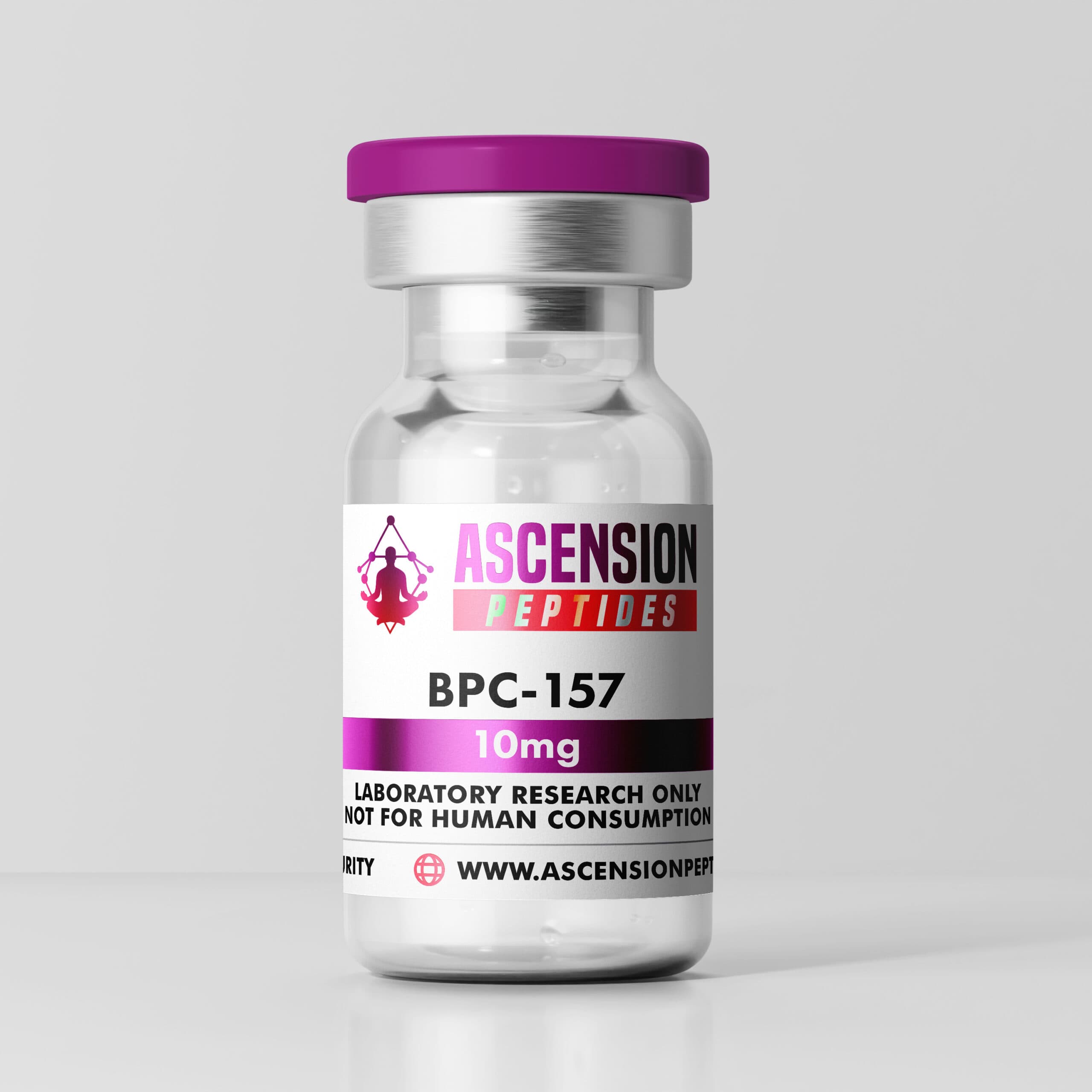
- BPC-157: the best-known recovery peptide, especially for gut support, tendons, joints, and soft tissue
- TB-500: commonly discussed for systemic recovery and tissue repair support
If recovery is your main goal, injectable delivery is especially common because users want the most dependable route possible.
3. Muscle Growth and Performance Support
For body composition, recovery quality, and growth-hormone support, injections are still the default for many people.
- Ipamorelin: a popular choice for recovery, sleep support, and lean-mass routines
- CJC-1295: often paired with Ipamorelin for a classic injectable growth-support stack
- IGF-1 LR3: a more advanced option people look at for muscle-focused cycles
We cover the wider category in our guide to the best peptides for muscle growth.
4. Anti-Aging, Skin, and Appearance
Some of the most interesting anti-aging peptides are also injectable, especially if the goal is skin quality, recovery, or whole-body support.
- GHK-Cu: widely used for skin, hair, repair, and healthy-aging routines
- Epithalon: often mentioned in longevity-focused protocols
You can also compare this route with our existing content on injectable peptides for anti-aging.
5. Libido and Sexual Wellness
Injectable peptides are also common in the sexual wellness space, where fast and dependable delivery matters.
- PT-141: one of the best-known injectable peptides for libido support in both men and women
- Kisspeptin: a more specialized option sometimes considered for hormone and libido goals
Quick Comparison: Popular Injectable Peptides by Goal
Injectable Peptides Table: Use, Dose, Frequency and FDA Status
One table, the five things people ask first.
Doses below come only from an FDA label or a named human trial. Peptides with no approval have no official dose, so their row points to our dosage guide instead. FDA status is as of November 2026; the full list of FDA-approved peptides covers every approved peptide drug.
Notice the split. The approved injections come as prefilled pens or kits with a fixed dose, while BPC-157, TB-500, CJC-1295, ipamorelin and GHK-Cu are usually sold as powder vials you mix yourself.
Injectable Peptides vs Capsules vs Nasal Sprays
Choosing the format matters almost as much as choosing the peptide. Most people are balancing three things:
- effectiveness
- convenience
- comfort
If your top priority is getting the most consistent delivery from a peptide that is known to struggle orally, injections usually win. If your top priority is simplicity, capsules or sprays may be worth considering first.
Safety, Sterility, and Reconstitution Basics
This is the part too many people skip. Injectable peptides are only as safe as your handling habits.
At a minimum, you should understand:
- Sterility matters. Dirty hands, reused syringes, or contaminated vials can create avoidable problems fast.
- Storage matters. Many peptides need refrigeration after mixing.
- Reconstitution matters. Some injectable peptides arrive as a dry powder and need to be mixed correctly before use.
- Needle choice matters. Small insulin syringes are common for subcutaneous use, but the right setup depends on the product.
- Source quality matters. Low-quality products create more risk than the injection route itself.
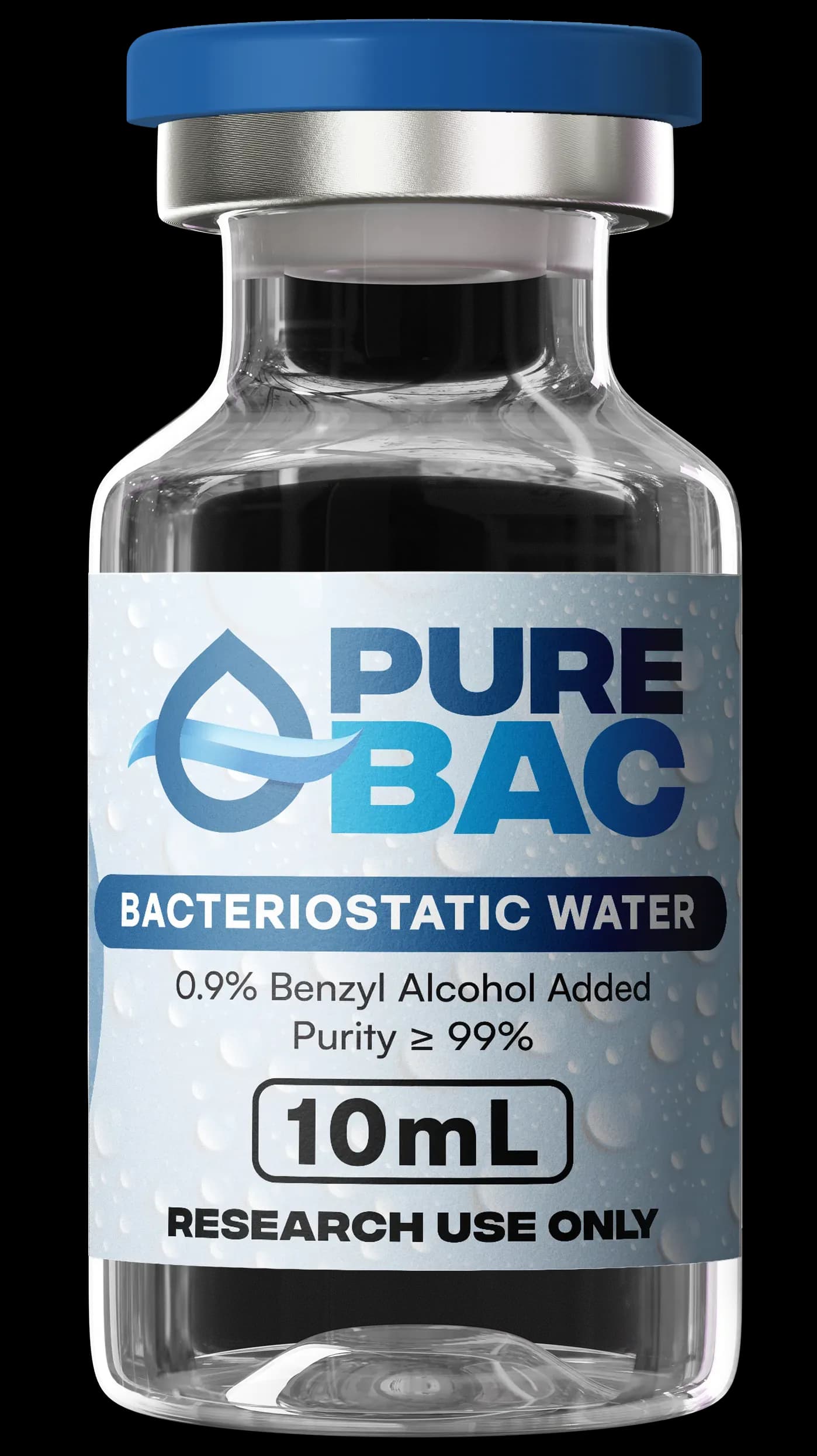
If you need help with the prep side, start with our guide to bacteriostatic water and then review any peptide-specific mixing instructions before you order.
How to Inject Peptides: The Short Version
Six steps, every time.
- Mix the vial first. Powder vials need bacteriostatic water added slowly down the side of the vial, then a gentle swirl, never a shake. Every step is in our guide to how to reconstitute peptides, and the peptide calculator turns your dose into syringe units.
- Clean up. Wash your hands, wipe the vial stopper and the injection spot with an alcohol swab and let both dry.
- Draw the dose. Use a new U-100 insulin syringe each time. One unit on that syringe is 0.01 mL.
- Pick the spot. The belly, thigh or upper arm are the sites listed on the Wegovy and Zepbound labels. Pinch a fold of skin, insert the needle and push the plunger slowly.
- Rotate. Use a different spot with each dose, as the Zepbound label instructs (Zepbound label), to avoid sore or lumpy skin.
- Dispose safely. Put the used syringe straight into a sharps container. The FDA's sharps guidance says a heavy-duty plastic household container, such as a laundry detergent bottle, can stand in if you do not have one.
Side Effects of Peptide Injections
Two kinds of side effect show up.
The first comes from the needle. Redness, itching, pain or a small bump at the injection spot are the usual complaints; in the Zepbound weight-loss trials, 6 to 8% of people on the drug reported an injection-site reaction versus 2% on placebo (Zepbound label).
The second comes from the peptide itself, and it differs by type:
- GLP-1s: nausea, diarrhea, vomiting and constipation. Nausea hit 44% of adults on Wegovy 2.4 mg versus 16% on placebo (Wegovy label), and 25 to 29% of adults on Zepbound 5 to 15 mg versus 8% on placebo (Zepbound label).
- PT-141 (bremelanotide): nausea in 40% of patients in the Vyleesi trials, plus flushing and headache (Vyleesi label).
- Unapproved vials: the extra risk is the product, not the needle. A vial with no batch test can hold the wrong amount, an impurity or bacteria, which is why sterile technique and a certificate of analysis matter.
For frequency tables by peptide class and the symptoms that mean you should stop and call a doctor, see our peptide side effects guide.
Who Should Consider Injectable Peptides?
Injectable peptides make the most sense for people who care more about delivery quality than convenience.
You may be a good fit if:
- you want the most dependable delivery route for a peptide that performs poorly as a capsule
- you are comfortable handling syringes and storage correctly
- you are targeting a goal where injections are the standard route, like weight loss or recovery
- you are willing to learn the basics instead of guessing
You may want to skip them if:
- you strongly dislike needles
- you want a zero-maintenance daily routine
- you are not comfortable managing sterile supplies
- you are chasing convenience more than maximum delivery
For a lot of people, the right answer is not “injectables are best.” It is “injectables are best for certain peptides and certain goals.”
What to Look for Before You Buy
If you are shopping for injectable peptides, focus on quality before hype.
- Look for batch testing and clear product information
- Avoid sellers that make big promises but show no proof of quality
- Choose a peptide that matches your actual goal, not just what is trending
- Start with the route you can realistically use correctly and consistently
If your main interest is injectable peptides for weight loss and appetite control, Retatrutide R-30 from Ascension Peptides is one of the strongest broad-match options to compare first. It aligns well with the biggest commercial intent behind this keyword: people exploring which injectable peptide category offers the most noticeable body-composition upside.

Frequently Asked Questions
The Bottom Line on Injectable Peptides
Injectable peptides are popular for a reason: for many compounds, they are simply the most realistic way to get dependable absorption and consistent effects. That is why so many of the biggest peptide categories — especially weight loss, recovery, and muscle support — are dominated by injectable options.
But the right choice is still personal. If you want maximum convenience, capsules and sprays may be easier to live with. If you want the strongest delivery route and are willing to handle the prep properly, injectable peptides are often the smarter move.
Before you choose one, get clear on your goal, compare the route options honestly, and make sure you are ready for the handling side — not just the promised results.
Sources
- Wegovy (semaglutide) prescribing information, revised 6/2026, DailyMed: dailymed.nlm.nih.gov
- Zepbound (tirzepatide) prescribing information, revised 8/2026, DailyMed: dailymed.nlm.nih.gov
- Vyleesi (bremelanotide) prescribing information, DailyMed: dailymed.nlm.nih.gov
- Egrifta WR and Egrifta SV (tesamorelin) prescribing information, DailyMed: Egrifta WR, Egrifta SV
- Jastreboff AM et al. Triple-hormone-receptor agonist retatrutide for obesity: a phase 2 trial. N Engl J Med. 2023;389:514-526. PMID 37366315
- FDA. Safely using sharps (needles and syringes) at home, at work and on travel: fda.gov