Tesamorelin is one of the few peptides in this entire category with real clinical credibility behind it. It is an FDA-approved GHRH analog, which immediately separates it from a lot of compounds that are mostly running on forum mythology and scattered anecdotes.
That does not mean dosing is trivial, though. Tesamorelin still rewards structure. Timing, consistency, and realistic cycle length matter because the effects people care about—especially visceral fat reduction—usually happen over months, not days.
🔑 Key Takeaways
- Typical tesamorelin dosing is 1-2mg once daily.
- Morning fasted administration is common in practical protocols.
- Most effective cycles run 3-6 months, not a rushed few weeks.
- Beginners often start at 1mg before moving to the full 2mg clinical-style dose.
For the broader picture, pair this with our Tesamorelin side effects guide, our Tesamorelin review, and related GH-axis reading like MOTS-c review.
What Is Tesamorelin? An FDA-Approved GHRH Analog
Tesamorelin (Egrifta) is the only FDA-approved growth hormone releasing hormone (GHRH) analog — approved specifically for reducing excess abdominal fat (lipodystrophy) in HIV-infected patients. For a full overview beyond dosing, see our tesamorelin review. It's structurally similar to natural GHRH but modified for improved stability and a longer duration of action.
Tesamorelin is a synthetic analog of growth hormone-releasing hormone, or GHRH. Its job is not to replace growth hormone directly, but to signal the pituitary to release more of it in a physiologic way.
That distinction matters. Direct HGH and tesamorelin are not the same thing. Tesamorelin works upstream and still relies on your own signaling system, which is one reason many people consider it a cleaner approach.
It is also the only FDA-approved GHRH peptide with a very specific claim to fame: proven visceral fat reduction, especially in the HIV lipodystrophy setting. That is a much better evidence base than most peptides ever get.
Why Tesamorelin Dosing Matters
Unlike direct GH administration, tesamorelin works through your body's own pituitary. Dosing determines whether you get meaningful GH elevation or waste compound. For comparison with other GHRH analogs, our sermorelin dosage guide covers a closely related peptide.
Tesamorelin is not a “wing it and see” compound if you actually care about outcome quality. Too little may underwhelm. Too inconsistent and you lose the whole point of a long-cycle metabolic protocol. Too aggressive and you increase the chance of side effects like edema, joint discomfort, or glucose issues.
And because the best-supported use case is visceral adipose tissue reduction, patience is built into the process. This is not a two-week vanity peptide.
Tesamorelin Dosage Protocol: 1mg to 2mg Daily
The standard tesamorelin dosage range is 1-2mg once daily by subcutaneous injection. The FDA-approved dose is 2mg daily, but many beginners prefer to test tolerance first at 1mg.
The morning fasted timing is common because it fits the metabolic goal and simplifies routine. Some protocols use other timing strategies, but morning fasted is easy, practical, and popular for a reason.
Why a 3-6 Month Cycle Usually Makes More Sense
A tesamorelin cycle is usually not short. The most meaningful results—especially for visceral fat—tend to show up over 3 to 6 months. That may sound slow, but it also reflects the compound’s real use case.
And frankly, I think this is a good thing. A peptide that works through a measurable physiologic pathway and needs time is usually more interesting than one that promises instant drama.
Phase Breakdown: Which Tesamorelin Protocol Is Right?
Tesamorelin sits in a competitive landscape alongside other growth hormone peptides. Where it shines is in the specific application of visceral fat reduction — an area where clinical data is strongest.
Start at 1mg daily if you want a conservative entry
This is especially sensible for people worried about water retention, joint discomfort, or blood sugar changes.
Move to 2mg daily if tolerance is solid
The full 2mg dose is the protocol most closely tied to the published clinical evidence.
Stay consistent for at least 12 weeks
Shorter runs often do not tell you much. Tesamorelin usually needs real time to show what it can do.
Assess at the 3- to 6-month mark
Waist size, fasting glucose, body composition, and how you actually feel matter more than scale weight alone.
How to Administer Tesamorelin
Tesamorelin is given subcutaneously. The process is straightforward but worth doing carefully because daily administration compounds sloppy habits fast.
Reconstitute gently
Add bacteriostatic water slowly and let the solution form without shaking hard.
Calculate the exact concentration
Know how much tesamorelin is in each unit on your syringe before you inject anything.
Inject into a clean subcutaneous site
Lower abdomen is common. Rotate sites so local irritation stays manageable.
Use it in the morning while fasted
That is the most common practical timing when the goal is body-composition and metabolic support.
Store properly after reconstitution
Refrigeration and clean handling matter because this is a daily-use peptide.
💡 Pro Tip
Track waist circumference, fasting glucose, and how your midsection actually changes. Tesamorelin’s biggest strength is visceral fat reduction, which does not always show up clearly on scale weight alone.
What to Expect at Each Dose Level
At 1mg daily, many users are mainly checking tolerance. This is the “let’s make sure this agrees with me” phase.
At 2mg daily, the protocol aligns much more closely with the data people cite when they talk about tesamorelin working. If the goal is real visceral-fat change, this is usually the dose that matters most.
Managing Side Effects During a Tesamorelin Cycle
Tesamorelin is well studied, but that does not mean side effects are fictional. Common issues include injection-site reactions, mild edema, joint discomfort, and possible glucose elevation.
- Start at 1mg if you are worried about tolerability.
- Monitor blood sugar markers if you are metabolically sensitive.
- Do not ignore swelling or persistent joint pain.
- Read our Tesamorelin side effects guide before pushing the dose.
Where to Source Tesamorelin for Research Use
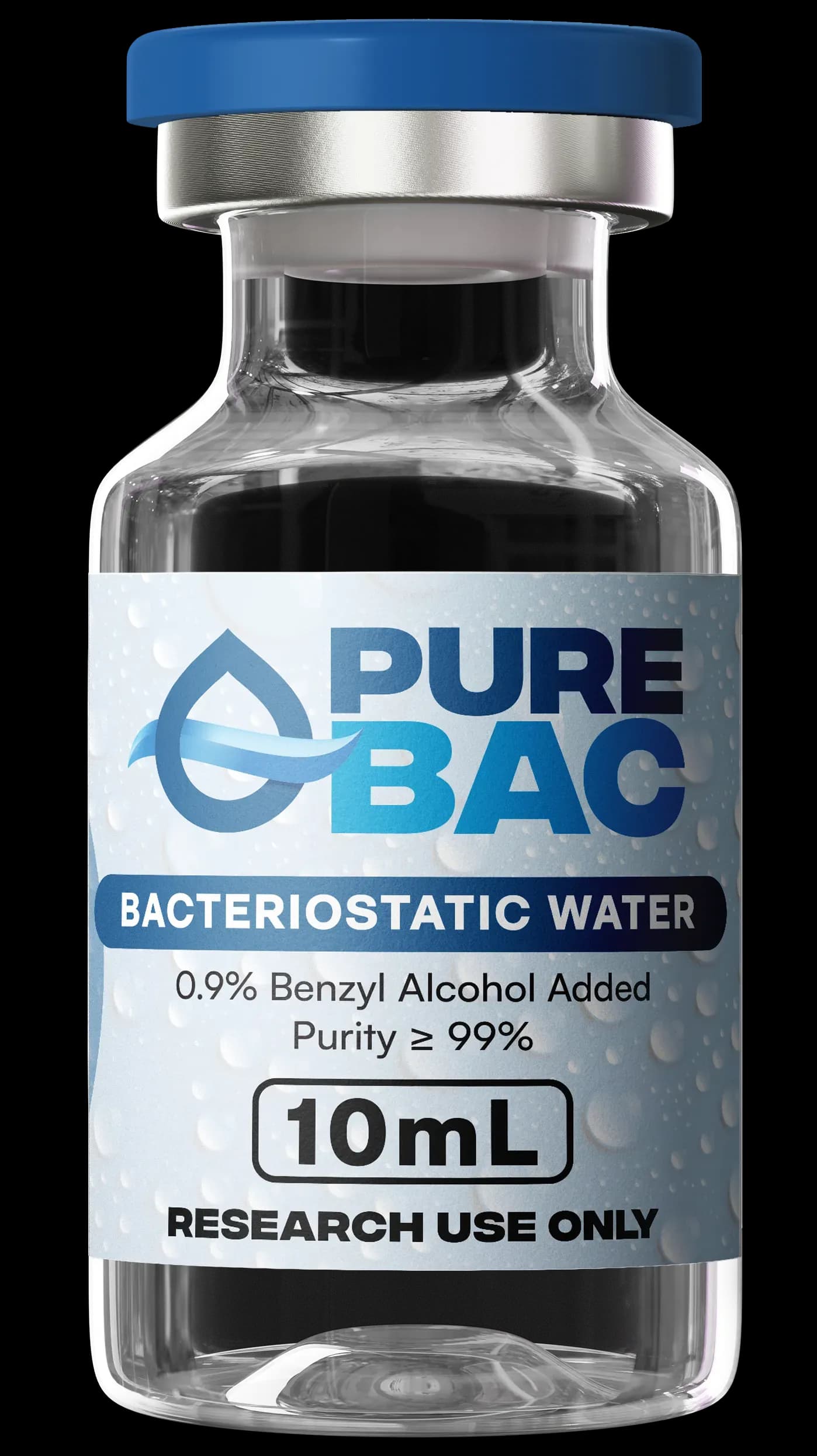
Quality matters enormously with GHRH analogs — degraded peptides simply won't stimulate GH release. Our best peptide source guide for 2026 covers vendor evaluation in detail. Some researchers also explore the AOD + tesamorelin + MOTS-c stack for comprehensive fat loss protocols.
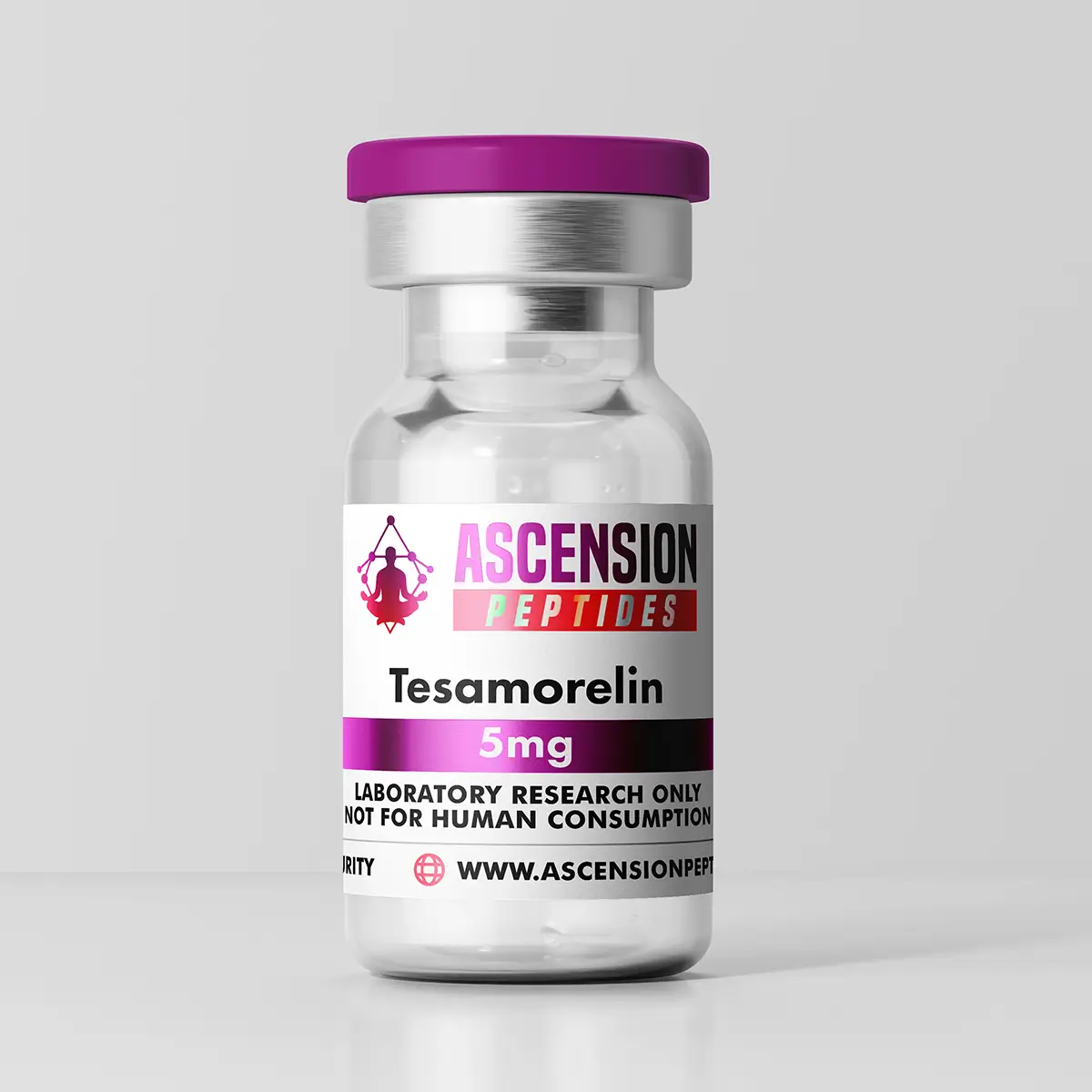
If you need a vendor reference, Ascension Peptides carries Tesamorelin 5mg here. The campaign tag matches this article slug, which keeps the affiliate tracking article-specific.
You may also want to compare tesamorelin with other metabolic or GH-related compounds like MOTS-c dosage guide and Tesamorelin review.
Tesamorelin vs Other GHRH Analogs
Tesamorelin vs Sermorelin
Both are GHRH analogs that stimulate pituitary GH release. Key differences: tesamorelin has a trans-3-hexenoic acid modification that improves stability and bioavailability compared to sermorelin. Tesamorelin is FDA-approved (for HIV lipodystrophy); sermorelin had FDA approval that was withdrawn for business reasons, not safety. In practice, tesamorelin tends to produce more consistent GH elevation, but sermorelin is more widely available and less expensive as a research peptide.
Tesamorelin vs CJC-1295
CJC-1295 (with or without DAC) is another GHRH analog. The DAC (drug affinity complex) version has a much longer half-life (days vs hours for tesamorelin), creating sustained GH elevation. Tesamorelin produces more acute GH pulses that better mimic natural physiology. For visceral fat reduction specifically, tesamorelin has the strongest clinical evidence. For general anti-aging and body recomposition, CJC-1295 (without DAC) paired with Ipamorelin is more commonly used.
Tesamorelin vs Direct GH Injection
Exogenous GH (somatropin) bypasses the pituitary entirely — you're injecting the hormone directly. This suppresses natural GH production and carries dose-dependent risks (insulin resistance, joint pain, water retention, potential tumor growth promotion). Tesamorelin stimulates your own GH production, which maintains natural feedback mechanisms. The GH elevations from tesamorelin are more modest but also more physiological — fewer side effects, preserved pituitary function, and natural pulse patterns rather than a flat, sustained GH level.
The HIV Lipodystrophy Connection
Why FDA Approved Tesamorelin
Tesamorelin was specifically studied and approved for HIV-associated lipodystrophy — a condition where antiretroviral medications cause abnormal fat accumulation in the trunk (visceral adiposity) while peripheral fat wastes away. This condition isn't just cosmetic; visceral fat accumulation is metabolically dangerous, driving insulin resistance, dyslipidemia, and cardiovascular risk.
Clinical Trial Results
In the pivotal Phase 3 trials, tesamorelin 2mg daily reduced trunk fat by approximately 15-18% over 26 weeks, with IGF-1 levels increasing by 80-100% from baseline. Importantly, the fat reduction was specifically visceral — subcutaneous fat and lean mass were largely preserved. This selective visceral fat reduction is rare among pharmaceutical interventions and is what makes tesamorelin particularly interesting for metabolic health beyond the HIV population.
Off-Label Interest
The visceral fat reduction data generated immediate interest from the broader anti-aging and body composition communities. While tesamorelin is only FDA-approved for HIV lipodystrophy, the mechanism (GHRH → pituitary GH → IGF-1 → visceral fat oxidation) works regardless of HIV status. Research-grade tesamorelin is used in non-HIV contexts for studying visceral fat metabolism, GH axis function, and anti-aging physiology.
Tesamorelin Dosing Deep Dive
The Standard 2mg Daily Protocol
The FDA-approved dose is 2mg subcutaneously once daily. This produces consistent, meaningful GH elevation without excessive IGF-1 spikes. Injection timing matters: fasted is preferred, either morning (30 minutes before breakfast) or evening (2+ hours after last meal). The fasting requirement exists because insulin suppresses GH release — eating around dosing time blunts the response.
The 1mg Starting Dose Approach
Some protocols start at 1mg daily for the first 2-4 weeks before escalating to 2mg. This isn't a formal clinical recommendation — the FDA protocol starts at 2mg — but some practitioners find it reduces initial water retention and injection site reactions. At 1mg, GH stimulation is meaningful but submaximal, giving the body time to adapt to increased IGF-1 levels.
Cycling: Why 3-6 Months Makes Sense
Continuous GHRH stimulation can lead to pituitary adaptation — the GH response diminishes over time as the somatotroph cells downregulate. Most research protocols run 3-6 months of tesamorelin followed by 2-4 months off. This cycling approach preserves pituitary sensitivity and avoids the diminishing returns of indefinite continuous use. Blood work (IGF-1) at month 3 and end-of-cycle confirms whether the GH axis is responding appropriately.
5-Days-On, 2-Days-Off Approach
An alternative to long on/off cycles: some protocols use tesamorelin 5 days per week with weekends off. This provides regular pituitary rest while maintaining most of the metabolic benefits. There's no clinical trial data directly comparing this approach to continuous dosing, but the pharmacological rationale — preventing receptor desensitization — is sound.
Tesamorelin Results: What to Expect
Weeks 1-4: Subjective Improvements
Most users report improved sleep quality within the first 1-2 weeks — deeper, more restorative sleep with more vivid dreams. Morning energy tends to improve. These effects result from enhanced nocturnal GH pulsing. Some water retention is common initially, particularly in the hands and feet. This typically resolves within 2-3 weeks as the body adjusts.
Weeks 4-8: Body Composition Begins Shifting
Subtle but measurable changes in body composition start appearing. Waist circumference may begin decreasing (visceral fat loss), and skin quality often improves (GH drives collagen synthesis). IGF-1 blood work at this point should show 50-100% elevation from baseline, confirming the GH axis is responding.
Weeks 8-16: Visible Results
This is where results become more obvious — particularly around the midsection. The selective visceral fat reduction that defines tesamorelin's mechanism becomes visible. Training recovery improves noticeably. Muscle tone often improves without significant mass gains (GH supports protein synthesis but isn't anabolic in the same way as testosterone). Skin elasticity and hair quality improvements continue.
Month 3-6: Full Protocol Benefits
The 3-6 month mark represents peak benefits for most cycles. Visceral fat reduction continues. Metabolic markers (fasting glucose, lipid profile) often improve. IGF-1 levels stabilize at elevated but physiological levels. This is the optimal point for end-of-cycle blood work before beginning the off-period.
Tesamorelin and Metabolic Health
Visceral Fat and Insulin Resistance
Visceral adipose tissue (VAT) is metabolically active — it produces inflammatory cytokines and contributes directly to insulin resistance. Reducing VAT improves insulin sensitivity, lowers fasting glucose, and reduces cardiovascular risk markers. Tesamorelin's selective reduction of visceral fat (while preserving subcutaneous fat) means the metabolic benefits are proportionally larger than the scale would suggest. A 15% reduction in trunk fat can produce meaningful improvements in metabolic health even if total body weight change is modest.
Lipid Profile Effects
Clinical trials showed tesamorelin improved triglyceride levels and shifted the lipid profile toward less atherogenic patterns. This is likely mediated both directly (GH/IGF-1 effects on hepatic lipid metabolism) and indirectly (reduced visceral fat → less hepatic insulin resistance → better lipid handling).
Non-Alcoholic Fatty Liver Disease
A 2019 randomized trial published in Lancet HIV showed tesamorelin significantly reduced hepatic fat fraction in HIV patients with NAFLD. This is relevant because NAFLD is the most common liver disease globally, and current treatment options are limited. While the study was in HIV patients, the mechanism (GH-mediated hepatic fat oxidation) is not HIV-specific, making tesamorelin an interesting research target for the broader NAFLD population.
Tesamorelin Side Effects: Complete Guide
Common Side Effects
Rare But Serious Concerns
IGF-1 elevation beyond physiological range could theoretically promote tumor growth — this is the primary long-term safety concern with any GH-stimulating therapy. In clinical trials, tesamorelin did not increase cancer incidence over the study period. However, tesamorelin is contraindicated in patients with active malignancy or a known pituitary lesion. Regular IGF-1 monitoring ensures levels stay in the therapeutic range (typically 200-350 ng/mL for adults, though optimal ranges are debated).
Glucose Metabolism
GH has counter-regulatory effects on insulin — it raises blood glucose. In clinical trials, tesamorelin caused a small but statistically significant increase in fasting glucose and HbA1c in some patients. For non-diabetic individuals, this is rarely clinically meaningful. For patients with diabetes or pre-diabetes, glucose monitoring during tesamorelin use is recommended. The improvement in visceral fat (which drives insulin resistance) may partially or fully offset the direct GH effect on glucose over time.
Who Benefits Most from Tesamorelin
Men and Women Over 40 with Stubborn Visceral Fat
If you train consistently, eat well, and still carry disproportionate abdominal fat — especially if your body fat distribution has shifted toward more trunk fat as you've aged — tesamorelin targets exactly that pattern. The age-related decline in GH production (somatopause) contributes directly to visceral fat accumulation. Restoring GH signaling with tesamorelin can reverse this specific component of age-related body composition change.
Individuals with NAFLD
The liver fat reduction data from the Stanley et al. 2019 trial is among the most exciting findings. Current NAFLD treatments are limited mostly to lifestyle changes and a single approved drug (resmetirom). Tesamorelin offers a different mechanism — GH-driven hepatic fat oxidation — that appears complementary to existing approaches. Research in non-HIV NAFLD populations is still limited but the rationale is strong.
Anti-Aging and Longevity Protocols
Tesamorelin fits naturally into protocols aimed at mitigating the metabolic consequences of aging. The combination of reduced visceral fat, improved lipid profiles, better sleep quality, enhanced skin elasticity, and improved body composition addresses multiple hallmarks of aging simultaneously. It's one of the few peptides with robust clinical trial data supporting these effects, making it a cornerstone of evidence-based anti-aging protocols.
Reconstitution and Administration Guide
Reconstitution
Tesamorelin typically comes as lyophilized powder in 2mg or 5mg vials. For a 2mg vial, add 1-2mL of bacteriostatic water. Using 1mL gives a concentration of 2mg/mL (one full dose per 1mL draw). Using 2mL gives 1mg/mL (0.5mL per mg, easier to measure partial doses). Inject water slowly along the glass wall, swirl gently, refrigerate immediately.
Injection Technique
Inject subcutaneously into the abdomen (preferred — the abdominal fat pad provides consistent absorption), alternating sides. Use insulin syringes (29-31 gauge, ½ inch). Clean the injection site with an alcohol swab. Pinch the skin, insert the needle at a 45° angle, inject slowly, release the pinch, withdraw the needle. Rotate sites by at least 1 inch between injections to prevent localized tissue changes.
Storage
Unreconstituted tesamorelin is stable refrigerated for the manufacturer's shelf life (typically 18-24 months). Once reconstituted with BAC water, refrigerate and use within 28-30 days. Don't freeze reconstituted peptide. Protect from light. If traveling, use an insulated bag with ice packs for any trips lasting more than a few hours.
Frequently Asked Questions
📚 References
- Falutz J et al. "Metabolic effects of a growth hormone-releasing factor in patients with HIV." N Engl J Med. 2007;357(23):2359-2370. PubMed
- Stanley TL et al. "Effect of tesamorelin on visceral fat and liver fat in HIV-infected patients with abdominal fat accumulation." JAMA. 2014;312(4):380-389. PubMed
- Stanley TL et al. "Effects of tesamorelin on non-alcoholic fatty liver disease in HIV." Lancet HIV. 2019;6(12):e821-e830. PubMed
- Dhillon S. "Tesamorelin: a review of its use in the management of HIV-associated lipodystrophy." Drugs. 2011;71(8):1071-1091. PubMed
- Makimura H et al. "Effects of growth hormone-releasing hormone on visceral fat, metabolic, and cardiovascular indices in human studies." Growth Horm IGF Res. 2014;24(2-3):69-75. PubMed