Tesamorelin is the only FDA-approved GHRH peptide. That alone puts it in a different category — actual trial data, not just forum anecdotes.
🔑 At a Glance
- What it is: GHRH analog — triggers natural GH release, not synthetic HGH
- FDA approved: Yes, as Egrifta® (2010) for HIV-associated lipodystrophy
- Key result: 18% visceral fat reduction vs placebo in Phase III trials
- Standard dose: 2mg/day subcutaneous, bedtime, 7 days a week (5 on / 2 off is an off-label variant)
- Half-life: ~26 min — pulsatile GH release is the whole point
- Timeline: Noticeable results at 6–12 weeks
- Not for: Subcutaneous fat or cosmetic weight loss — targets deep abdominal VAT
Strong Evidence Base
Backed by multiple RCTs and FDA review — rare in the peptide space.
Visceral Fat Reduction
Targets deep abdominal VAT specifically — the fat tied to metabolic disease.
Natural GH / IGF-1 Support
Stimulates endogenous GH release instead of bypassing the feedback system.
Emerging Cognitive Data
2012 clinical trial showed favorable effects on memory and executive function in older adults.
What Is Tesamorelin? FDA Approval & Background
Tesamorelin (also known as tesamorelin acetate or TH9507) is a synthetic 44-amino acid polypeptide analog of growth hormone-releasing hormone (GHRH). It was developed by Theratechnologies Inc. and approved by the FDA in November 2010 under the brand name Egrifta® — later updated to Egrifta SV® — specifically for the reduction of excess abdominal fat in HIV-infected adults with lipodystrophy. If you are weighing it against the newer weight loss injections, we compared the two in tesamorelin vs retatrutide.
HIV-associated lipodystrophy is a condition where antiretroviral therapy triggers abnormal fat redistribution — fat accumulates in the visceral (deep abdominal) region while subcutaneous fat is lost from the limbs and face. This isn't a cosmetic inconvenience: visceral fat accumulation in this population is tied to elevated cardiovascular risk, insulin resistance, and metabolic syndrome.
FDA approval means tesamorelin went through the full Phase II and Phase III trial process. That's a different standard than the typical research peptide that circulates online with minimal human data.
Mechanism of Action: How Tesamorelin Works
The pathway is clean and well-understood:
- Tesamorelin binds to GHRH receptors in the anterior pituitary gland — the same receptors the body's own GHRH activates.
- Pituitary somatotrophs respond by synthesizing and secreting growth hormone (GH) in pulsatile bursts that mimic the body's natural rhythm.
- GH acts on adipocytes, hepatocytes, and myocytes — fat cells, liver cells, and muscle cells respectively.
- The liver converts GH signals to IGF-1 (insulin-like growth factor 1), which mediates most of the downstream metabolic effects including lipolysis (fat breakdown) and muscle protein synthesis.
- A negative feedback loop prevents overshoot — somatostatin rises as GH climbs, keeping the pulsatile response physiologically normal rather than pharmacologically supraphysiological.
This feedback preservation is a key advantage over direct HGH injections. With exogenous HGH, you bypass the regulatory system. With tesamorelin, you are working with it. GH levels remain elevated but within a physiologically coherent range.
Pharmacokinetics & Half-Life
Tesamorelin has a short plasma half-life of approximately 26 minutes following subcutaneous injection. This might seem brief, but it is by design. GHRH is naturally short-lived — it operates in pulses, not sustained elevations.
The key modification in tesamorelin's structure (a trans-3-hexenoic acid group added to the N-terminal end) improves stability compared to native GHRH while preserving the pulsatile signaling model. This modification increases resistance to dipeptidyl peptidase-IV (DPP-IV) degradation, extending bioactivity compared to unmodified GHRH.
Despite the short half-life, the downstream GH pulse lasts considerably longer — peak GH levels typically occur 30–60 minutes post-injection, with IGF-1 elevation that accumulates over days and weeks of consistent use.
Clinical Trial Data: What the Numbers Show
This is where tesamorelin separates itself from almost every other peptide in the category. The evidence is not anecdotal — it comes from randomized, placebo-controlled trials in peer-reviewed journals.
- 52-week Phase III trial (2010, NEJM): 404 HIV patients with lipodystrophy. The tesamorelin group (2mg/day) saw an 18% reduction in visceral adipose tissue vs. placebo at 26 weeks. Benefits were maintained at 52 weeks with continued treatment.
- VAT reduction absolute: Approximately 17.8 cm² mean reduction from baseline in the treatment group vs. 0.5 cm² in placebo
- Subcutaneous fat: No significant effect — tesamorelin is specific to visceral fat
- Lipid profiles: Triglycerides and total cholesterol improved significantly in treated patients
- Muscle mass: A 2018 analysis of two RCTs confirmed tesamorelin increased skeletal muscle area and density
- Cognition (2012 trial): 152 healthy adults and those with mild cognitive impairment received 1mg tesamorelin for 20 weeks — showed favorable effects on executive function, verbal memory, and visual memory
One important caveat: the majority of this data comes from HIV-positive subjects with lipodystrophy. Studies in healthy, non-HIV populations are limited. However, researchers generally believe the mechanisms translate — visceral fat accumulation driven by metabolic dysfunction responds similarly regardless of its origin.
What Tesamorelin Is Best At
The clearest case for tesamorelin is visceral adipose tissue (VAT) reduction. Not generic fat-loss hype — actual visceral fat, the deeper abdominal fat wrapped around organs that is tied to worse outcomes for diabetes, cardiovascular disease, and metabolic syndrome.
That specificity is the reason this peptide gets consistent respect. It isn't trying to be everything. It has a lane, and the lane is meaningful. No other peptide has this level of clinical validation for this specific outcome.
Secondary benefits with reasonable evidence support:
- Improved lipid profiles — reduced triglycerides and total cholesterol in trials
- Increased skeletal muscle area and density — confirmed in clinical analysis
- Cognitive support — especially in older adults and those with mild cognitive impairment
- Cardiovascular risk reduction — indirectly, through VAT reduction; a 2025 paper confirmed reduced CV risk markers in HIV patients
Off-Label Use: Beyond HIV Lipodystrophy
In practice, tesamorelin is increasingly prescribed and used off-label for:
- General visceral fat reduction in metabolically healthy adults — particularly those with abdominal obesity resistant to diet and exercise
- Anti-aging and longevity protocols — as part of GH optimization stacks for adults with age-related GH decline
- Bodybuilding and physique optimization — valued for the combination of fat loss and muscle density improvement without direct anabolic effects
- Cognitive enhancement — gaining attention in the longevity medicine community for the IGF-1/brain connection
The bodybuilding community typically uses it at 1–2mg/day in 8–12 week cycles, often stacked with ipamorelin (a GHRP that further boosts GH pulse amplitude through a complementary receptor pathway). The combination of a GHRH analog + a GHRP is considered a more physiologically complete approach to GH optimization.
Tesamorelin Dosing Protocol
Injection technique: Subcutaneous injection into the abdomen (below the navel), rotating injection sites with each dose to prevent lipohypertrophy. Use a 29–31 gauge insulin syringe. Reconstitute the lyophilized powder with bacteriostatic water and inject the clear solution immediately or refrigerate (do not freeze) for up to a few days.
Timing note: Bedtime dosing aligns with the body's natural GH pulse, which peaks in the first hours of deep sleep. Dosing in a fasted state (or at least 1–2 hours after the last meal) avoids insulin elevation that could blunt the GH response.
Side Effects
Tesamorelin has a favorable safety profile relative to direct HGH, but side effects do occur. From clinical trial data:
- Injection site reactions: redness, swelling, itching, bruising (~25–35% of subjects)
- Arthralgia (joint pain): ~8–13%
- Peripheral edema (water retention): ~5–8%
- Myalgia (muscle aches): ~7%
- Nausea: ~5%
- Mild fatigue at onset: common but typically resolves within 2–4 weeks
Less common but possible:
- Headache
- Tingling or numbness in extremities (paresthesia)
- Elevated fasting glucose or insulin resistance — monitor in predisposed individuals
- Carpal tunnel syndrome-like symptoms with prolonged use
Importantly, clinical trials showed no significant elevation in fasting glucose at the 2mg/day dose over 52 weeks — a key safety marker given the metabolic context of most users. Still, anyone with pre-diabetes or insulin resistance should monitor glucose when using tesamorelin.

Contraindications: Who Should Not Use Tesamorelin
- Active malignancy (cancer) — growth hormone stimulation may promote tumor growth
- Pituitary gland disorders — hypopituitarism, pituitary tumors, or post-pituitary surgery (the pathway requires an intact pituitary)
- Pregnancy or breastfeeding — safety not established
- Known hypersensitivity to tesamorelin or mannitol (an excipient in the formulation)
- Disruption of the hypothalamic-pituitary axis from head trauma, radiation, or surgery
Tesamorelin vs. Sermorelin vs. CJC-1295: Comparison
The bottom line: tesamorelin wins on evidence quality, particularly for visceral fat. Sermorelin is the better value option for general GH support when the VAT-specific data isn't needed. CJC-1295 (no DAC) fits best in combination stacks with GHRPs like ipamorelin.
Before & After: Timeline of What to Expect
- Week 1–2: Adjustment phase. Possible injection site reactions, mild joint soreness, occasional fatigue. Some users notice improved sleep quality.
- Week 3–6: IGF-1 levels are elevated. Early body composition changes may begin — subtle tightening around the midsection. Energy and recovery improvements become noticeable.
- Week 6–12: The window where most users begin to see measurable results. Waist measurements typically start declining. Scale weight may not drop significantly (muscle mass increases offset fat loss).
- 3–6 months: Peak results territory, particularly for visceral fat. Clinical trials showed continued benefit through 52 weeks with no plateau in the treatment group.
- After stopping: Visceral fat typically returns within months of discontinuation. Tesamorelin does not produce permanent fat redistribution — ongoing use is required to maintain results.
Cost Comparison: Prescription vs. Research Peptide
Prescription Egrifta® through a US pharmacy runs $1,500–$3,000+ per month at full retail without insurance — one of the most expensive branded peptide medications available. With HIV-associated lipodystrophy diagnosis, insurance coverage is possible but inconsistent.
Research-grade tesamorelin from peptide vendors typically costs $50–$80 for a 5mg vial ($25–$40 for 2mg vials). A month at 2mg/day uses roughly 60mg — making research-grade cost approximately $600–$900/month even at the lower per-vial prices. Not cheap relative to sermorelin or CJC-1295, but significantly less than the prescription pathway.
If cost is a primary concern and the FDA-validation is less important, sermorelin offers a more accessible starting point with overlapping GH-support benefits. See our sermorelin review for that comparison.
How Tesamorelin Compares With Other GH-Related Peptides
Tesamorelin feels more serious than most GH peptides because the data quality is higher. Compared to sermorelin, it generally looks more potent and more specifically validated for visceral fat. Compared to CJC-1295 or ipamorelin, it is less flashy but more defensible when someone asks "where's the evidence?"
And compared to direct HGH, tesamorelin has the advantage of stimulating the body's own signaling pathway rather than bypassing it. GH remains pulsatile and feedback-regulated — not the flat-line elevation you get from injecting HGH directly. For many people, that's the whole appeal.
What Holds Tesamorelin Back?
Three things: cost, daily injections, and the fact that results disappear when you stop. It is also not the compound for people who need to "feel" something working. Tesamorelin shows up in measurements — body composition scans, waist measurements — more than in subjective sensation.
That can actually be a strength. Measurable results without a stimulant-like effect means less potential for misuse. But impatient users sometimes underrate it because there's no immediate feedback.
Value Assessment: Is It Worth It?
If your priority is evidence quality and visceral-fat reduction, tesamorelin is one of the best peptide options available. If your priority is convenience or cost, it is less impressive. Daily injections and a months-long commitment are not casual.
So is it worth it? Yes — for the right user. Specifically: someone who wants the most clinically-validated option, is willing to commit to a consistent protocol, and values legitimate data over novelty. For general GH support at lower cost, sermorelin is a reasonable alternative.
Where to Source Tesamorelin for Research Use
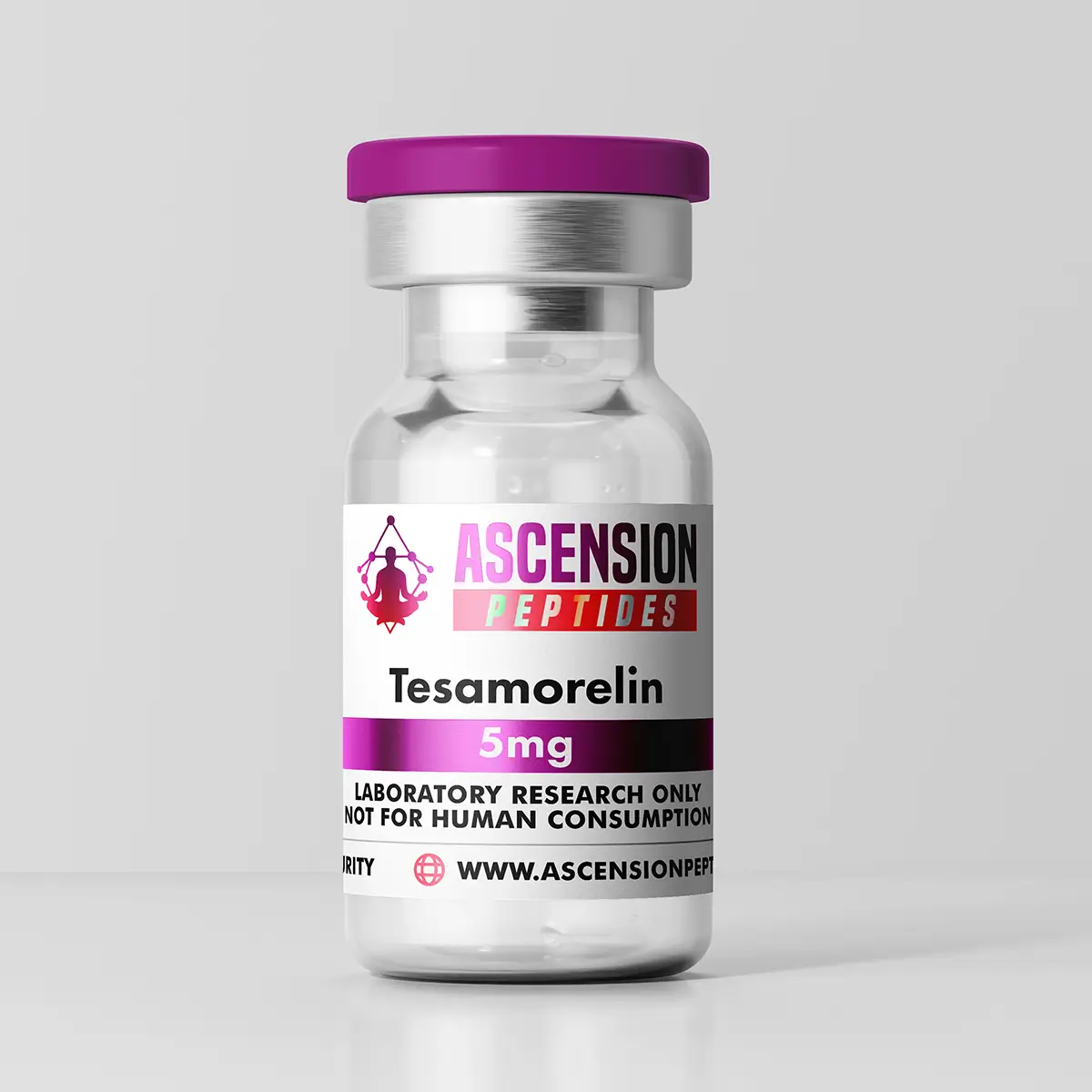
If you need a reference vendor, Ascension Peptides carries Tesamorelin 5mg here. Daily use magnifies any quality issue fast — sourcing from a vendor with third-party testing matters more with this compound than with most.
If Tesamorelin isn't available or you're looking for a lower-cost GHRH option to start with, Ascension Peptides also carries Sermorelin 10mg here — the closest functional alternative.