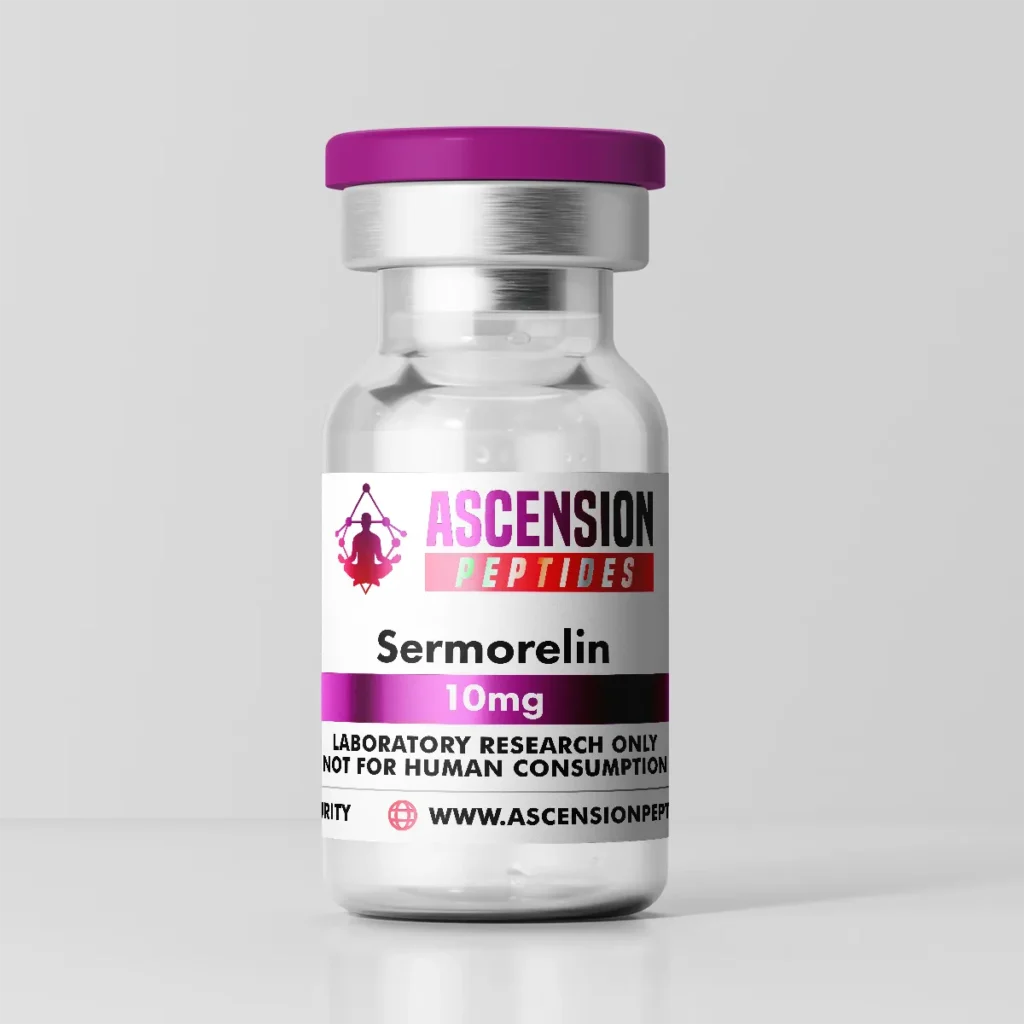
Sermorelin Dosage Guide: Optimal Dosing Protocol & Frequency (2026)
Sermorelin is a synthetic analog of growth hormone releasing hormone (GHRH), specifically the biologically active N-terminal 29-amino-acid fragment of endogenous GHRH (1–29 NH2). It works by binding to GHRH receptors in the pituitary, stimulating the pulsatile release of endogenous growth hormone. Unlike exogenous recombinant GH (rhGH), which bypasses the body's feedback mechanisms, sermorelin preserves natural GH regulation — pulsatile release, somatostatin feedback, and IGF-1 suppression remain intact. This makes sermorelin one of the most physiologically congruent GH axis stimulants studied in research, and the approach to dosing reflects that: timing around the natural nocturnal GH pulse is central to most protocols.
- Typical research dose: 200–500 mcg per injection
- Frequency: Once daily, preferably at bedtime
- Route: Subcutaneous (SubQ)
- Cycle length: 3–6 months (anti-aging models), 8–12 weeks (performance research)
- Reconstitution: 2 mL BAC water per 6 mg vial = 3,000 mcg/mL
Standard Sermorelin Dosage Protocols
Sermorelin dosing in the research literature ranges from 100 mcg to over 500 mcg per day, with the most commonly cited human-relevant doses falling between 200–500 mcg. The dose-response relationship is not strictly linear — beyond a certain threshold, pituitary desensitization and increased somatostatin feedback limit marginal gains from higher doses:
Note that sermorelin was previously FDA-approved as Geref for pediatric GH deficiency at doses up to 30 mcg/kg/day — a clinical reference point that informs research dosing frameworks. For a comparison of sermorelin against other GHRH-based peptides, see the Growth Hormone Peptides Ranked overview. The Sermorelin Complete Guide covers the peptide's full mechanism and research history.
Injection Frequency
Sermorelin's half-life is extremely short — approximately 10–20 minutes in circulation. This rapid clearance means each injection produces a discrete, time-limited GH pulse. For most research applications, once-daily dosing at bedtime is the standard approach:
- Once daily at bedtime (standard): Capitalizes on the circadian rhythm of GH secretion. The largest natural GH pulse occurs approximately 1–2 hours into sleep (slow-wave sleep phase). Injecting sermorelin 30–60 minutes before sleep amplifies this pulse, making bedtime the most pharmacologically efficient single injection window.
- Twice daily: Some advanced research protocols add a second injection — typically in the morning fasted state — to produce an additional midday GH pulse. This doubles daily GH output in models where sustained IGF-1 elevation is the primary endpoint. Not typical for standard anti-aging protocols.
- Pre-sleep + pre-training: In exercise science models, researchers may add an injection 30–60 minutes before a training session to assess whether exercise-associated GH synergizes with sermorelin-induced release.
Unlike ipamorelin, sermorelin does not require fasting to the same degree, though avoiding high-carbohydrate meals within 2 hours of injection is still recommended to minimize somatostatin-mediated GH suppression.
Cycle Length
Sermorelin's cycle length in research contexts varies significantly by application:
Short-cycle (8–12 weeks)
Used in performance-focused research, this cycle length provides sufficient time to observe changes in IGF-1, lean body mass markers, and recovery metrics. A 4-week washout follows before re-initiation.
Extended cycle (3–6 months)
The hallmark of anti-aging and GH deficiency research protocols. Sermorelin's physiological mechanism (preserving feedback regulation rather than bypassing it) makes extended cycles more compatible than exogenous rhGH. In clinical practice prior to its market withdrawal, sermorelin was often administered for 3–6 months continuously as a GH optimization therapy. Research frameworks mirror this timeline.
Continuous long-term administration
Some longevity research models examine sermorelin over 9–12 months. Pituitary receptor desensitization is a theoretical concern with continuous GHRH stimulation, though in practice the preserved somatostatin feedback loop appears to prevent significant downregulation in studies up to 6 months. Periodic IGF-1 monitoring is standard in long-term protocols.
Reconstitution Guide
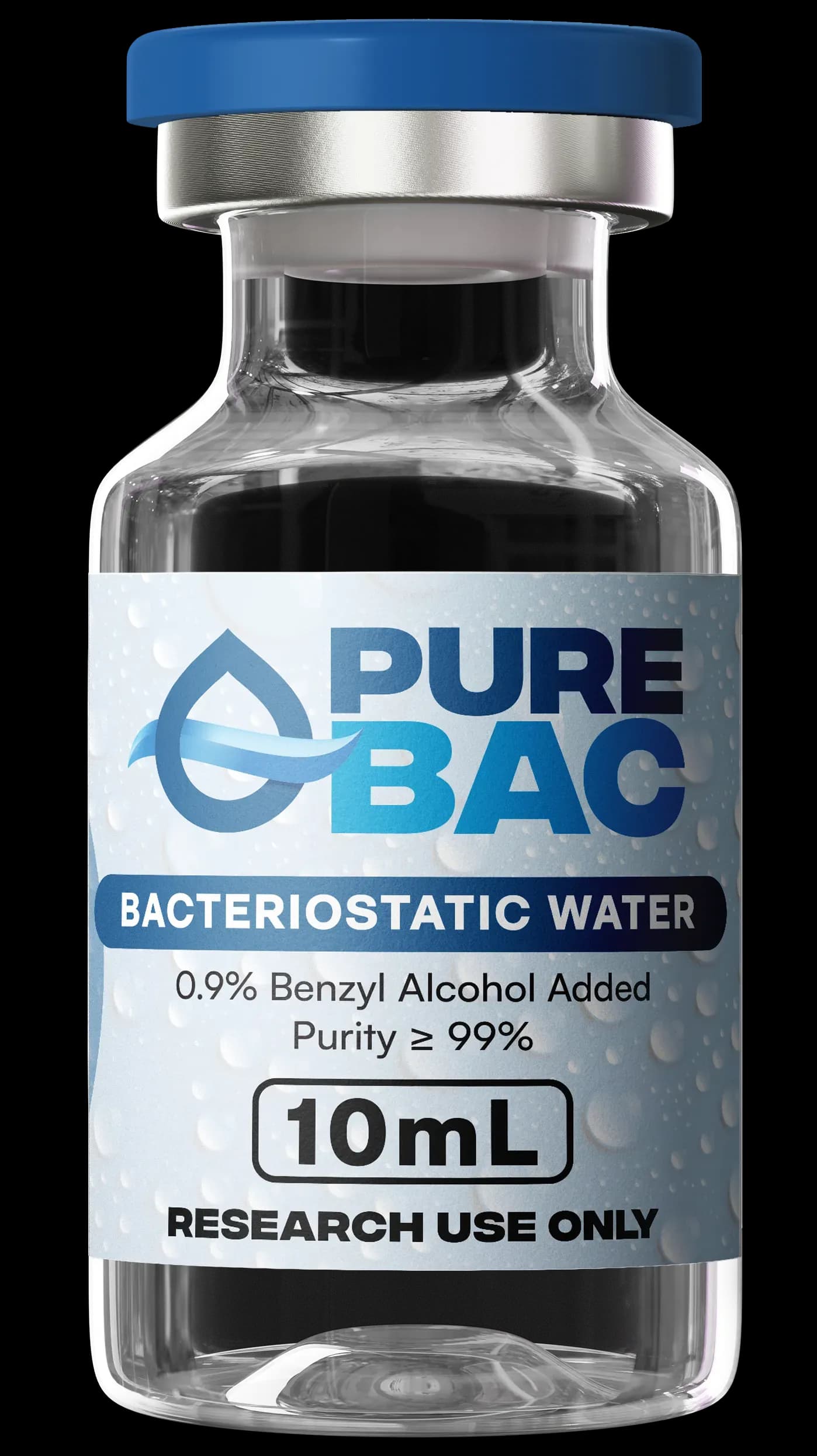
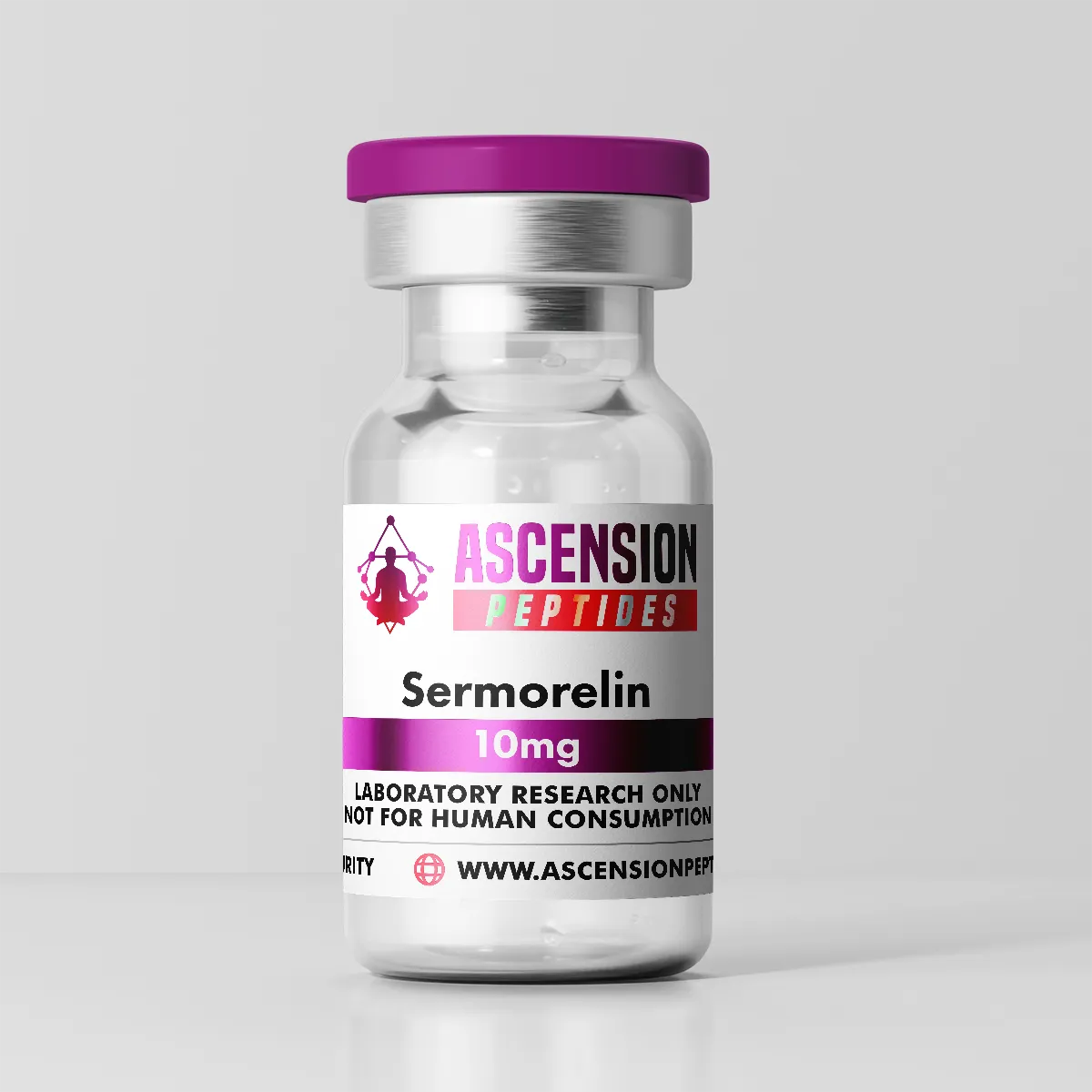
Sermorelin is commonly supplied in 6 mg multi-dose vials (some suppliers provide 2 mg, 3 mg, or 9 mg). Reconstitute with bacteriostatic water (BAC water) to preserve stability across multiple uses.
Step-by-step reconstitution
- Allow the vial to reach room temperature before reconstitution.
- Wipe the rubber stopper with an alcohol swab and let it dry.
- Draw 2 mL BAC water for a standard concentration, or scale as needed (see below).
- Insert the needle and allow the water to run gently down the glass wall. Do not inject directly onto the lyophilized cake.
- Gently swirl until clear and fully dissolved. Do not vortex.
- Label with reconstitution date and store at 2–8°C.
Resulting concentrations (6 mg vial)
- 2 mL BAC water → 3,000 mcg/mL (300 mcg dose = 0.1 mL)
- 3 mL BAC water → 2,000 mcg/mL (300 mcg dose = 0.15 mL)
- 6 mL BAC water → 1,000 mcg/mL (300 mcg dose = 0.3 mL)
The 2 mL dilution is most common. Reconstituted sermorelin in BAC water should be stored at 2–8°C and used within 28 days. Sermorelin is one of the less stable peptides when reconstituted — minimize freeze-thaw cycles and avoid prolonged room-temperature exposure.
Injection Guide: SubQ Administration
Sermorelin is administered subcutaneously in virtually all research and clinical protocols. IM delivery has been used but offers no meaningful advantage and increases injection burden.
SubQ technique
Use a 29–31 gauge, 0.5-inch insulin syringe. Recommended injection sites:
- Abdomen: 1–2 inches lateral to the navel. The standard site — well-vascularized fatty tissue with consistent absorption.
- Outer thigh: Lateral quadricep region. Good secondary site for rotation.
- Upper arm (posterior): The tricep area; used for self-injection when abdominal sites are uncomfortable.
Rotate sites across a cycle to avoid localized fat atrophy. Inject slowly and hold the needle in place for 5–10 seconds after injection to minimize leakage.
Timing relative to meals and sleep
- Administer 30–60 minutes before bed
- Last meal should be at least 2 hours prior (ideally low-carbohydrate)
- Do not eat after injection until morning for optimal fasted GH pulse
- Alcohol in the evening is avoided in research protocols as it suppresses nocturnal GH release
Stacking Sermorelin
Sermorelin as a GHRH analog pairs most powerfully with GH releasing peptides (GHRPs), which act on a distinct receptor class. This dual-receptor stimulation produces a synergistic GH pulse:
- Sermorelin + Ipamorelin: The most studied sermorelin combination. Co-administering sermorelin and ipamorelin in the same pre-sleep injection produces a GH pulse significantly larger than either alone. Standard dosing: sermorelin 200–300 mcg + ipamorelin 200–300 mcg at bedtime. This stack replicates the GHRH + GHRP dual-pathway model used in clinical research.
- Sermorelin + CJC-1295: CJC-1295 (without DAC) is a modified GHRH analog with similar mechanisms but longer half-life (~30 minutes vs 10–20 minutes for sermorelin). The two can be alternated cycle to cycle rather than combined (since both are GHRH-class), though some researchers combine them at half-doses for a synergistic GHRH effect. See the CJC-1295 Dosage Guide.
- Sermorelin + BPC-157: Used in recovery-focused research. Sermorelin provides the GH axis anabolic signal; BPC-157 handles local tissue repair. They operate via independent mechanisms with no known interactions.
Side Effects & Safety Considerations
Sermorelin's physiologically congruent mechanism of action contributes to its favorable safety profile relative to exogenous GH. Key considerations:
- Flushing and warmth: A transient warm or flushed sensation immediately following injection is common and resolves within minutes. More pronounced at doses ≥500 mcg. Thought to be related to vasodilatory effects.
- Injection site redness: Mild erythema at the injection site. Usually resolves within 30–60 minutes. Rotating sites and using proper SubQ technique minimizes this.
- Headache: Reported occasionally, particularly during the first week of a cycle. Typically mild and transient.
- Swallowing difficulty or taste disturbance: Rarely reported; possibly related to the short GH pulse and its effects on fluid regulation.
- Water retention: Mild fluid retention is common in the first 2 weeks due to GH-mediated effects on aldosterone. Usually self-limiting.
- IGF-1 elevation: Sustained sermorelin use raises IGF-1. Monitoring is recommended in long-cycle protocols. Unlike rhGH, the feedback regulation of the HPA axis limits supraphysiological IGF-1 elevation.
- Pituitary health: Theoretical concern with extended continuous GHRH stimulation, though this has not been clinically demonstrated. The preserved somatostatin brake provides a natural buffer.
- No suppression of natural GH axis: A key distinction from exogenous GH. Sermorelin works through the body's own release mechanisms and does not suppress endogenous production.
Frequently Asked Questions
This article is intended for informational and research purposes only. Sermorelin is a research peptide and, while previously FDA-approved under certain conditions, is not currently marketed for general use. Nothing in this article constitutes medical advice or a recommendation for human use outside of licensed medical practice. All dosing information is based on preclinical research and historical clinical data. Consult a qualified healthcare professional before considering any peptide use.