Growth Hormone Releasing Hormone (GHRH) Analogues
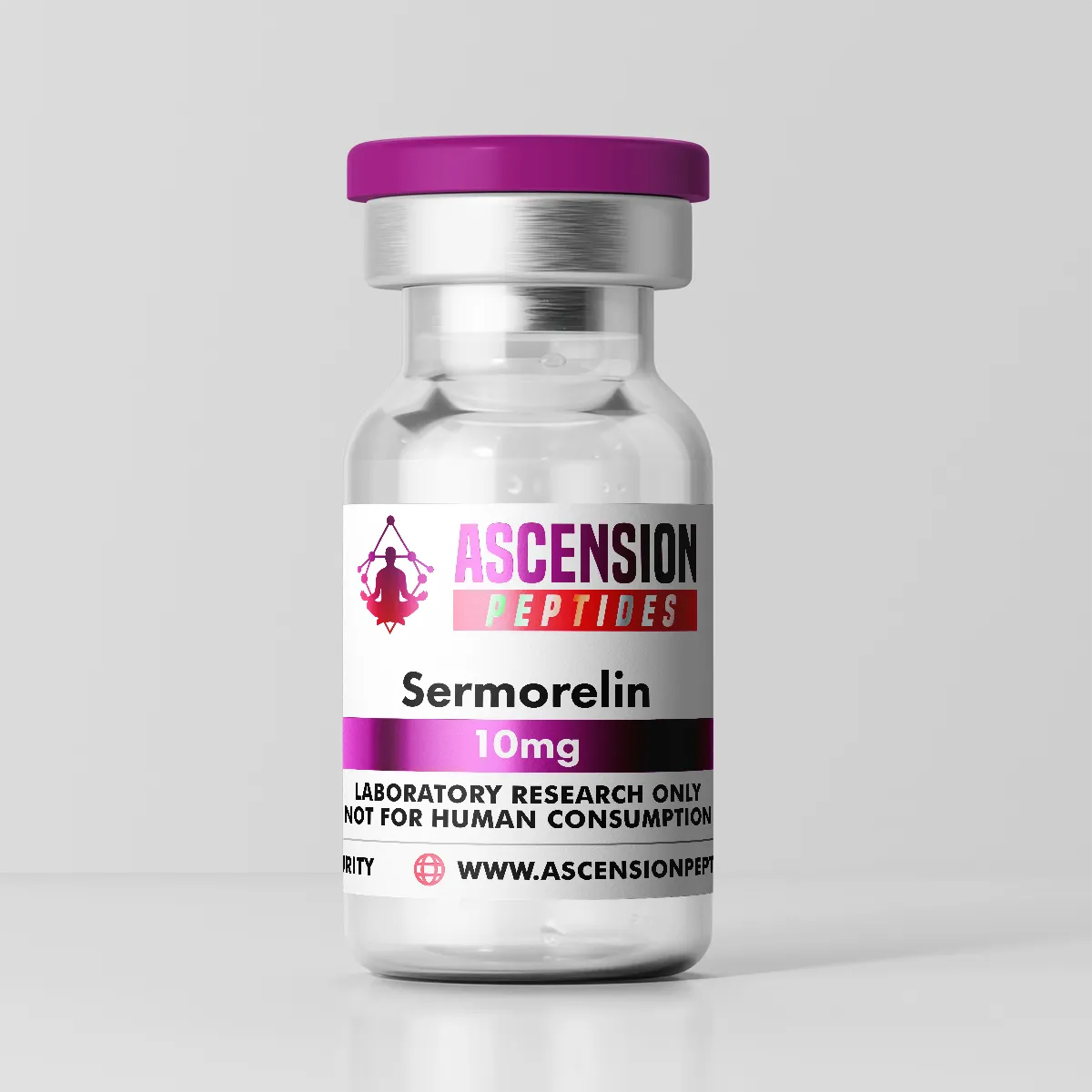
Sermorelin
with codePEPTIDEDECKat checkout· list $99.99
- Purity
- 99%+
- Vial
- 10mg
- Form
- Lyophilized powder in sealed glass vial
- Half-life
- ~10-20 minutes (research models)
Buy Sermorelin 10mg online at PeptideDeck. Research-grade GHRH (1-29) synthetic analogue at 99%+ HPLC-verified purity, lyophilized powder, shipped same-day from a US warehouse with Certificate of Analysis on request.
About Sermorelin
Looking to buy Sermorelin for GHRH receptor pharmacology or pituitary function research? PeptideDeck lists Sermorelin 10mg vials for sale from a vetted US research supplier at 99%+ HPLC-verified purity, with same-day warehouse shipping and a Certificate of Analysis available on request. The current Sermorelin price of $85.00 per 10mg vial works out to $8.50 per milligram, below the $99.99 MSRP compare-at price, reflecting an active promotional rate through our partner supplier. Sermorelin for sale in 10mg format is the standard working size for multi-assay GHRH research programs.
Sermorelin is a 29-amino-acid synthetic analogue of the first 29 residues of growth hormone releasing hormone (GHRH), the minimum sequence required for full GHRH receptor activity. Historically developed under the brand names Geref and Geref Diagnostic for diagnostic and pediatric endocrine applications, Sermorelin is among the most extensively characterized GHRH analogues in the preclinical and clinical literature, with foundational work dating to the 1980s. Researchers continue to purchase Sermorelin today as a baseline GHRH(1-29) reference compound for receptor binding studies, GH-IGF-1 axis modeling, and comparative pharmacology against newer analogues such as tesamorelin and CJC-1295.
Where to Buy Sermorelin
Where to buy Sermorelin with verified identity, reliable purity, and dependable US fulfillment is a recurring procurement question for labs running GHRH-axis research programs. PeptideDeck lists Sermorelin 10mg for sale from a vetted US research supplier that manufactures in a cGMP-compliant facility, validates each batch with independent HPLC and mass-spec analysis, and ships from a US warehouse with tracked domestic delivery. The current Sermorelin price of $85.00 per 10mg vial is below the $99.99 MSRP compare-at price, an active promotional rate through our partner vendor.
Orders placed before 2 PM Eastern ship same-day. Standard domestic delivery is 2 to 4 business days with full tracking. Discreet unmarked outer packaging, secure Stripe checkout, cryptocurrency payment options including Bitcoin and USDC, and a responsive partner-vendor support channel complete the commercial offer. For laboratories running multi-month GHRH-analogue comparative studies, bulk Sermorelin research kits at per-vial discount pricing are available by contacting the partner vendor directly with institutional references at checkout.
Use the buy button to purchase Sermorelin 10mg at current promotional pricing. If you are comparing Sermorelin for sale across vendors, trust signals worth prioritizing over raw price are published batch COA, US cGMP-manufactured origin, and oxidation-aware handling documentation given the Met-27 sensitivity of this peptide sequence.
Quality Assurance and COA
Every batch of Sermorelin listed on PeptideDeck is manufactured in a US cGMP-compliant facility and verified independently by reverse-phase HPLC and ESI mass spectrometry. HPLC chromatograms confirm 99%+ main-peak purity with minimal methionine-oxidation shoulders and clean resolution against deamidation byproducts. Mass spectrometry confirms molecular weight consistent with the theoretical 3357.93 g/mol for the GHRH(1-29) sequence, establishing molecular identity in addition to purity. Additional QC steps include visual inspection, residual solvent testing, and lot-specific documentation.
A batch-specific Certificate of Analysis documenting HPLC purity, mass-spec identity, appearance, and lot number is available on request for every Sermorelin 10mg vial sold. Email the partner vendor with your order number after purchase to receive the COA PDF matched to the lot you received. PeptideDeck requires independent third-party verification layered on top of in-house manufacturer QC for every Sermorelin batch we list, given the molecule's methionine-oxidation sensitivity and the comparative research role Sermorelin occupies across the GHRH-analogue literature.
Mechanism of Action
Sermorelin is a receptor-selective agonist at the growth hormone releasing hormone receptor (GHRHR), a class B G-protein-coupled receptor expressed predominantly on anterior pituitary somatotroph cells and at lower density in several extrapituitary tissues. GHRHR activation by Sermorelin engages the Gs-adenylyl cyclase pathway, elevating intracellular cyclic AMP, activating protein kinase A, phosphorylating CREB, and driving transcription of the growth hormone gene. Downstream, Sermorelin binding produces a rapid and pulsatile release of endogenous GH from pituitary stores, which in turn elevates systemic IGF-1 through hepatic GH-receptor signaling.
Sermorelin corresponds to GHRH (1-29), the shortest fragment of human GHRH that retains full intrinsic activity at the GHRH receptor. Native GHRH (1-44) and GHRH (1-40) have the same receptor pharmacology but are larger molecules. The truncation to 29 residues preserves the N-terminal domain responsible for receptor activation while reducing the synthetic cost of research-grade material. Sermorelin lacks the stabilizing substitutions found in CJC-1295 (D-Ala-2, Gln-8, Ala-15, Leu-27) and lacks the N-terminal hexenoyl cap found in tesamorelin, which means it remains susceptible to DPP-IV cleavage between residues 2 and 3 and to methionine-27 oxidation. The resulting plasma half-life in research models is approximately 10 to 20 minutes.
This short half-life is not a weakness in research contexts. It is the property that makes Sermorelin useful as a physiological probe of GHRH-receptor responsiveness: the compound produces a sharp, well-resolved GH pulse that can be used to characterize pituitary reserve, pulse amplitude, and IGF-1 dynamics without confounding effects of multi-hour receptor occupancy. Thorner and colleagues 1996, working under the Geref International Study Group, established the pediatric endocrine research baseline with a 30 mcg/kg/day protocol in GH-deficient children, showing accelerated height velocity and dose-dependent GH-IGF-1 axis activation. Khorram et al. 1997 extended the GHRH(1-29) research record to adult endocrine aging, demonstrating nightly administration effects on integrated nocturnal GH, skin thickness, and lean body mass in age-advanced subjects. Walker 2006 synthesized the preceding two decades of Sermorelin research into a review arguing the molecule offers a more physiologic alternative to recombinant human GH for GH-axis research and investigation.
Chemical Profile
Sermorelin (CAS 86168-78-7) is a 29-amino-acid synthetic GHRH analogue with molecular formula C149H246N44O42S and a molecular weight of 3357.93 g/mol. The primary sequence matches the first 29 residues of native human GHRH: Tyr-Ala-Asp-Ala-Ile-Phe-Thr-Asn-Ser-Tyr-Arg-Lys-Val-Leu-Gly-Gln-Leu-Ser-Ala-Arg-Lys-Leu-Leu-Gln-Asp-Ile-Met-Ser-Arg-NH2, with the C-terminal amide characteristic of active GHRH fragments. The methionine residue at position 27 is oxidation-sensitive, a consideration for long-term storage and reconstitution handling.
Sermorelin is supplied as a lyophilized white sterile powder in a sealed glass vial. The 10mg vial corresponds to approximately 2.98 micromoles of peptide, approximately twice the quantity of a typical 5mg GHRH-analogue research vial. Appearance is a uniform amorphous cake or fine powder with no yellow tint or discoloration. The lyophilized form is shelf-stable at ambient temperature during transit and should be transferred to minus 20 degrees Celsius on arrival for long-term storage. Do not open the sealed vial until ready to reconstitute with bacteriostatic water.
Research Applications
Sermorelin has one of the longest preclinical and clinical research histories of any GHRH analogue in circulation, with foundational trials dating to the 1980s and continued application through the present. Documented research applications include GHRH receptor pharmacology and binding studies, GH pulsatility modeling, IGF-1 axis activation kinetics, pituitary reserve diagnostic investigations, comparative pharmacology against newer analogues such as tesamorelin and CJC-1295, endocrine aging research (Khorram 1997), pediatric GH-deficiency research (Thorner 1996), and adult GH-axis insufficiency research (Walker 2006).
In cell culture, Sermorelin is applied in GHRHR-transfected HEK293, CHO-K1, and primary pituitary somatotroph systems to characterize receptor binding, cAMP accumulation, CREB phosphorylation, and GH gene transcription. In rodent and primate models, the compound is used to probe pituitary responsiveness, GH pulse amplitude, IGF-1 response magnitude, and comparative kinetics against longer-acting analogues. Combination studies pairing Sermorelin with a ghrelin receptor agonist such as ipamorelin explore synergistic Gs-cAMP and Gq-calcium pathway activation, a standard preclinical configuration in GH-axis research.
In endocrine aging research, Sermorelin has been applied to characterize the somatotropic axis attenuation associated with senescence, and in body composition research it has been used to investigate lean-mass and adiposity effects of physiologic-amplitude GH pulses. The pediatric-endocrine research literature, anchored by the Thorner 1996 Geref trial, remains a reference data set for GH-deficiency model design. All research applications described here are documented in preclinical literature or published clinical studies. PeptideDeck supplies Sermorelin strictly for in-vitro laboratory research and the product is not intended for human or veterinary administration, diagnosis, or treatment.
Reconstitution and Dosing Reference
For a 10mg Sermorelin vial, typical reconstitution is 2mL of bacteriostatic water (0.9% benzyl alcohol preserved), yielding a final concentration of 5000 mcg/mL (5 mg/mL). Alternate dilutions: 4mL yields 2500 mcg/mL, 5mL yields 2000 mcg/mL, and 10mL yields 1000 mcg/mL. Introduce the diluent slowly down the inside wall of the sealed vial, avoid direct impact on the lyophilized cake, and allow passive dissolution. Gentle swirling is acceptable; avoid vigorous shaking, which can shear peptide bonds and introduce foam.
For research dosing math at 5 mg/mL, a 100-unit U100 insulin syringe drawn to the 2-unit mark (0.02 mL) delivers 100 mcg of Sermorelin, to the 6-unit mark delivers 300 mcg, and to the 10-unit mark delivers 500 mcg. The 30 mcg/kg pediatric-research reference dose used in the Thorner 1996 Geref trial corresponds to approximately 900 mcg per 30 kg research subject. These figures are provided solely as in-vitro and animal-model dilution reference. PeptideDeck does not publish human dosing guidance, and researchers should consult Thorner 1996, Khorram 1997, and Walker 2006 for published protocol parameters relevant to their experimental species.
Reconstituted Sermorelin should be refrigerated at 2 to 8 degrees Celsius, protected from light given the oxidation-sensitive Met-27 residue, and used within 30 days of reconstitution for optimal peptide integrity.
Storage and Handling
Lyophilized Sermorelin vials are shelf-stable at ambient temperature during the 2 to 4 business day transit window. Transfer to minus 20 degrees Celsius promptly on arrival for long-term storage; minus 80 degrees Celsius extends shelf life further. Use an auto-defrost-free freezer to minimize humidity cycling that can degrade the lyophilized cake. Keep the sealed vial unopened until ready to reconstitute. Given Sermorelin's oxidation-sensitive methionine-27 residue, dark storage (amber-wrapped or drawer-stored) preserves peptide integrity over multi-month frozen storage.
Reconstituted Sermorelin stored at 2 to 8 degrees Celsius retains activity for approximately 30 days. Do not freeze reconstituted solution. Protect from direct light, keep the vial upright, sanitize the rubber stopper with isopropanol before each aliquot draw, and document the reconstitution date on the vial with a cryo-compatible marker. Minimizing air exposure during handling further preserves peptide quality, since methionine-27 oxidation is the most common degradation pathway during extended storage.
Research Benefits
GHRH (1-29) synthetic analogue, the minimum active GHRH fragment
10mg lyophilized vial at 99%+ HPLC-verified purity
Extensive preclinical and clinical literature dating to the 1980s
Pulsatile ~10-20 minute half-life preserves native GH pulse architecture
Oxidation-aware QC accounts for Met-27 sensitivity
Lyophilized sterile powder, US cGMP manufactured
Ships same-day from US warehouse with tracked delivery
Certificate of Analysis available on request for every lot
Product Specifications
| Molecular Weight | 3357.93 g/mol (C149H246N44O42S) |
| CAS Number | 86168-78-7 |
| Sequence | Tyr-Ala-Asp-Ala-Ile-Phe-Thr-Asn-Ser-Tyr-Arg-Lys-Val-Leu-Gly-Gln-Leu-Ser-Ala-Arg-Lys-Leu-Leu-Gln-Asp-Ile-Met-Ser-Arg-NH2 (29 aa, GHRH 1-29) |
| Half-Life | ~10-20 minutes (research models) |
| Purity | 99%+ |
| Form | Lyophilized powder in sealed glass vial |
| Storage | Store lyophilized at -20°C. Reconstituted: refrigerate at 2-8°C and use within 30 days. Protect from light. |
Frequently Asked Questions
Scientific References
Thorner M, Rochiccioli P, Colle M, et al. · Journal of Clinical Endocrinology and Metabolism · 1996
Khorram O, Laughlin GA, Yen SS · Journal of Clinical Endocrinology and Metabolism · 1997
Walker RF · Clinical Interventions in Aging · 2006
Prakash A, Goa KL · Treatments in Endocrinology · 2007
Khorram O, Yeung M, Vu L, Yen SS · Journal of Clinical Endocrinology and Metabolism · 1997
References provided for informational research context only. PeptideDeck does not imply clinical application or endorse any human use.
You May Also Like
View all →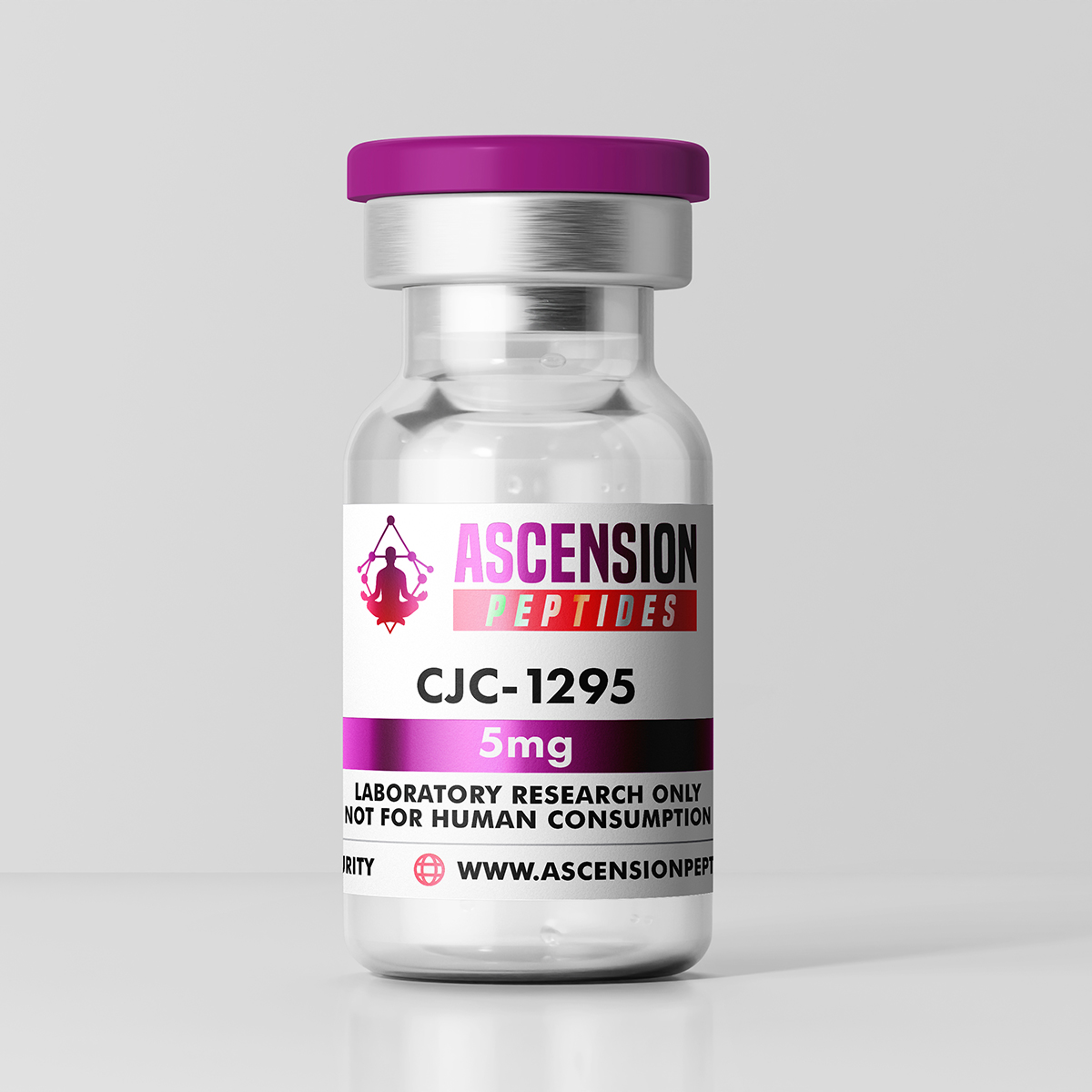
Growth Hormone Releasing Hormone (GHRH) Analogues
CJC-1295 (No DAC)
Modified GRF (1-29) GHRH Analogue, 5mg Lyophilized Vial
Growth Hormone Releasing Hormone (GHRH) Analogues
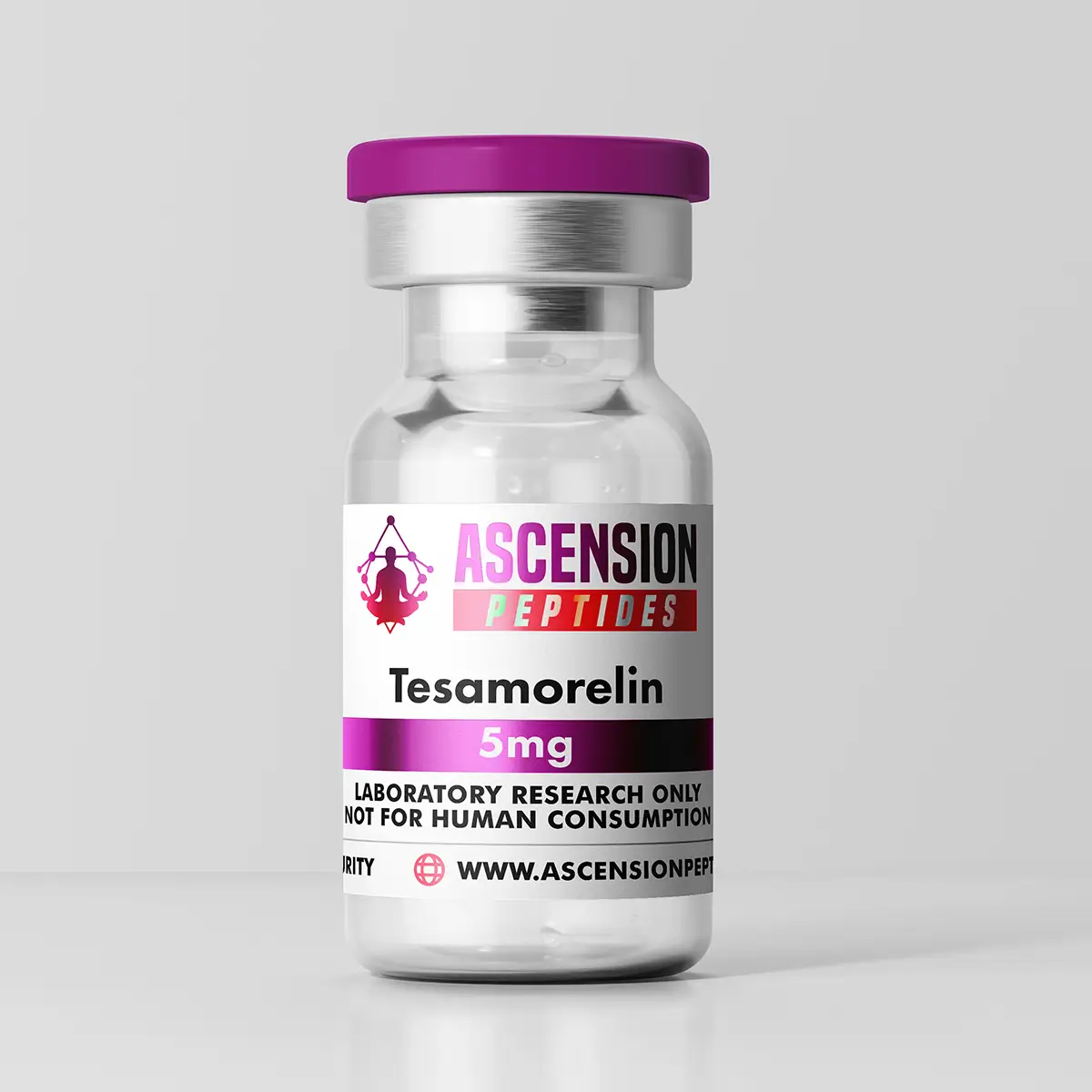
Tesamorelin
Stabilized GHRH Analogue (EGRIFTA Reference), 5mg Lyophilized Vial
Growth Factor Peptides
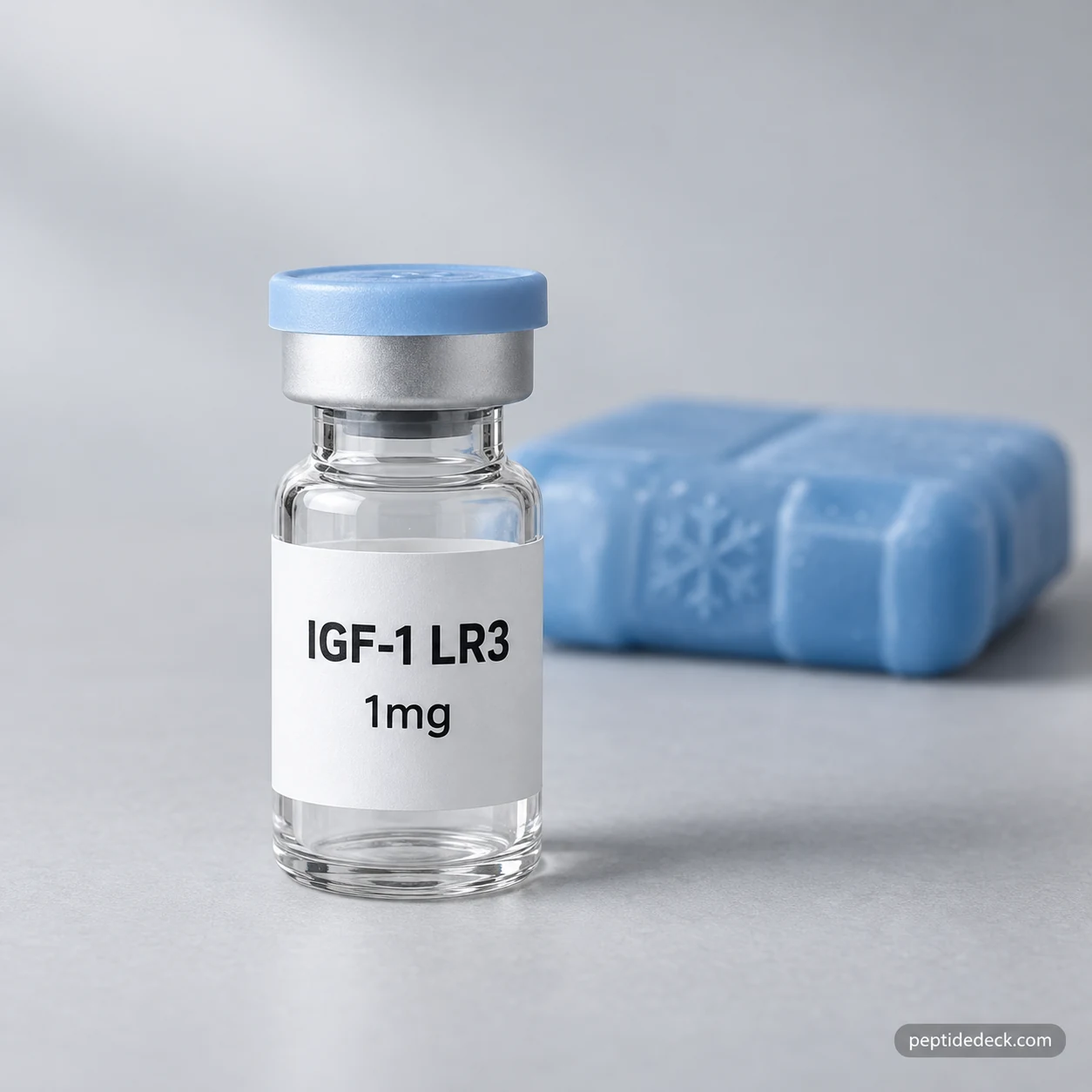
IGF-1 LR3
Long R3 Insulin-like Growth Factor-1, 1mg vial
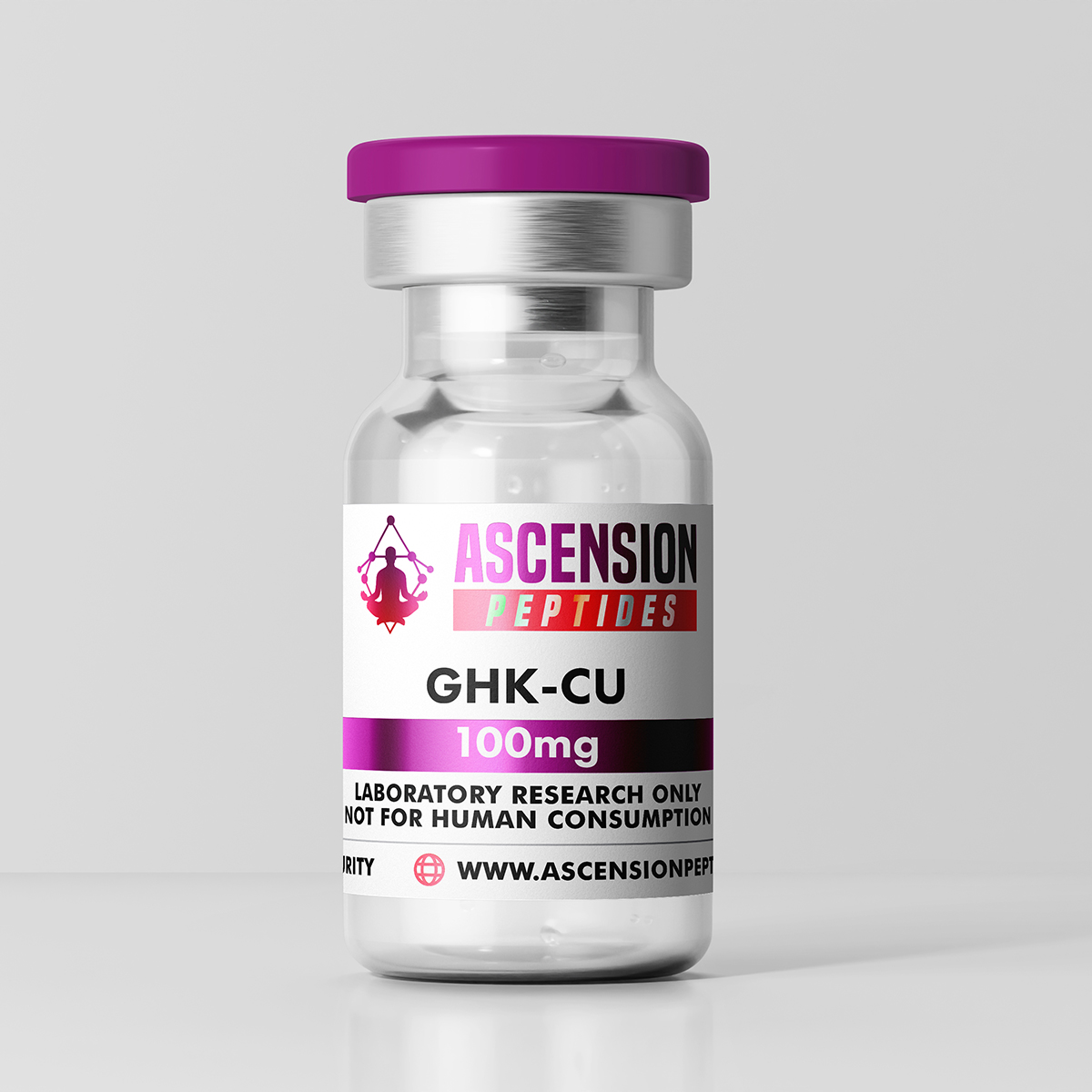
Copper Peptides
GHK-Cu
GHK-Cu For Sale: 50mg 99%+ Purity Copper Tripeptide
Research Use Only. All products sold by PeptideDeck are strictly for in-vitro laboratory research and are not intended for human or veterinary use, diagnosis, or treatment. Not for resale.