Sermorelin has quietly become one of the most talked-about peptides in the anti-aging and performance optimization space and for good reason. Unlike synthetic HGH injections that bypass your body's natural hormone feedback loops, sermorelin works with your pituitary gland to restore youthful growth hormone output. The result is a more physiological, safer approach to GH optimization with a compelling body of research behind it.
This guide covers everything: what sermorelin is, how it works, the correct sermorelin dosage protocol, realistic sermorelin before and after expectations, sermorelin side effects, and detailed comparisons to ipamorelin and tesamorelin so you can make an informed decision.
🔑 Key Takeaways
What Is Sermorelin?
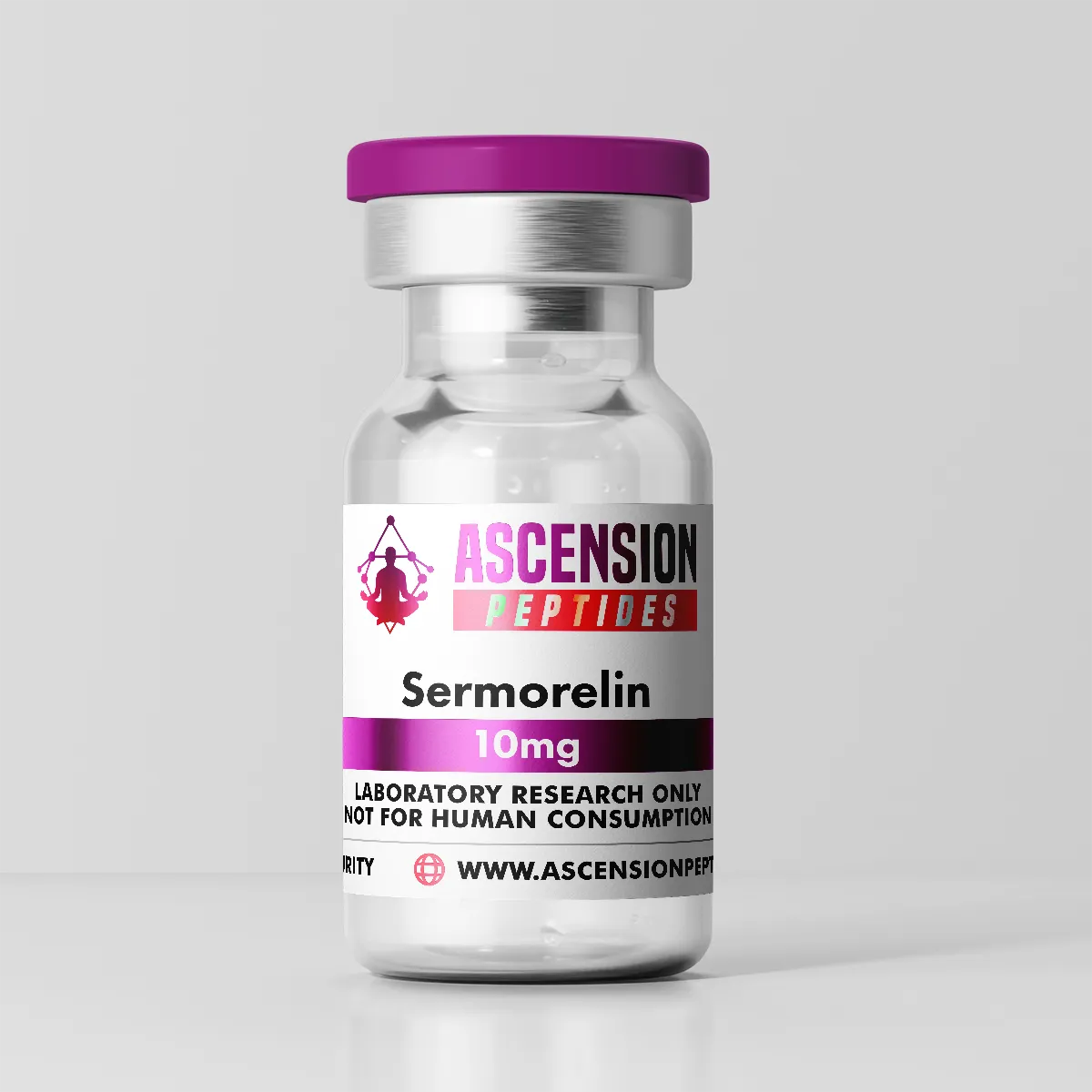
Sermorelin acetate is a synthetic analogue of growth hormone-releasing hormone (GHRH) specifically the first 29 amino acids of endogenous GHRH(1-44). This truncated version retains full biological activity at the GHRH receptor, meaning it can trigger the anterior pituitary gland to produce and secrete growth hormone (GH) just like the full-length native molecule.
It was first developed in the 1970s and gained FDA approval in 1997 under the brand name Geref for the diagnosis and treatment of idiopathic GH deficiency in children. Although Geref was later discontinued for commercial (not safety) reasons, sermorelin has remained widely studied and is now used extensively in compounding pharmacy protocols for adult GH optimization.
Key structural facts:
- Structure: 29-amino acid peptide chain (GHRH analogue)
- Mechanism: Binds GHRH receptors on somatotroph cells in the anterior pituitary
- Result: Stimulates endogenous GH synthesis and pulsatile release
- Half-life: ~1020 minutes (rapidly cleared)
- CAS number: 86168-78-7
For a broader introduction to peptide hormones and their mechanisms, see our complete guide to research peptides.
How Sermorelin Works vs. Direct HGH Injections
Understanding the difference between sermorelin and recombinant human growth hormone (rHGH) is critical. They are not the same thing, and the distinction matters both for safety and for how your body responds.
Direct HGH injections (e.g., synthetic somatropin) flood the bloodstream with exogenous GH, bypassing the pituitary entirely. This creates a non-physiological spike in IGF-1 and GH levels that can suppress the hypothalamic-pituitary axis over time meaning your body down-regulates its own GH production. Side effects like carpal tunnel syndrome, acromegaly-like features, and insulin resistance are more common at higher doses.
Sermorelin, by contrast, acts upstream: it stimulates your pituitary to release GH in natural pulses, preserving the body's negative feedback mechanisms. The pituitary “decides” how much GH to release based on your somatostatin levels and overall hormonal milieu, which provides a built-in safety ceiling. You cannot easily overdose the pituitary into acromegaly with a GHRH analogue because the somatostatin feedback system remains intact.
To understand the pharmacokinetic differences more deeply, read our guide on understanding peptide pharmacokinetics.
Sermorelin Benefits: What the Research Shows
Sermorelin's benefits are downstream of increased GH and subsequently elevated IGF-1 levels. GH is anabolic, lipolytic, and has wide-ranging effects on body composition, recovery, skin integrity, and sleep architecture. Here is what the research demonstrates:
1. Muscle Growth and Body Composition
GH stimulates IGF-1 production in the liver, and IGF-1 is a primary driver of muscle protein synthesis. In a landmark study published in The New England Journal of Medicine (Rudman et al., 1990), older men treated with GH secretagogues showed significant increases in lean body mass and decreases in adipose tissue. Sermorelin-specific studies including work by Walker et al. (2004) in the Journal of Clinical Endocrinology & Metabolism confirmed that GHRH analogues restore GH pulsatility and improve lean mass in GH-deficient adults.
Typical outcomes in research protocols over 36 months include:
- 24 lbs of lean muscle gain (in conjunction with training)
- Improved nitrogen retention
- Faster recovery between training sessions
- Enhanced muscular endurance
2. Fat Loss
GH is directly lipolytic it upregulates hormone-sensitive lipase (HSL) activity in adipocytes, accelerating the breakdown of stored triglycerides. Sermorelin-driven GH elevation has been associated with preferential reduction in visceral and subcutaneous abdominal fat in multiple studies. Whether that ever shows up on the scale is a separate question, covered in our look at sermorelin for weight loss.
3. Sleep Quality
The majority of endogenous GH is secreted during slow-wave (deep) sleep. This is why sermorelin is typically dosed at bedtime it amplifies the natural GH pulse that occurs in the first 12 hours of sleep. Research in older adults has consistently shown that GHRH administration improves slow-wave sleep duration and quality, which in turn benefits recovery, cognitive function, and daytime energy. Many users report this as one of the earliest and most noticeable sermorelin benefits, often within the first 23 weeks.
4. Anti-Aging and Skin Quality
GH and IGF-1 stimulate collagen synthesis in fibroblasts and promote skin thickness and elasticity. Sermorelin users frequently report improvements in skin texture and a reduction in fine lines after 24 months. Additionally, GH supports bone mineral density maintenance relevant for aging populations at risk of osteopenia and has positive effects on cardiac function, immune competence, and overall vitality.
5. Recovery and Healing
Elevated GH accelerates tissue repair through IGF-1-mediated cell proliferation and differentiation. This is particularly valuable for individuals recovering from injuries or intense training blocks. Some research protocols combine sermorelin with BPC-157 or TB-500 for enhanced connective tissue recovery, though human data on these combinations remains limited.
Sermorelin Dosage Guide
Getting the sermorelin dosage right is essential for both efficacy and safety. The following represents commonly used research dosing frameworks always work with a licensed clinician for prescribed protocols.
Standard Dosage Range
- Always administer via subcutaneous injection (usually lower abdomen, outer thigh, or flank)
- Inject before bed (at least 12 hours after eating) to amplify the natural nocturnal GH pulse
- Use a 5-on/2-off protocol to prevent receptor desensitization
- Start at the lower end of the range (200300 mcg) and titrate up based on response over 46 weeks
Injection Timing
The timing of sermorelin administration is arguably as important as the dose. GH is secreted in pulses the largest pulse typically occurs within 12 hours of sleep onset. By injecting sermorelin 3060 minutes before bed, you amplify this natural pulse rather than creating an artificial daytime spike. Avoid eating for at least 2 hours before injection, as elevated insulin levels will blunt GH release (insulin and GH are counter-regulatory hormones).
Rotating Sites
Rotate injection sites to prevent lipohypertrophy (fatty deposits at injection sites). Common rotation sites include the periumbilical area (around the navel), lateral abdomen, outer thighs, and flanks. Keep a rotation log if needed. For a site-by-site walkthrough with needle lengths, see where to inject sermorelin.
Cycle Length
Research protocols typically run 36 months. Some protocols include a 1-month break after 6 months to prevent desensitization of GHRH receptors. IGF-1 levels should be monitored at baseline and at 68 weeks to assess response and guide dosage adjustments.
How to Reconstitute Sermorelin
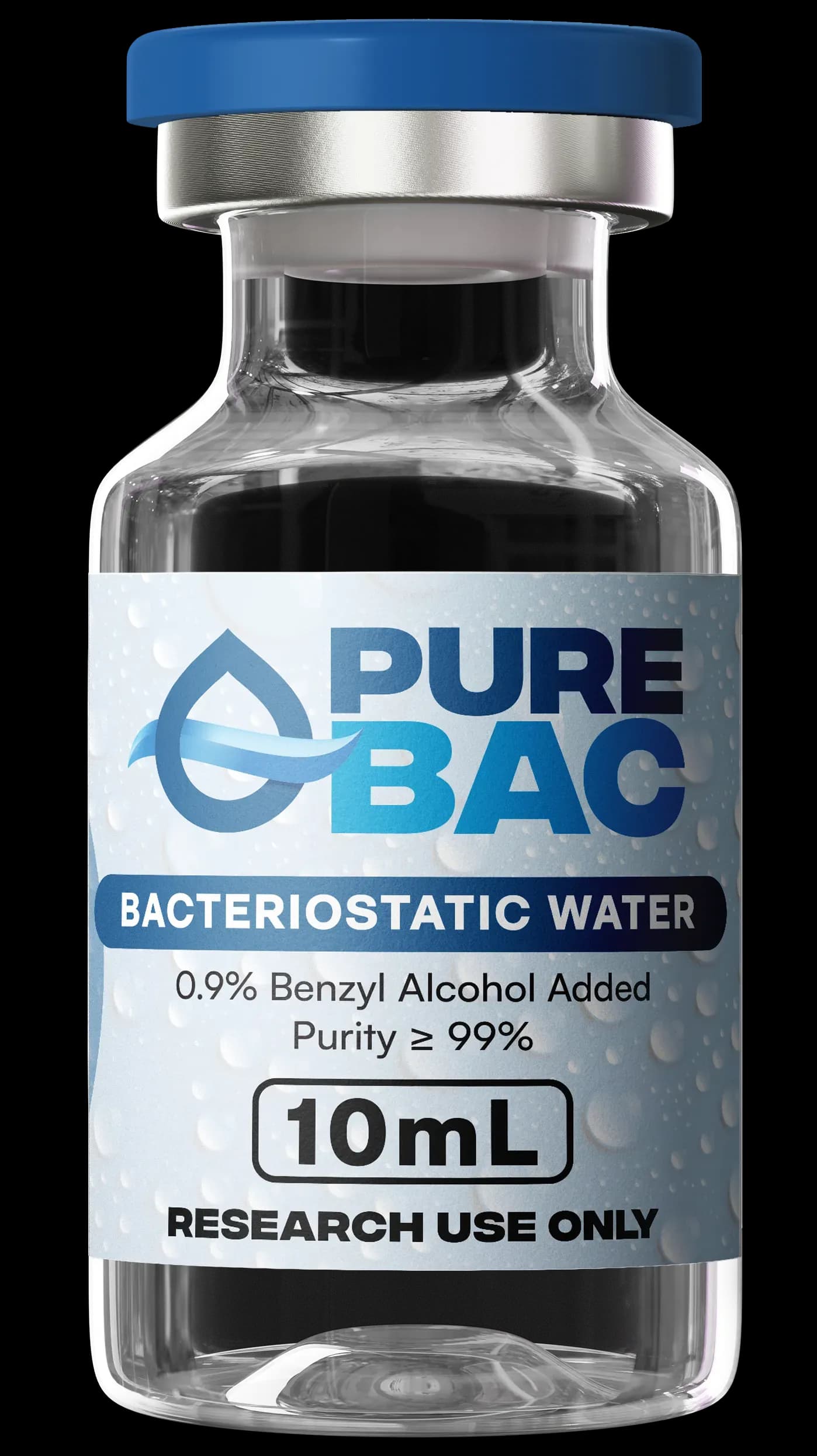
Sermorelin is supplied as a lyophilized (freeze-dried) powder and must be reconstituted with bacteriostatic water before injection. Use our peptide reconstitution calculator to determine exact volumes for your vial size and target dose.
- Gather supplies: Lyophilized sermorelin vial, bacteriostatic water (BW), insulin syringes (0.5 mL or 1 mL, 2831 gauge), alcohol swabs, clean surface.
- Sterilize: Wipe the rubber stopper of both the sermorelin vial and the BW vial with an alcohol swab. Allow to air dry.
- Draw bacteriostatic water: Pull the appropriate volume of BW into your syringe. Common ratio: add 2 mL BW to a 5 mg vial (yields 2,500 mcg/mL concentration), or 1 mL BW for a 2 mg vial (yields 2,000 mcg/mL).
- Add BW to sermorelin: Insert the needle at an angle and let the water run down the side of the vial do not inject directly onto the powder, as this can denature the peptide.
- Mix gently: Swirl slowly never shake. The solution should become clear.
- Inspect: Discard if the solution remains cloudy or contains visible particles.
- Store: Refrigerate at 3646°F (28°C). Use within 2028 days of reconstitution.
- Draw your dose: Use the concentration to calculate the volume corresponding to your mcg dose. At 2,500 mcg/mL, a 300 mcg dose = 0.12 mL (12 units on a U-100 syringe).
Sermorelin for Specific Goals: Tailoring the Protocol
Sermorelin's versatility makes it applicable across several distinct use cases, each with slight protocol variations worth understanding.
If Your Goal Is Fat Loss
GH is a powerful lipolytic hormone it directly activates hormone-sensitive lipase (HSL) in adipocytes, facilitating the breakdown of stored triglycerides into free fatty acids for oxidation. When combined with a modest caloric deficit and consistent cardiovascular exercise, sermorelin-driven GH elevation creates a favorable environment for fat mobilization that becomes more pronounced over 812 weeks. Users targeting fat loss should pay particular attention to:
- Insulin management: Inject sermorelin when insulin is lowest (fasted state, well after dinner). GH and insulin are counter-regulatory elevated insulin blunts GH-driven lipolysis.
- Carbohydrate timing: Keeping carbohydrates earlier in the day and minimizing them in the 23 hours before your sermorelin injection optimizes the GH pulse you receive.
- Caloric context: Sermorelin is not a substitute for diet discipline. It amplifies fat loss when diet is dialed in it does not create fat loss in a caloric surplus.
For what the trials actually measured, and why the scale sometimes goes up first, see sermorelin for weight loss. For other options, see the best peptides for weight loss in 2026.
Sermorelin for Muscle Building
For muscle gain, sermorelin works primarily through the GH IGF-1 axis. IGF-1 is a direct mediator of muscle protein synthesis and satellite cell activation the mechanisms that drive muscle hypertrophy and repair. The anabolic effects of sermorelin are most pronounced in individuals with genuinely low GH output (older adults, those with diagnosed GHD). In younger individuals with already-robust GH secretion, the incremental benefit for muscle gain is more modest.
Key considerations for muscle-building protocols:
- Protein intake of at least 1.62.2 g/kg bodyweight daily to provide substrate for IGF-1-driven protein synthesis
- Progressive resistance training sermorelin amplifies the anabolic signal from training, not rest
- Sleep prioritization the largest GH pulse occurs during slow-wave sleep; 79 hours is not optional
Sermorelin for Sleep and Recovery
For many users particularly busy, sleep-deprived professionals over 40 improved sleep quality is the most immediately noticed and valued sermorelin benefit. Within 12 weeks, most users report deeper sleep, more vivid dreams (a marker of REM activity), and greater next-day energy. This is not a placebo effect: GHRH has been established as a direct modulator of slow-wave sleep architecture in multiple randomized controlled trials (e.g., Steiger et al., 1992; Marshall et al., 1996). Amplifying the nocturnal GH pulse with sermorelin reinforces the brain's sleep-wake signaling in ways that cascade into improved metabolic function, emotional regulation, and recovery capacity.
Sermorelin Before and After: Realistic Expectations
One of the most searched questions about sermorelin is what results actually look like and when. Sermorelin is not a rapid-acting compound. Because it works by gradually restoring GH pulsatility rather than flooding the system with exogenous hormone, results build progressively over months.
Sermorelin Results Timeline
It is important to set realistic expectations: sermorelin before and after photos showing dramatic physique transformations often reflect a combination of sermorelin, optimized diet, resistance training, and in some cases other compounds. Sermorelin alone, without lifestyle changes, produces modest results. With a structured training program and caloric discipline, the improvements can be substantial.
The biggest mistake people make is expecting HGH-like results at the 4-week mark. Sermorelin is a slow burn. The best sermorelin before and after outcomes come at the 46 month mark, and they tend to stick because the changes are driven by restored physiological GH not a suppressive flood of exogenous hormone.
Sermorelin Side Effects
Sermorelin has a well-characterized safety profile given decades of clinical use. Most side effects are mild and transient. Here is a comprehensive breakdown:
Common Side Effects (seen in >5% of users)
- Injection site reactions: Redness, swelling, or mild pain at the injection site. Usually resolves within 3060 minutes. Rotating sites minimizes this.
- Flushing: Warm sensation or brief skin flushing, particularly in the face and upper body, within minutes of injection. Generally mild and short-lived.
- Headache: Mild headaches reported in some users, typically during the first 12 weeks as GH levels increase. Often resolves with continued use or dose reduction.
- Drowsiness: Since sermorelin amplifies sleep-stage GH release, some users experience increased drowsiness after injection this is generally desirable when dosing at bedtime.
- Nausea: Mild nausea in a subset of users, particularly at higher doses. Resolves for most within 12 weeks.
Less Common Side Effects (15% of users)
- Water retention / mild edema: GH-driven fluid retention, most common in the extremities. Usually resolves or diminishes after the first month.
- Tingling or numbness: Particularly in the hands or feet (similar to mild carpal tunnel symptoms). More common at higher doses.
- Dizziness: Typically postural; advise lying down after injection.
- Increased appetite: Mild increase in hunger as GH and IGF-1 rise, especially in leaner individuals.
Rare but Serious Considerations
- Allergic reaction: Rare hypersensitivity reactions are possible. Discontinue and seek medical attention if significant rash, urticaria, or breathing difficulty develops.
- Pituitary-axis disruption: Theoretical with long-term unmonitored use; clinical data at standard doses does not support significant concern.
- IGF-1 elevation: Chronically supraphysiological IGF-1 has theoretical cancer-promoting risk (controversial in the literature). Regular monitoring of IGF-1 is advisable for long-term users.
- Glucose metabolism: GH is counter-regulatory to insulin. Monitor blood glucose, particularly in pre-diabetic or diabetic subjects.
Overall, sermorelin side effects are significantly milder than those associated with direct rHGH therapy, primarily because the pituitary's natural feedback mechanisms prevent excessive GH elevation.
Sermorelin vs Ipamorelin: Head-to-Head Comparison
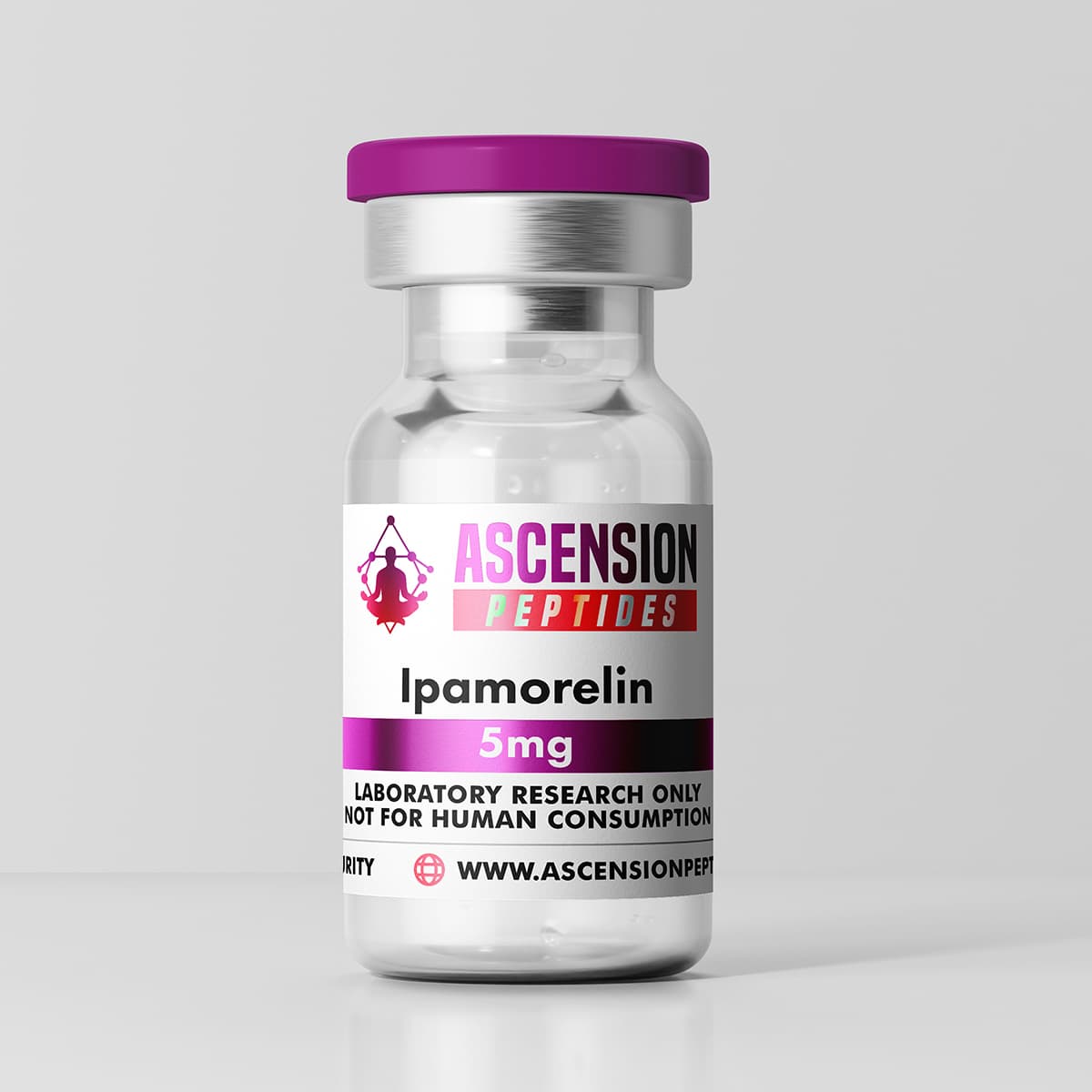
The sermorelin vs ipamorelin debate is one of the most common in the peptide optimization space. Both increase GH output but through fundamentally different mechanisms, which has practical implications for stacking, side effects, and goals.
Which is better sermorelin or ipamorelin? They work synergistically because they act on different receptors. Many researchers use them together: sermorelin provides the GHRH signal while ipamorelin provides a complementary GHS-R signal, resulting in amplified GH pulses. If choosing only one, sermorelin is often recommended for beginners due to its simpler once-daily bedtime protocol and slightly longer clinical history. Ipamorelin may edge ahead for those specifically targeting body composition with multiple-pulse dosing strategies.
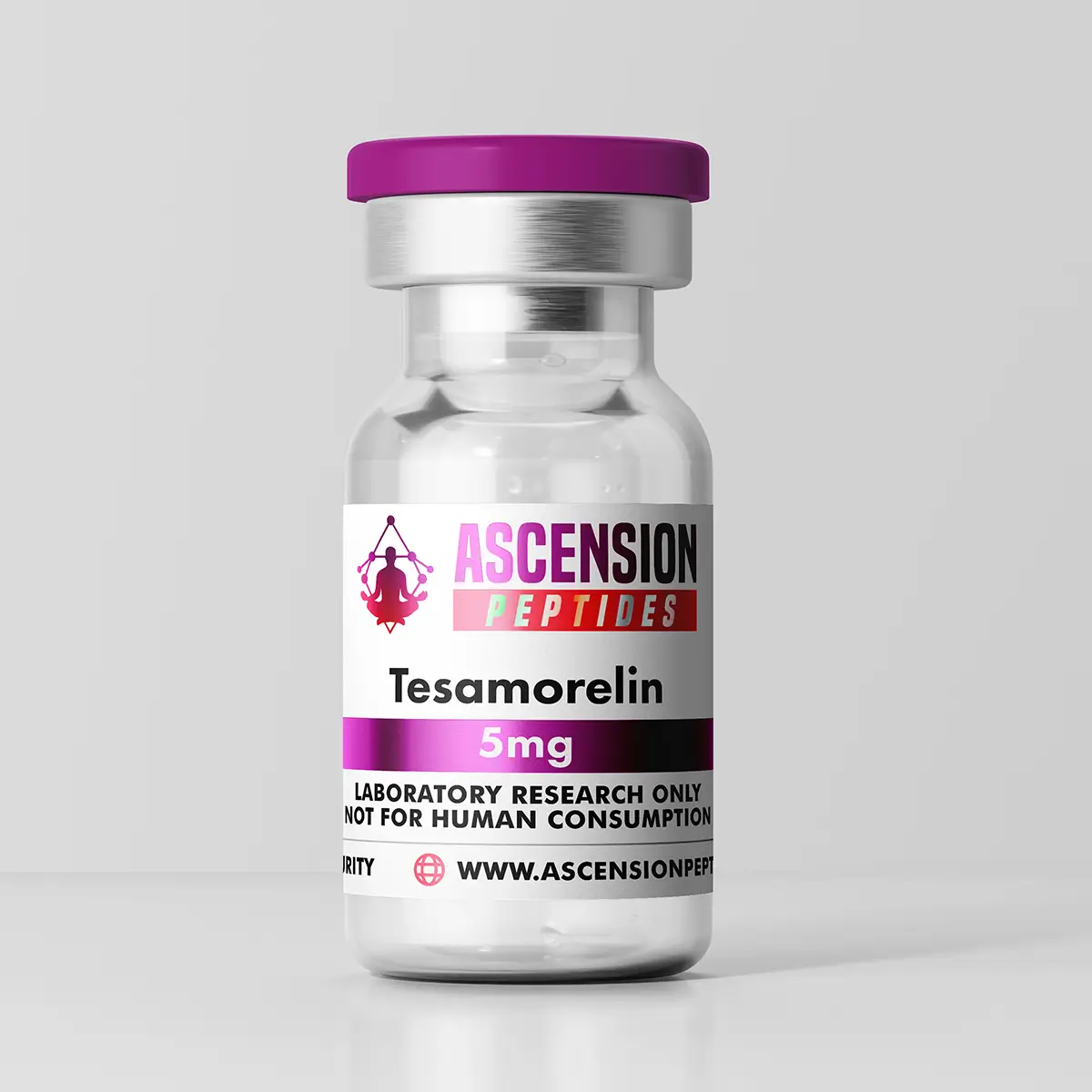
Tesamorelin vs Sermorelin: Key Differences
Tesamorelin is another GHRH analogue structurally more similar to sermorelin than ipamorelin but it carries important distinctions that make the tesamorelin vs sermorelin comparison meaningful.
Bottom line on tesamorelin vs sermorelin: If visceral fat reduction is the primary goal and potency is a priority, tesamorelin has superior clinical data. For general anti-aging, sleep optimization, and GH restoration at a lower cost, sermorelin is the more practical and accessible option for most research contexts.
Who Is a Good Candidate for Sermorelin?
Sermorelin's clinical profile makes it potentially relevant to several populations. Note that all use should be under medical supervision with appropriate baseline labs (IGF-1, GH stimulation test if needed, metabolic panel).
Adults with Growth Hormone Deficiency (GHD)
The most clearly indicated population. GHD in adults is associated with increased visceral fat, reduced lean mass, poor bone density, impaired sleep, reduced energy, and decreased quality of life. Sermorelin restores GH pulsatility, addressing the upstream deficiency rather than suppressing the axis with exogenous hormone.
Anti-Aging and Longevity-Focused Individuals (40+)
GH secretion naturally declines approximately 15% per decade after age 30. By age 60, most people produce roughly 25% of the GH they produced at 25. Sermorelin therapy has been studied as a way to partially restore this decline, with associated improvements in body composition, skin quality, bone density, energy, and cognitive function.
Athletes and Active Individuals
Athletes use sermorelin to support recovery, body recomposition, and sleep quality. Because sermorelin does not directly introduce exogenous GH, it exists in a legal grey area compared to rHGH (which is banned in sport). That said, WADA prohibits GH secretagogues athletes should be aware of their sport's testing policies.
Poor Candidates / Contraindications
- Active malignancy (GH and IGF-1 can be tumorigenic in certain contexts)
- Active pituitary disease or tumors
- Pregnancy or breastfeeding
- Severe systemic illness
- Uncontrolled diabetes (GH is insulin-antagonistic)
- Hypersensitivity to sermorelin or any excipients
Sermorelin FAQ
How long does sermorelin take to work?
Most users notice improved sleep quality within 12 weeks. Meaningful changes in body composition typically emerge at 610 weeks. Full benefits significant fat loss, lean mass gain, and anti-aging effects are generally apparent at 36 months.
What is the best sermorelin dosage for anti-aging?
Research protocols most commonly use 200300 mcg administered subcutaneously before bedtime, 5 nights per week. This is the sweet spot between efficacy and minimizing side effects for anti-aging purposes.
Can sermorelin be taken orally?
No. Like all peptides, sermorelin is degraded by proteases in the gastrointestinal tract before reaching systemic circulation. It must be administered via subcutaneous injection to be effective.
Do I need to cycle sermorelin?
Most protocols run 36 months continuously (with a 5-on/2-off weekly pattern), followed by a break of 48 weeks before resuming. This helps prevent GHRH receptor desensitization and allows IGF-1 to normalize before the next cycle.
Is sermorelin legal?
In the United States, sermorelin is not a controlled substance. It may be prescribed by a licensed physician and compounded by a licensed compounding pharmacy. For research use, it exists in a grey area similar to other peptides. Always verify the legal status in your jurisdiction.
Can sermorelin cause cancer?
There is no evidence that sermorelin at therapeutic doses causes cancer. However, because GH and IGF-1 can promote cell proliferation, sermorelin (like all GH-related therapies) is contraindicated in those with active or suspected malignancy. Long-term IGF-1 monitoring is prudent for extended protocols.
What is the difference between sermorelin and MK-677?
MK-677 (ibutamoren) is an oral GH secretagogue that acts on the ghrelin receptor (GHS-R), similar to ipamorelin. Unlike sermorelin (a peptide requiring injection), MK-677 is orally bioavailable and has a longer half-life (~24 hours), resulting in more sustained GH elevation. However, MK-677 more significantly elevates prolactin and cortisol and tends to cause greater water retention and hunger. Sermorelin's pulsatile, bedtime-dosed profile is generally considered cleaner for anti-aging purposes.
Should I use sermorelin alone or with another peptide?
Sermorelin is effective alone. However, many research protocols combine it with ipamorelin or CJC-1295 to target both the GHRH receptor and the ghrelin receptor simultaneously, producing synergistic GH pulses. The sermorelin + ipamorelin combination is one of the most popular in clinical GH optimization practices.
How do I store reconstituted sermorelin?
Reconstituted sermorelin should be stored in the refrigerator at 3646°F (28°C) and used within 2028 days. Do not freeze reconstituted solution. Unreconstituted lyophilized powder can be stored at room temperature away from light and heat for longer periods (per manufacturer guidelines).
What labs should I monitor on sermorelin?
At minimum: baseline and 68 week IGF-1 levels to assess response and guide dosing. Also consider fasting glucose and HbA1c (GH is insulin-antagonistic), thyroid function (GH affects T4/T3 conversion), and a metabolic panel. A lipid panel is useful to track body composition changes objectively.
Where to Source Sermorelin for Research
For clinical use, sermorelin should be obtained through a licensed physician and compounding pharmacy. For research purposes, source only from vendors that provide third-party certificates of analysis (COA), demonstrate >98% purity by HPLC, and operate from US-based facilities. Avoid vendors that cannot produce COA documentation on request.
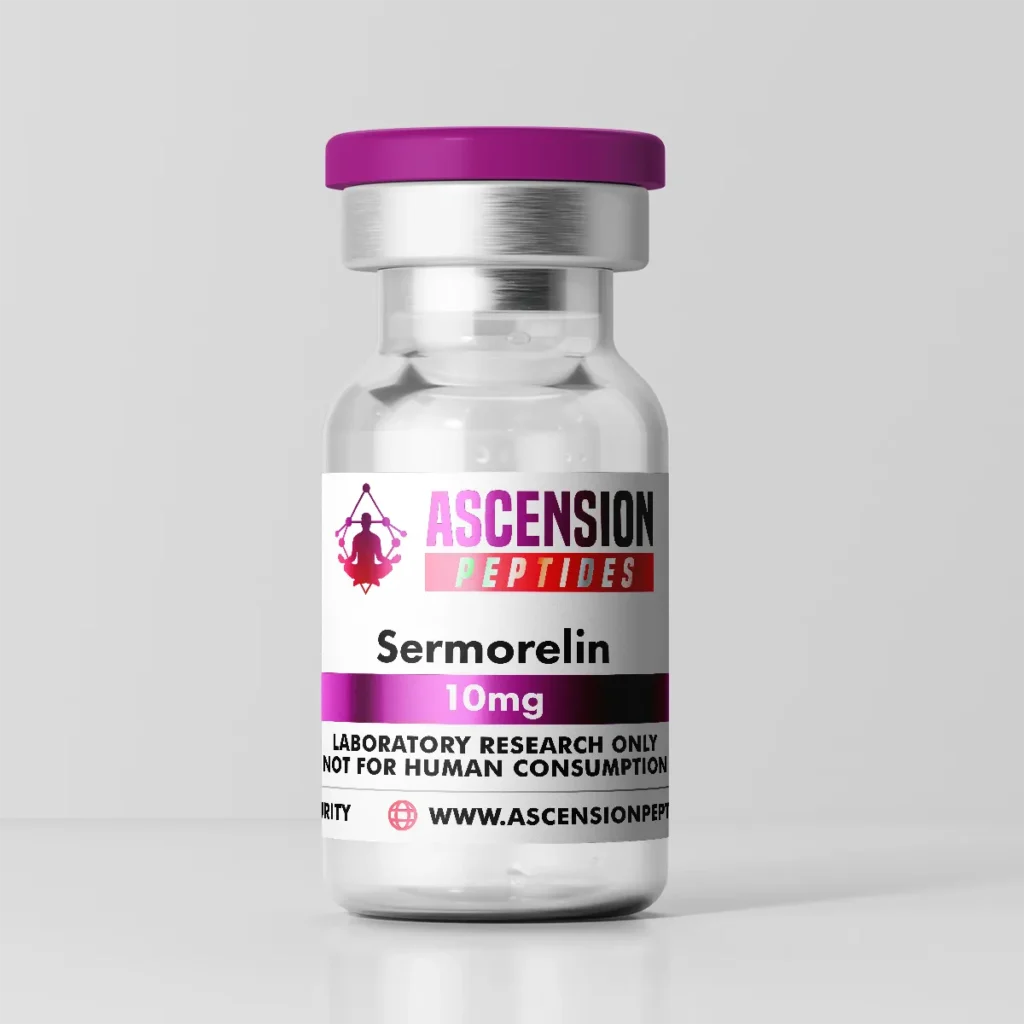
Reputable research vendors as of 2026 include Ascension Peptides, among others with transparent purity testing and documented quality control processes.
This content is for informational and educational purposes only. Peptides discussed on this page are research compounds not approved by the FDA for human use. Always consult a licensed medical professional before using any peptide or supplement.
This content is for informational and educational purposes only. Peptides discussed on this page are research compounds not approved by the FDA for human use. Always consult a licensed medical professional before using any peptide or supplement.
Sermorelin for Bodybuilding: Muscle Growth, Dosing & Realistic Results
Search "sermorelin for bodybuilding" and you will find lifters hoping it behaves like a softer version of growth hormone. It does not, and that distinction is what makes it useful. Sermorelin nudges your own pituitary to release more growth hormone in natural pulses rather than flooding you with exogenous hormone, so the muscle-building effect is real but gradual, training-dependent, and modest next to pharmacological HGH. This section covers the mechanism, honest expectations against HGH, a bodybuilder-oriented dosing protocol, and how lifters stack it.
How sermorelin supports muscle: the GH/IGF-1 axis
Sermorelin is a GHRH(1-29) analogue that binds growth hormone-releasing hormone receptors on the pituitary, increasing the synthesis and pulsatile release of endogenous growth hormone while keeping the somatostatin feedback loop intact.[1] That extra GH drives hepatic and local production of IGF-1, the principal mediator of muscle protein synthesis and satellite cell activation that underpins hypertrophy.[2] The catch for lifters: while local, muscle-specific IGF-1 is strongly hypertrophic in models, there is limited evidence that raising systemic GH or IGF-1 produces large anabolic gains in already healthy, well-trained individuals.[2] The benefit is most meaningful for older or genuinely GH-low athletes, where age-related decline in GH and IGF-1 (somatopause) tracks with lost muscle mass.[4] For the broader picture, see our guides to peptides for bodybuilding and the best peptides for muscle growth.
Realistic results: sermorelin vs HGH for bodybuilders
Here is the honest data. In controlled trials, exogenous GH increased lean body mass by roughly 2 kg, but that change did not translate into greater strength or exercise capacity, and much of the "mass" was fluid retention and connective tissue rather than contractile muscle.[3] A classic resistance-training study found that adding GH to a 12-week lifting program did not raise quadriceps muscle protein synthesis or strength beyond training alone; the extra fat-free mass was largely body water.[5] Older men show the same pattern: about 2 kg lean mass with little proven gain in strength.[4] Since sermorelin only restores your own GH pulse rather than supplying supraphysiological HGH, expect a fraction of even those modest numbers. For a direct framework, compare our breakdown of peptides vs HGH and HGH 191aa (somatropin), and set timelines against our sermorelin before and after guide.
The honest bodybuilding verdict
Sermorelin is a recovery, sleep, and lean-recomposition tool, not a mass builder. Expect better sleep-driven recovery, modest fat loss, and slow lean-mass support over 8 to 12 weeks, layered on top of disciplined training and 1.6 to 2.2 g/kg protein. Anyone promising HGH-grade size from sermorelin alone is overselling it. What it does deliver reliably is deeper sleep, faster recovery between sessions and steady recomposition over 8 to 12 weeks, which is why lifters run it in bridges and off-seasons.
A bodybuilder-oriented dosing and timing protocol
Your goal shapes the timing: insulin blunts the GH pulse, so keep dosing away from large carbohydrate or post-workout meals.[1]
Avoid injecting within about 90 minutes of a high-carb post-workout shake, prioritize 7 to 9 hours of sleep (the largest GH pulse is during slow-wave sleep), and rotate subcutaneous sites. For exact reconstitution and base titration, our standalone sermorelin dosage guide goes deeper.
Stacking sermorelin for muscle
Because sermorelin only activates the GHRH receptor, lifters commonly pair it with a ghrelin-receptor secretagogue to produce a larger, synergistic GH pulse. The most popular combination is a GHRH plus GHRP duo such as CJC-1295 and ipamorelin, detailed in our CJC-1295 and ipamorelin bodybuilding dosage and CJC-1295 vs ipamorelin guides. Advanced users may add local IGF-1 protocols (see IGF-1 LR3 benefits and IGF-1 LR3 dosage) to target the local IGF-1 pathway that systemic GH does not fully address.[2] Oral MK-677 (ibutamoren) raises GH around the clock but adds water retention and hunger. For building a full protocol safely, start with our how to stack peptides overview and best peptide stacks.
References
- Walker RF. Sermorelin: a better approach to management of adult-onset growth hormone insufficiency? Clin Interv Aging. 2006;1(4):307-308 (PMC2699646, PMID 18046908).
- Velloso CP. Regulation of muscle mass by growth hormone and IGF-I. Br J Pharmacol. 2008;154(3):557-568 (PMID 18500379).
- Liu H, et al. Systematic review: the effects of growth hormone on athletic performance. Ann Intern Med. 2008;148(10):747-758 (PMID 18347346).
- Sattler FR. Growth hormone in the aging male. Best Pract Res Clin Endocrinol Metab. 2013;27(4):541-555 (PMID 24054930).
- Yarasheski KE, et al. Effect of growth hormone and resistance exercise on muscle growth in young men. Am J Physiol. 1992;262(3 Pt 1):E261-E267 (PMID 1550219).