⚡ Best Peptides for Bodybuilding — Quick Guide
Peptides are one of the most effective tools for bodybuilders who want to push past natural limits without the side effects of steroids. They work by stimulating your body's own growth hormone, accelerating recovery, and targeting fat loss through specific pathways. This guide covers every category — what works, what doesn't, and exactly how to use them.
Sourcing is the variable that decides whether any of this works: batch-specific COAs, independently verified, are the standard to hold any supplier to.
Why Bodybuilders Are Interested in Peptides
The appeal of peptides for bodybuilders comes down to their specificity. Unlike broad-spectrum hormones, peptides can target particular physiological pathways — stimulating growth hormone release without flooding the body with exogenous GH, promoting tissue repair in specific injured areas, or enhancing fat oxidation through targeted metabolic signaling.
Compared to traditional performance-enhancing compounds, peptides generally offer a more nuanced approach. They work with the body's existing systems rather than overriding them. This distinction matters for several reasons:
- Pulsatile GH release: GH secretagogues stimulate natural, pulsed growth hormone secretion rather than creating the constant elevated levels seen with exogenous HGH
- Targeted recovery: Healing peptides can accelerate repair of specific tissues without systemic anabolic effects
- Metabolic precision: Fat-loss peptides can enhance lipolysis through specific receptor pathways
- Lower side effect burden: In general, peptides show fewer adverse effects than traditional anabolics in preclinical studies
That said, peptides are not magic. They require a foundation of solid training, nutrition, and recovery to be meaningful. Think of them as potential optimizers for an already-strong program — not substitutes for the fundamentals.
Growth Hormone Secretagogues: The Foundation
For most bodybuilders exploring peptides, growth hormone secretagogues (GHS) are the starting point. These compounds stimulate the pituitary gland to produce and release growth hormone naturally, rather than introducing exogenous GH directly. The result is an amplified version of your body's own GH pulsatile pattern.
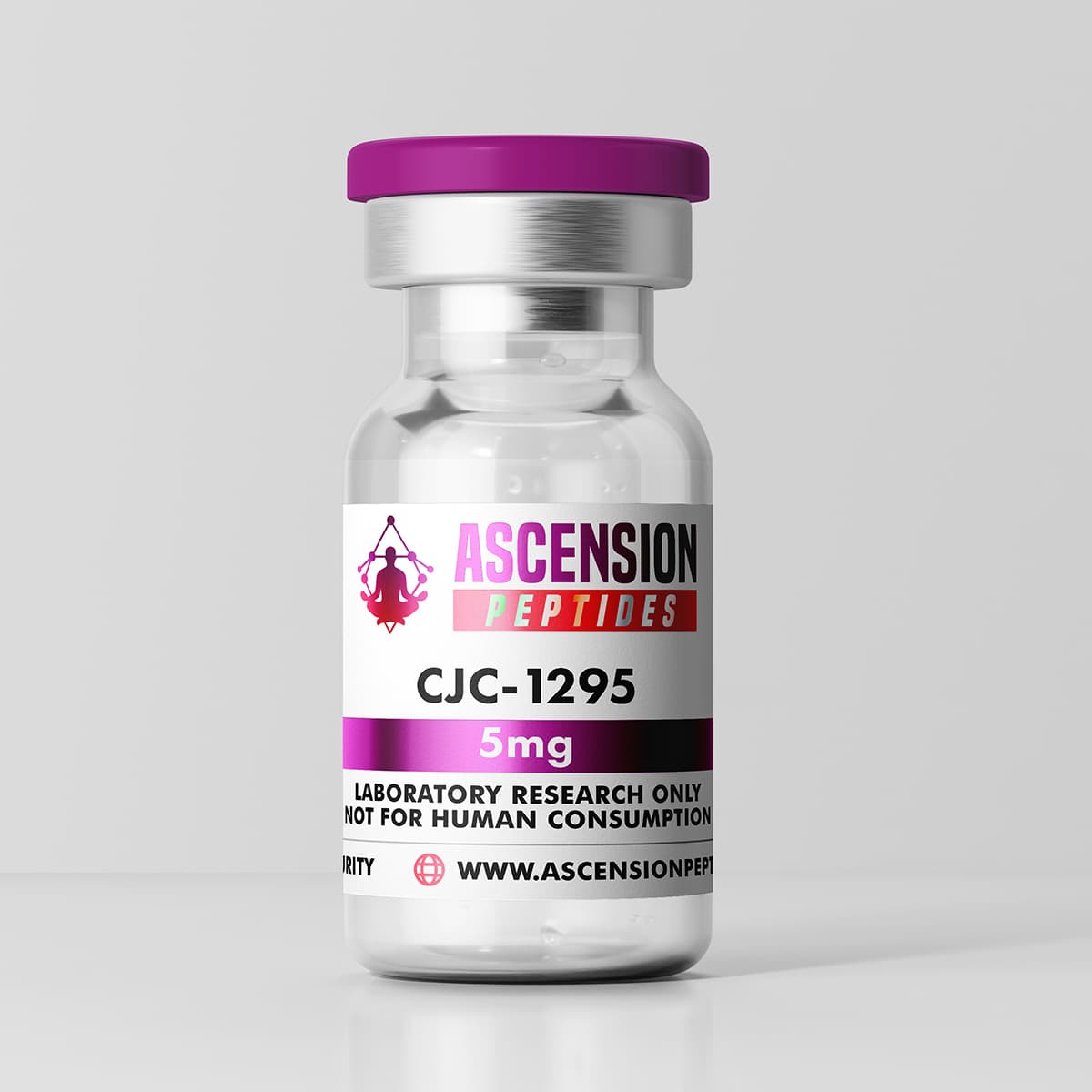
CJC-1295 (with and without DAC)
CJC-1295 is a synthetic analog of growth hormone-releasing hormone (GHRH). It works by binding to GHRH receptors on the pituitary, signaling the gland to produce more GH. The compound comes in two forms:
- CJC-1295 with DAC (Drug Affinity Complex): Extended half-life of ~6-8 days due to albumin binding. Creates sustained GH elevation. Less pulsatile, more baseline elevation.
- CJC-1295 without DAC (Mod GRF 1-29): Short half-life (~30 minutes). Produces sharp GH pulses that mimic natural secretion patterns. Preferred by most bodybuilders for this reason.
Research shows CJC-1295 can increase GH levels by 2-10x above baseline, with corresponding increases in IGF-1. For bodybuilders, this translates to potential improvements in muscle protein synthesis, recovery capacity, fat metabolism, and sleep quality — the DAC vs no-DAC choice depends on whether you prioritize convenience (fewer injections) or physiological accuracy (pulsatile release).
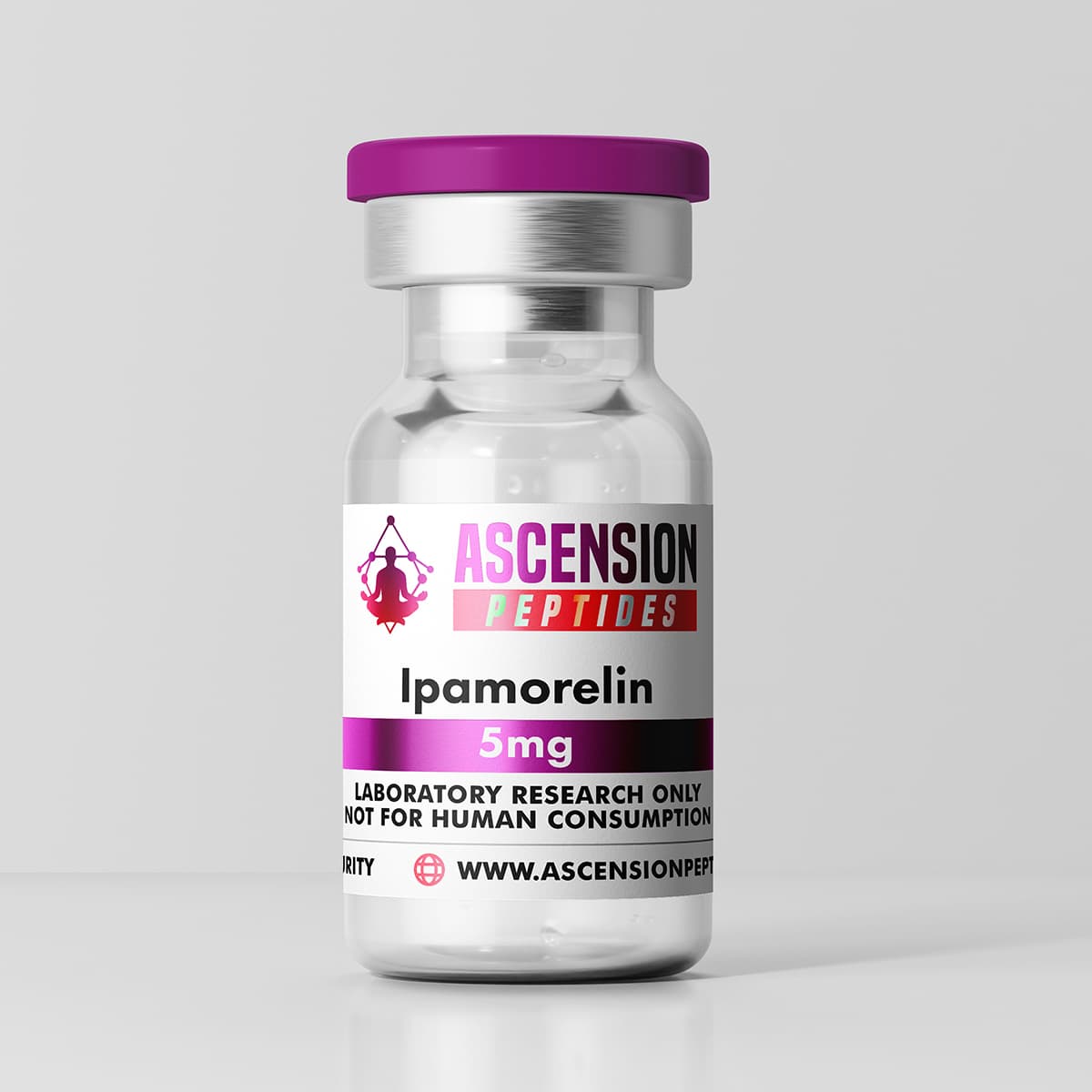
Ipamorelin
Ipamorelin is a selective growth hormone secretagogue that works through the ghrelin/GHS receptor pathway — a completely different mechanism from CJC-1295. Where CJC-1295 acts like GHRH (telling the pituitary how much GH to make), Ipamorelin acts like ghrelin (telling it when to release it).
What makes Ipamorelin particularly appealing for bodybuilders is its selectivity. Unlike GHRP-2 and GHRP-6 (which also work through the ghrelin receptor), Ipamorelin causes minimal increases in cortisol, prolactin, and appetite. This makes it the cleanest GH secretagogue available — pure GH release without the hormonal side effects that can interfere with body composition goals.
Pro Tip
The CJC-1295 + Ipamorelin combination is considered the gold standard GH peptide stack because they work through complementary pathways. CJC-1295 amplifies the signal while Ipamorelin optimizes the timing — research suggests this produces synergistic GH release greater than either peptide alone.
GHRP-2 and GHRP-6
GHRP-2 and GHRP-6 are older growth hormone releasing peptides that also work through the ghrelin receptor. They're potent GH releasers — often more so than Ipamorelin — but come with additional effects that bodybuilders should weigh carefully.
GHRP-6 is known for dramatically increasing appetite, which can be beneficial during bulking phases but problematic during cutting. GHRP-2 is somewhat more selective but still elevates cortisol and prolactin more than Ipamorelin. Both can cause water retention and potential insulin sensitivity changes at higher doses.
MK-677 (Ibutamoren)
MK-677 deserves special mention because it's the only orally bioavailable GH secretagogue — no injections required. It's technically not a peptide (it's a non-peptide ghrelin mimetic), but it's universally discussed alongside peptides in bodybuilding contexts.
Compared to injectable GH peptides, MK-677 offers 24-hour GH elevation with a single daily oral dose. The tradeoff is less precise GH pulsing, significant appetite stimulation, and potential effects on insulin sensitivity with long-term use. Many bodybuilders use it as a convenient off-cycle option or combine it with injectable peptides during intensive training blocks.
Muscle-Building Peptides Beyond GH
While GH secretagogues dominate the bodybuilding peptide landscape, several other peptides target muscle growth through entirely different mechanisms. These represent some of the more advanced — and in some cases, less well-studied — options.
IGF-1 LR3
IGF-1 LR3 is a modified version of insulin-like growth factor 1, the downstream mediator of many of growth hormone's anabolic effects. Where GH secretagogues increase GH and let the body produce its own IGF-1, IGF-1 LR3 delivers the growth factor directly.
The "LR3" modification extends IGF-1's half-life from minutes to approximately 20-30 hours and reduces binding protein interference, making it significantly more potent than native IGF-1. Research shows IGF-1 promotes muscle hypertrophy through satellite cell activation, increased protein synthesis, and anti-catabolic effects.
However, IGF-1 LR3 is one of the more potent peptides and carries corresponding risks — including potential effects on blood glucose regulation and theoretical concerns about accelerated growth of existing tumors. This is not a beginner compound.
Follistatin 344
Follistatin 344 takes a completely different approach to muscle growth — it inhibits myostatin, the protein that limits muscle development. By binding and neutralizing myostatin, follistatin theoretically removes the "brake" on muscle hypertrophy, allowing greater growth potential.
Animal research on myostatin inhibition has produced dramatic results (the "mighty mice" studies showing doubled muscle mass), but translating this to humans is more complex. ACE-031, a pharmaceutical myostatin inhibitor, showed promise in clinical trials for muscular dystrophy before being discontinued due to side effects. Follistatin research remains primarily preclinical.
PEG-MGF (Mechano Growth Factor)
PEG-MGF is a PEGylated form of a splice variant of IGF-1 that's produced locally in muscle tissue in response to mechanical stress (training). The idea is compelling — MGF is the signal your muscles produce when damaged by exercise, and delivering more of it could amplify the hypertrophic response.
Research shows MGF activates muscle satellite cells and promotes localized muscle repair. The PEG modification extends its half-life for practical use. While preclinical data is promising, human research remains limited, and dosing protocols are not well established.
Fat-Loss Peptides for Body Composition
Getting lean is half the bodybuilding equation, and several peptides target fat metabolism specifically. These range from well-researched pharmaceutical compounds to more experimental peptides.
GH Secretagogues for Fat Loss
The GH secretagogues discussed above are inherently fat-loss compounds. Growth hormone is one of the most potent lipolytic hormones in the human body — it stimulates the release of fatty acids from adipose tissue and shifts fuel utilization toward fat oxidation. Any effective GH peptide protocol will have body composition benefits, particularly during a caloric deficit.
For cutting specifically, Ipamorelin is often preferred over GHRP-2/6 due to its lack of appetite stimulation. Combined with CJC-1295 (no DAC) and timed before bed (to amplify the natural nocturnal GH pulse), this stack supports fat loss while preserving lean mass.
AOD-9604
AOD-9604 is a fragment of the HGH molecule (amino acids 177-191) that retains growth hormone's fat-burning properties without its growth-promoting effects. This selective activity makes it theoretically useful for bodybuilders who want lipolysis without the potential side effects of full GH elevation — such as insulin resistance or water retention.
Research shows AOD-9604 stimulates lipolysis and inhibits lipogenesis (new fat formation) in animal models. Human clinical trials have shown modest but statistically significant fat loss. The compound received regulatory approval in Australia as a food supplement ingredient, though it remains a compounds in most jurisdictions.
HGH Fragment 176-191
HGH Fragment 176-191 is closely related to AOD-9604 — both derive from the same region of the growth hormone molecule. The fragment approach isolates GH's lipolytic C-terminal region. Research demonstrates its ability to increase fat oxidation and reduce body fat in animal models, with minimal effects on blood glucose or growth parameters.
MOTS-c
MOTS-c is a mitochondria-derived peptide that has generated significant interest for its metabolic effects. It activates AMPK (the cellular energy sensor), enhances glucose uptake, improves insulin sensitivity, and promotes fatty acid oxidation. Think of it as an exercise mimetic at the cellular level.
For bodybuilders, MOTS-c is particularly interesting during cutting phases because it may help maintain metabolic rate and insulin sensitivity — two things that typically deteriorate during prolonged caloric restriction. It also has potential mitochondrial health benefits that could support training capacity.
Recovery Peptides: Training Harder, Healing Faster
Recovery is arguably the most underappreciated variable in bodybuilding. You don't grow in the gym — you grow during recovery. Peptides that accelerate tissue repair allow more frequent, higher-quality training sessions, which compounds into significant progress over time.
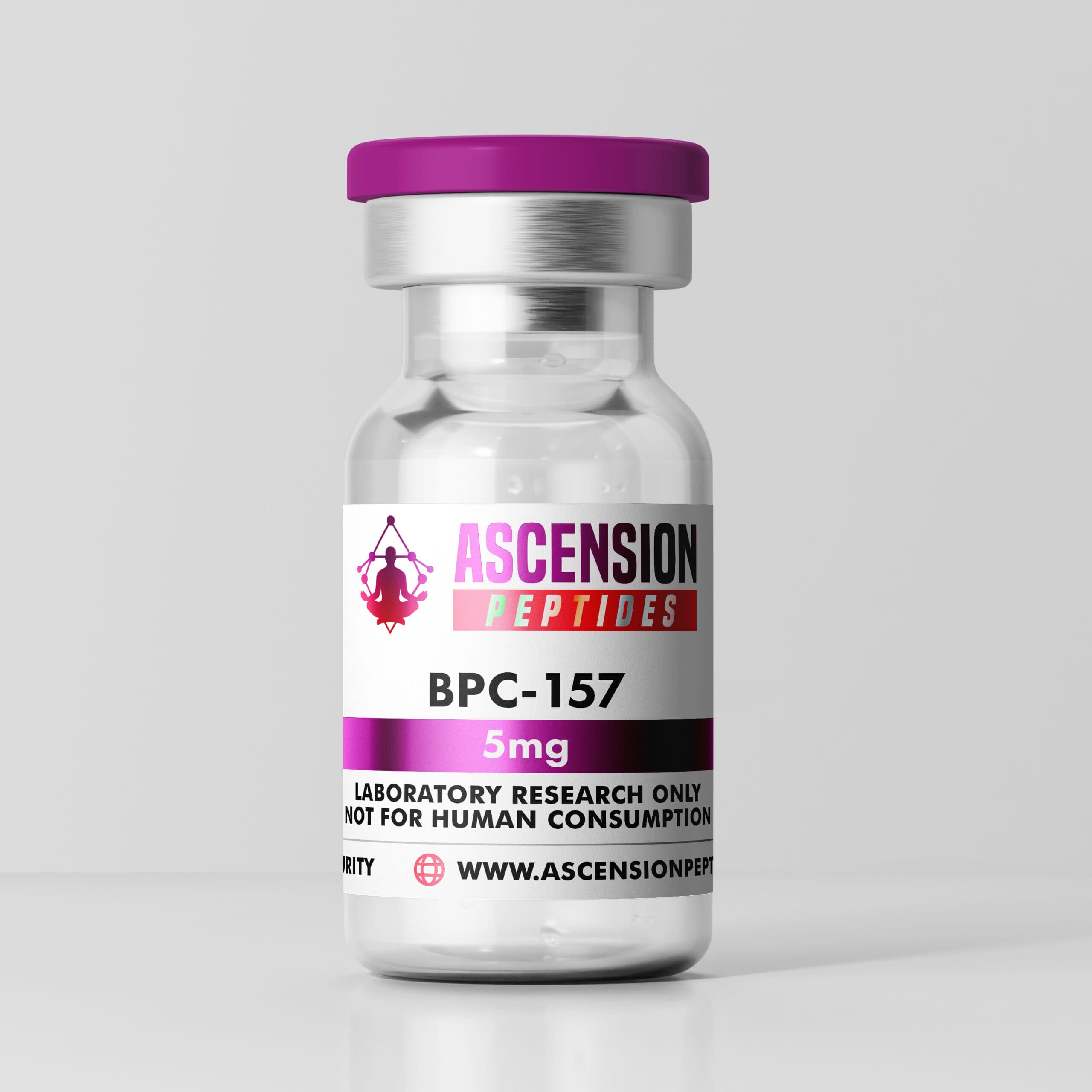
BPC-157
BPC-157 (Body Protection Compound-157) is arguably the most versatile recovery peptide available. Derived from a protective protein found in gastric juice, this 15-amino acid peptide has demonstrated healing effects across tendons, ligaments, muscles, gut lining, and even neural tissue in animal studies.
For bodybuilders, BPC-157's appeal lies in its effects on tendon and ligament repair. Heavy lifting creates significant connective tissue stress, and tendon injuries are among the most common and career-limiting problems in the sport. Research shows BPC-157 accelerates tendon healing, improves collagen organization, and promotes blood vessel formation at injury sites.
BPC-157 also has gastrointestinal protective properties — potentially valuable for bodybuilders whose digestive systems take a beating from high-calorie diets and the supplements that often accompany them.
TB-500 (Thymosin Beta-4)
TB-500 is a synthetic version of Thymosin Beta-4, a naturally occurring peptide involved in tissue repair throughout the body. Its primary mechanism involves regulating actin — a protein fundamental to cell structure and movement. By promoting cell migration and differentiation, TB-500 accelerates the healing cascade.
The BPC-157 and TB-500 combination has become one of the most popular recovery stacks in bodybuilding. They work through different mechanisms (BPC-157 through growth factor modulation and the NO system; TB-500 through actin regulation) and may produce complementary healing effects. Many bodybuilders use this stack as a "maintenance protocol" during heavy training phases to keep connective tissue health ahead of the damage curve.
BPC-157
Multi-tissue healing via growth factor modulation, NO system, and FAK-paxillin pathway. Oral bioavailability. Gut protection.
TB-500
Systemic healing via actin regulation and cell migration. Anti-inflammatory. Promotes blood vessel and muscle fiber repair.
Combined Stack
Complementary mechanisms may produce synergistic healing. Popular "maintenance" protocol for heavy training phases.
Peptide Stacking Strategies for Bodybuilding
Stacking peptides — using multiple compounds with complementary mechanisms — is where the real potential lies. But it's also where complexity and risk increase. Here are the most common bodybuilding-oriented peptide stacks, organized by goal.
Bulking Stack
GH Base: CJC-1295 (no DAC) + Ipamorelin
The foundation. Synergistic GH release through complementary GHRH and ghrelin receptor pathways. Administered 2-3x daily, with one dose before bed.
Recovery Support: BPC-157 + TB-500
Maintains connective tissue integrity during heavy progressive overload. BPC-157 daily; TB-500 2x per week.
Optional: MK-677 (oral)
Adds sustained GH elevation and appetite support for caloric surplus goals. One dose before bed. Monitor blood glucose.
Cutting Stack
GH Base: CJC-1295 (no DAC) + Ipamorelin
Maintains elevated GH for lipolysis and muscle preservation. The appetite-neutral profile of Ipamorelin is key during caloric deficit.
Fat Targeting: AOD-9604 or HGH Fragment 176-191
Additional lipolytic support targeting fat stores specifically. Complements GH-mediated fat loss without adding to GH-related side effects.
Metabolic Support: MOTS-c
Maintains metabolic rate and insulin sensitivity during prolonged deficit. AMPK activation supports continued fat oxidation.
Recovery / Injury Rehab Stack
Primary Healing: BPC-157
Broad-spectrum tissue repair. Can be administered near the injury site (subcutaneous) or systemically. Daily administration.
Systemic Repair: TB-500
Complements BPC-157 through actin-mediated cell migration and tissue remodeling. Loading phase then maintenance.
GH Support: Ipamorelin
Elevated GH accelerates connective tissue repair and collagen synthesis. Especially beneficial for tendon and ligament injuries.
Practical Considerations for Bodybuilders
Timing and Administration
Peptide timing matters more than most people realize, especially for GH secretagogues. Growth hormone release is suppressed by elevated blood glucose and insulin, so GH peptides should ideally be administered:
- On an empty stomach — at least 2 hours after eating, 30-60 minutes before eating
- Before bed — the most important dose, amplifying the natural nocturnal GH surge
- Upon waking — fasted state provides optimal conditions for GH release
- Post-workout — if fasted or sufficient time has passed since pre-workout nutrition
This creates a practical challenge for bodybuilders who eat 4-6 meals daily. The solution is strategic: build peptide administration into the gaps between meals, with the pre-bed dose being non-negotiable. See our peptides and food timing guide for detailed scheduling strategies.
Reconstitution and Storage
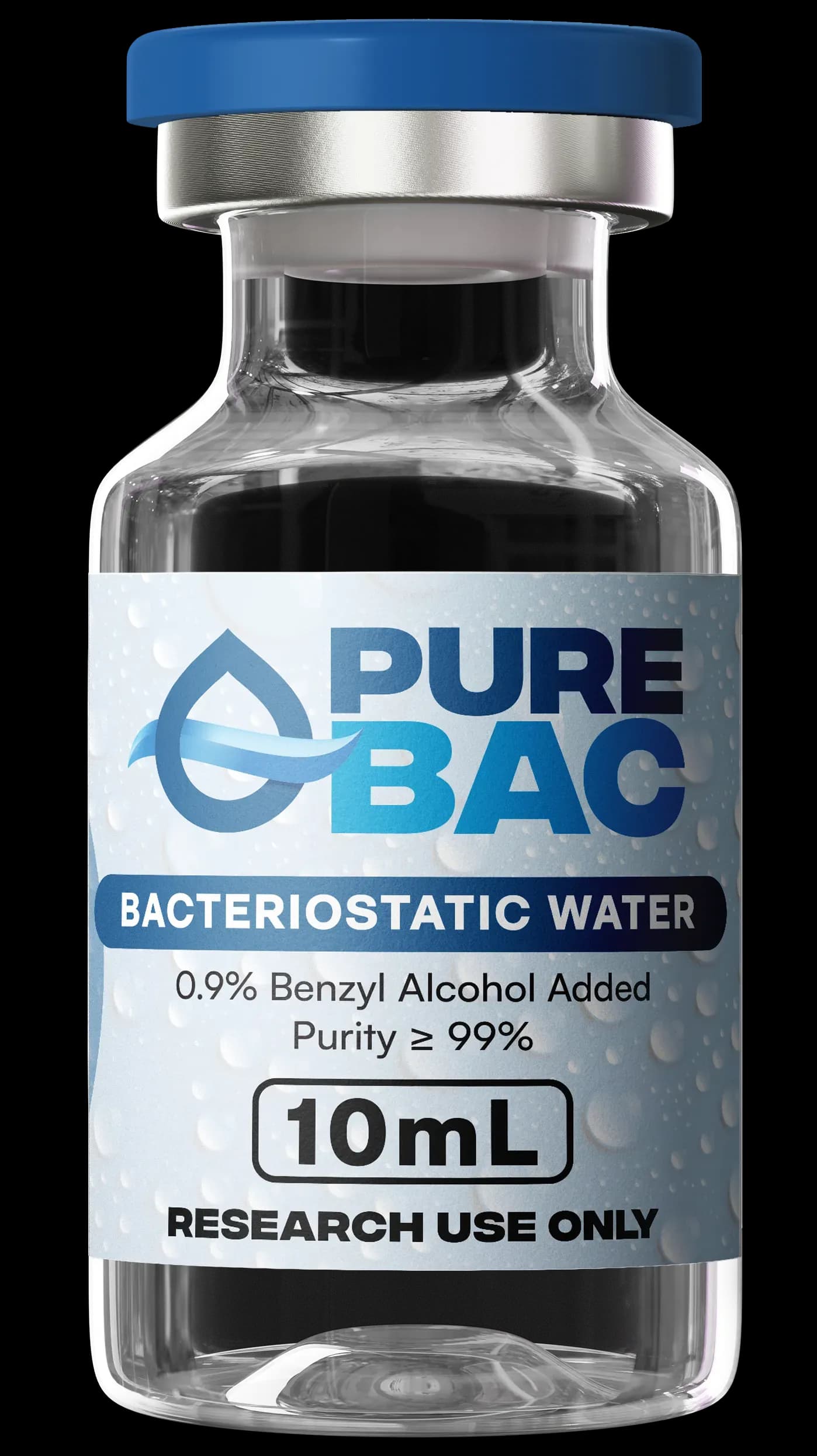
Most injectable peptides arrive as lyophilized (freeze-dried) powder requiring reconstitution with bacteriostatic water. This is a straightforward process but requires attention to sterility and proper technique. Key points:
- Use bacteriostatic water (not sterile water) for multi-use vials
- Add water slowly along the vial wall — never shake the vial
- Store reconstituted peptides at 2-8°C (refrigerator) and use within 2-4 weeks
- Calculate your dose based on the concentration you've created — our dosage calculator guide walks through the math
Injection Technique
Most peptides are administered via subcutaneous injection with insulin syringes — a relatively simple and minimally invasive process. For bodybuilders new to peptide administration, our injection guide covers everything from site selection to proper technique.
Common injection sites include the abdomen (most popular for subcutaneous), thigh, and upper arm. Rotate sites to prevent lipodystrophy (changes in subcutaneous fat tissue at injection sites). For recovery peptides like BPC-157, some practitioners inject near the injury site, though systemic administration also shows efficacy in research.
Cycling
Cycling peptides — alternating periods of use and rest — is generally recommended to prevent receptor desensitization and maintain effectiveness. The specifics vary by compound:
- GH secretagogues: 8-12 weeks on, 4 weeks off is a common protocol. Some bodybuilders use 5 days on / 2 days off weekly.
- BPC-157 / TB-500: Typically run for the duration of an injury (4-12 weeks), then discontinued. Some use periodic "maintenance" runs of 4-6 weeks.
- Fat-loss peptides: Usually aligned with cutting phases (8-16 weeks), then cycled off during maintenance or bulking.
- MK-677: Can be used longer-term than injectable GH peptides, but periodic breaks are still advisable. Monitor fasting glucose.
Safety Considerations and Side Effects
No honest discussion of peptides for bodybuilding is complete without addressing safety. While peptides generally show favorable safety profiles in preclinical research, the reality is that most bodybuilding applications involve compounds that haven't completed rigorous human clinical trials.
Common Side Effects
For a deeper dive into managing these effects, see our comprehensive side effects guide and water retention solutions.
Quality and Purity Concerns
One of the biggest risks in the peptide space isn't the compounds themselves — it's the quality of what you're actually getting. peptides are an unregulated market, and quality varies dramatically between suppliers. Impure or mislabeled products can contain bacterial endotoxins, heavy metals, or incorrect compounds entirely.
Always look for:
- Third-party HPLC and mass spectrometry testing with published results
- Purity of ≥98% verified by independent analysis
- Proper lyophilization and sterile packaging
- Transparent sourcing and manufacturing practices
Peptides vs Other Performance-Enhancing Approaches
Bodybuilders often weigh peptides against other options. Here's how they compare:
Peptides vs Anabolic Steroids: Steroids directly provide exogenous hormones (testosterone, nandrolone, etc.) with potent anabolic effects. Peptides work more indirectly, stimulating the body's own systems. Steroids are more powerful for raw muscle gain but carry significantly more side effects including HPTA suppression, liver stress, cardiovascular impact, and androgenic effects. Peptides are subtler but better tolerated.
Peptides vs SARMs: SARMs (Selective Androgen Receptor Modulators) target androgen receptors in muscle and bone tissue. They're more anabolic than peptides but less than steroids, with moderate suppression of natural testosterone. Peptides and SARMs work through completely different mechanisms and are sometimes combined, though this increases complexity and risk.
Peptides vs Exogenous HGH: Injecting synthetic HGH provides constant, supraphysiological GH levels. GH peptides stimulate pulsatile, natural GH release. HGH is more potent and predictable but also more expensive, requires cold-chain storage, and carries higher risk of side effects (insulin resistance, carpal tunnel, joint pain). Many bodybuilders use GH peptides as a more affordable, lower-risk alternative to pharmaceutical HGH.
Getting Started: A Beginner's Approach
If you're new to peptides and considering them for bodybuilding goals, here's a rational approach:
Establish Your Foundation First
Peptides are optimizers rather than substitutes. They work best layered on consistent training, adequate protein and real sleep — get those stable and peptides have something to amplify.
Start Simple
Begin with a single GH secretagogue stack: CJC-1295 (no DAC) + Ipamorelin. This is the most studied, best-tolerated combination with the most predictable results. Run for 8-12 weeks to evaluate your response.
Learn the Basics
Before your first injection, learn proper reconstitution, injection technique, storage, and dosage calculation. Proper technique is non-negotiable for safety.
Add Complexity Gradually
Only add additional compounds once you understand how the basics affect you individually. If recovery is an issue, consider adding BPC-157. If fat loss is the goal, consider AOD-9604 during your next cut.
Monitor Your Health
Regular bloodwork before, during, and after peptide use is essential. Monitor IGF-1, fasting glucose, HbA1c, liver enzymes, and a comprehensive metabolic panel. Adjust or discontinue if values move outside normal ranges.
For more on starting out, see our best peptides for beginners guide.
Frequently Asked Questions
The Bottom Line
Peptides offer bodybuilders a more targeted, generally better-tolerated set of tools for optimizing growth hormone, accelerating recovery, and improving body composition. The GH secretagogues (particularly CJC-1295 + Ipamorelin) have the strongest research backing and broadest applicability. Recovery peptides like BPC-157 and TB-500 address the connective tissue demands that heavy training creates. Fat-loss peptides provide additional metabolic support during cutting phases.
If you do choose to explore peptides, start simple, prioritize quality and safety, monitor your health with regular bloodwork, and give each compound enough time to evaluate properly before adding complexity. The bodybuilders who get the most from peptides are the ones who approach them with the same discipline and patience they bring to their training.