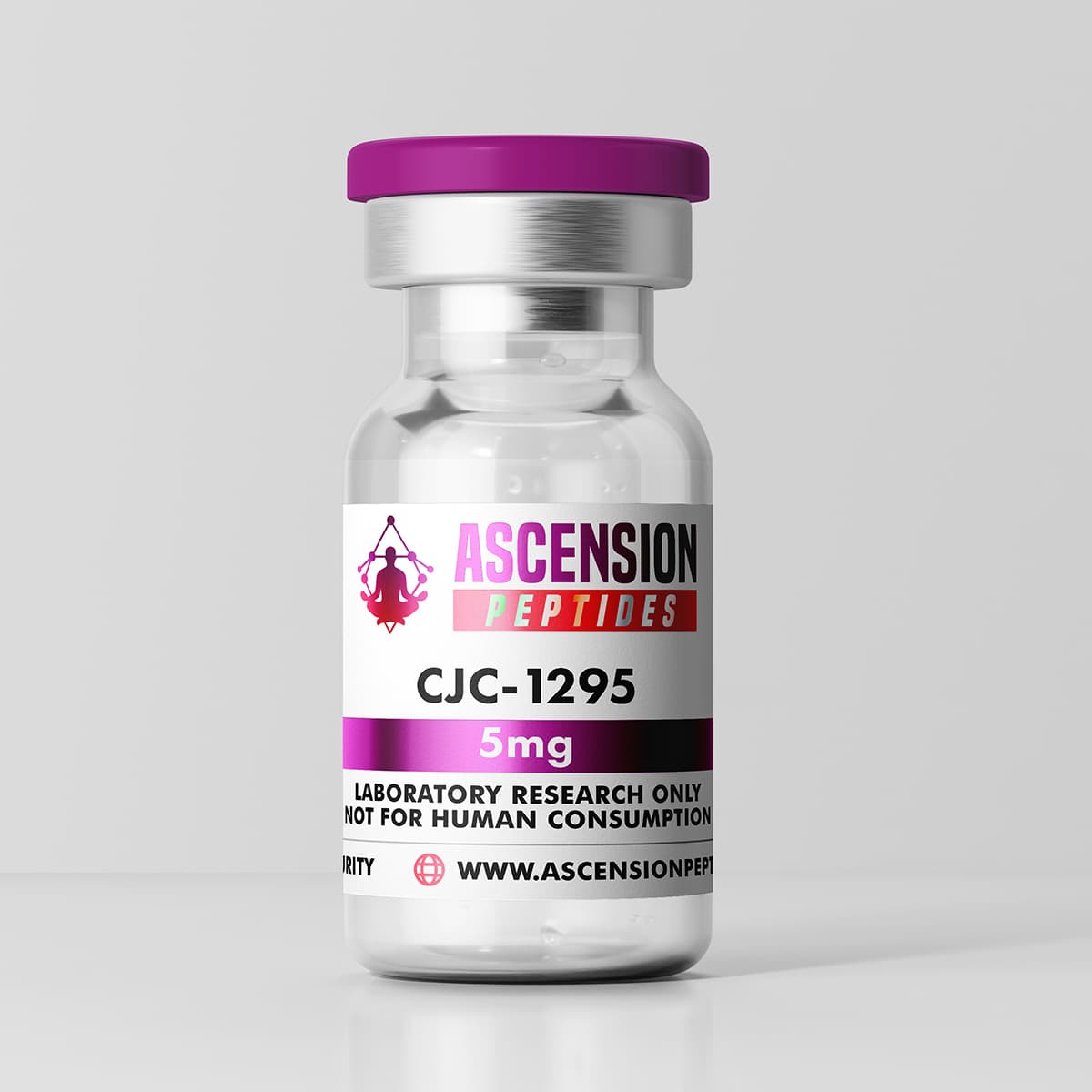
CJC-1295 is one of the most widely studied growth hormone-releasing hormone (GHRH) analogs in peptide research. But if you've spent any time looking into it, you've likely encountered a confusing fork in the road: CJC-1295 with DAC and CJC-1295 without DAC. Despite sharing a name, these two peptides behave quite differently in the body—and understanding those differences matters for anyone evaluating growth hormone secretagogue research.
This guide breaks down the science behind both variants, their pharmacokinetics, their effects on growth hormone release, and the practical considerations that distinguish them in research settings.
🔑 Key Takeaways
- CJC-1295 with DAC has a dramatically longer half-life (~6-8 days) compared to without DAC (~30 minutes)
- The "without DAC" variant (Mod GRF 1-29) produces pulsatile GH release that more closely mimics natural secretion
- CJC-1295 with DAC creates sustained, elevated baseline GH—a fundamentally different release pattern
- Most current research protocols pair CJC-1295 without DAC with a GHRP like ipamorelin for synergistic pulsatile release
- Neither variant is approved for clinical use; all findings come from preclinical and early-phase human research
What Is CJC-1295?
CJC-1295 is a synthetic analog of growth hormone-releasing hormone (GHRH), the natural signal peptide produced by the hypothalamus that tells the pituitary gland to release growth hormone. The native GHRH molecule is a 44-amino acid peptide with an extremely short half-life of just 5-7 minutes in the bloodstream—enzymes called dipeptidyl peptidases rapidly degrade it.
Researchers at ConjuChem Biotechnologies developed CJC-1295 to overcome this limitation. The core peptide is a modified 29-amino acid fragment of GHRH (amino acids 1-29, sometimes called "tetrasubstituted GRF 1-29") with four amino acid substitutions at positions 2, 8, 15, and 27 to resist enzymatic degradation. This base peptide significantly extends the functional half-life compared to native GHRH.
But the real divergence comes from what happens next: whether or not a Drug Affinity Complex (DAC) is attached to this modified peptide.
What Is DAC (Drug Affinity Complex)?
DAC is a chemical modification technology developed by ConjuChem. It attaches a reactive chemical group (maleimidopropionic acid linked to a lysine linker) to the peptide, which then forms a covalent bond with serum albumin—the most abundant protein in blood plasma—after injection.
This albumin-binding technology is the entire basis for the difference between the two variants. The peptide's core biological activity—stimulating the GHRH receptor on pituitary somatotroph cells—remains the same. What changes is how long and in what pattern that stimulation occurs.
CJC-1295 with DAC vs Without DAC: Head-to-Head
CJC-1295 with DAC: Extended-Release GH Stimulation
Pharmacokinetics
The defining characteristic of CJC-1295 with DAC is its remarkable persistence in the bloodstream. After a single subcutaneous injection, the peptide's albumin-binding mechanism extends its functional half-life to approximately 6-8 days. This means a single dose can maintain elevated GH-releasing activity for over a week.
In clinical studies conducted by ConjuChem, a single 60 μg/kg dose of CJC-1295 with DAC produced a 2-10 fold increase in GH levels that persisted for up to 6 days. IGF-1 levels (a downstream marker of GH activity) remained elevated for 9-11 days following a single injection. After multiple weekly doses, IGF-1 levels increased by 1.5-3 fold above baseline.
GH Release Pattern
This is where the critical distinction lies. CJC-1295 with DAC does not produce the sharp, pulsatile bursts of growth hormone that characterize natural GH secretion. Instead, it creates a sustained elevation—a "raised floor" of GH activity that persists between doses.
Potential Advantages
- Dosing convenience: Once or twice weekly injections versus multiple daily doses
- Consistent IGF-1 elevation: No peaks and troughs between doses
- Simplicity: Fewer variables to manage in research protocols
- Proven human data: Phase I/II clinical trials demonstrated safety and efficacy for GH/IGF-1 elevation
Potential Concerns
- Non-physiological GH pattern: Sustained stimulation may lead to receptor desensitization over time
- Cortisol and prolactin elevation: Some research reports increased cortisol and prolactin as side effects of sustained GHRH stimulation
- Difficulty adjusting dose: Once injected, the long half-life means effects cannot be quickly reversed
- GH bleed: The constant presence may blunt the body's natural GH pulses rather than enhance them
CJC-1295 Without DAC (Mod GRF 1-29): Pulsatile GH Release
Pharmacokinetics
CJC-1295 without DAC—more accurately called Modified GRF (1-29) or Mod GRF 1-29—retains the four amino acid substitutions that protect it from rapid enzymatic degradation but lacks the albumin-binding DAC component. The result is a peptide with a half-life of approximately 30 minutes, significantly longer than native GHRH's 5-7 minutes but far shorter than the DAC variant's multi-day persistence.
This shorter half-life is actually considered a feature, not a bug, by many researchers. It means each injection produces a discrete pulse of GHRH receptor stimulation that rises, peaks, and clears—mimicking the natural pulsatile pattern of hypothalamic GHRH release.
GH Release Pattern
When injected, Mod GRF 1-29 triggers a sharp increase in GH secretion from the pituitary within 15-30 minutes, peaking at approximately 30-60 minutes, and returning to baseline within 2-3 hours. This acute, spike-and-return pattern closely resembles the body's own GH pulses.
The Synergy with GHRPs
One of the most significant practical aspects of Mod GRF 1-29 is its synergy with growth hormone-releasing peptides (GHRPs) like ipamorelin, GHRP-2, and GHRP-6. While GHRH analogs stimulate GH release via the GHRH receptor, GHRPs work through the separate ghrelin/GHS receptor. When combined, these two pathways produce a synergistic effect—the GH pulse from the combination is substantially larger than the sum of either peptide alone.
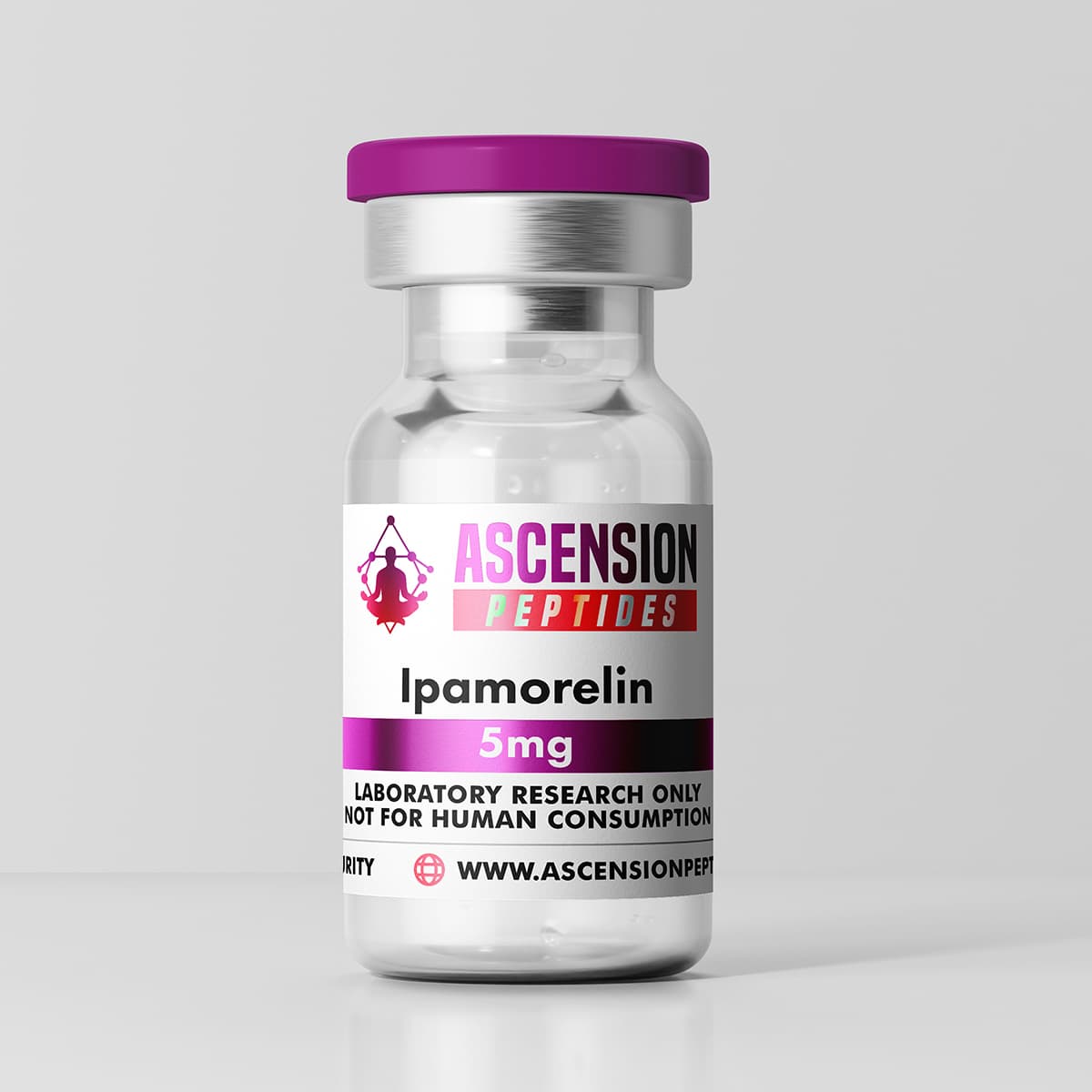
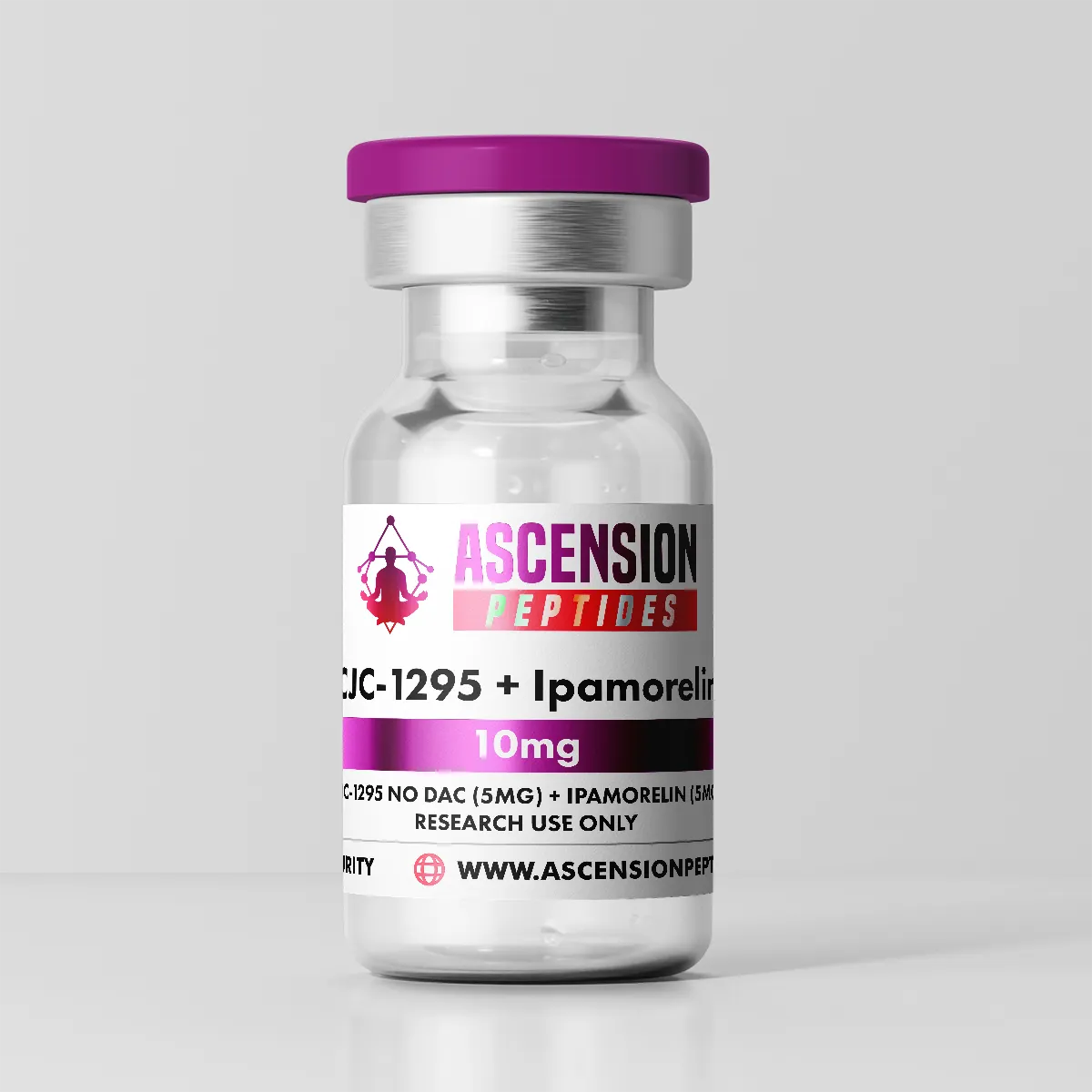
The most commonly researched pairing is CJC-1295 without DAC + Ipamorelin. This combination has become the standard protocol in growth hormone secretagogue research because ipamorelin is considered the most selective GHRP, stimulating GH release without significantly affecting cortisol or prolactin levels.
Pro Tip
In research contexts, the CJC-1295 (no DAC) + Ipamorelin combination is sometimes referred to as a "GH pulse stack." The Mod GRF 1-29 amplifies the GH-releasing signal while ipamorelin initiates it through a complementary pathway. Research suggests this combination can produce GH pulses 3-5x greater than either peptide alone. Read our full CJC-1295 and Ipamorelin synergy analysis for details.
Potential Advantages
- Mimics natural physiology: Pulsatile release preserves the body's GH rhythm
- Lower desensitization risk: Receptor recovery between pulses maintains sensitivity
- Synergy with GHRPs: Can be stacked with ipamorelin or GHRP-2 for amplified effects
- Dose flexibility: Short half-life allows rapid adjustment of research protocols
- Fewer hormonal side effects: Less likely to elevate cortisol or prolactin compared to continuous stimulation
Potential Concerns
- Multiple daily doses: Requires 1-3 injections per day for sustained effect
- Timing sensitivity: Best administered at specific times (fasting, pre-sleep) for optimal GH response
- More complex protocols: Often requires stacking with a GHRP for full effect
Why GH Release Pattern Matters

The debate between these two CJC-1295 variants ultimately comes down to a fundamental question in endocrinology: is pulsatile or continuous growth hormone stimulation more beneficial?
The Case for Pulsatile Release
Natural GH secretion is pulsatile by design. The hypothalamus alternates between GHRH release (stimulating GH) and somatostatin release (suppressing GH), creating rhythmic bursts throughout the day. The largest pulse occurs during Stage 3 deep sleep, with smaller pulses following exercise, fasting, and other physiological triggers.
Research suggests this pulsatile pattern is not arbitrary—it serves important biological functions:
- Receptor sensitivity: GH receptors in target tissues appear to respond more robustly to intermittent stimulation. Continuous exposure can lead to downregulation.
- Differential gene expression: Studies in animal models show that pulsatile versus continuous GH exposure activates different patterns of gene expression in the liver, with pulsatile patterns associated with sex-specific IGF-1 production and metabolic regulation.
- Lipolysis: GH-mediated fat breakdown appears to be more effectively stimulated by pulsatile release patterns.
- Feedback preservation: Pulsatile stimulation preserves the somatostatin feedback loop, preventing chronic suppression of the GH axis.
The Case for Sustained Release
However, sustained GH elevation is not without precedent or theoretical merit:
- IGF-1 consistency: Sustained GH stimulation produces more consistent IGF-1 levels, which may be relevant for anabolic and tissue-repair processes.
- Practical simplicity: For research subjects, weekly dosing represents significantly less burden than multiple daily injections.
- Clinical data: The Phase I/II trials of CJC-1295 with DAC demonstrated meaningful, dose-dependent IGF-1 elevation with acceptable safety profiles in the study timeframes.
Typical Research Protocols
CJC-1295 with DAC Protocols
CJC-1295 Without DAC (Mod GRF 1-29) Protocols
Pro Tip
GH release from GHRH analogs is blunted by elevated blood sugar and free fatty acids. Research protocols with Mod GRF 1-29 typically specify administration on an empty stomach—ideally 2+ hours after the last meal—to maximize the GH response. The pre-sleep dose is popular because it coincides with the body's natural nocturnal GH surge and a fasting window. See our guide on peptides and food timing for details.
What Does the Research Show?
CJC-1295 with DAC Clinical Trials
The most robust human data comes from ConjuChem's clinical development program. A Phase I/II trial published in the Journal of Clinical Endocrinology & Metabolism (2006) studied CJC-1295 with DAC in healthy adults aged 21-61:
- Single doses of 30, 60, or 125 μg/kg produced dose-dependent increases in GH and IGF-1
- Mean GH levels increased 2-10 fold for up to 6 days after a single injection
- IGF-1 levels increased 1.5-3 fold and remained elevated for 9-11 days
- After 2-3 weekly doses, steady-state IGF-1 elevation was achieved
- The most common adverse events were injection site reactions, headache, and diarrhea
- No serious adverse events were reported in the study timeframe
Mod GRF 1-29 Research
Direct clinical trial data for Mod GRF 1-29 specifically is more limited, though the broader class of GHRH analogs (including the parent compound sermorelin, which is FDA-approved for GH deficiency diagnosis) is well-studied. The key findings from available research include:
- Acute GH release of 3-10x baseline within 30-60 minutes of administration
- Synergistic GH release when combined with GHRPs (3-5x greater than either alone)
- Preservation of pulsatile GH patterns and somatostatin feedback
- Comparable IGF-1 elevation to the DAC variant when dosed appropriately over time
- Good tolerability with minimal cortisol or prolactin elevation
Much of the supporting evidence comes from research on sermorelin (the unmodified GRF 1-29) and tesamorelin (another modified GHRH analog FDA-approved for HIV-associated lipodystrophy), which share the same mechanism of action.
Which Variant Is Right for Your Research?
Choose CJC-1295 with DAC When
Research goals prioritize simplicity, consistent IGF-1 elevation, and minimal dosing frequency. Suited for protocols studying sustained GH axis stimulation.
Choose Mod GRF 1-29 (No DAC) When
Research goals prioritize physiological GH pulsatility, GHRP stacking protocols, and dose flexibility. Preferred for protocols studying natural GH augmentation.
The Research Consensus
The majority of current GH secretagogue research uses CJC-1295 without DAC paired with ipamorelin, favoring pulsatile release patterns.
Decision Factors
When evaluating which CJC-1295 variant to use in a research context, consider the following:
Research Duration and Complexity
Longer studies with simpler protocols may favor the DAC variant's weekly dosing. Short-term studies or those examining acute GH responses benefit from the no-DAC variant's rapid onset and clearance.
GH Pattern Goals
If the study aims to augment natural GH physiology, the pulsatile release of Mod GRF 1-29 is preferred. If consistent, elevated GH/IGF-1 is the primary endpoint, the DAC variant may be more appropriate.
Stacking Considerations
Planning to combine with ipamorelin or another GHRP? The no-DAC variant is the standard choice, as both peptides are administered simultaneously for synergistic pulsatile release. The DAC variant is typically used as a standalone. See our peptide stacking guide for more details.
Side Effect Profile
CJC-1295 with DAC's sustained stimulation has been associated with cortisol and prolactin elevation in some subjects. The no-DAC variant, especially paired with ipamorelin, generally shows a cleaner hormonal side effect profile in available research.
Safety Considerations for Both Variants
Both CJC-1295 variants share some common side effects related to GH stimulation, but the duration and intensity differ based on the half-life characteristics:
Common Effects (Both Variants)
- Injection site reactions: Redness, swelling, or discomfort at the injection site (generally mild and transient)
- Water retention: GH elevation can cause fluid retention, particularly in the first weeks. See our article on peptide water retention for management strategies.
- Tingling or numbness: Paresthesias in hands or feet, related to GH-mediated nerve effects
- Headache: Reported in clinical trials, generally mild
- Increased hunger: More common with the no-DAC variant when paired with GHRPs like GHRP-6
DAC-Specific Considerations
- Cortisol elevation: Sustained GHRH stimulation can increase cortisol production—a significant concern for chronic use
- Prolactin elevation: Some research subjects show elevated prolactin, which can affect reproductive hormone balance
- Irreversibility: Once injected, the multi-day half-life means side effects cannot be rapidly managed by discontinuation
No-DAC-Specific Considerations
- Timing sensitivity: Effects are blunted by food intake, requiring fasting protocols
- Injection frequency burden: 2-3 daily injections may increase injection site discomfort over time
- GHRP-dependent side effects: When stacked with GHRP-2 or GHRP-6, additional effects like intense hunger and cortisol elevation can occur (though ipamorelin largely avoids these)
Frequently Asked Questions
Further Research
Understanding CJC-1295 variants is just one piece of the growth hormone secretagogue puzzle. For a more complete picture, explore these related resources:
- CJC-1295 vs Ipamorelin: Complete Comparison — How these two peptide classes work together
- CJC-1295 and Ipamorelin Synergy Research — Deep dive into the synergistic mechanisms
- Growth Hormone Secretagogues Overview — The full landscape of GH-releasing compounds
- GHRP-2 vs GHRP-6 Comparison — Choosing the right GHRP to stack with Mod GRF 1-29
- MK-677 vs Injectable Peptides — Oral GH secretagogue vs injectable options
- Peptides vs HGH — How secretagogues compare to exogenous growth hormone
- How to Reconstitute Peptides — Essential preparation guide for both variants