If you've researched growth hormone optimization, you've likely encountered two distinct approaches: synthetic human growth hormone (HGH) and growth hormone-releasing peptides (GHRPs). While both aim to increase growth hormone levels, they work through fundamentally different mechanisms—and understanding these differences is crucial for making informed decisions.
This comprehensive comparison breaks down how peptides and HGH differ in their mechanisms, effects, safety profiles, and practical considerations.
🔑 Key Takeaways
- HGH directly replaces growth hormone; peptides stimulate your body to produce more naturally
- Peptides maintain the body's feedback loops; HGH can suppress natural production
- Peptides are generally more affordable and carry fewer regulatory restrictions
- Both approaches have distinct risk-benefit profiles depending on individual goals
What Is Human Growth Hormone (HGH)?
Human growth hormone is a 191-amino acid protein naturally produced by the pituitary gland. Synthetic HGH (somatropin) is an exact bioidentical replica of this hormone, typically produced through recombinant DNA technology. Brand names include Humatrope, Genotropin, Norditropin, and Saizen.
When you inject synthetic HGH, you're directly adding growth hormone to your system—essentially replacing what your body produces rather than encouraging more natural production.
What Are Growth Hormone-Releasing Peptides?
Growth hormone-releasing peptides (GHRPs) and growth hormone-releasing hormone (GHRH) analogs are smaller peptide molecules that stimulate your pituitary gland to produce and release more of your own growth hormone. Common examples include:
- Ipamorelin – Selective GHRP with minimal side effects
- CJC-1295 – GHRH analog that amplifies GH pulses
- GHRP-6 – Potent GH releaser that also increases appetite
- GHRP-2 – Similar to GHRP-6 but with less hunger stimulation
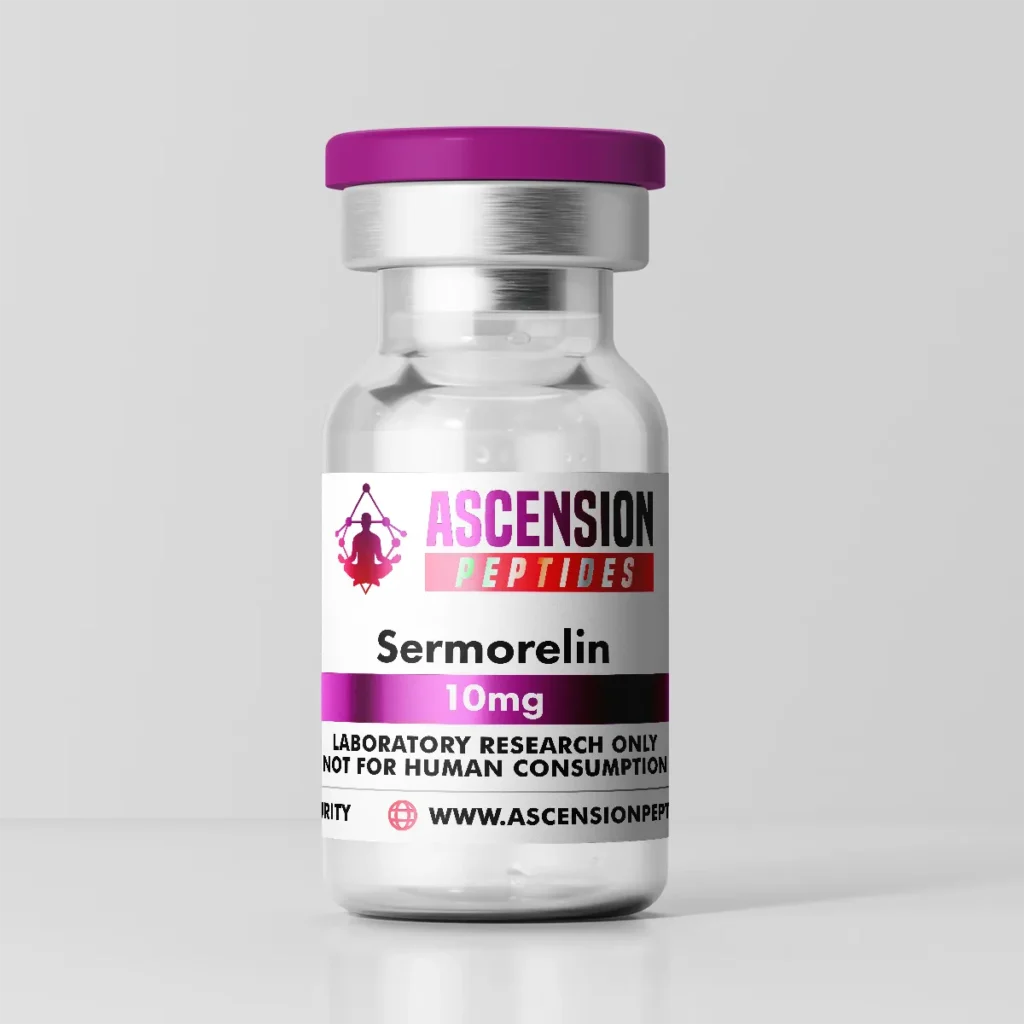
- Sermorelin – GHRH analog often prescribed for anti-aging
- MK-677 – Oral GH secretagogue (technically not a peptide)
How They Work: Fundamental Differences
HGH (Direct Replacement)
Injects exogenous growth hormone directly into the body, bypassing the pituitary gland entirely.
Peptides (Stimulation)
Signals the pituitary to release more of your own endogenous growth hormone in natural pulsatile patterns.
The Feedback Loop Difference
This distinction matters enormously for long-term use:
With HGH: External growth hormone signals to your pituitary that levels are sufficient, potentially causing it to reduce natural production. This is why HGH users may experience suppression of their own GH production over time, and why many require careful tapering rather than abrupt cessation.
With Peptides: Because peptides work through the pituitary, they maintain the body's natural feedback mechanisms. Your body still regulates GH release based on its own signals, reducing the risk of suppression and dependency.
Comparing Benefits and Outcomes
Both approaches can improve markers associated with growth hormone, but with some important differences:
When HGH May Have an Edge
- Diagnosed GH deficiency – Replacement therapy for those with pituitary dysfunction
- Severe catabolism – Burns, major surgery, wasting conditions (medical use)
- Precise dosing needs – Exact GH levels can be controlled
- Non-responsive pituitary – When the gland cannot respond to stimulation
When Peptides May Have an Edge
- Optimization, not replacement – For those with functional pituitaries wanting enhancement
- Long-term protocols – Lower suppression risk for extended use
- Budget considerations – Significantly lower cost than pharmaceutical HGH
- Milder approach – Generally fewer and less severe side effects
- Anti-aging protocols – Maintaining natural rhythms while boosting output
Side Effect Profiles: What to Expect
Common HGH Side Effects
- Joint pain and swelling – Often in wrists, knees, and ankles
- Carpal tunnel syndrome – Numbness and tingling in hands
- Fluid retention/edema – Particularly in extremities
- Insulin resistance – Potential blood sugar impacts
- Increased risk of certain cancers – Theoretical concern with long-term supraphysiological doses
- Acromegaly symptoms – With chronic excessive use
- Pituitary suppression – Reduced natural production
Common Peptide Side Effects
- Injection site reactions – Redness, itching (usually temporary)
- Increased hunger – Particularly with GHRP-6
- Water retention – Generally milder than HGH
- Flushing and warmth – Shortly after injection
- Headaches – Occasional, usually mild
- Fatigue or lethargy – Sometimes reported initially
Pro Tip
Ipamorelin is known as the "cleanest" GHRP because it selectively stimulates GH release without significantly affecting cortisol, prolactin, or appetite—making it popular for those concerned about side effects.

Cost, Access, and Legal Status
Cost Comparison
Pharmaceutical HGH is expensive—often $600-1500+ per month for standard doses, depending on brand and location. It requires a prescription in most countries and is heavily regulated.
Research peptides are significantly more affordable, typically $50-200 per month depending on which peptides and protocols are used. However, they exist in a regulatory gray area in many jurisdictions.
Administration
Both require injection (except for oral MK-677). Key differences:
- HGH: Usually once daily, often before bed or in morning
- Peptides: Often 1-3 times daily for optimal pulsatile release
- Reconstitution: Both require proper reconstitution and storage
Monitoring
Regular blood work is advisable for either approach:
- IGF-1 levels – Primary marker of GH activity
- Fasting glucose and HbA1c – Monitoring insulin sensitivity
- Thyroid panel – GH can affect thyroid conversion
- Lipid panel – Overall metabolic health
Can You Use Both?
Some advanced protocols do combine low-dose HGH with peptides, though this approach requires careful medical supervision. The rationale is that peptides can help maintain natural pituitary function while HGH provides a baseline elevation.
However, for most individuals, choosing one approach makes more sense:
- Peptides first – If your pituitary is functional, peptides allow you to enhance your own production
- HGH for replacement – If testing shows genuine GH deficiency or pituitary dysfunction
Which Approach Is Right for You?
Assess Your Starting Point
Get baseline IGF-1 and comprehensive blood work. If you have genuine GH deficiency, HGH replacement under medical care may be appropriate. If levels are normal but suboptimal, peptides offer a gentler approach.
Consider Your Goals
For anti-aging and general optimization, peptides may suffice. For specific medical conditions or severe deficiency, HGH may be necessary. For athletic recovery, both have applications.
Evaluate Practical Factors
Budget, legal access in your region, comfort with injection frequency, and ability to get medical supervision all factor into the decision.
Start Conservative
Whether choosing peptides or HGH, starting at lower doses and titrating based on response and blood work is the safer approach.
For many seeking growth hormone optimization without diagnosed deficiency, a beginner-friendly peptide protocol offers a reasonable starting point with good safety margins. Those with confirmed deficiency or under medical care may benefit from pharmaceutical HGH.
Frequently Asked Questions
Conclusion
The choice between peptides and HGH isn't necessarily about which is "better"—it's about which approach matches your physiology, goals, resources, and risk tolerance.
Peptides offer a gentler, more physiological approach that maintains your body's natural regulation. They're more affordable, generally have milder side effects, and work well for optimization and anti-aging goals.
HGH provides direct hormone replacement with powerful effects, making it appropriate for diagnosed deficiency or medical applications where precise dosing matters—but with greater cost, side effect potential, and regulatory complexity.
For most individuals exploring growth hormone optimization, starting with peptides under appropriate guidance represents a reasonable approach. Those with specific medical needs should consult with healthcare providers about whether pharmaceutical HGH is warranted.
Whatever path you choose, proper monitoring, conservative dosing, and realistic expectations will serve you better than chasing extreme results.