🔑 Key Takeaways
- Mitochondrial dysfunction is a root cause of chronic fatigue, brain fog, and accelerated aging
- MOTS-c activates AMPK — the same metabolic switch triggered by exercise — boosting glucose uptake and fat oxidation
- SS-31 (Elamipretide) physically embeds in mitochondrial membranes, stabilizing the structures that produce ATP
- NAD+ precursors and mitochondrial peptides work through different pathways and can complement each other
- Lifestyle factors (exercise, sleep, nutrition) remain the foundation — peptides build on top of them
Here's an uncomfortable truth about energy: it's not about willpower or caffeine tolerance. It's about mitochondria. Those tiny organelles in every cell produce ATP — the molecular fuel your body runs on — and when they start faltering, no amount of cold brew fixes the problem. You just feel... slower. Heavier. Like operating at 60% with no obvious reason.
That's mitochondrial dysfunction, and it's shockingly common. It accelerates with age, worsens under chronic stress, and compounds silently over years. The exciting part? A handful of peptides now target mitochondria specifically — not just masking fatigue but addressing the cellular machinery that creates energy in the first place.
This guide breaks down the best peptides for energy and mitochondrial health: how they work, what the data shows, how they compare, and what to actually expect if you use them. No hype, no miracle claims. Just biology and honest assessment.
Why Mitochondrial Health Determines Your Energy Levels
Mitochondria convert nutrients into ATP through oxidative phosphorylation — a process that runs along the electron transport chain embedded in the inner mitochondrial membrane. When this process runs smoothly, you have energy to spare. When it doesn't, every system suffers.
And it's not just about feeling tired. Mitochondrial dysfunction is implicated in:
- Accelerated aging — cells that can't produce adequate energy accumulate damage faster
- Brain fog and cognitive decline — neurons are among the most mitochondria-dense cells in your body
- Metabolic syndrome — impaired fat oxidation and glucose handling trace back to mitochondrial efficiency
- Chronic inflammation — damaged mitochondria release reactive oxygen species (ROS) that trigger inflammatory cascades
- Exercise intolerance — muscles simply can't sustain output without adequate ATP production
What Damages Mitochondria
Several factors compound over time:
One detail that matters: mitochondria have their own DNA (mtDNA), separate from your nuclear genome. This mtDNA is more vulnerable to damage because it lacks the protective histones and repair mechanisms that nuclear DNA enjoys. That vulnerability is actually why mitochondrial peptides are so interesting — some of them (MOTS-c, Humanin) are encoded by that very mtDNA.
MOTS-c: The Exercise Mimetic Peptide
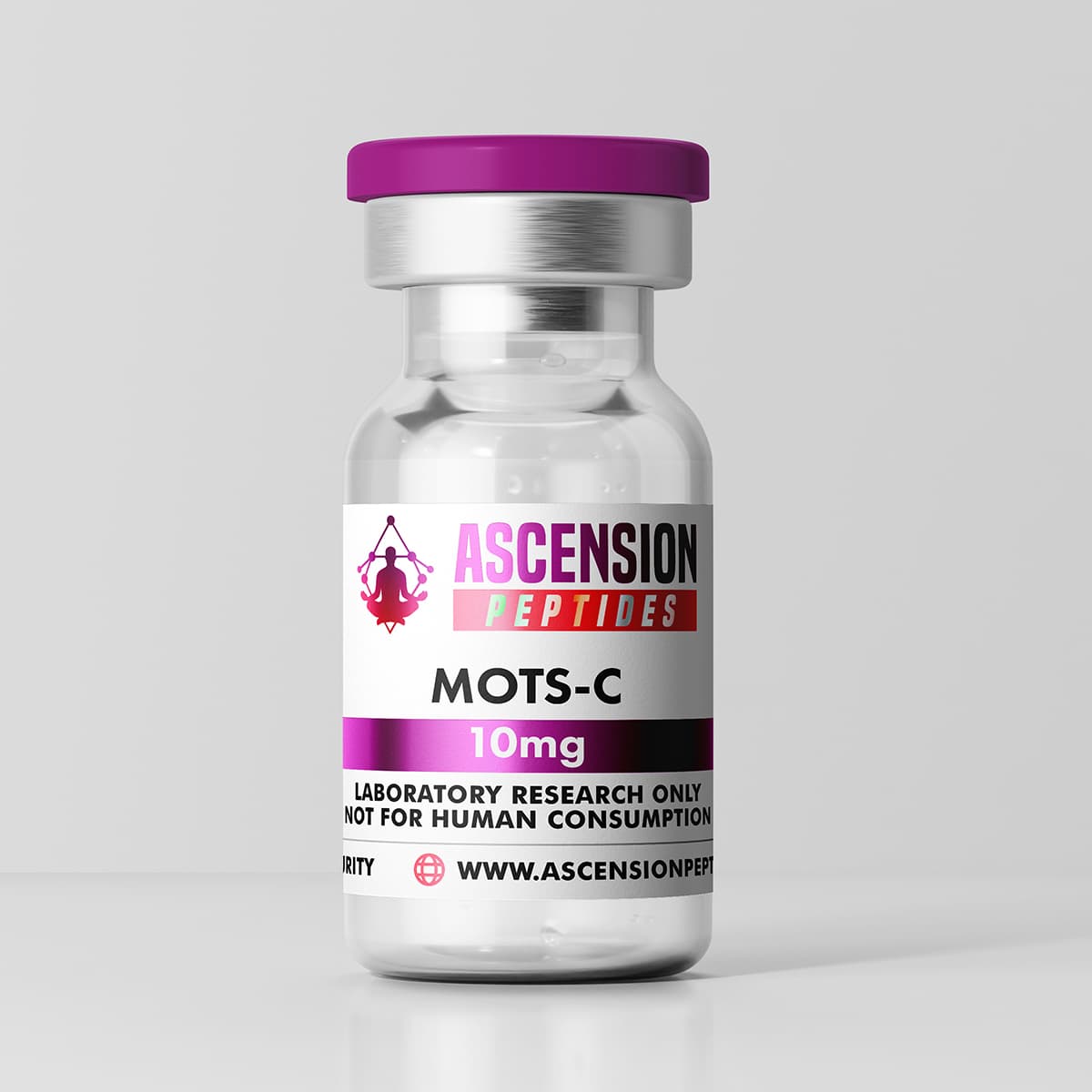
If I had to pick one peptide that best represents the future of metabolic medicine, it would be MOTS-c. Discovered in 2015 at the University of Southern California by Changhan David Lee's lab, this 16-amino acid peptide is literally encoded within mitochondrial DNA — making it one of the few "mitochondrial-derived peptides" (MDPs) we know of.
For the full compound breakdown, see our MOTS-c review.
How MOTS-c Works
AMPK Activation
MOTS-c activates AMP-activated protein kinase — the master metabolic switch that exercise triggers. This increases glucose uptake, enhances fat burning, and improves insulin sensitivity.
Metabolic Flexibility
Improves the body's ability to switch between burning carbohydrates and fats — a hallmark of metabolic health that declines with age.
Stress Resilience
Enhances cellular resistance to metabolic stressors, protecting mitochondria under conditions that would normally impair them.
Nuclear Translocation
Under stress, MOTS-c moves from the cytoplasm into the cell nucleus where it directly regulates gene expression — a rare ability for a mitochondrial peptide.
What the Research Shows
The data on MOTS-c is genuinely compelling:
- Improved glucose tolerance and insulin sensitivity — effects that persisted even under high-fat diet conditions (Lee et al., Cell Metabolism, 2015)
- Prevention of diet-induced obesity despite unchanged food intake
- Enhanced exercise capacity and muscle metabolism in aged subjects
- Circulating MOTS-c levels in humans decline significantly with age — and lower levels correlate with worse metabolic outcomes (Du et al., 2019)
- Physical exercise itself increases MOTS-c levels, suggesting a natural feedback loop (Reynolds et al., JAHA, 2021)
The "exercise mimetic" framing is important. MOTS-c doesn't replace exercise — but it activates overlapping metabolic pathways. For someone whose mitochondria are already compromised (age, illness, chronic fatigue), that metabolic kickstart matters enormously.
For dosing specifics, check our MOTS-c dosage guide.
SS-31 (Elamipretide): Targeting the Mitochondrial Membrane
SS-31 takes a fundamentally different approach than MOTS-c. Instead of activating metabolic signaling pathways, it physically embeds itself into the inner mitochondrial membrane where it stabilizes cardiolipin — a phospholipid essential for electron transport chain function.
We have a full SS-31 (Elamipretide) deep-dive if you want the complete picture.
Why Cardiolipin Matters
Think of cardiolipin as the scaffolding that holds the electron transport chain together. Without proper cardiolipin structure, the respiratory complexes can't organize efficiently. ATP production drops. ROS production increases. It's a vicious cycle — and it's exactly what happens during aging.
SS-31 concentrates in mitochondria at 1,000–5,000x its concentration in the surrounding cytoplasm. That's remarkable tissue specificity for a peptide. Once there, it:
- Stabilizes cardiolipin's interaction with cytochrome c
- Protects electron transport chain complexes from oxidative damage
- Reduces mitochondrial ROS production at the source
- Improves ATP synthesis efficiency
Human Clinical Trial Data
What sets SS-31 apart from other mitochondrial peptides is real human clinical data:
The Barth Syndrome results are particularly notable — this is a genetic mitochondrial disease caused specifically by cardiolipin deficiency. SS-31's mechanism directly addresses the underlying pathology, which provides strong mechanistic validation.
NAD+ and Its Connection to Mitochondrial Peptides
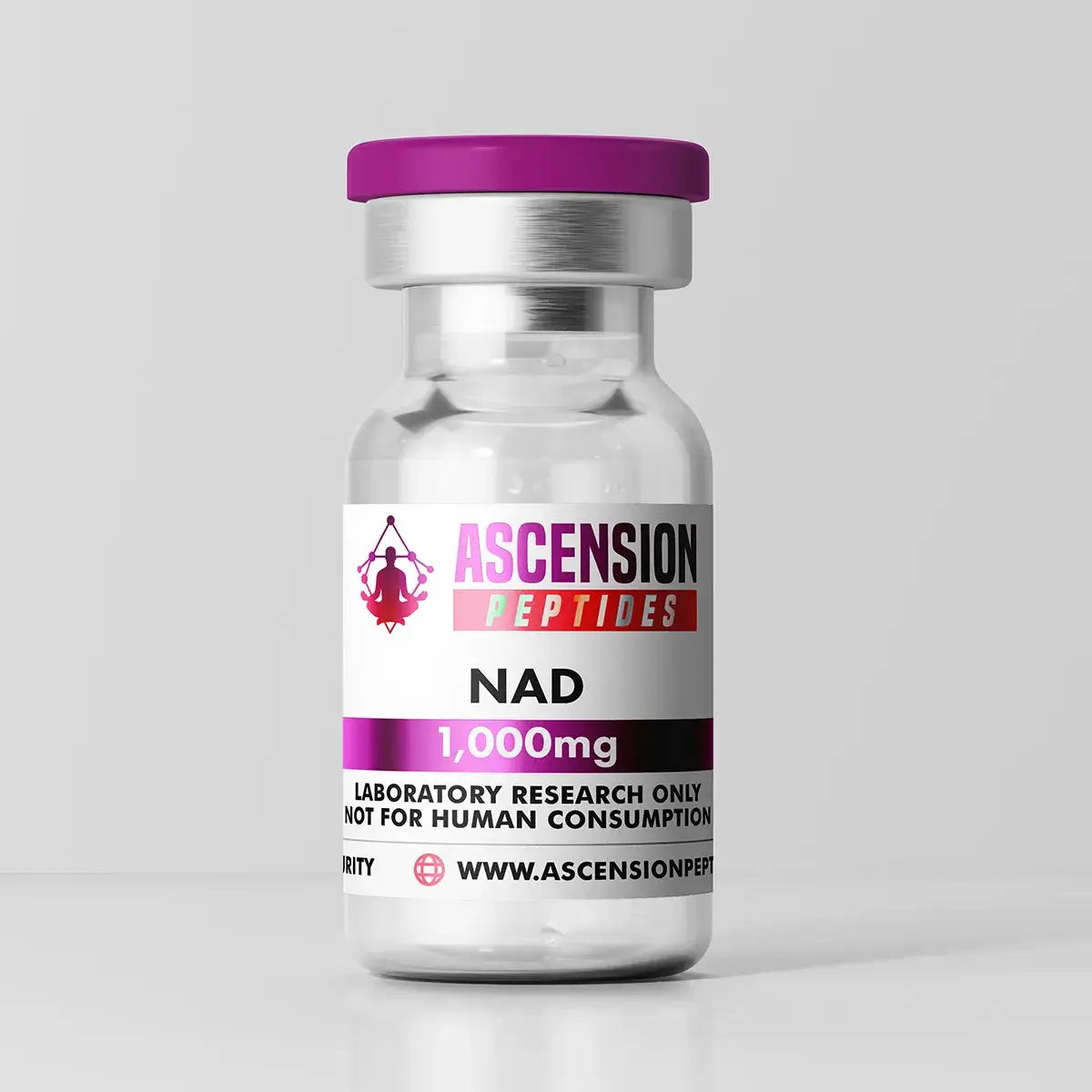
You can't talk about mitochondrial energy without mentioning NAD+ (nicotinamide adenine dinucleotide). It's a coenzyme present in every cell that's essential for redox reactions in the electron transport chain. Without adequate NAD+, mitochondria simply can't produce ATP efficiently.
NAD+ levels decline ~50% between ages 40 and 60 — a dramatic drop that correlates directly with mitochondrial dysfunction (Massudi et al., PLoS One, 2012). For a thorough breakdown, see our NAD+ benefits and dosing guide.
NAD+ vs Mitochondrial Peptides
These aren't competing strategies — they're complementary. NAD+ provides the raw material. MOTS-c activates the metabolic pathways. SS-31 protects the physical structures. Think of it as fuel, ignition, and engine maintenance.
Epithalon: Longevity and Mitochondrial Crosstalk
Epithalon (Epitalon) isn't a mitochondrial peptide in the direct sense — it's a synthetic tetrapeptide that activates telomerase, the enzyme that maintains telomere length. But the connection to mitochondrial health is real and increasingly well-documented.
The Telomere-Mitochondria Axis
Telomere shortening and mitochondrial dysfunction create a bidirectional feedback loop:
- Short telomeres activate p53, which suppresses PGC-1α — the master regulator of mitochondrial biogenesis
- Dysfunctional mitochondria increase ROS, which accelerates telomere erosion
- This creates a downward spiral that accelerates cellular aging
By maintaining telomere length, Epithalon may help preserve PGC-1α activity and mitochondrial biogenesis capacity. It's an indirect route to mitochondrial health, but the mechanisms are sound.
Epithalon also supports pineal gland function and melatonin production. Melatonin is itself a potent mitochondrial antioxidant — it accumulates in mitochondria and scavenges ROS directly (Reiter et al., 2018). So the energy benefit may come through multiple channels.
Humanin: The Cytoprotective Mitochondrial Peptide
Discovered in 2001 during Alzheimer's research, Humanin is a 24-amino acid peptide encoded by mitochondrial DNA (like MOTS-c). It's one of the most potent cytoprotective peptides known — meaning it protects cells from various stressors that would otherwise trigger death or dysfunction.
How Humanin Supports Energy
Anti-Apoptotic
Prevents stress-induced cell death by blocking BAX activation — keeping mitochondria-rich cells alive and functional.
Insulin Sensitization
Improves insulin signaling and glucose metabolism, ensuring cells receive adequate fuel for ATP production.
Neuroprotection
Shields neurons — the most metabolically demanding cells — from oxidative and metabolic stress.
Like MOTS-c, circulating Humanin levels decline with age. Lower levels correlate with Alzheimer's disease, cardiovascular disease, and type 2 diabetes — all conditions with strong mitochondrial components (Yen et al., 2018).

Thymosin Alpha-1: The Immune-Energy Link
This one might surprise you on a mitochondrial health list. Thymosin Alpha-1 (Tα1) is primarily an immune-modulating peptide — it's actually approved as a pharmaceutical in over 35 countries for immune support. So why include it here?
Because chronic immune activation is one of the biggest hidden drains on mitochondrial energy.
How Inflammation Steals Energy
Your immune system is metabolically ravenous. When chronically activated — by subclinical infections, autoimmune processes, or systemic inflammation — it diverts enormous resources away from normal cellular function:
- Inflammatory cytokines (TNF-α, IL-6) directly impair mitochondrial respiration
- Chronic NF-κB activation suppresses mitochondrial biogenesis
- Immune cells competing for glucose and glutamine create systemic energy deficits
- Sleep disruption from inflammation further compounds mitochondrial damage
Thymosin Alpha-1 doesn't boost or suppress immunity blindly — it modulates. It helps restore balanced immune function, which in turn reduces the chronic inflammatory burden that taxes mitochondria. For people whose fatigue stems from immune dysregulation (post-viral conditions, chronic inflammation), this indirect approach can be transformative.
Comparing All Mitochondrial Energy Peptides
Supporting Compounds That Enhance Mitochondrial Peptides
CoQ10 (Ubiquinone/Ubiquinol)
An electron carrier in the mitochondrial transport chain. Levels decline with age and statin use. CoQ10 supplementation (200–400mg/day of ubiquinol) provides substrate-level support that complements the structural and signaling effects of peptides.
PQQ (Pyrroloquinoline Quinone)
Stimulates mitochondrial biogenesis — the creation of entirely new mitochondria. While peptides like MOTS-c improve existing mitochondrial function, PQQ helps expand the total mitochondrial pool. The combination is synergistic in theory.
Alpha-Lipoic Acid
A versatile antioxidant that works in both water-soluble and fat-soluble environments. It regenerates other antioxidants (vitamin C, E, glutathione) and directly supports mitochondrial enzyme complexes.
Creatine
Often overlooked outside athletics, creatine serves as a rapid ATP buffer — it regenerates ATP from ADP faster than the mitochondrial electron transport chain can. For brain energy and muscle performance, creatine (3–5g/day) provides immediate support while peptides address longer-term mitochondrial health.
Building a Mitochondrial Health Protocol
The best approach combines foundational lifestyle interventions with targeted compounds. Here's a practical framework:
Foundation Layer (Non-Negotiable)
- Exercise: Both endurance and resistance training stimulate mitochondrial biogenesis through PGC-1α. This is the single most powerful mitochondrial intervention available.
- Sleep: 7–9 hours. Mitophagy (clearance of damaged mitochondria) peaks during deep sleep.
- Cold exposure: Cold showers or cold water immersion activate brown fat and stimulate mitochondrial uncoupling protein 1 (UCP1).
- Caloric awareness: Both chronic overfeeding and severe restriction impair mitochondria. Moderate caloric intake with adequate protein is ideal.
Supplement Layer
- NAD+ precursor (NMN or NR) — 500–1,000mg daily
- CoQ10 (ubiquinol) — 200–400mg daily
- Creatine monohydrate — 3–5g daily
- Magnesium — 300–400mg daily (essential cofactor for ATP)
Peptide Layer (Advanced)
- MOTS-c — for metabolic activation and exercise mimicry
- SS-31 — for membrane protection and direct mitochondrial support
- Consider Epithalon cycles for longevity-focused protocols
For athletic performance protocols specifically, our best peptides for athletic performance guide covers the exercise and recovery angle in more depth.
What to Expect: Realistic Timelines
Mitochondrial health doesn't change overnight. The organelles themselves turn over every 2–4 weeks, and meaningful improvements in mitochondrial density and function take time.
Lifestyle Factors That Destroy Mitochondrial Gains
No peptide overcomes consistently bad habits. These are the biggest mitochondrial saboteurs:
Chronic Alcohol Consumption
Alcohol directly damages mitochondrial membranes, inhibits electron transport chain complexes, and depletes NAD+ reserves. Even moderate regular consumption (2+ drinks daily) meaningfully impairs mitochondrial function. All the SS-31 in the world won't offset nightly drinking.
Chronic Sleep Deprivation
Sleep is when your cells perform mitophagy — the targeted destruction of damaged mitochondria. Skip sleep repeatedly, and damaged mitochondria accumulate instead of being cleared. This creates a progressive decline that compounds over months.
Sedentary Living
Exercise is the most powerful mitochondrial biogenesis stimulus known. Without it, mitochondrial density decreases, existing mitochondria become less efficient, and metabolic flexibility erodes. If you're using peptides for energy but never exercise, you're treating symptoms while ignoring the most effective intervention available.
Chronic Overfeeding
Consistent caloric surplus floods mitochondria with substrate they can't efficiently process. The excess drives ROS production, damages mitochondrial DNA, and promotes insulin resistance — which further impairs mitochondrial fuel delivery. The irony: eating too much makes your cells produce less energy, not more.