What Are Research Peptides? The Complete Guide (2026)
If you've spent any time in longevity, performance, or biohacking circles, you've heard the term research peptides thrown around — often without a clear explanation of what separates them from the peptides in your collagen powder or the GLP-1 drugs your doctor prescribes. This guide cuts through the noise. Whether you're a scientist, a curious layperson, or a self-experimenter doing your homework, here's everything you need to know about research peptides: what they are, how the major categories work, how to handle them properly, and how to evaluate quality before you buy.
What Are Research Peptides, Exactly?
A peptide is simply a chain of amino acids. Proteins are also chains of amino acids — the difference is length. Peptides typically contain fewer than 50 amino acids; proteins contain hundreds or thousands. Because of their smaller size, peptides can cross biological barriers (skin, gut lining, cell membranes) more easily than full proteins, and they can bind to specific receptors with a high degree of precision.
Research peptides are a specific subset: synthetic peptides manufactured for laboratory investigation. They may mimic naturally occurring sequences found in the human body — like growth hormone-releasing hormones, tissue-repair factors, or neuropeptides — or they may be engineered variants designed to have enhanced stability or potency compared to the natural molecule.
Here's what makes research peptides distinct from other peptide products you'll encounter:
- vs. Dietary supplement peptides (collagen, creatine peptides): These are food-derived and generally recognized as safe (GRAS). Research peptides are synthesized, receptor-active compounds with defined pharmacological mechanisms — a fundamentally different category.
- vs. FDA-approved pharmaceutical peptides (semaglutide in Ozempic, tesamorelin in Egrifta): Pharma peptides have passed clinical trials, carry specific approved indications, and are dispensed through licensed pharmacies. Research peptides have not completed this process and are sold strictly for non-human research.
- vs. Compounded peptides: Some peptides (like sermorelin) can still be legally compounded by licensed pharmacies for a physician-prescribed patient. Research peptides are not compounded — they're sold as raw lyophilized powder by chemical suppliers.
The 5 Major Categories of Research Peptides
The research peptide landscape spans dozens of compounds, but they cluster into five practical categories based on their primary mechanisms and research applications.
1. GLP-1 Receptor Agonists & Metabolic Peptides
GLP-1 (glucagon-like peptide-1) agonists have dominated health headlines thanks to pharmaceutical versions like semaglutide and tirzepatide. The research peptide market has followed, with compounds like retatrutide — a triple agonist targeting GLP-1, GIP, and glucagon receptors simultaneously — generating substantial scientific interest. For more on the fat loss applications of this category, see our deep-dive on the best peptides for fat loss in 2026.
Research in this category investigates appetite regulation, insulin sensitivity, gastric motility, and cardiovascular protection. These are highly potent receptor-active compounds with complex dose-response curves — the pharmacokinetics matter enormously, and you can learn more in our guide to understanding peptide pharmacokinetics.
2. Growth Hormone Secretagogues (GHS)
Growth hormone secretagogues stimulate the pituitary gland to produce and release growth hormone (GH) — they don't supply exogenous GH directly, but amplify the body's own production. Key compounds in this class include:
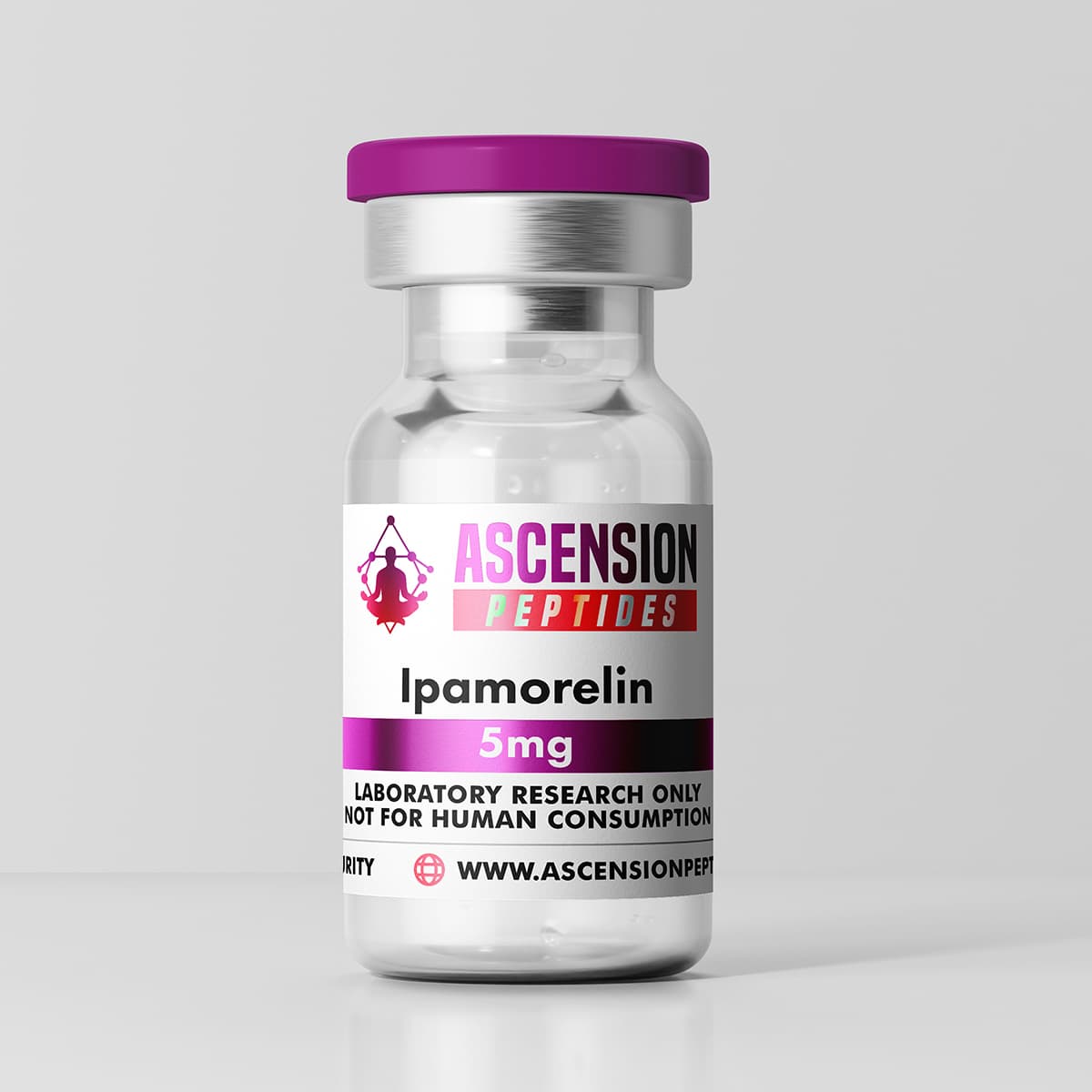
- Ipamorelin: A selective GHRP (growth hormone-releasing peptide) with a clean pulse pattern and minimal cortisol or prolactin elevation. Widely studied for GH restoration, body composition, and recovery.
- CJC-1295: A GHRH analogue that extends the half-life of growth hormone-releasing hormone dramatically. Often combined with ipamorelin in research protocols to produce both a GHRH signal and a GHRP signal simultaneously.
- Sermorelin: The oldest and most clinically studied GHRH analogue; still available via compounding in some jurisdictions.
- MK-677 (ibutamoren): Technically a non-peptide ghrelin mimetic, but functionally categorized with GHS compounds. Orally active and long-acting — unusual properties in this space.
3. Tissue Repair & Healing Peptides
Some of the most actively researched peptides fall into the healing and cytoprotection category. These compounds appear to accelerate recovery from musculoskeletal injury, reduce inflammation, and support gut barrier integrity.
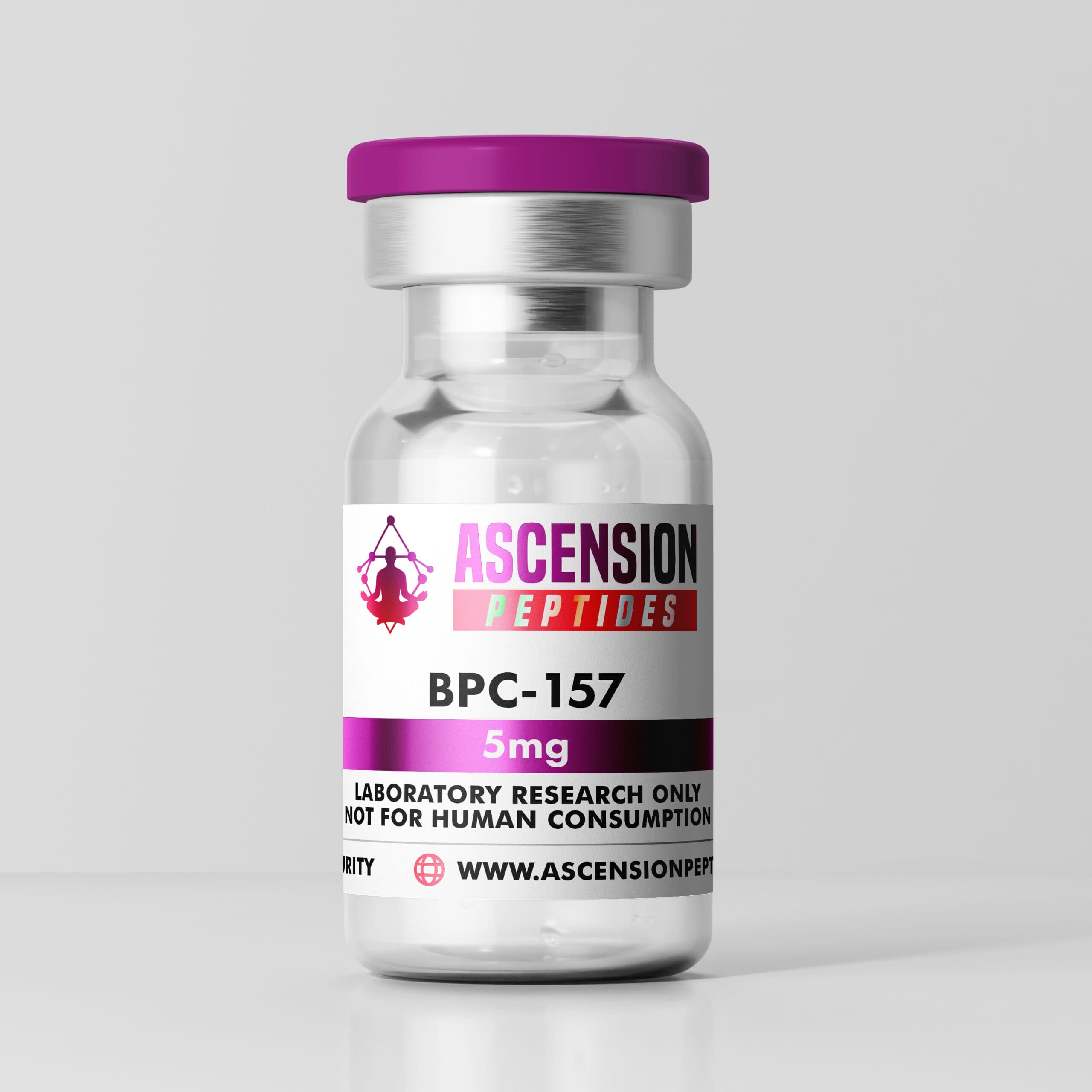
- BPC-157 (Body Protection Compound): A 15-amino-acid peptide derived from human gastric juice. Research in rodent models shows remarkable tendon, ligament, muscle, and gut healing effects — making it one of the most discussed compounds in the recovery space. Note: the FDA banned BPC-157 from compounding in 2023, making it available only through research chemical suppliers.
- TB-500 (Thymosin Beta-4 fragment): A synthetic fragment of thymosin beta-4, a naturally occurring protein involved in actin polymerization and tissue regeneration. Studied for wound healing, cardiac protection, and neural repair.
4. Cognitive & Neuroprotective Peptides
Nootropic peptide research is growing rapidly, driven by interest in Alzheimer's prevention, cognitive enhancement, and neuroplasticity.
- Selank: A heptapeptide analogue of tuftsin with anxiolytic and nootropic properties. Developed in Russia, where it's actually approved as a pharmaceutical. Research explores its effects on BDNF, anxiety, and memory formation.
- Semax: An ACTH analogue with neuroprotective and cognitive-enhancing effects. Also approved in Russia for stroke and TBI treatment. Research outside Eastern Europe is ongoing.
- Epithalon: A tetrapeptide studied primarily for telomerase activation and longevity. Research suggests it may regulate circadian rhythms, pineal function, and immune senescence.
5. Skin, Hair & Collagen Peptides
Not all research peptides are injectable. Several are studied for topical applications in dermatology and cosmetic research.
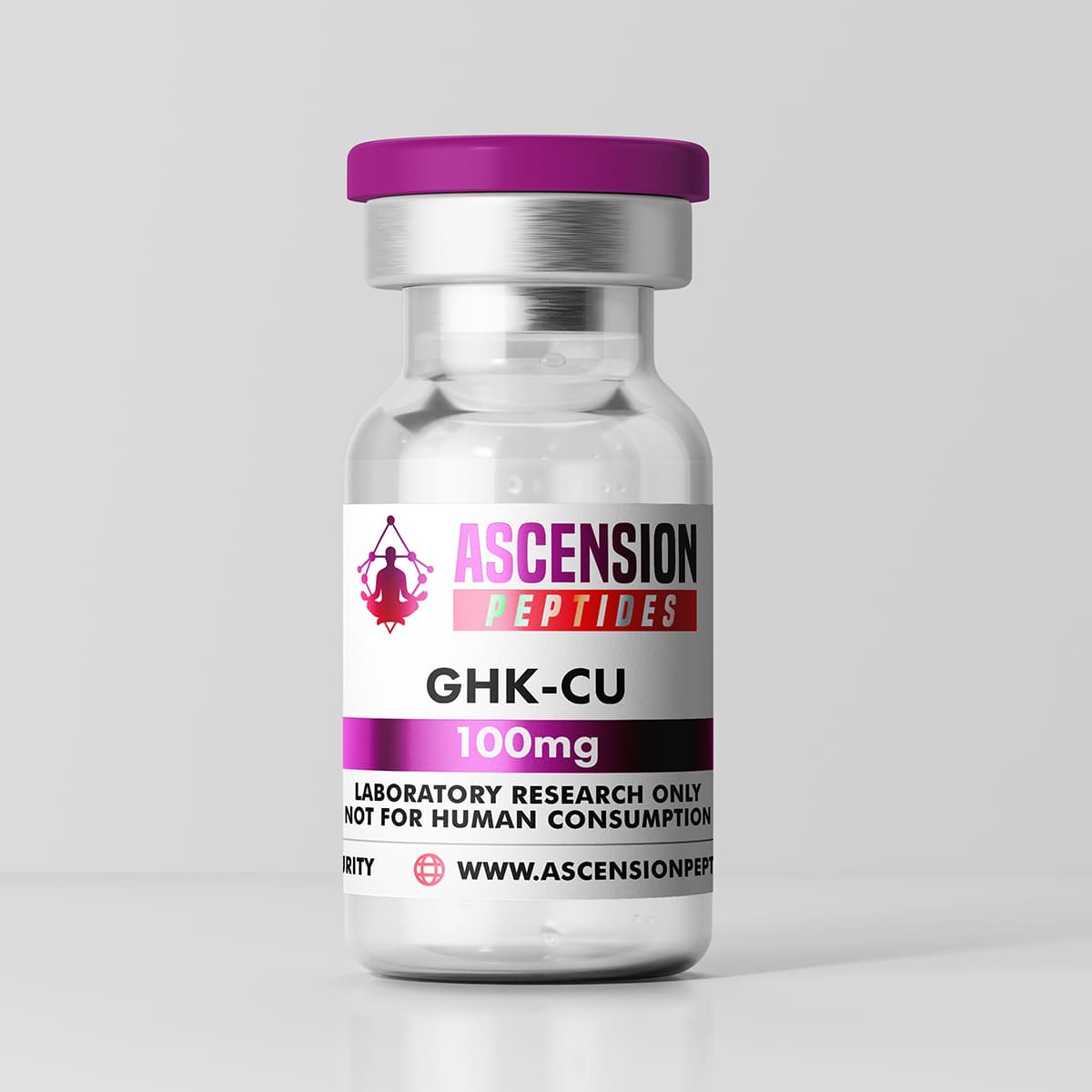
- GHK-Cu (copper peptide): A naturally occurring tripeptide-copper complex found in human plasma. Extensive research supports its roles in wound healing, collagen synthesis, and anti-inflammatory signaling. One of the most validated research peptides in terms of published literature.
- Matrixyl (palmitoyl pentapeptide-4): A cosmetic-grade synthetic peptide that stimulates collagen production in fibroblasts. The backbone of many premium anti-aging skincare formulas.
Are Research Peptides Legal?
This is the question everyone asks, and the answer requires some nuance.
Research peptides occupy a legal gray area that's distinct from scheduled controlled substances (which are outright illegal to possess without authorization) and FDA-approved drugs (which require a prescription). Most research peptides are sold under a "not for human consumption" designation — this labeling is legally significant because it places the compound outside FDA drug regulations while keeping it available for genuine research.
Key legal points to understand:
- Not DEA-scheduled: The vast majority of research peptides are not controlled substances under the Controlled Substances Act. Possession for research is not a federal crime.
- Not FDA-approved for human use: Selling, marketing, or distributing them for human consumption is a violation of federal law. Reputable suppliers include this disclaimer prominently.
- Compounding restrictions: Several peptides (BPC-157, CJC-1295, ipamorelin, TB-500, and others) were removed from the FDA's compounding-eligible list in 2023. This does not make them illegal to purchase as research chemicals — it means licensed pharmacies can no longer compound them for patients.
- State variation: Some states have additional regulations. Always check local law.
- International variation: Laws differ significantly by country. In Canada, Australia, and the UK, some of these compounds face stricter restrictions.
How to Reconstitute Research Peptides
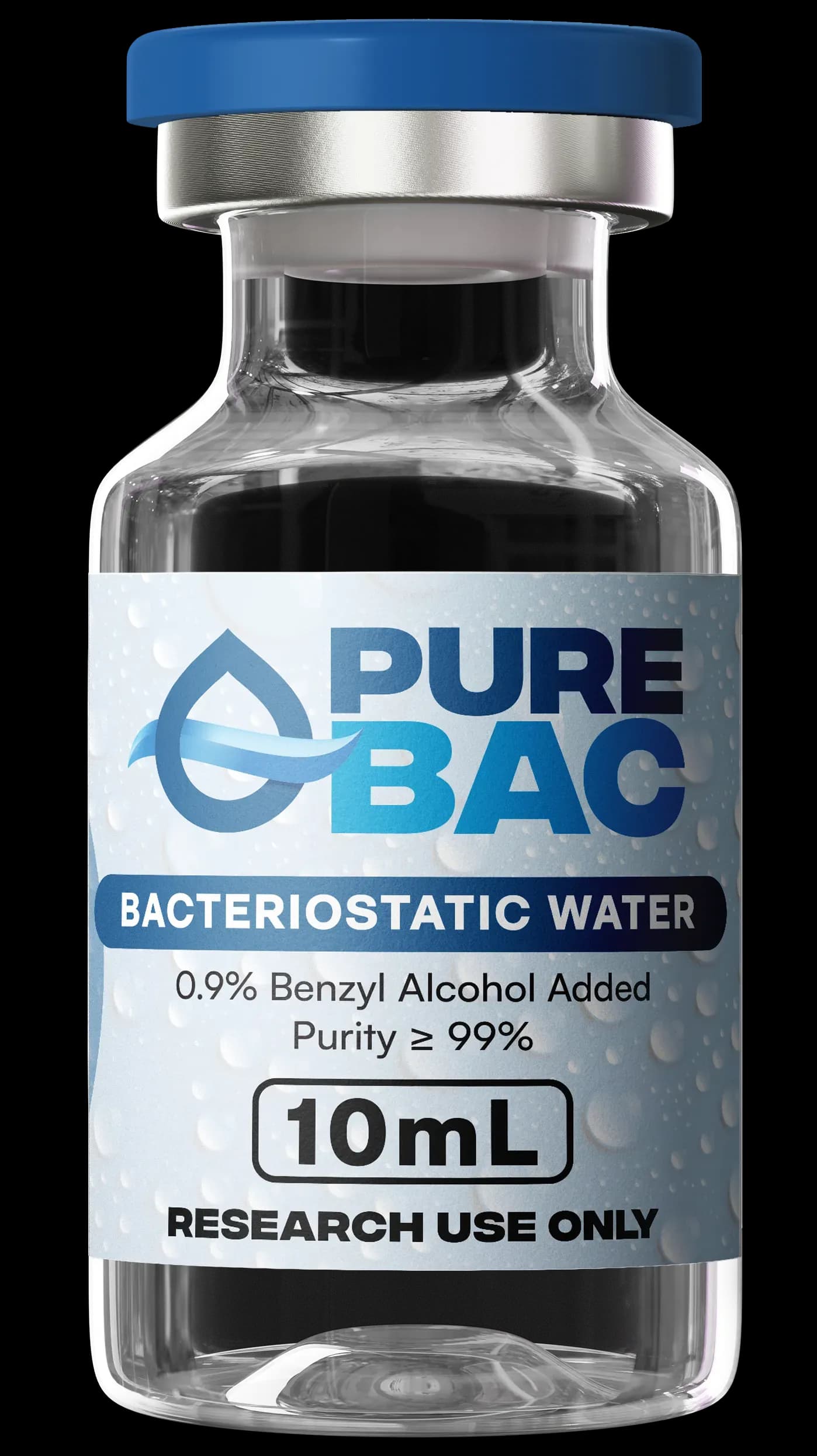
Research peptides are almost always sold as lyophilized (freeze-dried) powder. Before use in any research context, they must be reconstituted — dissolved in a sterile liquid. This process requires care to preserve peptide integrity.
- Gather your materials: You'll need the peptide vial, bacteriostatic water (BAC water — sterile water with 0.9% benzyl alcohol for multi-use stability), alcohol swabs, and an appropriate syringe (insulin syringes are standard for small volumes).
- Calculate your concentration: Decide your target concentration before reconstituting. Use our peptide calculator to determine exactly how many mL of BAC water to add per mg of peptide.
- Sterilize: Wipe the rubber stopper of both the peptide vial and BAC water vial with an alcohol swab. Allow to dry completely.
- Draw BAC water: Pull the calculated volume of BAC water into your syringe.
- Inject slowly: Insert the syringe into the peptide vial and inject the BAC water slowly down the side of the vial — do not jet it directly onto the powder, which can cause denaturation.
- Swirl gently: Gently swirl (do not shake vigorously) until the powder is fully dissolved. The solution should be clear. Cloudiness or particulate matter indicates a problem.
- Label clearly: Mark the vial with peptide name, concentration (e.g., 2 mg/mL), date reconstituted, and expiry date for reconstituted peptide (typically 28–30 days refrigerated).
Why BAC water? Sterile water for injection (SWFI) is technically suitable for single-use reconstitution, but it contains no preservative. If you're using a multi-dose vial over days or weeks, BAC water's benzyl alcohol content prevents bacterial growth and extends stability. For single-use research applications, either is acceptable.
Storage: Keeping Peptides Potent
Peptide stability is highly dependent on storage conditions. Improper storage is one of the most common reasons researchers see degraded results.
- Lyophilized (unreconstituted) peptides: Store at 2–8°C (standard refrigerator) for short-term use (up to 12 months). For long-term storage, -20°C is recommended. Many peptides are stable at room temperature for weeks if sealed and away from light, but refrigeration is the baseline standard.
- Reconstituted peptides: Once dissolved in BAC water, store at 2–8°C. Most reconstituted peptides remain stable for 28–30 days refrigerated. Do not freeze reconstituted peptides — ice crystal formation damages the peptide chain.
- Light sensitivity: UV light degrades many peptides. Keep vials in amber glass or opaque packaging, away from direct light.
- Moisture: Lyophilized peptide powder is hygroscopic (absorbs moisture from air). Always let refrigerated vials warm to room temperature before opening to prevent condensation on the powder.
- Freeze-thaw cycling: Avoid repeated freezing and thawing of reconstituted peptides. If you need long-term storage of reconstituted peptide, aliquot into single-use fractions before freezing.
How to Evaluate Research Peptide Quality
Not all suppliers are equal. The research peptide market includes legitimate, rigorous suppliers and fly-by-night operations selling impure or mis-labeled compounds. Here's how to assess quality before committing to a source.
Certificate of Analysis (COA)
A COA is a document from a third-party analytical lab confirming the identity and purity of the compound. Every legitimate research peptide supplier should provide a COA for each batch. Look for:
- Purity ≥98% by HPLC (high-performance liquid chromatography). This is the gold standard. Some suppliers advertise "≥95%" — that 3% gap matters in research contexts.
- Mass spectrometry (MS) confirmation: Confirms the molecular weight matches the expected peptide sequence. HPLC alone can't distinguish a correctly sequenced peptide from a mis-folded or truncated variant; MS can.
- Batch-specific documents: The COA should reference the specific batch number on your vial — not a generic document applicable to all stock.
- Third-party lab: The COA should come from an independent laboratory, not the supplier's in-house testing. Look for lab names and verifiable contact information.
Additional Quality Signals
- Lyophilized powder form: Legitimate research peptides are shipped as freeze-dried powder, not pre-mixed solutions. Pre-mixed solutions have shorter stability and are harder to verify.
- US-based supplier: Domestic suppliers are easier to vet, communicate with, and hold accountable. Shipping from domestic labs also avoids customs complications.
- Transparent about limitations: Reputable suppliers include "for research purposes only" language, disclose that compounds are not for human use, and don't make overt medical claims.
- Community reputation: The research peptide community is active on forums and subreddits where sourcing discussions happen. Long-standing positive reputation matters more than slick marketing.
Responsible Research Practices
If you're using research peptides in a laboratory or academic setting, standard biosafety practices apply: proper handling, disposal, and documentation are non-negotiable. If you're an independent researcher or self-experimenter (a growing population, whether regulators like it or not), here are the harm-reduction principles worth internalizing:
- Start with the most-studied compounds: GHK-Cu, BPC-157, sermorelin, and ipamorelin have substantially more published research than newer or more exotic peptides. More data means better-understood risk profiles.
- Understand the pharmacokinetics: How long does the peptide stay active? What's the peak vs. trough? When should you expect effects? This affects timing and dosing strategies significantly. Read our pharmacokinetics guide before working with any new compound.
- Source quality matters more than dosing protocol: The biggest variable in research outcomes isn't usually the protocol — it's peptide purity. Impure compounds produce confounded results at best, adverse reactions at worst.
- Keep records: Document what you're using, when, at what concentration, and any observed outcomes. Good science requires good notes.
- Consult a physician: Even in self-research contexts, having a knowledgeable physician aware of your protocols is valuable. Functional medicine and anti-aging physicians often have direct experience with these compounds.
Frequently Asked Questions
What's the difference between research peptides and peptide supplements?
Peptide supplements (collagen peptides, creatine peptides) are food-derived, generally recognized as safe, and sold for direct human consumption. Research peptides are synthesized pharmaceutical-grade compounds with defined receptor-binding mechanisms — a fundamentally different category of molecule with much more targeted biological activity and a different regulatory status.
Are research peptides the same as steroids?
No. Steroids are a category of lipid-based hormones (like testosterone and cortisol) that bind to intracellular receptors and affect gene expression broadly. Peptides are amino acid chains that typically bind to cell-surface receptors and trigger specific signaling cascades. They're chemically unrelated, have different mechanisms of action, and carry different risk profiles. Growth hormone secretagogues like ipamorelin raise GH indirectly; they are not anabolic steroids.
Is it legal to buy research peptides in the United States?
Yes, for legitimate research purposes. Research peptides are not scheduled controlled substances. They can be legally purchased and possessed in the US. What is not legal is selling or distributing them with claims for human use, or marketing them as drugs. Always purchase from suppliers with clear "not for human consumption" labeling and verifiable COAs.
How do I reconstitute a peptide vial?
Use bacteriostatic water (BAC water) and add it slowly down the side of the vial — never jet directly onto the powder. Swirl gently until dissolved. Use our reconstitution calculator to determine the exact volume needed for your target concentration.
How long do reconstituted peptides last?
Reconstituted peptides in BAC water are typically stable for 28–30 days when stored at 2–8°C (standard refrigerator temperature). Do not freeze reconstituted peptides. Lyophilized (unreconstituted) peptide powder stored properly can remain stable for 12–24 months.
What purity should I look for in a research peptide?
≥98% purity by HPLC is the benchmark for quality research peptides. Always look for a batch-specific COA from an independent third-party lab that includes both HPLC purity and mass spectrometry confirmation of the correct peptide sequence.
What are the most popular research peptides right now?
Based on research volume and community interest in 2026, the most discussed compounds include: BPC-157 (tissue repair), ipamorelin/CJC-1295 (GH secretagogue stack), GHK-Cu (skin and wound healing), retatrutide (metabolic/GLP-1 triple agonist), and epithalon (longevity/telomerase research). For fat loss specifically, see our guide on the best peptides for fat loss in 2026.
Can I get research peptides from a doctor?
Some peptides (like sermorelin and tesamorelin) can still be prescribed and compounded by licensed pharmacies. Others (BPC-157, CJC-1295, ipamorelin) were removed from the FDA's compounding-eligible list in 2023 and are no longer available through this channel. A functional medicine or anti-aging physician can advise on what's currently accessible via prescription vs. research channels.
This content is for informational and educational purposes only. Peptides discussed on this page are research compounds not approved by the FDA for human use. Always consult a licensed medical professional before using any peptide or supplement.