AOD-9604 + Tesamorelin + MOTS-C Stack: The Ultimate Fat Loss & Metabolic Peptide Guide (2026)
Among the dozens of peptide stacks being explored in research settings in 2026, few have generated as much interest as the combination of AOD-9604, Tesamorelin, and MOTS-C. Each peptide targets body composition and metabolic health through a different pathway, which is exactly why researchers find their combination theoretically compelling.
This is not a stack where three similar compounds are layered together for additive effect. Instead, the rationale is genuinely multi-mechanistic: you have a lipolysis-promoting fragment of human growth hormone (AOD-9604), a GHRH analog that reduces visceral adipose tissue through endogenous GH stimulation (Tesamorelin), and a mitochondria-derived peptide (MOTS-C) that enhances cellular energy metabolism and insulin sensitivity. On paper, these three act on different nodes of the same metabolic network.
But the evidence backing each varies dramatically. Let's break down what the research actually shows before discussing any stacking rationale.
The Three Components: What the Evidence Shows
1. Tesamorelin — The FDA-Approved Anchor
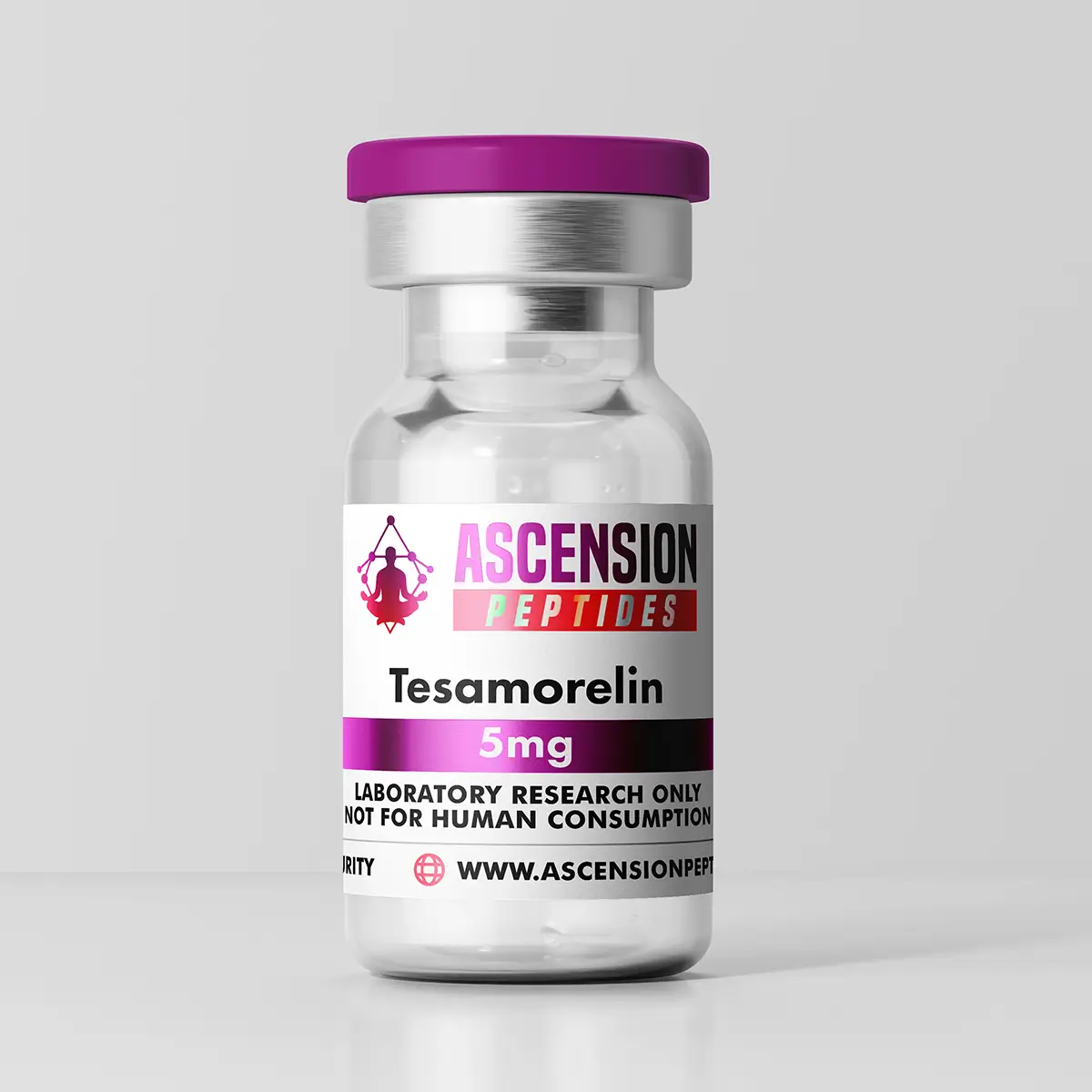
Tesamorelin is a synthetic analog of growth hormone-releasing hormone (GHRH), consisting of the full 44 amino acid sequence of native GHRH with a trans-3-hexenoic acid modification at the N-terminus that improves stability. It is FDA-approved under the brand name Egrifta for the reduction of excess abdominal fat in HIV-infected patients with lipodystrophy — making it the most clinically validated component of this stack by a wide margin.
In randomized controlled trials, Tesamorelin reduced trunk fat by approximately 15% and visceral adipose tissue (VAT) by approximately 18% over 26 weeks compared to placebo. A 52-week extension confirmed that these effects were maintained during continued treatment but reversed upon discontinuation — suggesting ongoing use is required to sustain results.
Tesamorelin works by stimulating the pituitary to release endogenous growth hormone in a pulsatile, physiological pattern — meaningfully different from exogenous GH administration. This results in increased IGF-1 levels, which mediates many of its downstream metabolic effects. The visceral fat-specific reduction is particularly notable for researchers studying abdominal adiposity, as visceral fat is strongly associated with insulin resistance and cardiometabolic risk.
• ~15–18% reduction in visceral adipose tissue (26-week RCTs)
• FDA-approved (Egrifta) for HIV-associated lipodystrophy
• Stimulates pulsatile GH release — more physiological than exogenous GH
• Typical research dose: 1–2 mg subcutaneous daily
• Effects reverse upon discontinuation
2. AOD-9604 — The Lipolysis Fragment
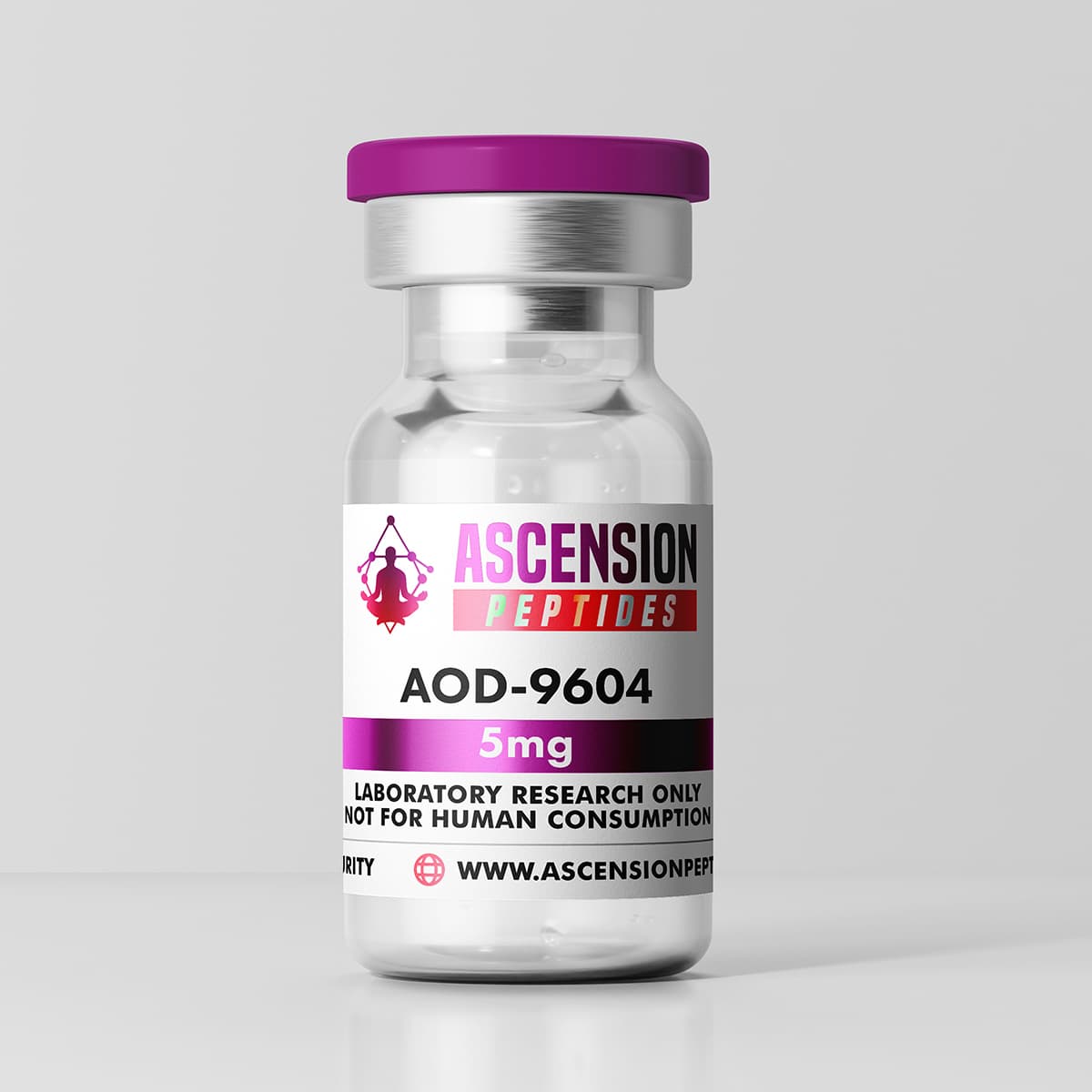
AOD-9604 (Advanced Obesity Drug 9604) is a peptide fragment derived from the C-terminus of human growth hormone — specifically amino acids 176–191 of the HGH sequence. It was originally developed by Monash University with the goal of isolating HGH's fat-burning properties without its growth-promoting or insulin-sensitizing effects.
In preclinical studies, AOD-9604 demonstrated meaningful lipolytic activity and was shown to stimulate fat breakdown and inhibit lipogenesis without significantly impacting IGF-1 levels or blood glucose — a theoretically attractive profile. However, the human clinical trial results were disappointing. Phase 2 trials did not demonstrate statistically significant weight loss compared to placebo, which led to discontinuation of the program as an obesity pharmaceutical.
Despite its failed pharmaceutical development, AOD-9604 remains one of the most widely researched peptides in the fitness and biohacking communities. Researchers continue to study it at doses of 300–500 mcg/day, often combined with other peptides. The compound holds Generally Recognized as Safe (GRAS) status in the US for food use, which is sometimes cited in its favor — though GRAS status does not imply efficacy as a therapeutic agent.
3. MOTS-C — The Mitochondrial Optimizer
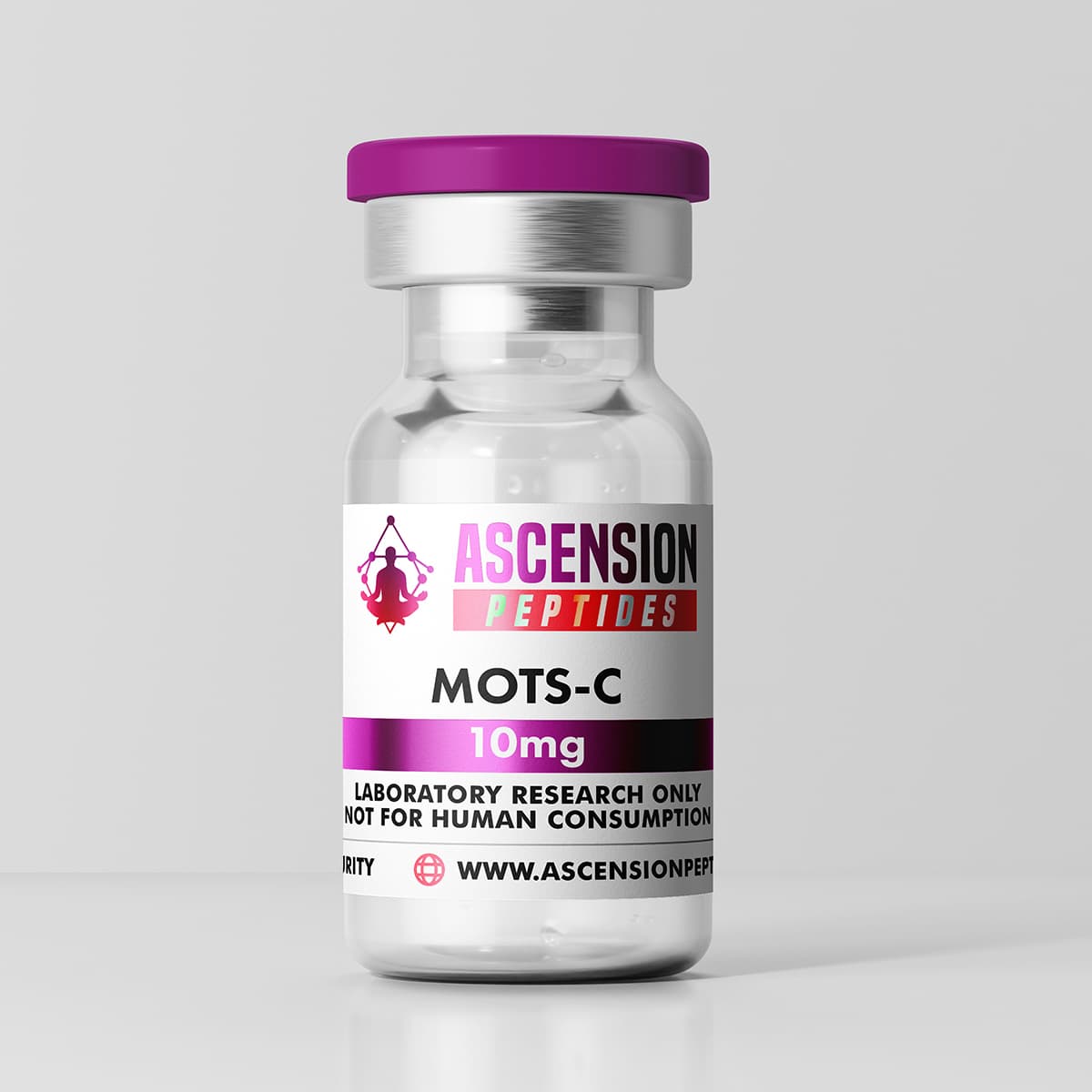
MOTS-C is arguably the most scientifically novel of the three compounds. Unlike most peptides that are synthesized from known protein sequences, MOTS-C is a mitochondria-derived peptide — meaning it is encoded by mitochondrial DNA rather than nuclear DNA. It was discovered in 2015 and has since attracted significant interest for its role in metabolic regulation.
MOTS-C appears to function as a mitochondrial signal peptide that regulates cellular energy metabolism, improves insulin sensitivity, and supports glucose uptake in skeletal muscle. In animal models, exogenous MOTS-C administration has been shown to prevent diet-induced obesity, improve exercise capacity, and extend healthy lifespan markers. Its mechanism involves activation of the AMPK pathway — the same energy-sensing pathway activated by exercise and caloric restriction.
The major caveat: there are no completed human randomized controlled trials on exogenous MOTS-C as of early 2026. All human data is observational (circulating MOTS-C levels correlate with metabolic health in aging populations). Researchers working with MOTS-C are operating on preclinical and mechanistic data alone, which makes dosing and efficacy genuinely speculative.
• Mitochondria-derived peptide encoded by mitochondrial DNA
• Activates AMPK pathway — mimics exercise/caloric restriction signaling
• Improves insulin sensitivity and glucose metabolism in animal models
• No completed human RCTs as of 2026
• Common research dose: 5–10 mg, 2–3x per week subcutaneous
Why Stack These Three? The Multi-Pathway Logic
The theoretical appeal of the AOD + Tesamorelin + MOTS-C stack lies in the non-overlapping nature of each mechanism. Rather than hitting the same target three times, researchers are exploring whether three distinct nodes of metabolic regulation can be simultaneously optimized.
Here is the mechanistic framework as researchers currently understand it:
- Tesamorelin addresses visceral adipose tissue specifically by stimulating physiological GH release. It works top-down — through the hypothalamic-pituitary axis — producing sustained IGF-1 elevation and VAT reduction.
- AOD-9604 theoretically acts more locally and directly on fat cells, stimulating lipolysis through beta-3 adrenergic receptor mechanisms without raising IGF-1. This means it may complement Tesamorelin without compounding its hormonal effects.
- MOTS-C operates at the mitochondrial and cellular level, improving the efficiency with which liberated fatty acids are actually oxidized for energy — and enhancing insulin sensitivity, which may amplify the metabolic benefits of reduced visceral fat.
In theory, Tesamorelin mobilizes visceral fat, AOD-9604 promotes local lipolysis, and MOTS-C ensures the metabolic machinery is primed to burn that liberated fat efficiently. Whether this theoretical synergy translates to meaningful additive benefit in humans remains an open research question.
Research Dosing Protocols: What Is Being Studied
The following represents dosing ranges reported in research and clinical contexts. These are not personal recommendations and are provided strictly for research reference purposes.
• Tesamorelin: 1–2 mg subcutaneous injection, once daily (typically evening)
• AOD-9604: 300–500 mcg subcutaneous injection, once daily (morning, fasted)
• MOTS-C: 5–10 mg subcutaneous injection, 2–3x per week
• Cycle length: 8–12 weeks, followed by assessment period
• All compounds administered subcutaneously, typically in the abdominal region
• Note: These ranges are derived from research literature and community reports. No clinical trial has validated this specific combination.
Researchers commonly note that Tesamorelin is best administered in the evening to align with natural nocturnal GH release patterns. AOD-9604 is frequently studied in a fasted state to maximize lipolytic conditions. MOTS-C is less time-sensitive given its mitochondrial mechanism, with frequency of administration still being explored in the research community.
A practical consideration: because Tesamorelin is the only FDA-approved compound in this stack (for a specific indication), access through licensed medical providers is possible for appropriate patients. AOD-9604 and MOTS-C are available only through research peptide suppliers, and their quality and purity vary significantly by source — making third-party Certificate of Analysis (COA) verification essential for any research application.
What to Look for When Sourcing This Stack
For researchers sourcing these compounds, purity and verification are non-negotiable. The peptide supply market includes vendors who provide rigorously tested compounds alongside those whose products are under-dosed, contaminated, or mislabeled. When evaluating any supplier for this stack, the following criteria apply:
- Third-party COA: Every batch should have a Certificate of Analysis from an independent lab (HPLC and mass spectrometry verification). Vendors who don't publish or provide these on request should be avoided.
- Purity threshold: Look for ≥98% purity on HPLC for all three compounds. MOTS-C in particular is a larger and more complex peptide to synthesize, so purity verification is especially critical.
- US-based manufacturing: US-based or domestically manufactured compounds with documented GMP practices offer more accountability than offshore grey-market sources.
- Transparent labeling: Compounds should be clearly labeled with peptide name, batch number, quantity (mg), and storage instructions.
Ascension Peptides is one vendor researchers mention for stocking all three compounds in this stack with accessible third-party testing documentation — worth evaluating against the above criteria when sourcing for research use.
An Honest Evidence Assessment: What This Stack Can and Cannot Promise
Intellectual honesty is essential when evaluating multi-peptide stacks. Here is a frank summary of where the evidence stands:
What is well-supported: Tesamorelin's visceral fat reduction effects in specific populations are backed by multiple RCTs and FDA approval. This is real, clinical-grade evidence.
What is plausible but unproven: AOD-9604's lipolytic mechanism is biologically sound, but human trials failed to confirm weight loss efficacy at studied doses. It may have activity at higher doses or in combination — but this is speculative. MOTS-C's AMPK-activating mechanism is well-characterized in animal models and aligns with known metabolic science, but human efficacy data is absent.
What is unknown: Whether combining all three produces meaningful synergy, whether the compounds interact pharmacokinetically, and what the long-term safety profile of this combination looks like are all genuinely open questions.
Researchers and clinicians approaching this stack should frame it as an exploration of multi-pathway metabolic support rather than a proven fat loss protocol — particularly given the regulatory and evidentiary status of two of the three components.