Metabolic Research Peptides
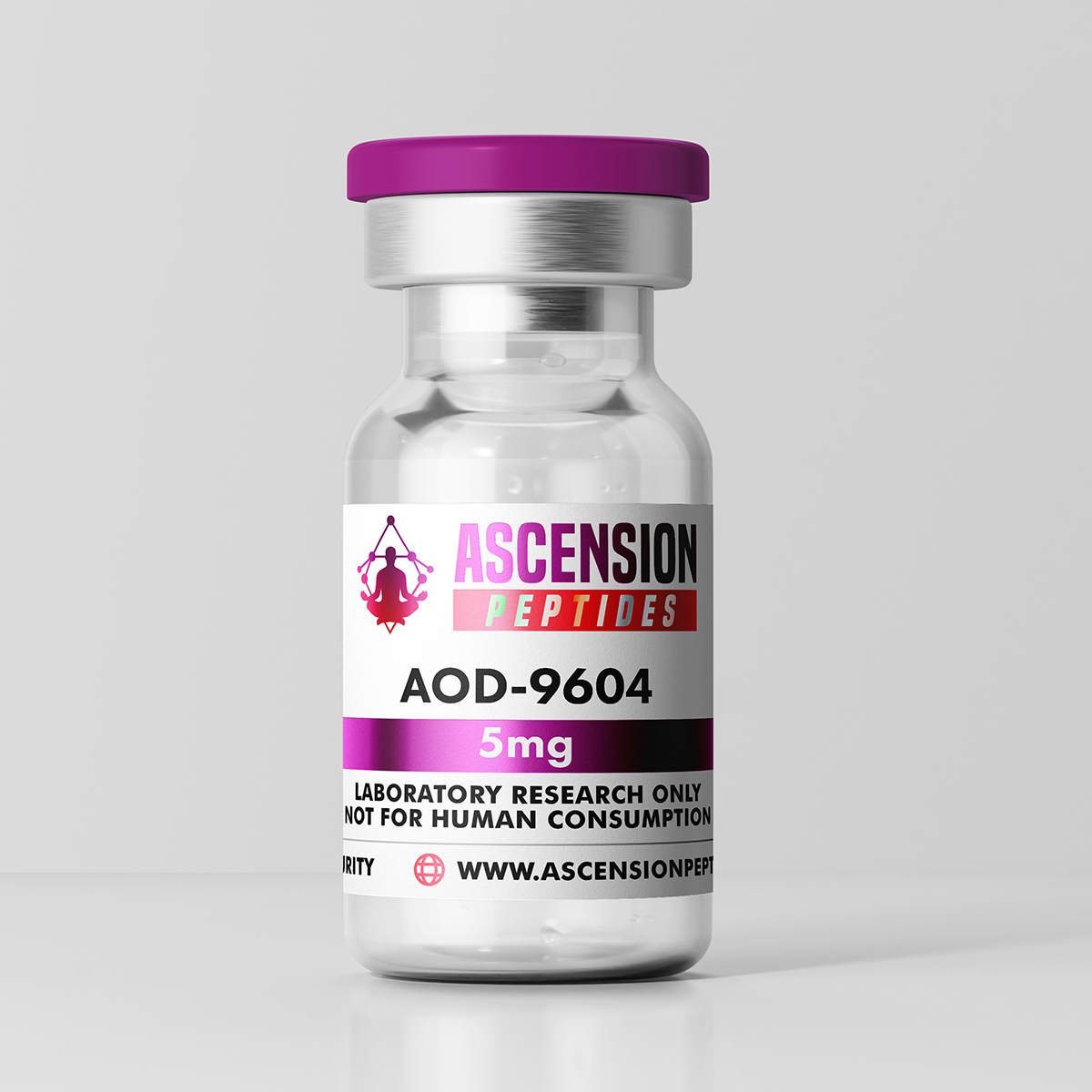
AOD-9604
with codePEPTIDEDECKat checkout· list $74.99
- Purity
- 99%+
- Vial
- 5mg
- Form
- Lyophilized powder in sealed glass vial
- Half-life
- Short; rapid metabolic clearance (documented in More 2014)
Buy AOD-9604 5mg online at PeptideDeck. Modified C-terminal fragment of human growth hormone (residues 177-191) supplied as 99%+ HPLC-verified lyophilized powder, shipped same-day from a US warehouse with Certificate of Analysis on request.
About AOD-9604
Looking to buy AOD-9604 for preclinical lipolysis or adipocyte metabolism research? PeptideDeck lists AOD-9604 5mg vials for sale from a vetted US research supplier at 99%+ HPLC-verified purity, with same-day shipping from a US warehouse and a Certificate of Analysis available on request. The current AOD-9604 price of $64.99 per 5mg vial sits below the $74.99 MSRP compare-at price, reflecting an active promotional rate through our partner vendor. AOD-9604 for sale in 5mg lyophilized format is the standard working configuration for multi-assay lipid metabolism research programs.
AOD-9604 is a synthetic modified peptide corresponding to the C-terminal fragment of human growth hormone (hGH) residues 177-191, with an added N-terminal tyrosine that stabilizes the fragment for research handling. The molecule was originally developed at Monash University and later advanced through Phase IIb clinical trials by Metabolic Pharmaceuticals as an oral and injectable anti-obesity research candidate. What makes AOD-9604 distinctive pharmacologically is that it retains the lipolytic (fat-mobilizing) and lipogenesis-inhibiting activity of the parent full-length hGH molecule without engaging the hGH receptor and without producing the growth-promoting, insulin-antagonizing, or cell-proliferative signaling of intact hGH. This uncoupled "lipolysis without growth" profile is why AOD-9604 occupies a unique niche in preclinical metabolic research.
Where to Buy AOD-9604
Where to buy AOD-9604 with verified identity, documented purity, and dependable US fulfillment is a recurring procurement question for labs running adipocyte metabolism or lipolysis research programs. PeptideDeck lists AOD-9604 5mg for sale from a vetted US research supplier that manufactures in a cGMP-compliant facility, validates each batch with independent HPLC and mass-spec analysis, and ships from a US warehouse with tracked domestic delivery. The current AOD-9604 price of $64.99 per 5mg vial is below the $74.99 MSRP compare-at price, an active promotional rate through our partner vendor.
Orders placed before 2 PM Eastern ship same-day. Standard domestic delivery is 2 to 4 business days with full tracking. Discreet unmarked outer packaging, secure Stripe checkout, cryptocurrency payment options including Bitcoin and USDC, and a responsive partner-vendor support channel complete the commercial offer. For laboratories running multi-month AOD-9604 research programs, bulk research kits at per-vial discount pricing are available by contacting the partner vendor directly with institutional references at checkout.
Use the buy button to purchase AOD-9604 5mg at current promotional pricing. If you are comparing AOD-9604 for sale across vendors, the trust signals worth prioritizing over raw price are published batch COA, US cGMP-manufactured origin, and disulfide-bridge integrity documentation given the structural sensitivity of this particular peptide.
Quality Assurance and COA
Every batch of AOD-9604 listed on PeptideDeck is manufactured in a US cGMP-compliant facility and verified independently by reverse-phase HPLC and ESI mass spectrometry. HPLC chromatograms confirm 99%+ main-peak purity with clean resolution against reduced (open-disulfide) isoforms. Mass spectrometry confirms molecular weight consistent with the theoretical 1815.1 g/mol for the disulfide-bridged 16-residue sequence, establishing both purity and molecular identity including confirmation of the intact Cys-7 to Cys-14 disulfide bridge. Additional QC steps include visual inspection, residual solvent testing, and endotoxin screening.
A batch-specific Certificate of Analysis documenting HPLC purity, mass-spec identity confirmation, appearance, and lot number is available on request for every AOD-9604 5mg vial sold. Email the partner vendor with your order number after purchase to receive the COA PDF matched to the specific lot delivered. PeptideDeck requires independent third-party verification on top of in-house manufacturer QC for every AOD-9604 batch we list, given the molecule's disulfide-dependent structural integrity and the specificity of its research application niche in modified hGH fragment lipolysis studies.
Mechanism of Action
AOD-9604 is a 16-amino-acid synthetic peptide corresponding to human growth hormone residues 177 to 191, with an additional N-terminal tyrosine added to stabilize the fragment. The sequence maps to the C-terminal loop of hGH that molecular dissection studies have identified as the primary lipolytic domain of the parent molecule. Critically, and unlike intact hGH, AOD-9604 does not bind the growth hormone receptor and does not compete for hGH receptor occupancy. The Heffernan et al. 2001 Endocrinology publication established this receptor-independence experimentally by showing that AOD-9604 reduces body weight gain, increases fat oxidation, and stimulates lipolysis in obese ob/ob mice while failing to induce the cell proliferation or IGF-1 elevation characteristic of hGH receptor engagement.
The mechanistic model emerging from two decades of preclinical research is that AOD-9604 acts on adipose tissue through a distinct, receptor-independent pathway that engages hormone-sensitive lipase activation, stimulates beta-adrenergic-like lipolytic signaling, and inhibits lipogenesis without cross-activating the growth, IGF-1, or insulin-antagonism axes of the parent hGH hormone. Heffernan and colleagues further demonstrated in beta-3 adrenergic receptor knockout mice that AOD-9604's lipolytic activity is not fully dependent on the beta-3 adrenergic pathway, suggesting at least partial independence from the canonical catecholamine-driven lipolysis route. This makes AOD-9604 a useful research tool for isolating lipolytic signaling from growth-axis signaling in adipocyte biology.
Subsequent research by Ng, Heffernan, Thorburn, Waters, and Ho in the Journal of Endocrinology extended the mechanistic characterization to in-vitro isolated rat adipocyte systems, where AOD-9604 reportedly stimulated lipolysis up to 300% over control while producing no measurable effect on insulin sensitivity or glucose homeostasis. More and Kenley 2014 in the Journal of Endocrinology and Metabolism subsequently documented safety and metabolism data from six human clinical trials, reporting rapid pharmacokinetic degradation and a consistent safety profile across oral and intravenous dosing. Together, these publications define AOD-9604 as a preclinical lipolysis probe that retains the fat-mobilizing activity of hGH while dissociating that activity from the broader GH signaling cascade.
Chemical Profile
AOD-9604 (CAS 221231-10-3) is a 16-amino-acid synthetic peptide with molecular formula C78H123N23O23S2 and a molecular weight of approximately 1815.1 g/mol. The primary sequence is Tyr-Leu-Arg-Ile-Val-Gln-Cys-Arg-Ser-Val-Glu-Gly-Ser-Cys-Gly-Phe, corresponding to the added N-terminal tyrosine followed by hGH residues 177 to 191. The two cysteine residues at positions 7 and 14 (corresponding to hGH Cys182 and Cys189) form an intramolecular disulfide bridge that stabilizes the C-terminal loop conformation of the parent hGH molecule. This disulfide-locked loop geometry is essential for the lipolytic activity of the fragment.
AOD-9604 is supplied as a lyophilized white sterile powder in a sealed glass vial. The 5mg vial corresponds to approximately 2.76 micromoles of peptide. Appearance is a uniform amorphous cake or fine powder with no yellow tint. The disulfide-bond architecture makes AOD-9604 moderately sensitive to reducing agents and to prolonged air exposure in reconstituted form, which has implications for storage handling. Do not open the sealed vial until ready to reconstitute with bacteriostatic water.
Research Applications
AOD-9604 has a focused but substantive preclinical research footprint centered on adipocyte biology, lipid metabolism, and the dissociation of hGH lipolytic activity from hGH growth-promoting activity. Documented applications include in-vitro isolated adipocyte lipolysis assays (Ng et al. 2000), chronic obese-mouse lipid metabolism studies (Heffernan 2001), beta-3 adrenergic receptor knockout mechanistic studies, hormone-sensitive lipase activation research, and clinical pharmacokinetic and safety characterization (More 2014). AOD-9604 has also appeared in regenerative-research contexts including cartilage and bone-tissue research, though the metabolic literature remains the dominant application area.
In cell culture, AOD-9604 is applied in primary rat and mouse adipocyte systems, in 3T3-L1 differentiated adipocytes, and in hepatocyte lipid-accumulation models to probe lipolytic and lipogenic signaling independent of GH receptor engagement. In rodent models, the compound has been characterized for chronic body-weight effects in genetically obese (ob/ob) and diet-induced obese mouse lines, for fat-oxidation kinetics via indirect calorimetry, and for comparative pharmacology against full-length hGH. The Heffernan beta-3 AR knockout work represents one of the cleaner mechanistic dissections of lipolytic signaling available in the modified-GH-fragment literature.
In metabolic research more broadly, AOD-9604 is used as a tool to answer the question: can hGH's lipolytic activity be separated from its growth-axis activity? The accumulated literature suggests yes, with AOD-9604 as the structural rationale. This makes the compound useful in research programs investigating targeted lipolytic pharmacology, hormone-sensitive lipase modulation, and the structural biology of hGH's C-terminal functional domain. All research applications described here are documented in preclinical literature or published clinical studies. PeptideDeck supplies AOD-9604 strictly for in-vitro laboratory research and the product is not intended for human or veterinary use, diagnosis, or treatment.
Reconstitution and Dosing Reference
For a 5mg AOD-9604 vial, typical reconstitution is 2mL of bacteriostatic water (0.9% benzyl alcohol preserved), yielding a final concentration of 2500 mcg/mL. Alternate dilutions: 1mL yields 5000 mcg/mL, 2.5mL yields 2000 mcg/mL, and 5mL yields 1000 mcg/mL. Introduce the diluent slowly down the inside wall of the sealed vial, avoid direct impact on the lyophilized cake, and allow passive dissolution. Gentle swirling is acceptable; avoid shaking, which can shear the disulfide bridge and introduce foam.
For research dosing math at 2.5 mg/mL, a 100-unit U100 insulin syringe drawn to the 4-unit mark (0.04 mL) delivers 100 mcg of AOD-9604, to the 12-unit mark delivers 300 mcg, to the 20-unit mark delivers 500 mcg, and to the 40-unit mark delivers 1mg. These figures are provided strictly as in-vitro and animal-model dilution reference, not as human dosing guidance. Researchers should consult Heffernan 2001, Ng 2000, and More 2014 for published protocol parameters relevant to their experimental species, and should validate all dosing under institutional review.
Reconstituted AOD-9604 should be refrigerated at 2 to 8 degrees Celsius, protected from light, and used within 30 days of reconstitution. The 5mg vial typically supports between 5 and 50 research doses depending on target concentration and study design.
Storage and Handling
Lyophilized AOD-9604 vials are shelf-stable at ambient temperature during the 2 to 4 business day transit window and should be moved to minus 20 degrees Celsius promptly on arrival for long-term storage. Minus 80 degrees Celsius is acceptable for multi-year preservation. Use an auto-defrost-free freezer to minimize humidity cycling that can compromise the lyophilized cake. Keep the sealed vial unopened until ready to reconstitute. Given the intramolecular disulfide bridge between Cys-7 and Cys-14, avoid exposure to reducing agents such as dithiothreitol or beta-mercaptoethanol in the storage environment.
Reconstituted AOD-9604 stored at 2 to 8 degrees Celsius retains activity for approximately 30 days. Do not freeze reconstituted solution. Protect from direct light, keep the vial upright, sanitize the rubber stopper with isopropanol before each aliquot draw, and document the reconstitution date on the vial with a cryo-compatible marker. Minimize air exposure during aliquot draws to preserve the disulfide-dependent secondary structure over extended storage.
Research Benefits
Modified hGH C-terminal fragment (residues 177-191, Tyr-stabilized)
16-residue synthetic peptide with intramolecular disulfide bridge
Retains lipolytic activity without engaging the hGH receptor
99%+ HPLC purity with ESI mass-spec identity confirmation
Well-characterized in preclinical lipid metabolism literature
Lyophilized sterile powder, US cGMP manufactured
Ships same-day from US warehouse with tracked delivery
Certificate of Analysis available on request for every lot
Product Specifications
| Molecular Weight | 1815.1 g/mol (C78H123N23O23S2) |
| CAS Number | 221231-10-3 |
| Sequence | Tyr-Leu-Arg-Ile-Val-Gln-Cys-Arg-Ser-Val-Glu-Gly-Ser-Cys-Gly-Phe (16 aa, Cys7-Cys14 disulfide) |
| Half-Life | Short; rapid metabolic clearance (documented in More 2014) |
| Purity | 99%+ |
| Form | Lyophilized powder in sealed glass vial |
| Storage | Store lyophilized at -20°C. Reconstituted: refrigerate at 2-8°C and use within 30 days. Avoid reducing agents. |
Frequently Asked Questions
Scientific References
Heffernan MA, Thorburn AW, Fam B, Summers R, Conway-Campbell B, Waters MJ, Ng FM · Endocrinology · 2001
Heffernan M, Summers RJ, Thorburn A, et al. · International Journal of Obesity and Related Metabolic Disorders · 2001
Ng FM, Heffernan MA, Thorburn AW, Waters MJ, Ho KKY · Journal of Endocrinology · 2000
More MI, Kenley DC · Journal of Endocrinology and Metabolism · 2014
Esposito S, Deventer K, Van Eenoo P · Drug Testing and Analysis · 2015
References provided for informational research context only. PeptideDeck does not imply clinical application or endorse any human use.
You May Also Like
View all →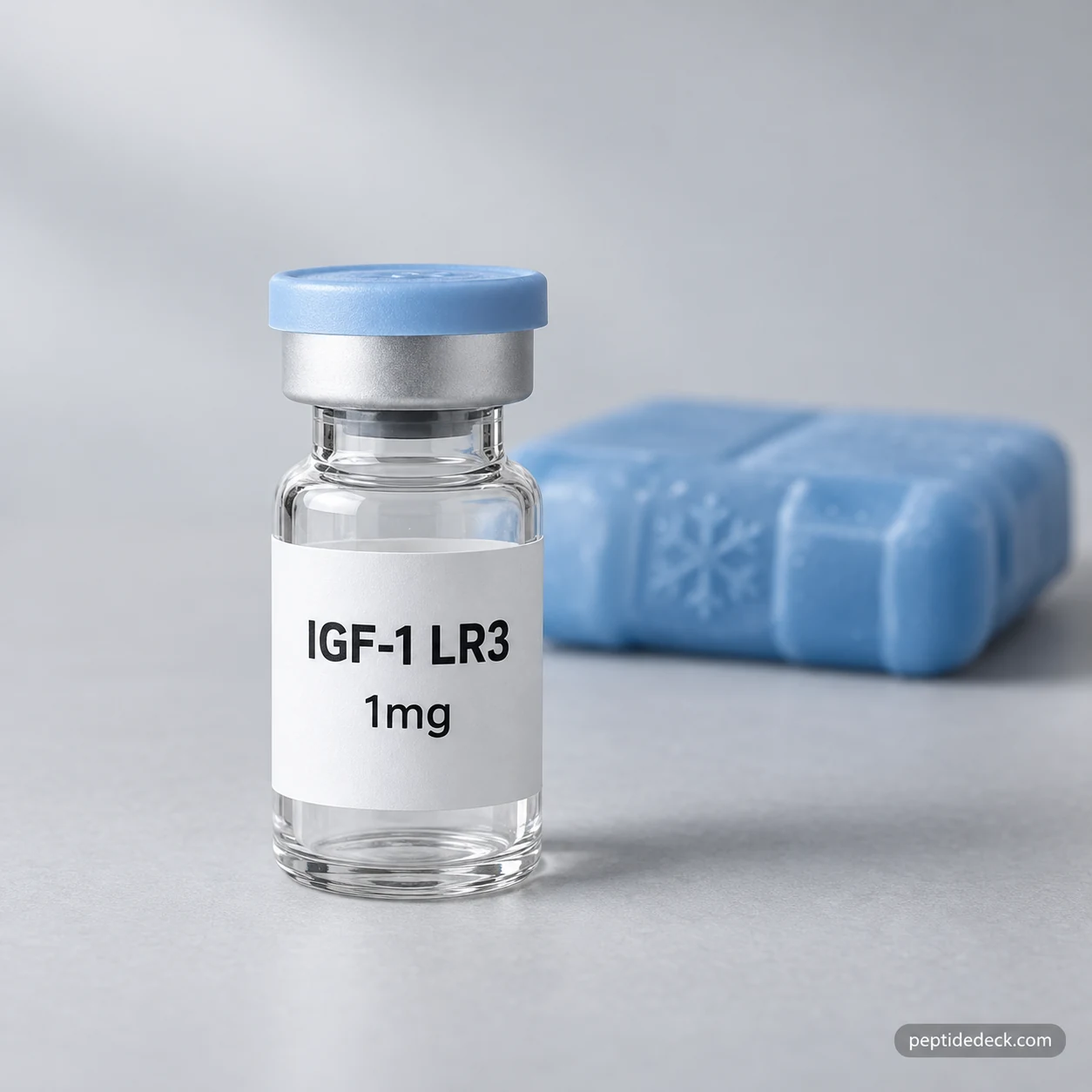
Growth Factor Peptides
IGF-1 LR3
Long R3 Insulin-like Growth Factor-1, 1mg vial
Growth Hormone Releasing Hormone (GHRH) Analogues
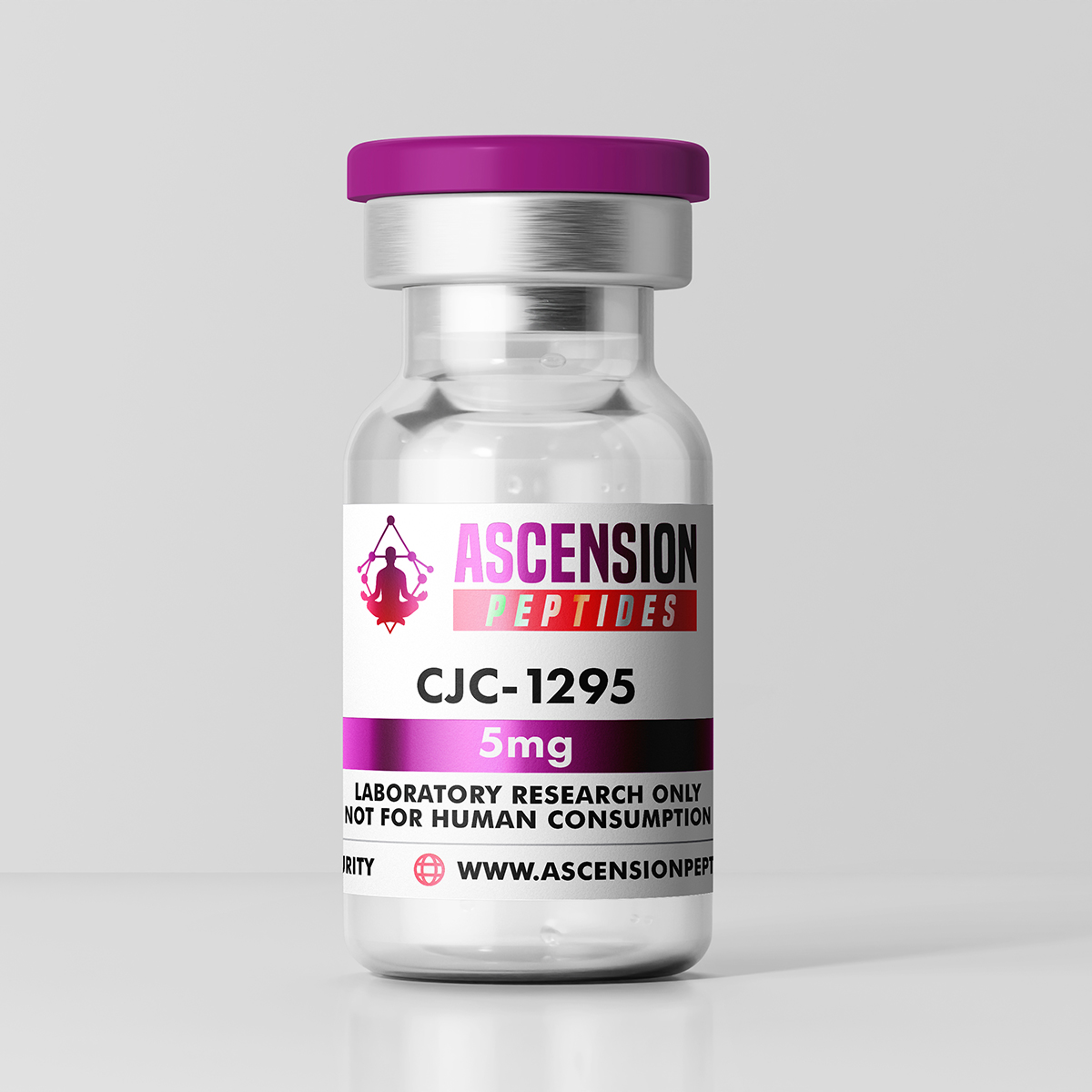
CJC-1295 (No DAC)
Modified GRF (1-29) GHRH Analogue, 5mg Lyophilized Vial
Copper Peptides
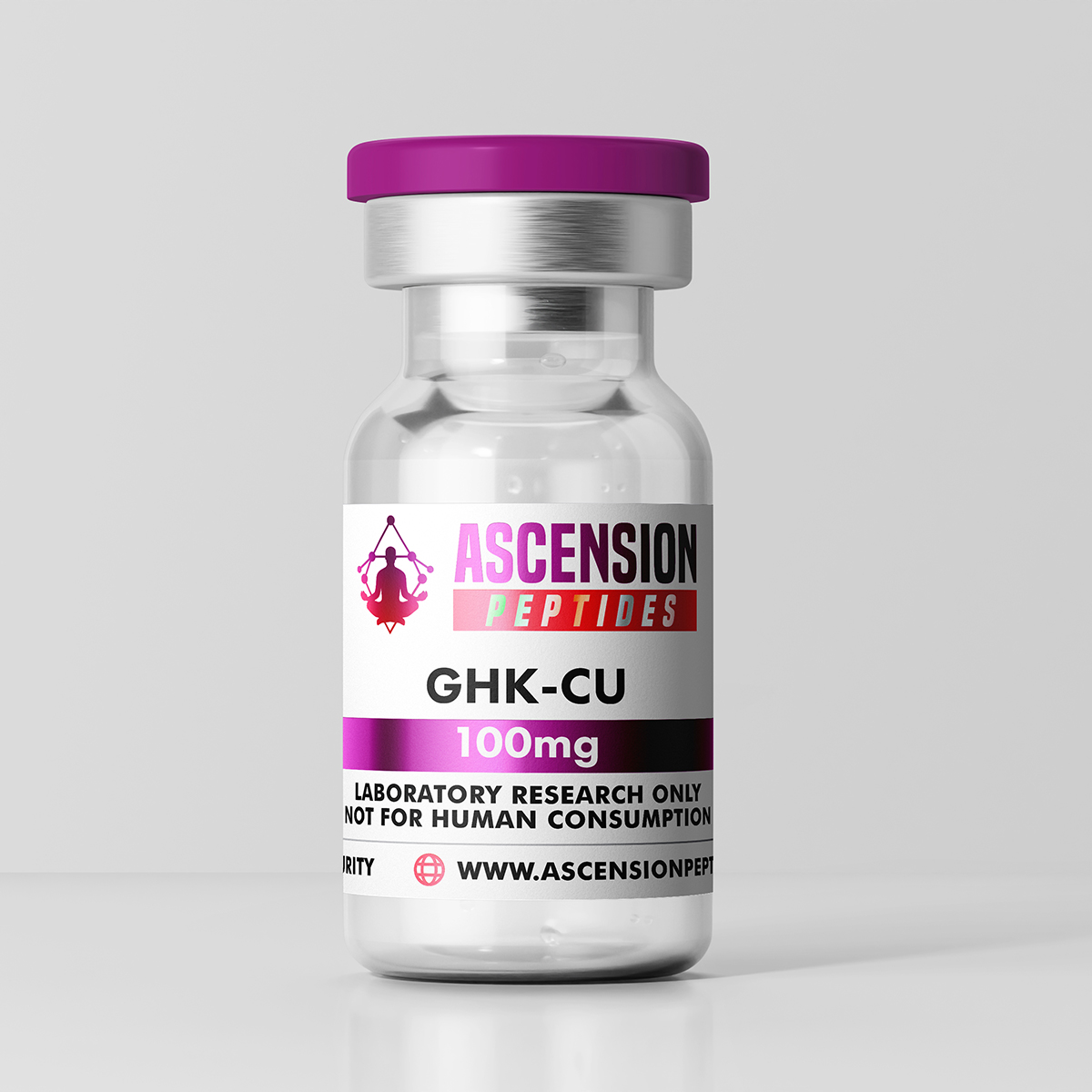
GHK-Cu
GHK-Cu For Sale: 50mg 99%+ Purity Copper Tripeptide

Healing & Recovery Peptides
BPC-157
Body Protection Compound 5mg: 99%+ Purity Research Vial
Research Use Only. All products sold by PeptideDeck are strictly for in-vitro laboratory research and are not intended for human or veterinary use, diagnosis, or treatment. Not for resale.