MOTS-c is one of the more interesting peptides in the whole longevity space because it is not just another generic fat-loss or growth-hormone play. It is a mitochondrial-derived peptide, which means the angle is cellular energy signaling, metabolic flexibility, and stress adaptation rather than brute-force stimulation.
That sounds abstract until you put it into real-world terms. People usually look at MOTS-c for better energy regulation, improved insulin sensitivity, easier body recomposition, or the feeling that workouts become a bit more productive. Not magical. But potentially useful.
The dosing part matters more than people think. With MOTS-c, the common mistake is treating it like more milligrams automatically means more benefit. I don't think that's how this peptide tends to behave in practice. Better protocol usually beats bigger dose.
🔑 Key Takeaways
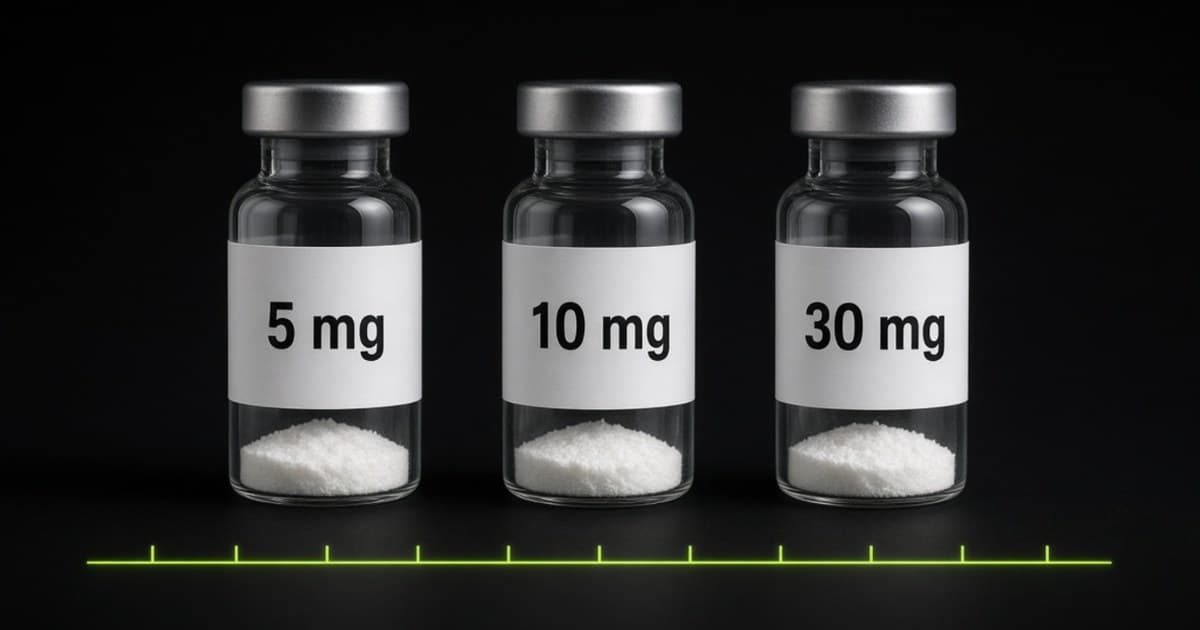
- The standard MOTS-c dosage range is 5-10mg per injection.
- Most protocols use it 2-3 times weekly for 4-8 weeks.
- Beginners should usually start at 5mg rather than jumping straight to 10mg.
- MOTS-c works best when the rest of the metabolic picture—sleep, food, training—is not a mess.
If you want the bigger picture, it helps to pair this with our MOTS-c side effects guide, our MOTS-c review, and related metabolism-focused reading like Tesamorelin review. They solve different problems, but the overlap is useful.
What Is MOTS-c? A Mitochondrial Signaling Peptide
MOTS-c is a mitochondria-derived peptide, which is the main reason it stands out. Most peptides people talk about are synthesized to mimic hormones or growth factors. MOTS-c is different—its biological story starts in the mitochondria, the part of the cell heavily involved in energy production and metabolic signaling.
Research suggests MOTS-c influences glucose handling, insulin sensitivity, and how cells respond to metabolic stress. It has also been studied in relation to exercise capacity and healthy aging. That's a broad list, yes, but the common thread is energy regulation rather than a single vanity outcome.
And that mitochondrial angle is not just marketing fluff. It's the reason MOTS-c often gets mentioned alongside compounds like SS-31 or Humanin in more serious longevity discussions. The data is still developing, but the mechanism at least makes conceptual sense.
Why Dosing Matters With MOTS-c
MOTS-c is not usually treated like a daily microdose peptide. The commonly discussed protocol is spaced out—2 or 3 injections per week—because the goal is more like signaling and adaptation than constant saturation.
That pacing matters. If you dose too aggressively, you may just create more side effects, more cost, and more confusion about what is actually working. On the other hand, if you go too low or too infrequently, some people conclude MOTS-c is useless when in reality they never ran a real protocol.
So the job is not to find the biggest number. It's to find the lowest dose that reliably produces the effect you're after. That sounds boring. It is also usually the right answer.
MOTS-c Dosage Protocol: 5mg to 10mg
The standard MOTS-c dosage range is 5-10mg subcutaneously, 2-3 times per week. That is the range most people mean when they talk about a practical MOTS-c cycle.
Most people do not need to rush to the advanced end. Honestly, 5mg done consistently is often more sensible than 10mg done sloppily with no plan, poor sleep, and random meal timing.
Phase Breakdown: Which Protocol Is Right?
If you are new to MOTS-c, a short ramp-up phase is smart. Not because it is known for harsh side effects—it usually is not—but because it helps you separate real benefits from wishful thinking.
Start at 5mg twice weekly
Run this for the first 2 weeks. Watch for changes in training output, appetite stability, recovery, and energy.
Decide whether you actually need more
If 5mg feels productive and side effects are minimal, stay there. There is no prize for escalating fast.
Increase to 7.5-10mg only if needed
This is where more experienced users tend to land if they want a stronger protocol during a focused fat-loss or training block.
Keep the cycle to 4-8 weeks
That is the usual range. After that, take a break and assess whether it actually moved anything meaningful.

What to Expect at Each Dose Level
At 5mg, people usually report the cleanest experience. Better training tolerance, steadier energy, and sometimes a subtle body-composition assist when diet is already on track.
At 7.5mg, the metabolic effect may feel a bit more noticeable. This is often the middle ground for people who respond well but want a little more push.
At 10mg, the protocol becomes more assertive. Some users like it during harder training phases or more aggressive fat-loss blocks. But this is also where dose-related fatigue or headaches are a little more likely to show up. Not guaranteed—just more plausible.
And as an aside, MOTS-c is one of those peptides where expectations can get weirdly inflated online. It is not supposed to feel like a stimulant. If you're waiting for a dramatic jolt, you'll probably miss the actual benefits.
How to Administer MOTS-c
MOTS-c is usually administered subcutaneously. The process is straightforward, but peptide handling errors are common, and most of them are avoidable.
Reconstitute carefully
Add bacteriostatic water slowly to the vial. Let it run down the glass wall rather than blasting the powder directly.
Calculate concentration before drawing
Know exactly how many mg per mL you created. Guesswork here ruins the whole protocol.
Choose a subcutaneous site
Abdomen, lower belly, or thigh are common options. Rotate sites so local irritation stays low.
Inject slowly and steadily
Small insulin syringes are usually used. Go into the pinched skin fold and inject with control, not speed.
Store properly
Refrigerate after reconstitution and keep handling clean. A good peptide can still become a bad protocol if storage is sloppy.
💡 Pro Tip
If you are also tracking weight, waist size, fasting glucose, or workout performance, log them before the cycle starts. MOTS-c can feel subtle, so objective markers matter more than vibes.
Managing Side Effects
MOTS-c is generally described as very well tolerated. The usual complaints are mild injection-site irritation and, less commonly, fatigue or headache when the dose is pushed higher than necessary.
- Lower the dose if fatigue shows up after injection days.
- Reduce frequency from 3x weekly to 2x weekly if the protocol feels too heavy.
- Rotate injection sites to limit redness or irritation.
- Keep hydration and food intake consistent—small variables can distort how the cycle feels.
For a fuller breakdown, read our MOTS-c side effects guide. It goes deeper on what is normal and what is not.
Where to Source MOTS-c for Research Use
Vendor quality matters a lot with MOTS-c because subtle peptides are the hardest to judge when purity is poor. If a compound is underdosed, mishandled, or unstable, people often blame the peptide instead of the source.
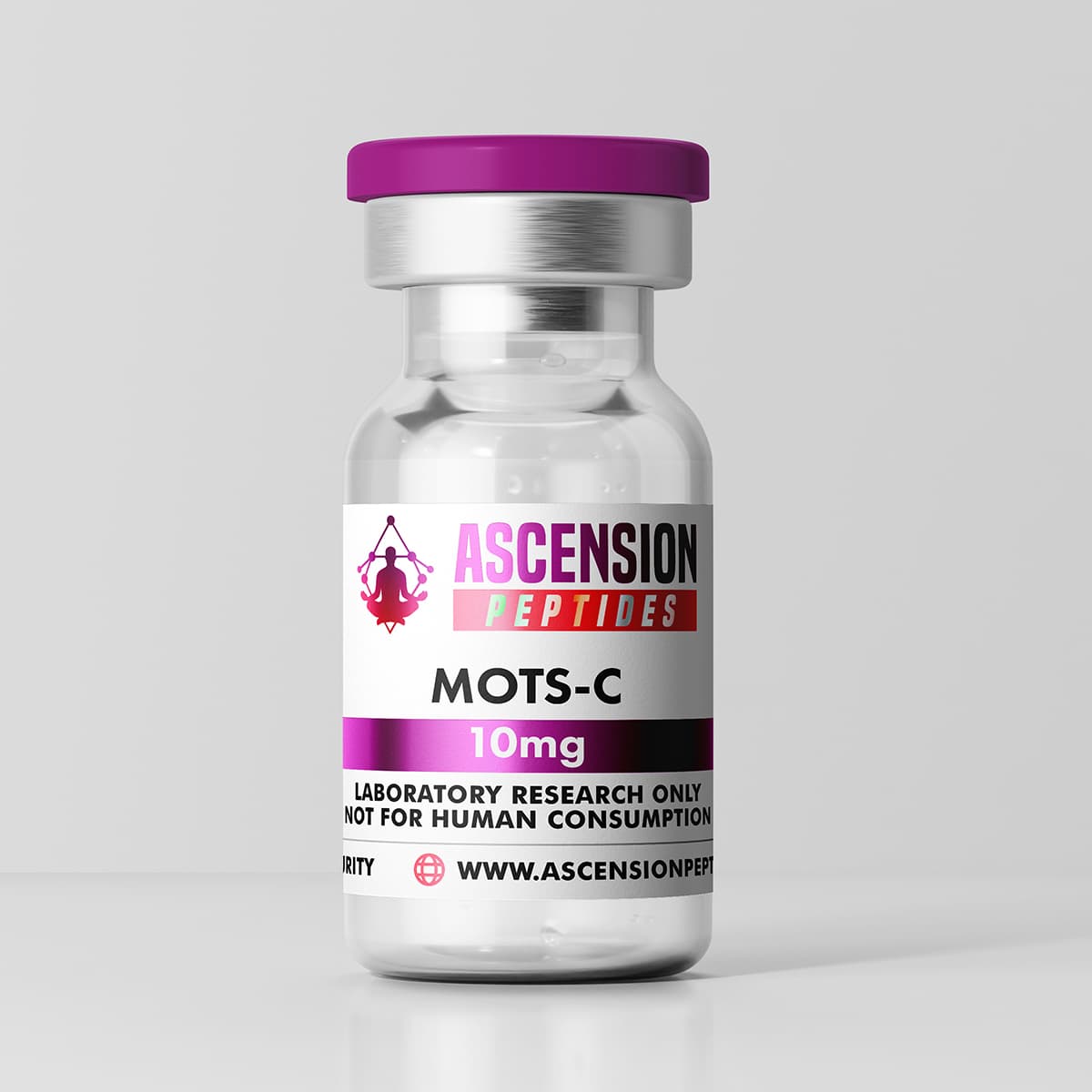
If you need a reference point, Ascension Peptides lists MOTS-c 10mg here. The affiliate campaign tag matches this article slug so the tracking stays article-specific.
It also makes sense to compare MOTS-c with other metabolic peptides like 5-Amino-1MQ or body-composition tools like Tesamorelin dosage guide. Different mechanisms, different use cases.
Before dosing comes sourcing. Where to buy MOTS-c peptide covers vial sizes, purity verification and what to check on arrival.
Once the protocol is set, MOTS-c before and after covers what to expect week by week and how to tell whether it is working.
Related comparison: MOTS-c vs metformin.