5-Amino-1MQ is interesting because it comes from a different angle than most fat-loss compounds. It is an NNMT inhibitor, which means the conversation is less about appetite suppression and more about cellular metabolism and energy handling.
That mechanism is also why the usual online takes can get sloppy. People either describe it like a miracle cutter or like an unknown science experiment. The truth is less dramatic. It appears fairly well tolerated in the short term, but it still sits in a limited-data zone.
🔑 Key Takeaways
- Mild GI discomfort is one of the most common 5-Amino-1MQ complaints.
- Transient headache can happen, especially early in a cycle.
- There is not strong evidence of a severe short-term side-effect pattern.
- The biggest limitation is the lack of deep long-term human safety data.
If you are comparing metabolic compounds, it is also worth reading our MOTS-c review and Tesamorelin review. Different tools, different evidence quality.
Mild GI Discomfort: The Most Common Real-World Complaint
The side effect that comes up most often with 5-Amino-1MQ is mild gastrointestinal discomfort. Usually that means a slightly unsettled stomach, a little nausea, or a not-quite-right digestive feeling rather than anything dramatic.
For many users it is temporary. It may be more noticeable at the start of a cycle or when the dose is pushed too quickly. In other words: very normal supplement-style friction, not usually a full stop sign.
Headache: Usually Brief, Usually Dose-Related
Transient headache is another commonly mentioned effect. It tends to be mild and often fades as the protocol settles in.
Like a lot of side effects in this category, headache does not automatically mean the compound is a bad fit. It may just mean the starting dose was too ambitious, hydration is poor, or the user added too many variables at once. That last part is a recurring theme in peptide land, unfortunately.
Why the Limited Safety Data Matters More Than the Short-Term Side Effects
Here is the part that matters most: 5-Amino-1MQ simply does not have the depth of safety data that something FDA-approved would have. That does not make it reckless by default. But it does mean confidence should stay calibrated.
And honestly, this is where some reviews get dishonest. They say “no major side effects reported” as if that settles the issue. It doesn’t. Sometimes “no major side effects reported” really means “we do not have enough long-term human evidence to know much.” Those are not the same sentence.

Is 5-Amino-1MQ Harsh?
No, it is not usually described as harsh. Compared with compounds known for nausea, blood-pressure changes, or strong stimulant-like effects, 5-Amino-1MQ is generally considered fairly tame.
But tame is not the same as fully characterized. That is the distinction worth keeping in your head.
How to Reduce 5-Amino-1MQ Side Effects
- Start conservatively rather than chasing a rapid fat-loss effect.
- Keep diet, hydration, and timing consistent so you can identify the actual cause of symptoms.
- Avoid layering several new metabolic compounds at once.
- Stop pretending every mild symptom is either meaningless or catastrophic. Track it and adjust.
💡 Pro Tip
If you want a cleaner read on 5-Amino-1MQ, run it alone first. Stacking early makes side effects harder to interpret and benefits easier to exaggerate.
Where to Source 5-Amino-1MQ for Research Use
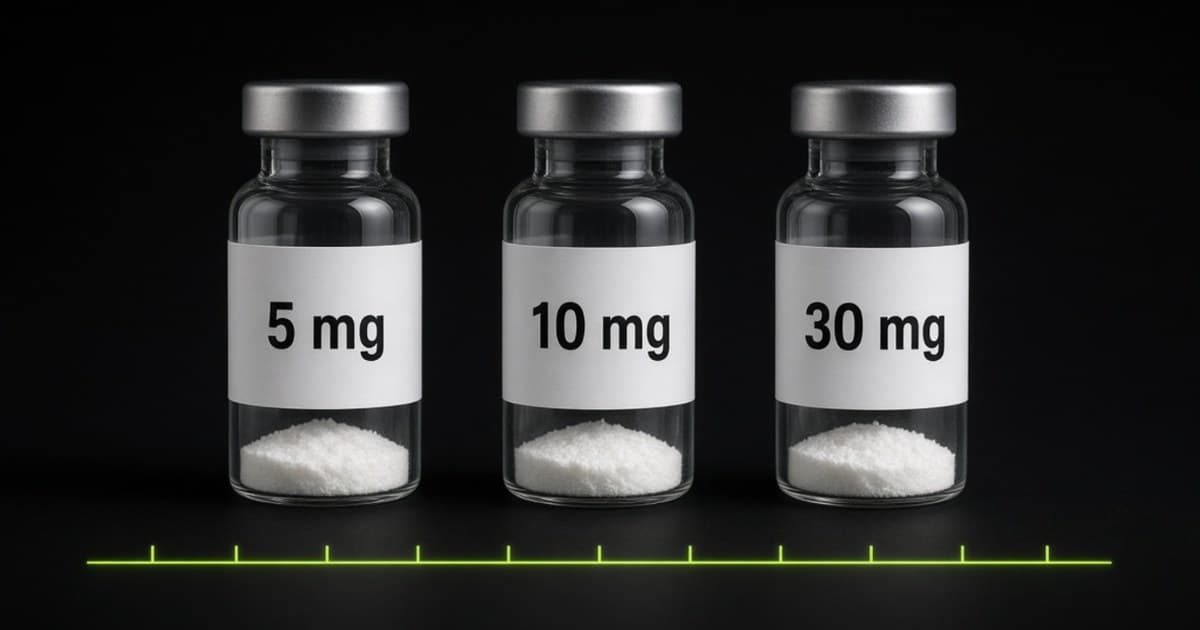
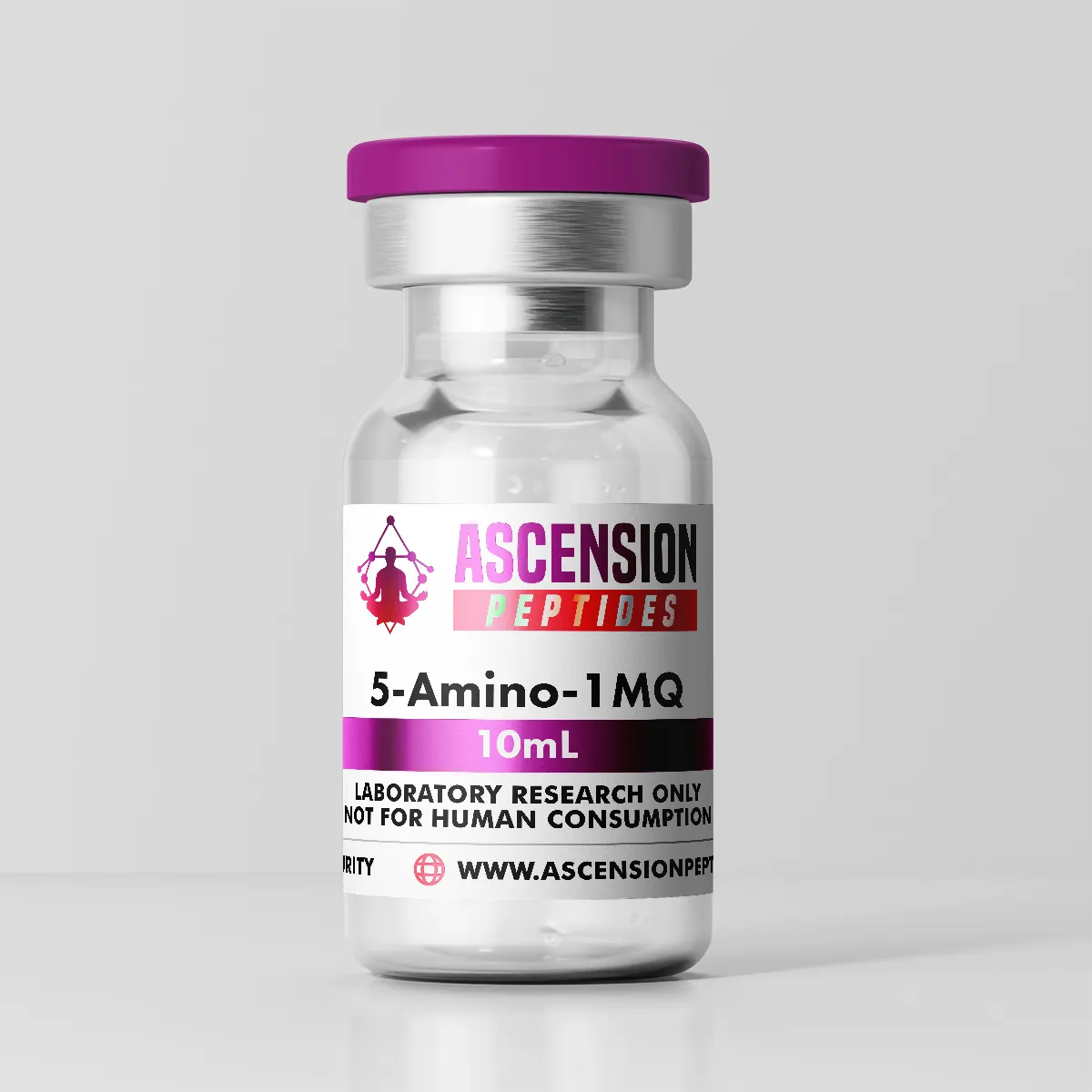
If you need a vendor reference, Ascension Peptides lists 5-Amino-1MQ 10mg here. With a limited-data compound, source quality matters even more than usual because you want fewer unknowns, not more.