Metabolic Research
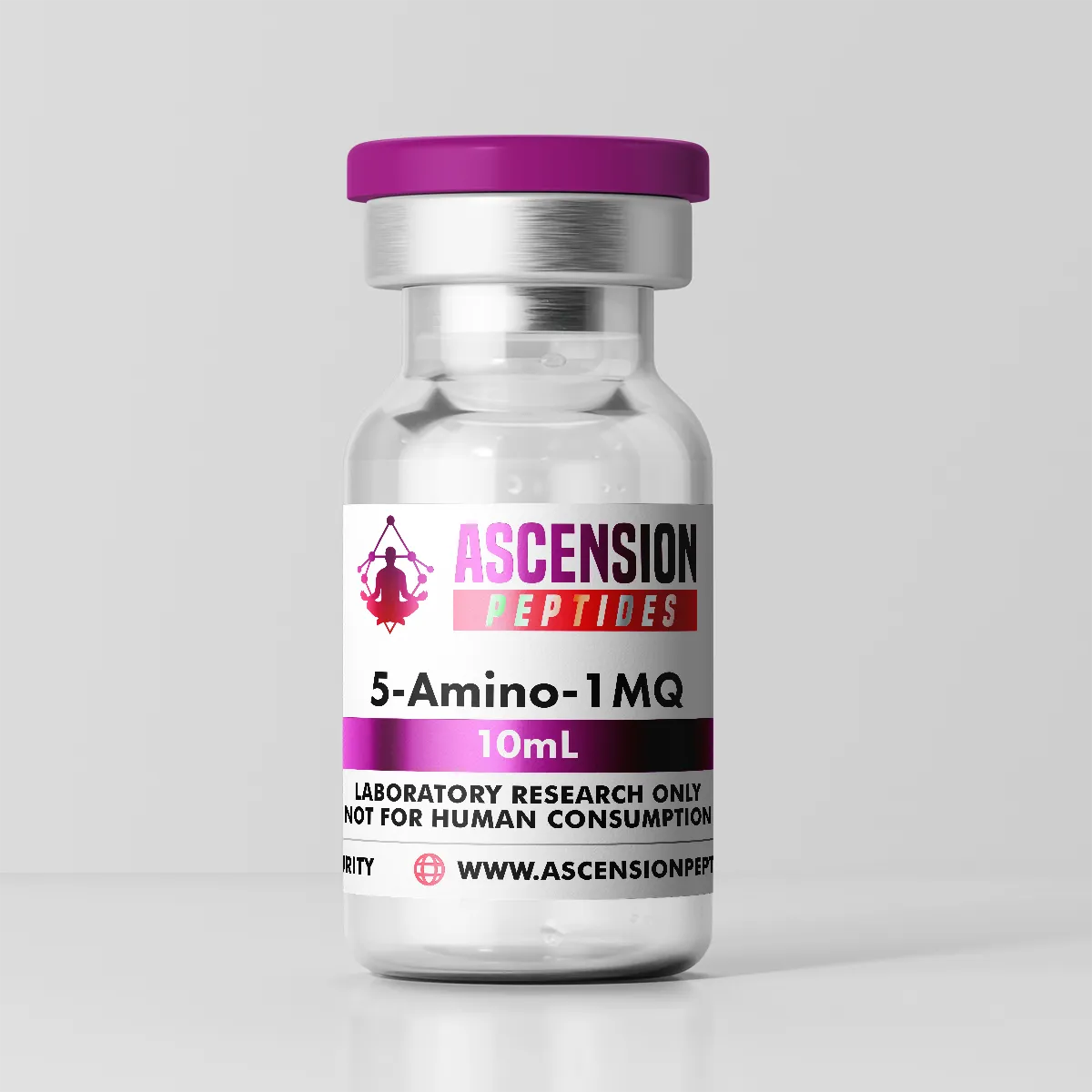
5-Amino-1MQ
with codePEPTIDEDECKat checkout· list $94.99
- Purity
- 99%+
- Vial
- 10mg
- Form
- Crystalline powder in vial
- Half-life
- Not published
Buy 5-Amino-1MQ 10mg at PeptideDeck -- 5-amino-1-methylquinolinium, a selective small-molecule inhibitor of nicotinamide N-methyltransferase (NNMT) studied for intracellular NAD+ elevation, SIRT1 activation, and adipose tissue metabolic reprogramming. Research-grade, 99%+ HPLC-verified. Ships same-day from the USA.
About 5-Amino-1MQ
Looking to buy 5-Amino-1MQ for a metabolic research or NNMT inhibition study? PeptideDeck lists 5-Amino-1MQ 10mg vials for sale from a vetted US research supplier at 99%+ HPLC-verified purity, with same-day US shipping and a Certificate of Analysis on request. The 5-Amino-1MQ price on this listing -- $52.00 per 10mg vial (MSRP $94.99) -- reflects an active promotional rate through our partner supplier. 5-Amino-1MQ for sale in 10mg format is the standard working quantity for in-vitro NNMT inhibition assays, adipocyte metabolic studies, and NAD+-sirtuin axis research where investigators need to purchase 5-Amino-1MQ in a quantity sufficient for multiple experimental conditions and controls without excessive cost per experiment.
5-Amino-1MQ (5-amino-1-methylquinolinium, also abbreviated 5-AM1Q or 5-A1MQ in some publications) is a membrane-permeable, selective competitive inhibitor of nicotinamide N-methyltransferase (NNMT), the enzyme that irreversibly methylates nicotinamide to form 1-methylnicotinamide (MNA) using S-adenosyl methionine (SAM) as the methyl donor. NNMT is highly expressed in white adipose tissue, where its activity consumes both NAD+ precursor (nicotinamide) and the universal methyl donor SAM, effectively reducing cellular NAD+ availability and depleting the SAM methyl pool. By competitively inhibiting NNMT, 5-Amino-1MQ increases intracellular nicotinamide bioavailability for the NAD+ salvage pathway, elevates cellular NAD+ levels, and restores the SAM methyl pool -- effects that have been shown in preclinical research to activate SIRT1, promote fat oxidation, reduce adipocyte lipid accumulation, and decrease adipogenesis markers in diet-induced obesity models. Although 5-Amino-1MQ is not a peptide, it is widely used alongside peptide research compounds in metabolic, obesity, and longevity studies, and is included in the PeptideDeck catalog as a validated small-molecule complement to peptide-based metabolic research protocols.
Where to Buy 5-Amino-1MQ
PeptideDeck lists 5-Amino-1MQ for sale from a vetted US research supplier that publishes batch-level HPLC quality data. When research teams ask us where to buy 5-Amino-1MQ or where to buy an NNMT inhibitor for in-vitro metabolic research, this is the listing we point them to. The 5-Amino-1MQ price at $52.00 per 10mg vial (MSRP $94.99) is competitive for HPLC-verified, mass-spec identified material from a US-based research supplier. Shipping is same-day from a US warehouse with tracked delivery and discreet packaging. Checkout resolves directly through the partner vendor's live inventory; stock status is confirmed at the time of purchase.
When evaluating 5-Amino-1MQ price and quality across vendors, verify that the COA specifies both HPLC purity and mass spectrometry identity confirmation, and confirm which salt form (iodide vs. chloride vs. other) is supplied, as this affects the molecular weight used for stock preparation calculations. The 99%+ purity at this listing is HPLC-determined and the salt form is documented on the lot-level COA. For multi-vial or bulk procurement orders, contact the supplier directly through the checkout portal for volume pricing. Buy 5-Amino-1MQ for research use only.
Quality Assurance and COA
Every 5-Amino-1MQ vial at this listing undergoes batch-level analytical testing before release. Identity is confirmed by ESI-MS against the expected molecular weight for the specific salt form. Purity is quantified by reverse-phase HPLC with UV detection. The Certificate of Analysis documents lot number, manufacturing date, analytical method, purity result, salt form specification, and MS identity data. COA documents are available on request -- contact the supplier with your order number after purchase. Vials are sealed under conditions appropriate for the crystalline small-molecule format. The combination of 99%+ HPLC purity, lot-level mass-spec verification, and salt form disclosure is the quality standard that distinguishes this 5-Amino-1MQ listing from uncharacterized commodity sources and ensures that research teams building NNMT inhibition protocols around this compound are working with material whose identity and purity are fully documented.
Mechanism of Action
NNMT catalyzes the transfer of a methyl group from S-adenosyl methionine to the N1 position of nicotinamide, producing 1-methylnicotinamide (MNA) and S-adenosyl homocysteine (SAH). This reaction is irreversible under physiological conditions and effectively removes nicotinamide from the NAD+ salvage pathway while consuming SAM. In white adipose tissue, where NNMT is highly expressed and upregulated in obesity, this dual drain on nicotinamide and SAM creates a metabolic state characterized by reduced cellular NAD+ levels, impaired sirtuin activity (particularly SIRT1), and altered one-carbon metabolic flux through the SAM-dependent methylation network.
5-Amino-1MQ inhibits NNMT by competing with nicotinamide for the enzyme's substrate-binding site. The quinolinium ring system of 5-Amino-1MQ mimics the aromatic nicotinamide substrate, and the 5-amino substituent and the 1-methyl positive charge provide binding interactions that favor inhibition. The compound is cell-permeable and membrane-crossing without requiring active transport, enabling effective intracellular NNMT inhibition without extracellular pre-incubation requirements in cell culture models.
The downstream consequences of NNMT inhibition by 5-Amino-1MQ documented in preclinical research include: increased intracellular NAD+ levels in adipocytes and adipose tissue (measured by enzymatic cycling assay or LC-MS); increased SIRT1 deacetylase activity (measured by fluorescent substrate assay or by reduced acetylation of SIRT1 target substrates including PGC-1alpha K778 and p53 K382); increased fat oxidation and reduced lipid droplet accumulation in adipocytes (Oil Red O staining); suppression of adipogenic transcription factors PPARgamma and C/EBPalpha; reduced adipocyte size and adipose tissue mass in diet-induced obesity rodent models; and improved insulin sensitivity markers in obese rodent cohorts. These effects were initially characterized by Neelakantan et al. 2019 (Nature Communications) in the foundational 5-Amino-1MQ study and have been partially replicated and extended by subsequent research groups investigating NNMT as an obesity and metabolic disease target.
The SAM methyl pool restoration component of the mechanism is an independent research interest. Because NNMT consumes SAM, NNMT inhibition by 5-Amino-1MQ restores SAM availability for DNA methylation, histone methylation, and other SAM-dependent methyltransferase reactions -- connecting 5-Amino-1MQ to epigenetic regulation research beyond its primary NAD+-sirtuin axis mechanism. The intersection of NAD+ metabolism, one-carbon flux, and histone methylation that is modulated by 5-Amino-1MQ makes it a research tool with applications across metabolic biology, epigenetics, and aging.
Chemical Profile
5-Amino-1MQ (5-amino-1-methylquinolinium) is a small molecule with the molecular formula C₁₀H₁₁N₂⁺ for the cation (as the cationic quaternary ammonium quinolinium species), typically supplied as a salt. The free base molecular weight is approximately 159.21 g/mol. Common salt forms used in research include the iodide salt (molecular weight approximately 286.12 g/mol for C₁₀H₁₁N₂I) or the chloride salt (C₁₀H₁₁N₂Cl, approximately 194.67 g/mol). The CAS registry number for 5-amino-1-methylquinolinium iodide is 23999-87-5; the chloride salt form should be confirmed on the COA. The compound is a flat, aromatic heterocyclic cation with a primary amine at the 5-position and a methyl group at the nitrogen-1 position of the quinolinium ring.
5-Amino-1MQ is supplied as a fine crystalline to amorphous powder in a sealed 10mg vial. It is soluble in water and DMSO; aqueous solubility allows preparation of working stocks in PBS or culture media without DMSO co-solvent requirements that can confound metabolic assays. The 10mg vial contains sufficient material for extensive in-vitro research campaigns: at typical cell culture working concentrations of 10 to 100 micromolar, a 10mg vial supports thousands of individual well-scale experiments. Purity is 99%+ by HPLC; identity confirmed by mass spectrometry. Lot-level COA data is available on request.
Research Applications
5-Amino-1MQ has been characterized primarily in metabolic and obesity research domains since its initial characterization as a selective NNMT inhibitor. Documented research applications include:
NNMT inhibition and adipocyte biology: The foundational application. Research teams studying NNMT's role in adipose tissue metabolism, adipogenesis, and obesity-associated metabolic dysfunction use 5-Amino-1MQ as the selective pharmacological inhibitor to probe NNMT-dependent effects in cell culture and rodent models. 5-Amino-1MQ is used in differentiated 3T3-L1 adipocytes, primary mouse adipocytes, and adipose tissue explants to examine NNMT contribution to NAD+ levels, SIRT1 activity, and lipid metabolism.
NAD+-sirtuin axis research: Because 5-Amino-1MQ elevates cellular NAD+ through nicotinamide salvage pathway diversion, it is used as a tool to increase intracellular NAD+ by a mechanism distinct from direct NAD+ supplementation or NMN/NR precursor loading. Comparing the effects of 5-Amino-1MQ versus NMN or NAD+ direct supplementation allows researchers to dissect the contribution of the nicotinamide salvage pathway specifically versus total cellular NAD+ levels to SIRT1 activation outcomes.
SAM-dependent methylation and epigenetics: Because NNMT inhibition restores SAM availability, 5-Amino-1MQ is used in epigenetic research to probe the relationship between SAM flux and histone methylation marks (H3K4me3, H3K27me3) and DNA methylation in adipose and metabolic tissues. This application area is less extensively published than the primary NNMT-NAD+-sirtuin axis application but is an active area of research interest.
Obesity and metabolic disease models: In diet-induced obesity rodent models (high-fat diet C57BL/6 mice), 5-Amino-1MQ administration has been shown in the Neelakantan 2019 study to reduce adipose tissue mass, improve glucose tolerance, and reduce adipocyte size without reducing food intake -- a profile that distinguishes it from anorectic compounds and positions it as a metabolic reprogramming tool. Research teams designing preclinical obesity intervention studies purchase 5-Amino-1MQ as a positive control or active intervention arm alongside other metabolic research compounds. All applications are in preclinical models or in-vitro systems only. PeptideDeck supplies 5-Amino-1MQ strictly for laboratory research.
Lyophilized Powder Handling and Dosing Reference
5-Amino-1MQ is supplied as a dry powder in a sealed 10mg vial. Unlike peptide research compounds, 5-Amino-1MQ does not require reconstitution with bacteriostatic water; it is dissolved directly in sterile water, PBS, or DMSO to prepare a working stock.
Prepare an aqueous stock solution by dissolving the required mass in sterile water or PBS. For a 10mM stock of the iodide salt form (MW approximately 286.12 g/mol): dissolve 2.86mg in 1mL sterile water or PBS. For the chloride salt form (MW approximately 194.67 g/mol): dissolve 1.95mg per mL for a 10mM stock. Verify the salt form on the COA received with your specific lot to ensure accurate stock preparation.
Published in-vitro working concentrations in cell culture for 5-Amino-1MQ range from 1 micromolar to 100 micromolar depending on the assay, cell type, and duration of treatment. The Neelakantan 2019 study used concentrations in the 10 to 100 micromolar range in differentiated 3T3-L1 adipocytes for NNMT inhibition, NAD+ elevation, and SIRT1 activation endpoints. For in-vivo rodent studies, the Neelakantan group used oral gavage administration in C57BL/6 mice; consult the primary literature for species-appropriate dose levels and schedules. These handling and dilution figures are provided as research reference only. PeptideDeck does not publish human dosing guidance. The 10mg vial of 5-Amino-1MQ supports between 30 and 1000 individual in-vitro experiments depending on well volume and working concentration, making it an exceptionally cost-efficient small-molecule research reagent for NNMT inhibition studies.
Storage and Handling
Store unopened 5-Amino-1MQ vials at minus 20 degrees Celsius. The crystalline quinolinium salt is relatively stable at room temperature for short periods but should be transferred to cold storage upon receipt to preserve integrity across a research campaign. Prepared aqueous stock solutions of 5-Amino-1MQ are stable at minus 20 degrees Celsius for at least several months; aliquot into single-use volumes to avoid repeated freeze-thaw cycling. DMSO stocks are stable at minus 20 degrees Celsius for extended periods. Protect solutions from prolonged direct light exposure. Keep the vial tightly sealed between uses to prevent moisture uptake and potential deliquescence of the powder. On receipt, inspect the vial for powder uniformity, intact seal, and absence of color change or caking. Document the lot number and receipt date for COA traceability.
Research Benefits
Selective competitive inhibitor of nicotinamide N-methyltransferase (NNMT)
99%+ HPLC-verified purity, 10mg research vial
Elevates intracellular NAD+ via nicotinamide salvage pathway diversion
Activates SIRT1 deacylase activity in adipocyte and metabolic models
Studied in adipogenesis suppression and lipid metabolism research
Restores SAM methyl pool -- links to epigenetic methylation research
Used in diet-induced obesity rodent model metabolic reprogramming studies
Research tool for NNMT-NAD+-sirtuin axis mechanistic investigations
Product Specifications
| Molecular Weight | ~286.12 g/mol (iodide salt form); ~194.67 g/mol (chloride salt form) -- confirm on COA |
| Sequence | Small molecule (not a peptide) -- 5-amino-1-methylquinolinium |
| Half-Life | Not published |
| Purity | 99%+ |
| Form | Crystalline powder in vial |
| Storage | Store at -20°C. Aqueous stock aliquots stable at -20°C for several months. |
Frequently Asked Questions
You May Also Like
View all →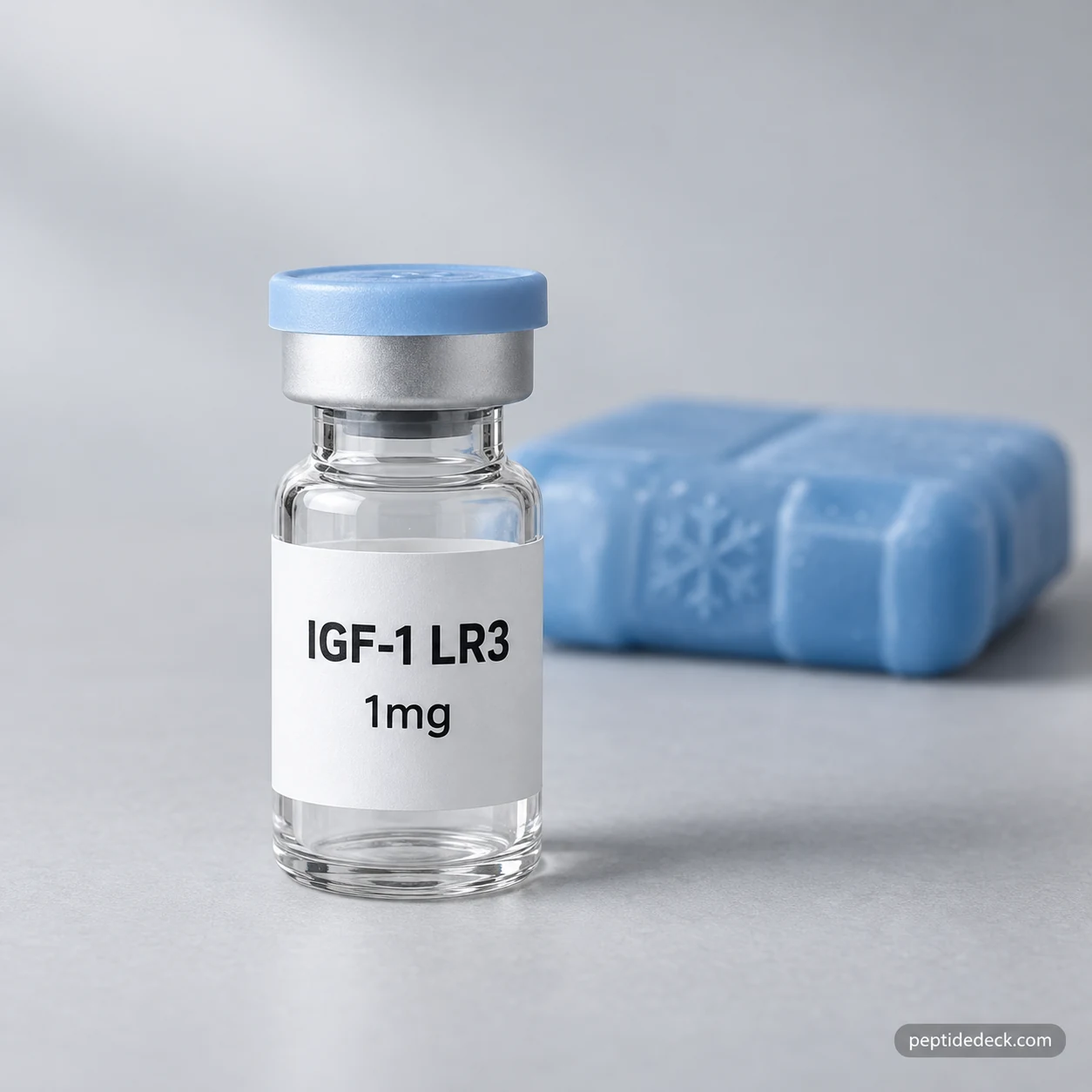
Growth Factor Peptides
IGF-1 LR3
Long R3 Insulin-like Growth Factor-1, 1mg vial
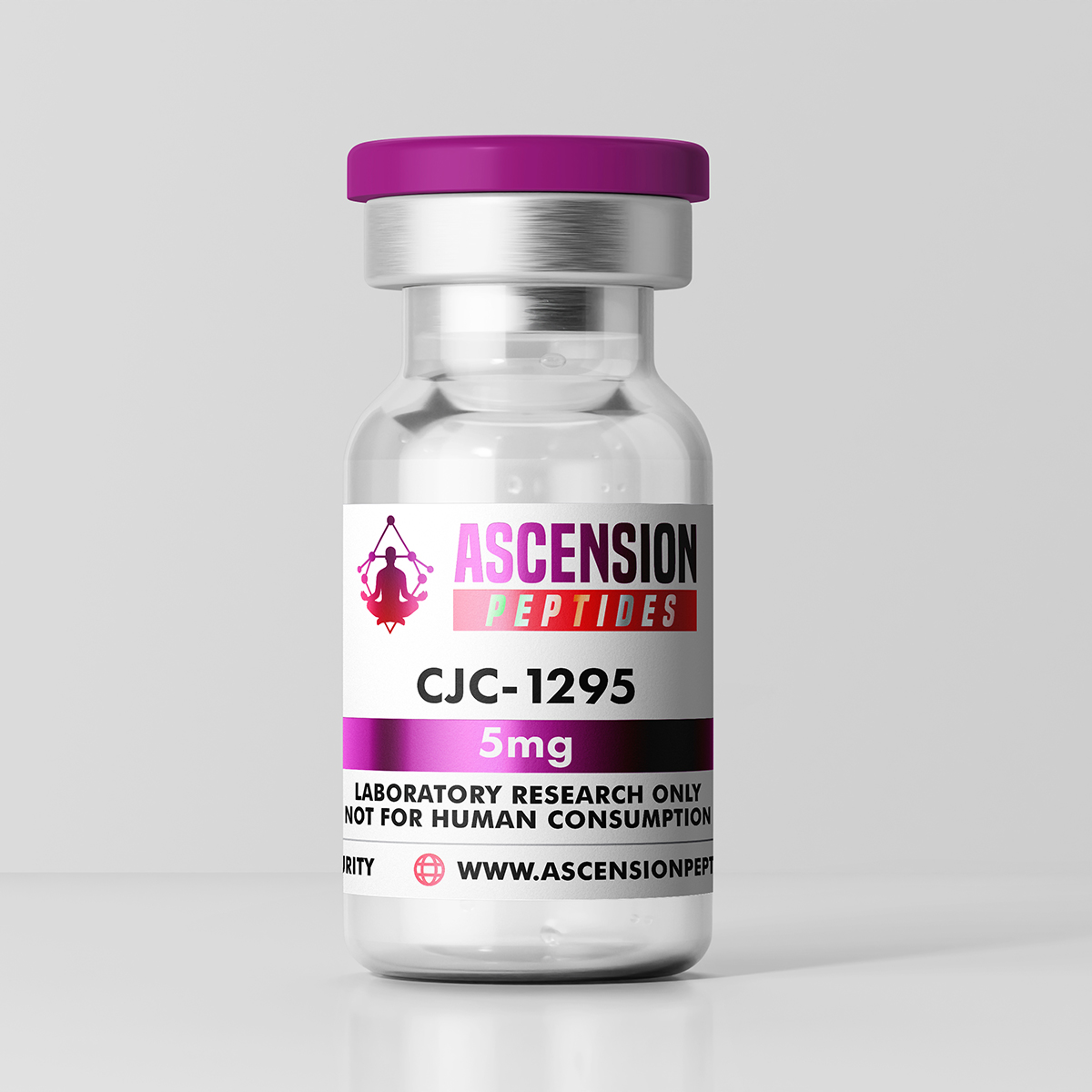
Growth Hormone Releasing Hormone (GHRH) Analogues
CJC-1295 (No DAC)
Modified GRF (1-29) GHRH Analogue, 5mg Lyophilized Vial
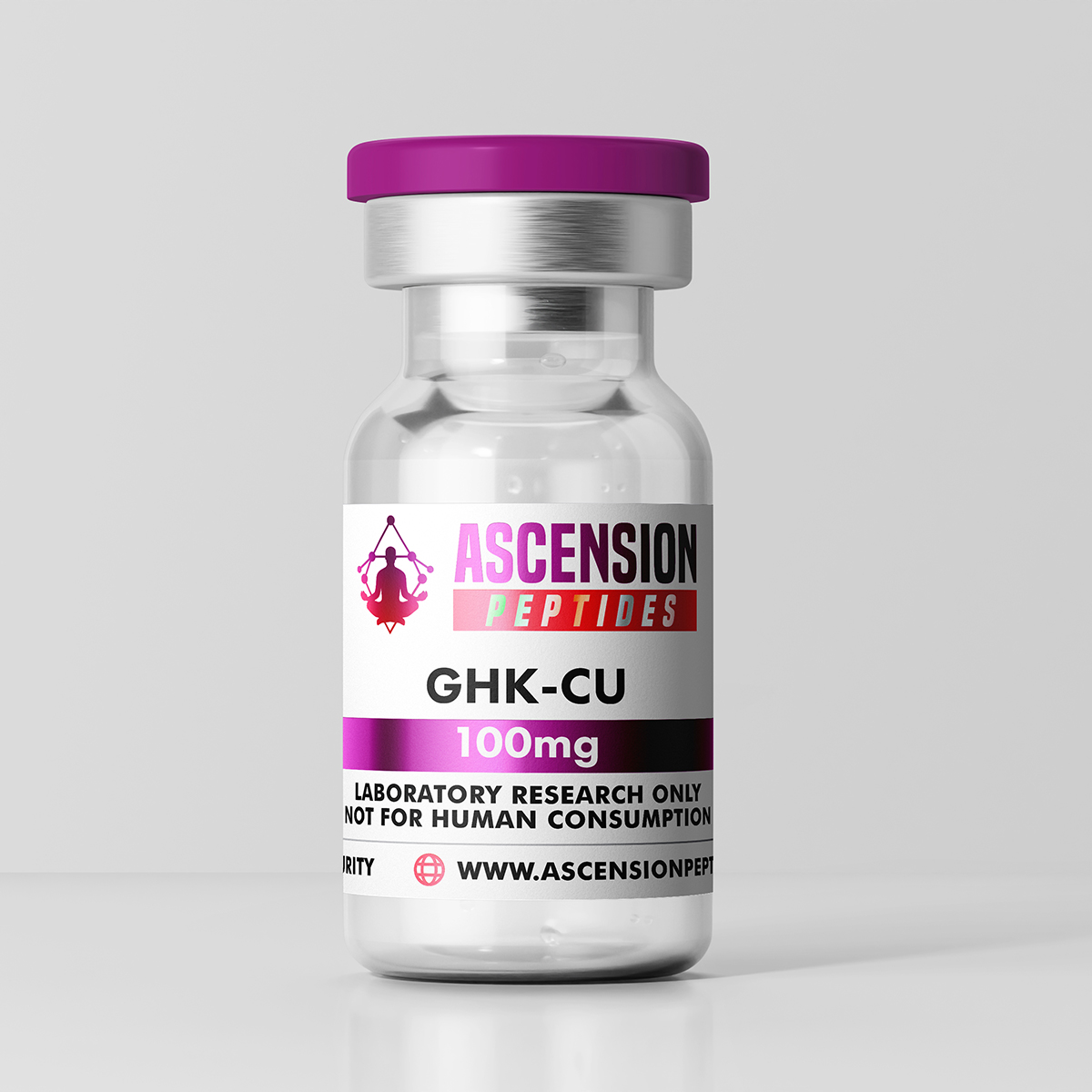
Copper Peptides
GHK-Cu
GHK-Cu For Sale: 50mg 99%+ Purity Copper Tripeptide

Healing & Recovery Peptides
BPC-157
Body Protection Compound 5mg: 99%+ Purity Research Vial
Research Use Only. All products sold by PeptideDeck are strictly for in-vitro laboratory research and are not intended for human or veterinary use, diagnosis, or treatment. Not for resale.