MOTS-c is one of those peptides people often describe as “clean,” and honestly that reputation is mostly deserved. It is not known for the kind of nausea, appetite swings, or water-retention drama that some other peptide categories can bring.
But “well tolerated” is not the same as “nothing can happen.” There are still normal side effects, still dose-related tradeoffs, and still the very practical reality that bad injection technique can create problems that have nothing to do with the peptide itself.
🔑 Key Takeaways
- MOTS-c is generally very well tolerated.
- The most common issue is mild redness or irritation at the injection site.
- Fatigue and headache seem more likely when the dose is unnecessarily high.
- Persistent or worsening reactions deserve a pause, not stubbornness.
For the protocol side, read our MOTS-c dosage guide. If you want the broader verdict on whether it is worth using in the first place, our MOTS-c review covers that angle.
The Most Common MOTS-c Side Effects
The short list is simple: mild injection-site reactions, occasional fatigue, and occasional headache. That is basically the side-effect conversation most users actually have.
Compared with a lot of other compounds in the metabolism space, that is refreshingly uneventful. Still, context matters. If someone is dosing too high, reconstituting badly, or using poor injection hygiene, the peptide can start getting blamed for operator error.
Injection Site Reactions: The Most Typical Issue
Redness, slight tenderness, mild itching, or a small bump under the skin are the most common MOTS-c complaints. In most cases, they are minor and temporary.
This is not unique to MOTS-c, obviously. It is the default annoyance of a lot of subcutaneous peptides. Local irritation can come from the peptide solution, the injection volume, the injection speed, or just hitting the same spot too often.
- Rotate sites instead of using the same patch of skin every time.
- Let alcohol dry before injecting.
- Inject slowly rather than jamming the liquid in fast.
- Keep reconstitution and storage clean.
Usually that solves it. If it doesn't, the problem may be the solution quality rather than the protocol.
Fatigue: Sometimes a Sign the Dose Is Too High
Some users report feeling a little tired, flat, or oddly drained after higher-dose MOTS-c injections. This is not the dominant experience, but it comes up enough to be worth mentioning.
In my view, fatigue on MOTS-c is often feedback rather than a mystery. It may mean the dose is too aggressive for you, the injection timing is inconvenient, or your recovery and calorie intake are already shaky. A peptide cannot fix bad sleep. It can just make the mismatch more obvious.
If fatigue appears, the first move is usually not to abandon the compound—it is to lower the dose and simplify the schedule.
Headache: Usually Mild, Usually Manageable
Mild headache shows up now and then, especially when someone jumps straight to the upper end of the dosing range. It is typically brief and not severe.
Hydration may play a role here, but so does dose selection. People love skipping the boring part—starting lower—and then act surprised when a peptide feels less smooth than expected. That's not really a MOTS-c problem. That's a protocol problem.
Why MOTS-c Is Usually Considered Well Tolerated
MOTS-c has a reputation for tolerability because the most-discussed side effects are generally mild and dose-dependent. There is no widely reported pattern of severe gastrointestinal distress, appetite chaos, or dramatic hormonal disruption.
That matters because a lot of peptide users are not just looking for “effective.” They want something that feels usable. MOTS-c often fits that description better than flashier compounds.
There is still an uncertainty caveat, though, and it matters: long-term human data is limited. So it is reasonable to say MOTS-c looks well tolerated; it is not reasonable to pretend every question is settled.
When Side Effects Mean Your Protocol Needs Work
Most MOTS-c side effects do not mean the peptide is inherently wrong for you. They usually mean one of four things:
- The dose is higher than necessary.
- The frequency is too aggressive.
- The injection technique is sloppy.
- The product quality is questionable.
That last one is underrated. When a peptide is subtle, low quality can make the entire experience feel noisy—more irritation, less benefit, more confusion.
And yes, sometimes people also stack too many things at once. Then they have no idea what caused what. That is not “advanced.” That is just messy.
How to Reduce MOTS-c Side Effects
The good news is that the usual fixes are simple.
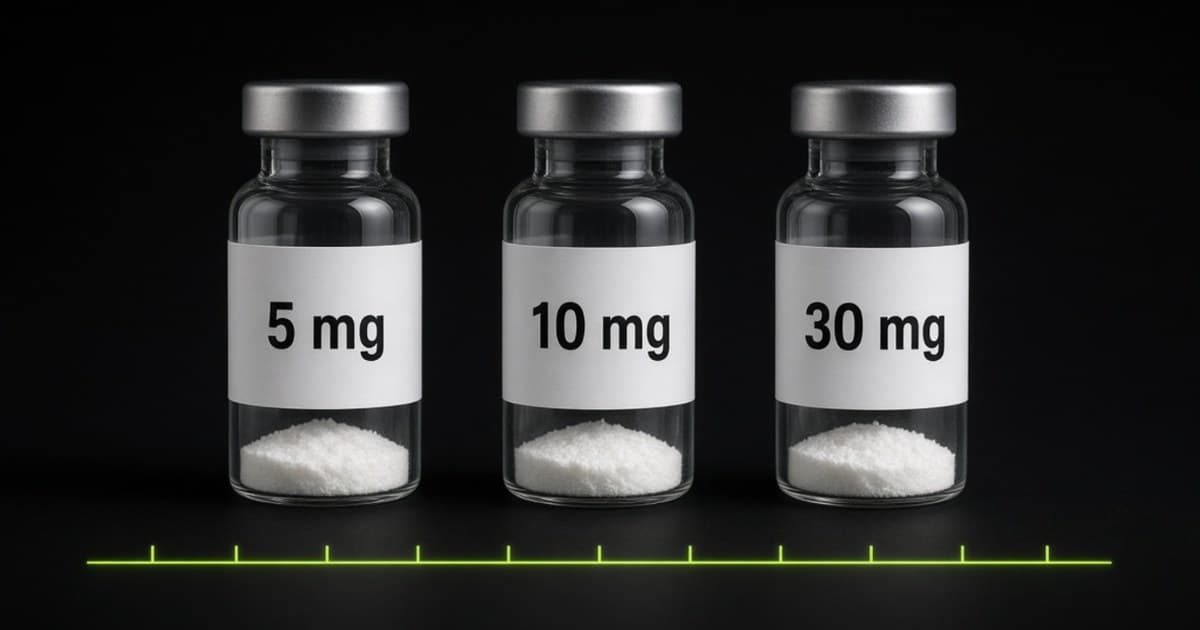
- Start at 5mg instead of jumping to 10mg.
- Use 2 injections per week before trying 3.
- Rotate sites and improve injection hygiene.
- Track symptoms by dose day so patterns are obvious.
- Use a vendor with proper third-party testing.
💡 Pro Tip
If MOTS-c feels rough, simplify before you quit. Lower the dose, clean up the routine, and stop changing five variables at once.
Where to Source MOTS-c for Research Use
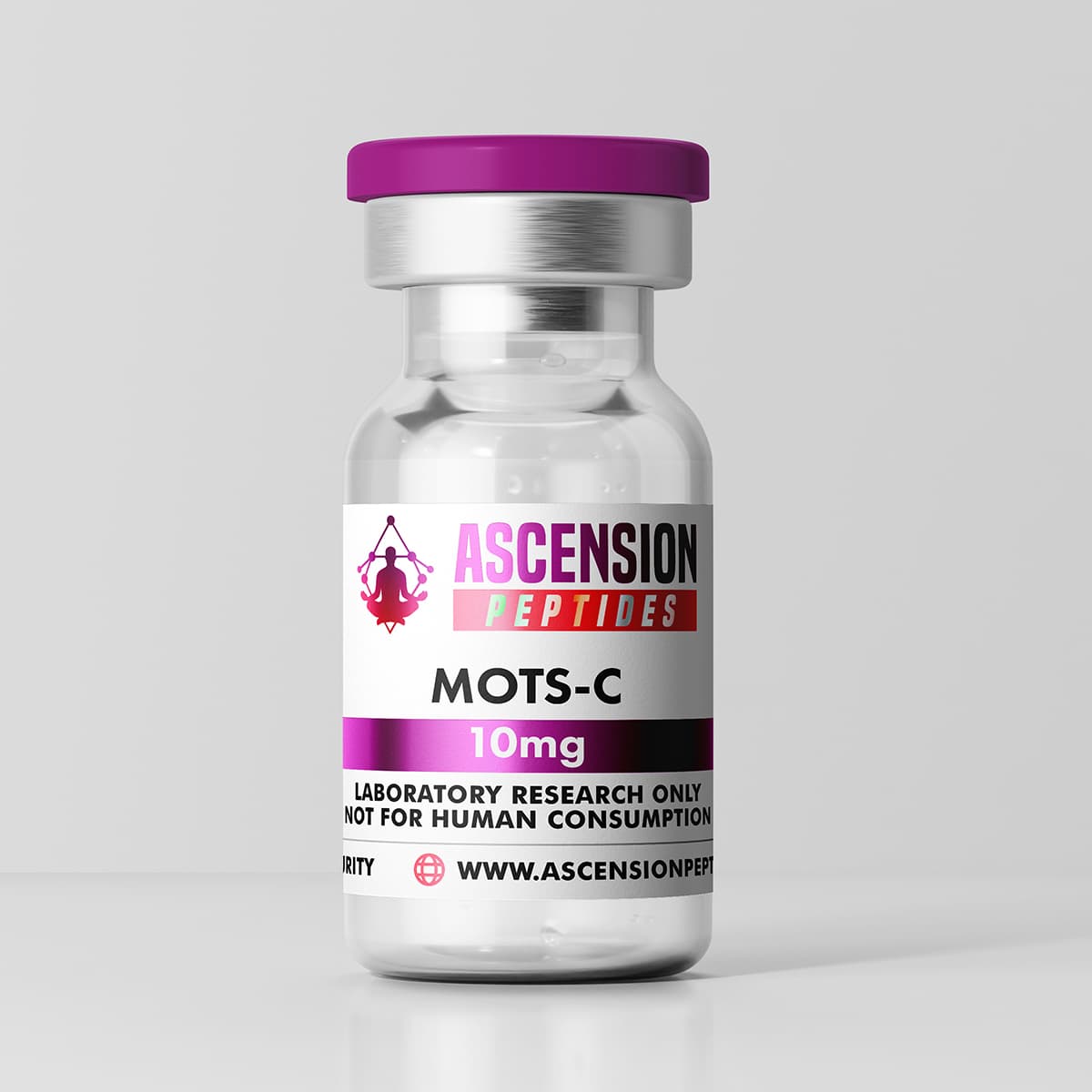
If you are comparing sources, Ascension Peptides lists MOTS-c 10mg here. Using a consistent source matters more with peptides like this because poor quality can blur both the benefits and the side effects.
You may also want to compare MOTS-c with other compounds that get used for metabolic goals, like Tesamorelin or 5-Amino-1MQ. Very different mechanisms, but useful context.
For the other half of the picture — what people actually get out of a cycle — see MOTS-c before and after.