
Tirzepatide Dosage in Units: mg to U-100 Conversion (2026)
Most people confused about tirzepatide aren't confused about the mg numbers, they're confused about how many units to draw on a U-100 insulin syringe. This is the complete mg-to-units conversion reference for tirzepatide, covering every common compounded concentration (5 mg/mL, 10 mg/mL, 20 mg/mL), the full titration in units, microdosing split-dose math, and the tirzepatide-to-semaglutide unit conversion.
Inside: the full mg-to-units conversion chart at 5 mg/mL, 10 mg/mL, and 20 mg/mL concentrations, the standard 2.5 mg to 15 mg titration in both mg and units, microdosing split-dose unit math, the tirzepatide-to-semaglutide unit conversion, and a calculator that does the math for you. For the standalone weekly-schedule chart, see our tirzepatide dosage chart.
What Is Tirzepatide? Mechanism of Action (GIP/GLP-1)
Tirzepatide is a dual GIP/GLP-1 receptor agonist meaning it activates two separate hormone receptors simultaneously. This dual mechanism is what separates it from earlier GLP-1-only drugs like semaglutide.
How the two pathways work:
- GLP-1 (Glucagon-Like Peptide-1): Slows gastric emptying, suppresses appetite, reduces glucagon secretion, and increases insulin release in a glucose-dependent manner. This is the same pathway targeted by semaglutide (Ozempic/Wegovy).
- GIP (Glucose-Dependent Insulinotropic Polypeptide): Enhances insulin secretion, may improve tolerability of GLP-1 effects, and in combination with GLP-1 agonism promotes favorable changes in adipose tissue that reduce visceral fat preferentially.
For the complete Ozempic adverse event list with clinical trial percentages, see our Ozempic side effects guide.
The net result: tirzepatide produces greater average weight loss than semaglutide at approved doses. In the SURMOUNT-1 trial, participants lost an average of 20.9% of body weight at 72 weeks on 15mg versus roughly 15% with semaglutide 2.4mg in the STEP-1 trial.
Tirzepatide is FDA-approved under two brand names:
- Mounjaro Type 2 diabetes (glycemic control)
- Zepbound Chronic weight management and obstructive sleep apnea (approved 2024)
Tirzepatide Half-Life and Pharmacokinetics
Understanding tirzepatide's pharmacokinetics helps explain why it's dosed weekly, how long it stays in your system, and what happens when a dose is missed.
The 5-day half-life creates stable, predictable plasma levels with once-weekly dosing. Unlike shorter-acting GLP-1 drugs, there's minimal "peak and trough" fluctuation which contributes to consistent appetite suppression throughout the week.
Full Tirzepatide Dosage Chart: Standard Titration Schedule
The standard tirzepatide titration schedule increases the dose every 4 weeks. This slow escalation minimizes GI side effects while allowing receptor adaptation. This schedule applies whether you're using branded Zepbound, Mounjaro, or compounded tirzepatide.
You do not have to reach 15mg. Many people find their effective maintenance dose at 5mg, 7.5mg, or 10mg. The titration schedule is a ceiling, not a mandate. If side effects at a given step are intolerable, hold at the previous dose for an additional 4 weeks before trying again.
For a deeper dive into the dosing strategy, see our Tirzepatide Dosing Guide.
Tirzepatide Dosage in Units: mg-to-Units Conversion Tables (U-100 Syringe)
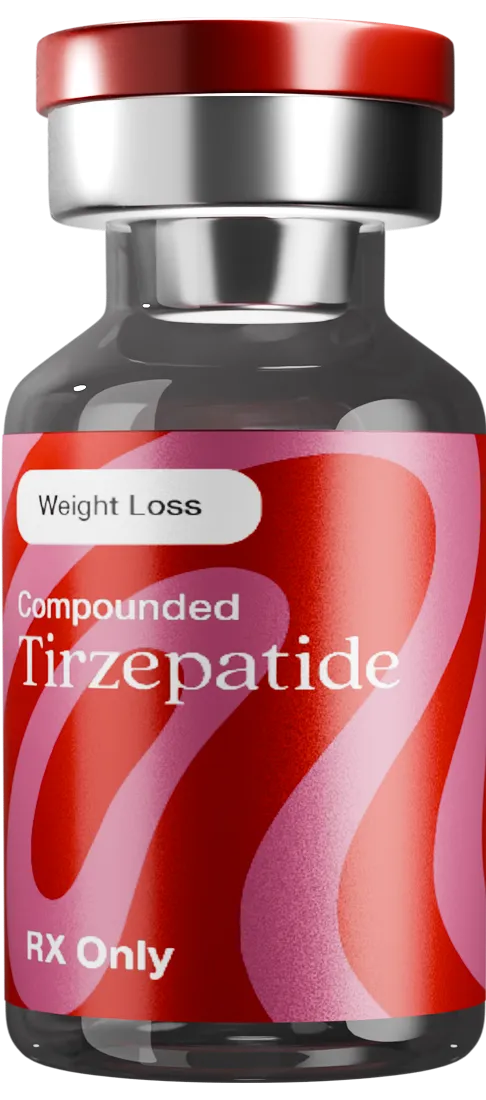
Compounded tirzepatide comes in vials not pre-filled pens. You draw it using an insulin syringe. Most insulin syringes are U-100, which means 100 units = 1 mL. The question "how many units of tirzepatide do I inject?" always means: how many markings on my U-100 syringe equals my dose?
The answer depends entirely on your vial concentration (mg/mL). Use our peptide calculator to calculate your concentration if you mixed it yourself.
Units on U-100 syringe: Units = Volume (mL) × 100
Tirzepatide Dosage Chart at 5 mg/mL Concentration
Example: 5mg peptide reconstituted in 1mL bacteriostatic water
Tirzepatide Dosage Chart at 10 mg/mL Concentration
Most common compounded concentration example: 10mg peptide in 1mL water, or 20mg in 2mL
Tirzepatide Dosage Chart at 20 mg/mL Concentration
High-concentration vials example: 20mg peptide in 1mL water
Not sure what concentration your vial is? Check the label, or use the Reconstitution Calculator enter how much peptide (mg) and how much water (mL) you used, and it will calculate your mg/mL automatically.
Tirzepatide Dosing for Weight Loss vs. Diabetes vs. Sleep Apnea
The titration schedule is identical across all indications but target maintenance doses and clinical goals differ.
For weight loss: Clinical trials show dose-dependent results. Participants on 15mg lost about 40% more weight than those on 5mg (20.9% vs 15.0%). Most people achieve meaningful weight loss starting at 7.5–10mg. The 5mg dose is often not sufficient as a standalone weight loss dose long-term, though individual responses vary.
For type 2 diabetes: A1C targets can often be reached at 5–10mg without escalating to the maximum. Your endocrinologist will guide dose adjustments based on glucose readings and tolerability.
For sleep apnea: Zepbound's OSA approval requires BMI ≥30 (obese) or ≥27 with weight-related comorbidity. Doses of 10–15mg showed a reduction of 25–30 apnea events per hour in trials. Weight loss itself not direct airway effects is the mechanism.
Tirzepatide Dosing for Weight Loss in Units (At 10mg/mL)
This is the most practical conversion for people using compounded tirzepatide with insulin syringes. Assuming the most common concentration of 10mg/mL:
Different concentration? Use our Tirzepatide Dose Calculator select your concentration and get your exact unit draw in seconds.
Tirzepatide Microdosing Chart (Split-Dose Protocol)
Some researchers and clinicians split the weekly tirzepatide dose into two injections per week for example, Monday and Thursday. The theoretical benefits: smoother plasma levels with less peak-and-trough variation, potentially fewer peak-related side effects like nausea, and more consistent appetite suppression across the week.
This is an off-label approach not supported by FDA-approved labeling. See our detailed Tirzepatide Microdosing Guide for the full protocol, dosing rationale, and what the research community says.
Tirzepatide Split-Dose Chart (2× Weekly at 10mg/mL)
Rule: Space split injections 3–4 days apart. Do not use split dosing as a way to take more than your prescribed weekly total.
Tirzepatide Maintenance Dose
Once you've reached your target outcomes (weight goal, A1C target), you transition to maintenance dosing the lowest dose that sustains your results.
Finding your maintenance dose:
- Titrate through the standard schedule until you reach your goal.
- Hold at your current effective dose for at least 8–12 weeks to confirm stability.
- Attempt a 2.5mg stepdown and monitor for 8 weeks. If outcomes hold, you've found your maintenance dose.
- If weight regain or glucose drift occurs, step back up to the previously effective dose.
Weight loss maintenance: 7.5–12.5mg/week (most commonly 10mg)
Type 2 diabetes control: 5–10mg/week
Minimum effective (post-goal maintenance): as low as 2.5mg/week in some individuals
Clinical data is clear: stopping tirzepatide after weight loss leads to approximately 50% weight regain within 12 months. This supports indefinite low-dose maintenance rather than cycling on and off. Discuss long-term strategy with your prescriber.
Tirzepatide Maximum Dose and What Happens If You Take Too Much
The FDA-approved maximum dose is 15mg once weekly. No clinical data exists supporting additional benefit above this dose, and overdose risks are meaningful.
Effects of higher-than-recommended doses:
- Severe nausea, vomiting, and diarrhea (potentially requiring IV fluids and antiemetics)
- Severe hypoglycemia (especially when combined with insulin or sulfonylureas)
- Increased pancreatitis risk
- Significant dehydration from fluid losses
- Heart rate elevation and blood pressure fluctuations
If you accidentally inject more than intended: Stay hydrated, monitor closely for nausea, vomiting, dizziness, and signs of low blood sugar. Because tirzepatide's half-life is 5 days, effects persist seek emergency care if symptoms are severe. Do not induce vomiting (the drug is injected, not ingested).
Missed Dose Protocol
- Missed within 4 days (within 96 hours of scheduled dose): Take the missed dose as soon as you remember. Resume your normal weekly schedule from this new day going forward.
- Missed more than 4 days ago: Skip the missed dose completely. Resume on your next originally scheduled injection day.
- Never double-dose: Do not inject two doses within 3 days of each other under any circumstances.
- Returning after 4+ weeks off tirzepatide: Restart at 2.5mg and re-titrate from the beginning your GI tolerance will have reset.
Tirzepatide to Semaglutide Conversion Chart

Switching between tirzepatide and semaglutide (Ozempic/Wegovy)? There is no official FDA-approved conversion ratio because they are distinct molecules with different receptor profiles. However, based on clinical trial weight loss outcomes and glycemic efficacy data, approximate clinical equivalencies have been proposed by researchers and clinicians:
Key insight: Tirzepatide consistently produces 3–5% greater body weight reduction than semaglutide at equivalent approved dose steps due to its additional GIP mechanism. At higher doses (12.5–15mg), there is no semaglutide equivalent tirzepatide simply has no comparable agent at this efficacy level.
When switching from semaglutide to tirzepatide: Most clinicians recommend restarting at 2.5mg tirzepatide and titrating normally, regardless of prior semaglutide dose. GLP-1 receptor tolerance does not translate directly between these molecules, and the GIP component introduces new tolerability considerations.
Tirzepatide + L-Carnitine Dosage Guide
L-carnitine is frequently combined with tirzepatide in metabolic optimization and weight loss protocols. The rationale: L-carnitine facilitates transport of long-chain fatty acids into mitochondria for beta-oxidation (fat burning), potentially complementing tirzepatide's insulin-sensitizing and appetite-suppressive effects.
No controlled clinical trials have specifically studied the tirzepatide + L-carnitine combination. The protocol is based on mechanistic rationale and use in research communities.
No known pharmacokinetic interactions exist between tirzepatide and L-carnitine. L-carnitine is generally well-tolerated; doses above 3g/day may cause GI upset, fishy odor (due to TMAO production by gut bacteria), or loose stools in susceptible individuals. Benefits are most pronounced when combined with resistance training and a caloric deficit.
Tirzepatide Injection Protocol: Step-by-Step
- Choose your injection day: Pick one consistent day per week. You can shift it by up to 3 days if needed without restarting your schedule.
- Allow vial to reach room temperature: Remove from refrigeration 15–30 minutes before drawing. Cold injections cause more stinging and may affect draw accuracy.
- Calculate your volume: Use the charts above or the Dose Calculator to confirm your exact unit draw based on vial concentration.
- Draw the dose: Wipe the vial top with an alcohol swab. Insert the needle, invert the vial, and draw your calculated volume. Tap out air bubbles.
- Choose an injection site: Subcutaneous injection into the abdomen (at least 2 inches from the navel), outer thigh, or upper arm. Rotate injection sites each week to avoid lipodystrophy.
- Inject: Insert the needle at 45–90 degrees (depending on body composition leaner individuals use 45°). Inject slowly over 5–10 seconds, hold 5 seconds, then withdraw.
- Food timing: Tirzepatide can be injected with or without food. Some users prefer injecting after a light meal to reduce early nausea on dose-increase weeks.
For a full guide on reconstituting lyophilized (freeze-dried) tirzepatide powder, see our Tirzepatide Reconstitution Guide.
Tirzepatide Dose Calculator
Doing the math manually works fine, but our calculators make it instant and error-proof:
- Tirzepatide Dose Calculator Enter your concentration (mg/mL) and your target dose (mg) to instantly get your volume in mL and unit draw for a U-100 syringe. Supports all common concentrations.
- Reconstitution Calculator Enter your peptide amount (mg) and how much bacteriostatic water (mL) you're adding. Get your mg/mL concentration, then cross-reference with the dose tables above.
Side Effects by Dose
Tirzepatide side effects are dose-dependent. Knowing what's typical versus concerning helps you decide whether to hold at a dose or step down.
Managing GI side effects: Eat smaller meals. Avoid high-fat or spicy foods in the 24–48 hours after each injection. Stay well hydrated. Over-the-counter antiemetics (ondansetron, promethazine) are sometimes prescribed by physicians for severe cases. GI effects typically improve significantly after 4–8 weeks at a stable dose.
Who Should Not Use Tirzepatide
- Personal or family history of medullary thyroid carcinoma (MTC)
- History of Multiple Endocrine Neoplasia syndrome type 2 (MEN 2)
- History of pancreatitis (use with extreme caution)
- Pregnant or breastfeeding women
- Type 1 diabetes (not indicated; no GLP-1 replacement benefit)
- Severe gastroparesis (tirzepatide further slows gastric emptying)
Tirzepatide Storage, Stability, and Vial Handling
Correct storage is critical for tirzepatide potency. Degraded peptide means degraded efficacy and you won't know it's degraded just by looking at it.
Key rules for compounded tirzepatide:
- Always use bacteriostatic water (BW with 0.9% benzyl alcohol) not sterile water. BW extends reconstituted shelf life to 28–60 days. Sterile water requires single-use only.
- Reconstitute by injecting the water down the side of the vial do not spray directly onto the peptide cake. Swirl gently; do not shake.
- If your solution has turned cloudy, yellow, or has visible particles, discard it.
- Label your vial with the reconstitution date and concentration. Memory is not reliable over weeks.
Tirzepatide Dosing Tips to Minimize Side Effects
Side effects primarily nausea, vomiting, and GI discomfort are the main reason people stop tirzepatide prematurely. Most of these are avoidable with smart dosing habits.
- Inject on a consistent schedule: Varying your injection day by more than 2–3 days creates plasma level fluctuations that amplify GI effects.
- Eat smaller, lower-fat meals: Tirzepatide dramatically slows gastric emptying. Large or high-fat meals sit in the stomach longer and trigger nausea. Aim for 300–500 calorie meals in the first weeks.
- Time your injection strategically: Some users inject before bed on injection day sleeping through the early nausea window. Others prefer morning injections when appetite suppression is most useful.
- Avoid alcohol in the first 24–48 hours after injection: Alcohol irritates an already-slowed GI tract and can amplify nausea significantly.
- Stay ahead of constipation: As GI motility slows, constipation is common at higher doses. Adequate hydration (2.5–3L water daily), fiber intake, and occasional magnesium citrate help maintain regularity.
- Don't rush titration: The 4-week minimum between dose increases exists for good reason. Jumping doses faster dramatically increases dropout-worthy side effects.
- Ginger and peppermint: Both have some evidence for nausea reduction. Ginger chews or peppermint tea on injection day are commonly used non-pharmaceutical options.
Tirzepatide Dosage for Different Body Weights
Tirzepatide dosing is not adjusted by body weight unlike some medications, the titration schedule is fixed regardless of whether you weigh 80kg or 180kg. However, weight does influence expected outcomes:
- Higher starting body weight generally correlates with greater absolute weight loss (more kg lost) but similar percentage weight loss
- People with BMI >45 may find they need to stay at higher doses (12.5–15mg) to achieve and maintain significant results
- People with lower starting BMI (27–35) often achieve their target outcomes at lower doses (5–10mg) with less required titration
There is no dose adjustment required for mild to moderate renal impairment. Hepatic impairment data is limited; use with caution in severe hepatic dysfunction.
Expected Weight Loss by Dose
Based on the SURMOUNT-1 and SURMOUNT-2 trial data, here are the average weight loss outcomes by dose at 72 weeks in adults with obesity (BMI ≥30 or ≥27 with comorbidities):
These are averages individual results vary significantly. Roughly 1 in 3 participants on 15mg lost more than 25% of their body weight. Diet quality and exercise significantly amplify results above these averages.
Frequently Asked Questions
What is the starting dose of tirzepatide?
The FDA-approved starting dose is 2.5mg once weekly for a minimum of 4 weeks. This low dose is purely a tolerance-building step 2.5mg on its own produces modest weight loss. After 4 weeks, most protocols increase to 5mg.
What is the maximum dose of tirzepatide?
The FDA-approved maximum dose is 15mg once weekly. No clinical data supports doses above this, and overdose risks increase significantly above the approved ceiling.
How many units of tirzepatide should I inject?
It depends on your vial concentration. At the most common 10mg/mL: 2.5mg = 25 units, 5mg = 50 units, 7.5mg = 75 units, 10mg = 100 units, 12.5mg = 125 units, 15mg = 150 units; those last two are over 1 mL, so split them into two injections or use 20mg/mL (62.5 and 75 units). See the full tables above or use the Dose Calculator.
How long does tirzepatide stay in your system?
Tirzepatide has a half-life of approximately 5 days (120 hours). It takes roughly 4–5 weeks after your last injection to fully clear from your system. You'll typically still feel appetite suppression for 1–2 weeks after stopping.
What is the tirzepatide titration schedule?
Dose increases every 4 weeks: 2.5mg → 5mg → 7.5mg → 10mg → 12.5mg → 15mg. You don't need to reach the maximum stop titrating when you achieve your desired outcomes with acceptable tolerability.
Can I split my tirzepatide dose into two weekly injections?
Yes, some users and researchers split the weekly dose into two injections 3–4 days apart (e.g., Monday + Thursday) to reduce peak side effects and smooth out appetite suppression. This is off-label. See our Tirzepatide Microdosing Guide for the full protocol.
What is the maintenance dose for tirzepatide?
There's no universal answer it's individual. For weight loss, common maintenance doses range from 7.5–12.5mg/week, with 10mg most frequently effective. For diabetes, 5–10mg often provides adequate glycemic control. The goal is the lowest dose that maintains your results.
How do I convert tirzepatide mg to mL?
Divide your target dose (mg) by your vial concentration (mg/mL). Example: 5mg ÷ 10mg/mL = 0.5mL. To get units on a U-100 syringe, multiply mL by 100: 0.5mL × 100 = 50 units. Use the Dose Calculator to skip the math.
Is tirzepatide more effective than semaglutide for weight loss?
Yes, on average. Clinical trials show tirzepatide produces approximately 3–5% greater body weight reduction than semaglutide at comparable approved doses. At the highest dose (15mg), tirzepatide averages ~21% body weight loss versus ~15% for semaglutide 2.4mg. The dual GIP/GLP-1 mechanism is responsible for the difference.
What happens if I miss a tirzepatide injection?
If within 4 days of your scheduled dose: inject it now and resume your schedule from the new day. If more than 4 days late: skip it entirely and resume on your original next scheduled day. Never inject two doses within 3 days of each other.
What is tirzepatide microdosing?
Microdosing means using sub-protocol doses often starting below 2.5mg (e.g., 1–1.25mg) to minimize early side effects, or splitting doses 2× weekly for smoother levels. This is off-label practice. Our full microdosing guide covers the rationale, protocol, and dosing charts.
What is the lowest effective dose of tirzepatide?
The lowest FDA-approved dose is 2.5mg, which functions primarily as a starting/tolerance dose. Most people see meaningful clinical effect starting at 5–7.5mg. Some individuals use 2.5mg as a long-term maintenance dose after reaching their goal weight on a higher dose enough to prevent regain without maximal appetite suppression.
Can I take L-carnitine with tirzepatide?
Yes. No known pharmacokinetic interactions exist. A common protocol is 500–2,000mg L-carnitine daily alongside tirzepatide dosing, with the goal of enhancing fat oxidation. See the combination chart above. Benefits are most pronounced with resistance training.
How does tirzepatide work (mechanism of action)?
Tirzepatide activates both GLP-1 (glucagon-like peptide-1) and GIP (glucose-dependent insulinotropic polypeptide) receptors. GLP-1 slows gastric emptying and suppresses appetite. GIP enhances insulin secretion and may improve GLP-1 tolerability. Together, these two pathways produce greater weight loss and metabolic improvement than either receptor alone.
Where to Get Compounded Tirzepatide
Branded Zepbound and Mounjaro are available by physician prescription at retail pharmacies. Compounded tirzepatide from 503A and 503B pharmacies was broadly available during shortage periods; regulatory status continues to evolve check with your prescriber for current availability. For current pricing across channels, see our cheapest tirzepatide guide.
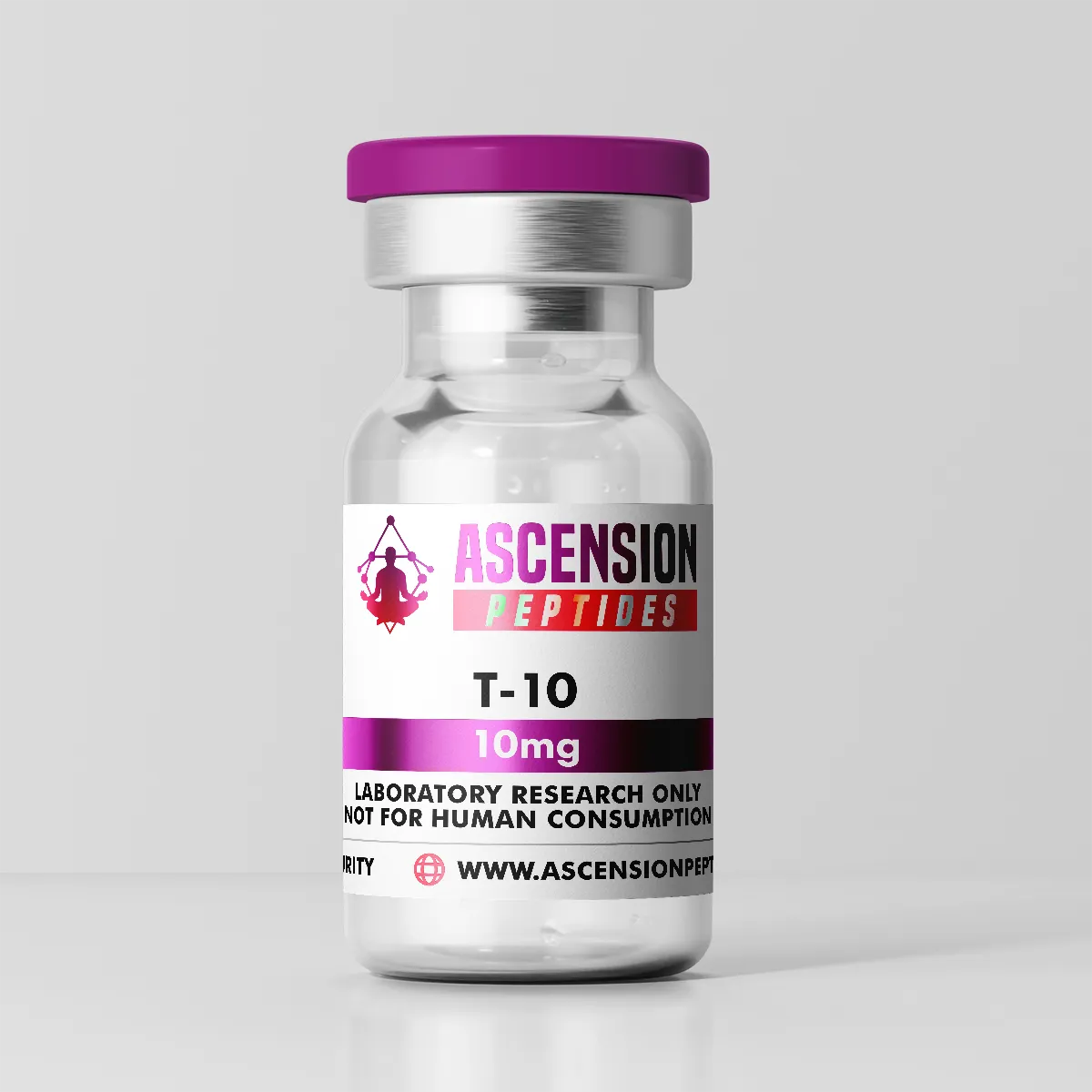
For research purposes, reputable suppliers like Ascension Peptides offer tirzepatide with third-party purity verification. Always look for >99% purity on HPLC analysis and a current Certificate of Analysis (COA) tied to the specific lot you're purchasing.
This content is for informational and educational purposes only. Peptides discussed on this page are research compounds. Branded tirzepatide (Mounjaro, Zepbound) is FDA-approved for specific indications and requires a physician prescription. Compounded tirzepatide is not FDA-approved. Always consult a licensed medical professional before starting, adjusting, or stopping any medication or research compound.
This content is for informational and educational purposes only. Branded tirzepatide (Mounjaro, Zepbound) is FDA-approved for specific indications under physician supervision. Compounded tirzepatide is not FDA-approved. Always consult a licensed medical professional before using any peptide or medication.