Tirzepatide Dosing Guide 2026: Mounjaro & Zepbound Protocol, Half-Life & Data
Tirzepatide is the most effective FDA-approved weight-loss medication available in 2026. In the landmark SURMOUNT-1 trial, participants on the 15mg maintenance dose lost an average of 20.9% of their body weight over 72 weeks — a result that fundamentally changed how clinicians think about pharmacological obesity treatment.
But getting those results depends entirely on following the correct tirzepatide dosing protocol. Too fast and GI side effects force discontinuation. Too slow and you miss the metabolic window. This guide walks through everything: the titration schedule, how the drug actually works, what the clinical data says, and how to manage the most common side effects.
For personalized calculations based on your current dose and body weight, use our free peptide dose calculator. For the full compound overview, see the tirzepatide compound page.
- Starting dose: 2.5mg once weekly (subcutaneous injection)
- Maintenance doses: 5mg, 10mg, or 15mg weekly
- Titration interval: Every 4 weeks minimum
- Half-life: ~120 hours (5 days)
- Brands: Mounjaro (T2D), Zepbound (obesity)
- Peak efficacy: 20.9% body weight loss at 15mg over 72 weeks (SURMOUNT-1)
How Tirzepatide Works: The Dual GLP-1/GIP Mechanism
Tirzepatide is a first-in-class dual GLP-1 and GIP receptor agonist — the only approved medication that activates both incretin pathways simultaneously. This distinguishes it from semaglutide and other agents that target GLP-1 alone.
GLP-1 Pathway (Glucagon-Like Peptide-1)
GLP-1 is a gut hormone released after meals. When tirzepatide activates GLP-1 receptors, it triggers three core effects:
- Appetite suppression via hypothalamic signaling — you feel less hungry overall
- Slowed gastric emptying — food stays in the stomach longer, extending satiety
- Glucose-dependent insulin secretion — the pancreas releases insulin when blood sugar is elevated, without causing hypoglycemia at normal glucose levels
GIP Pathway (Glucose-Dependent Insulinotropic Polypeptide)
GIP is the second incretin hormone, historically underutilized in drug development. Tirzepatide's GIP agonism adds a separate layer of metabolic benefit:
- Enhanced insulin secretion from pancreatic beta cells
- Adipose tissue remodeling — GIP receptors in fat cells may improve fat oxidation and energy expenditure
- Central appetite regulation — GIP receptors in the brain complement GLP-1's appetite-suppressing signals
Why the Combination Matters
Head-to-head data from the SURPASS-2 trial showed tirzepatide produced significantly greater HbA1c reduction and weight loss than semaglutide 1mg over 40 weeks. The synergistic GIP/GLP-1 effect appears to improve insulin sensitivity and fat oxidation through distinct molecular pathways — which is the mechanistic explanation for tirzepatide's superior clinical outcomes.
In plain terms: tirzepatide doesn't just suppress appetite (like GLP-1 alone) — it also changes how the body handles fat and blood sugar at a metabolic level.
Tirzepatide Pharmacokinetics: Half-Life, Steady State & Injection Timing
Understanding tirzepatide's pharmacokinetics helps you understand why the dosing protocol is structured the way it is.
- Half-life: Approximately 120 hours (5 days)
- Time to steady state: 4–5 weeks of consistent weekly dosing
- Peak plasma concentration (Tmax): 8–72 hours post-injection
- Elimination: Primarily proteolytic degradation; no hepatic or renal dose adjustment required
- Administration route: Subcutaneous injection only (abdomen, thigh, or upper arm)
The 5-day half-life means tirzepatide accumulates over the first 4–5 weeks of treatment before plateauing at steady-state concentrations. This is why titration intervals are set at a minimum of 4 weeks — your body hasn't reached steady state at a given dose until that window has passed. Jumping doses faster than every 4 weeks means you're escalating before you've stabilized, which significantly increases GI side effect risk.
The long half-life also provides dosing flexibility. While once-weekly administration is standard, missing a dose by 1–2 days has minimal impact on plasma levels given the slow elimination curve. If you miss your injection day, take it as soon as you remember — then resume your regular weekly schedule from that new day.
The Complete Tirzepatide Titration Schedule
The FDA-approved titration protocol for both Mounjaro and Zepbound is identical. The goal is to start low, allow GI adaptation, and escalate only when tolerability is confirmed. There is no requirement to reach 15mg — many patients achieve their clinical goals at 5mg or 10mg.
- Do not escalate before 4 weeks at any dose level
- If side effects are intolerable, hold at your current dose for an additional 4 weeks before attempting to escalate
- Dose reduction (stepping back one level) is appropriate if side effects are severe
- 2.5mg is a starting-only dose — it is not intended as long-term maintenance
- 5mg, 10mg, and 15mg are the three labeled maintenance doses in the FDA prescribing information
Use our dose calculator to map your current week to the standard protocol and track where you are in the titration sequence.
SURMOUNT Trial Data: What the Clinical Evidence Actually Shows
Tirzepatide's efficacy claims aren't marketing — they come from some of the most rigorous randomized controlled trials ever conducted for an obesity drug.
SURMOUNT-1: The Primary Weight-Loss Trial
Published in the New England Journal of Medicine in 2022 (Jastreboff et al.), SURMOUNT-1 enrolled 2,539 adults with obesity (BMI ≥30, or ≥27 with at least one weight-related comorbidity) but without type 2 diabetes. Participants received once-weekly tirzepatide or placebo for 72 weeks.
The 20.9% average weight loss at 15mg is a landmark figure — no previously approved medication had crossed the 20% threshold in a large randomized trial. For context, surgical weight-loss interventions typically produce 25–30% loss, and tirzepatide at 15mg is now approaching that range pharmacologically.
SURMOUNT-2: Patients With Type 2 Diabetes
SURMOUNT-2 examined tirzepatide in adults with obesity and type 2 diabetes — a population that historically responds less dramatically to weight-loss interventions. Even in this harder-to-treat group, the 15mg dose produced 15.7% mean body weight reduction over 72 weeks. This is roughly 3–4x the weight loss seen with most existing diabetes medications.
SURPASS-2: Tirzepatide vs Semaglutide (Head-to-Head)
In SURPASS-2, 1,879 adults with type 2 diabetes received tirzepatide (5, 10, or 15mg) or semaglutide 1mg over 40 weeks. All three tirzepatide doses outperformed semaglutide on both HbA1c reduction and body weight loss, with the 15mg tirzepatide arm producing approximately 5.5kg more weight loss than the semaglutide arm. This head-to-head data is the basis for positioning tirzepatide as the superior option when comparing the two drug classes.
For a deeper comparison of next-generation GLP-1 agents, see our retatrutide vs Ozempic comparison.

Mounjaro vs Zepbound: What's Actually Different?
Both Mounjaro and Zepbound contain the exact same active molecule: tirzepatide. The difference is purely regulatory and commercial.
In clinical practice, some physicians prescribe Mounjaro off-label for weight loss when a patient doesn't have a diabetes diagnosis, and some prescribe Zepbound to patients with T2D who need metabolic weight management. The molecule is identical — the label difference exists for regulatory and insurance billing purposes.
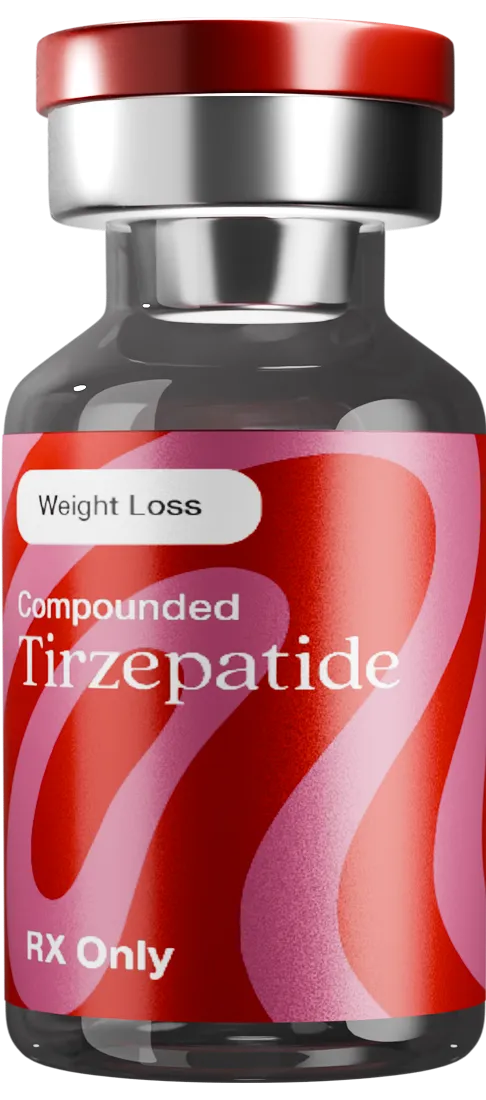
Compounded tirzepatide: As of 2026, the FDA has removed tirzepatide from its drug shortage list. This means FDA-registered compounding pharmacies can no longer legally produce compounded tirzepatide under the shortage exemption. Patients should verify they are receiving brand-name Mounjaro or Zepbound from a licensed pharmacy with a valid prescription.
Tirzepatide Side Effects: What to Expect and How to Manage Them
The most common tirzepatide side effects are gastrointestinal and are directly related to the GLP-1 mechanism. They are most pronounced during dose escalation and typically improve after 1–3 weeks at any given dose level.
Common Side Effects (affecting ≥10% of patients)
- Nausea — Most common, especially during the 2.5mg → 5mg transition. Usually peaks around days 2–3 post-injection and fades by end of week.
- Diarrhea — More common in the early weeks; often resolves with dietary adjustments.
- Decreased appetite — Technically an intended effect but can be distressing when severe.
- Vomiting — Less common than nausea; if persistent, contact your prescribing physician.
- Constipation — Occurs due to slowed GI motility; increased fiber and hydration usually resolve this.
- Injection site reactions — Redness, bruising, or mild swelling at injection sites; rotate sites to minimize.
Less Common but Notable Side Effects
- Fatigue — Particularly common in the first 24–48 hours after injection
- GERD / heartburn — Related to slowed gastric emptying
- Hair thinning (telogen effluvium) — Related to rapid caloric deficit and weight loss, not a direct drug effect; usually temporary
- Muscle loss — A concern with rapid weight loss; mitigated by adequate protein intake (1.2–1.6g/kg bodyweight) and resistance training
Serious Side Effects (Rare — Requires Medical Attention)
- Pancreatitis — Discontinue and seek care if persistent severe abdominal pain develops
- Gallbladder disease — Rapid weight loss increases gallstone risk; report upper-right abdominal pain
- Hypoglycemia — Risk increases if tirzepatide is combined with insulin or sulfonylureas
- Thyroid C-cell tumors — Black box warning based on rodent studies; tirzepatide is contraindicated in patients with personal or family history of medullary thyroid carcinoma (MTC) or Multiple Endocrine Neoplasia type 2 (MEN2)
Practical GI Management Tips
- Eat smaller, more frequent meals — large meals amplify nausea
- Avoid high-fat, spicy, or heavily processed foods, especially in the 24 hours after injection
- Stay well hydrated — dehydration worsens nausea
- Take the injection at night so the worst nausea hits while you're sleeping
- If nausea is severe and persists beyond 3 weeks at a dose, ask your provider about holding the dose rather than escalating
- Ginger tea, anti-nausea bands, or ondansetron (if prescribed) can help manage acute nausea episodes
Contraindications and Drug Interactions
Tirzepatide is contraindicated in:
- Personal or family history of medullary thyroid carcinoma (MTC)
- Multiple Endocrine Neoplasia syndrome type 2 (MEN2)
- Known hypersensitivity to tirzepatide or any excipient
- Pregnancy (weight-loss therapy not appropriate during pregnancy)
Notable drug interactions:
- Oral medications with narrow therapeutic windows — Tirzepatide slows gastric emptying, which can delay absorption of oral drugs. Patients on oral contraceptives, levothyroxine, or warfarin should discuss timing adjustments with their physician.
- Insulin and insulin secretagogues — Combination increases hypoglycemia risk; insulin doses often need to be reduced when starting tirzepatide.
- Alcohol — Can worsen nausea and hypoglycemia risk; moderate intake is advisable.
Optimizing Your Tirzepatide Protocol in 2026
Clinical experience from the 2022–2025 period has produced a set of practical refinements to the standard protocol that many prescribers now apply:
Protein and Resistance Training Are Non-Negotiable
Studies examining body composition changes during tirzepatide therapy consistently show that a significant fraction of weight lost can be lean mass, particularly at higher doses. In SURMOUNT-1, approximately 40% of the weight lost was lean tissue. Prioritizing dietary protein (1.2–1.6g per kg of target bodyweight) and maintaining or beginning a resistance training program significantly reduces this lean mass loss and improves long-term metabolic outcomes.
Injection Day Consistency Matters
Given tirzepatide's 5-day half-life, weekly dosing on the same day produces the most stable plasma levels. Minor deviations (±1 day) are clinically inconsequential, but drifting by 3–4 days repeatedly can create peaks and troughs that affect side effect patterns.
Dose Is Not a Trophy
The 15mg dose produces the best average outcomes in clinical trials, but averages can be misleading. Many patients achieve their weight-loss goals at 5mg or 10mg with significantly better tolerability. If you've stabilized at 10mg, are losing weight steadily, and have minimal side effects, there is no clinical requirement to escalate to 15mg.
Maintenance and Discontinuation
Weight regain after stopping tirzepatide is well-documented — the SURMOUNT-4 trial showed that patients who discontinued after 36 weeks regained approximately 14% of the weight lost within 52 weeks. Long-term or indefinite use should be discussed with your prescriber if you're using tirzepatide for chronic weight management. This is a metabolic disease, not a temporary condition.
Frequently Asked Questions
What is the starting dose of tirzepatide?
The FDA-approved starting dose is 2.5mg once weekly for the first 4 weeks. This dose is intended solely for GI adaptation and has minimal metabolic or weight-loss effect on its own. Do not attempt to start at a higher dose to accelerate results — it significantly increases nausea and vomiting risk.
How long does it take to see results with tirzepatide?
Most patients begin noticing appetite suppression within the first 1–2 weeks, even at the 2.5mg starting dose. Measurable weight loss (1–2% of bodyweight) typically appears within 4–8 weeks. Significant weight loss (≥5%) is usually visible by weeks 12–16, once you've reached the 5mg or 7.5mg phase of titration. Maximum weight loss results in trials were measured at 72 weeks (roughly 18 months).
Can I take tirzepatide without a diabetes diagnosis?
Yes. Zepbound is specifically FDA-approved for chronic weight management in adults with obesity (BMI ≥30) or overweight (BMI ≥27) with at least one weight-related condition such as hypertension, dyslipidemia, or obstructive sleep apnea. You do not need a diabetes diagnosis to use Zepbound.
What's the difference between tirzepatide and semaglutide (Ozempic/Wegovy)?
Semaglutide is a GLP-1 receptor agonist only. Tirzepatide is a dual GLP-1/GIP agonist. Head-to-head in SURPASS-2, tirzepatide produced greater weight loss and HbA1c reduction than semaglutide 1mg. In indirect comparisons, tirzepatide at 15mg (20.9% weight loss) outperforms semaglutide 2.4mg (Wegovy, approximately 15% weight loss in STEP trials). For a broader comparison of next-generation agents, see our retatrutide vs Ozempic analysis.
Can I skip doses if I feel sick?
If you miss a dose and your next scheduled dose is more than 4 days away, take the missed dose as soon as possible. If the next scheduled dose is within 4 days, skip the missed dose and resume your regular schedule. Do not take two doses to compensate for one missed dose. If you're experiencing significant GI illness, contact your prescriber about temporarily holding your dose.
Is compounded tirzepatide still available in 2026?
As of late 2024, the FDA removed tirzepatide from its official drug shortage list. FDA-registered 503B outsourcing facilities and most 503A compounding pharmacies are no longer legally permitted to produce compounded tirzepatide under the shortage exemption. Patients should use FDA-approved brand-name Mounjaro or Zepbound obtained through a licensed pharmacy with a valid prescription. If brand pricing is out of reach, our cheapest tirzepatide guide compares the lowest verified prices for 2026.
What happens if I stop taking tirzepatide?
Clinical data from SURMOUNT-4 shows that patients who stopped tirzepatide after 36 weeks and were switched to placebo regained an average of ~14% of their initial body weight within 52 weeks. Appetite regulation returns toward baseline as drug levels fall. Long-term lifestyle changes (diet, exercise) can help mitigate but do not eliminate rebound weight regain for most patients.
How do I calculate my dose if I'm using vials instead of pens?
Tirzepatide in vial form (used in some research or compounding contexts) is typically reconstituted to a concentration of 5mg/mL or 10mg/mL. Use our dose calculator to convert dose in milligrams to injection volume in milliliters for your specific concentration. Always verify the concentration on your pharmacy label before drawing your dose.
For more on the compound itself — including peptide classification, receptor binding data, and storage requirements — visit the tirzepatide compound page.
This content is for informational and educational purposes only. Tirzepatide is an FDA-approved prescription medication. The dosing information presented here is based on published clinical data and FDA prescribing guidelines. Always consult a licensed physician or endocrinologist before starting, adjusting, or stopping tirzepatide therapy.