There used to be three weight loss drugs worth considering. Now there are nine, split across pills and injections, and the gap between the top and the bottom is enormous. This guide ranks every approved option so you can pick the best weight loss medication for your situation, your budget, and your goal weight.
🔑 Key Takeaways
- Tirzepatide (Zepbound) is the best weight loss medication overall in 2026, averaging 20.2% body weight loss in direct head-to-head trials. Semaglutide (Wegovy) averages 14.9%
- Foundayo (orforglipron), approved December 2025, is the first daily GLP-1 pill that doesn't require fasting before the dose. It bridges the gap between GLP-1 injections and pills
- Older drugs (phentermine, Qsymia, Contrave, Orlistat) produce 3 to 10% weight loss and rarely justify side effects now that GLP-1 options exist. A few specific use cases keep them relevant
- Eligibility is consistent: BMI of 30 or higher, or 27 or higher with one weight-related condition (type 2 diabetes, hypertension, sleep apnea, dyslipidemia, cardiovascular disease)
- Pills cost less upfront but produce significantly less weight loss. Injections produce dramatically more weight loss but cost more and require a weekly shot
- Starting July 1, 2026, Medicare covers Wegovy, Zepbound KwikPen, and Foundayo through the GLP-1 Bridge Program at roughly $50/month for eligible beneficiaries
- Roughly two-thirds of lost weight returns within a year of stopping, per the STEP 4 trial. Obesity is now treated as a chronic condition by most specialists
Telehealth Comparison Table
The fastest legitimate route to most weight loss drugs in 2026 is telehealth. Two providers cover the entire pipeline from intake to US-pharmacy ship.


This page covers every FDA-approved weight loss drug available in 2026: pills and injections, brand and generic, how each is dosed, who qualifies, what it costs, side effects, contraindications, and how to pick the one that fits your situation. Whether you call them weight loss drugs or weight loss medications, the lineup below is the same, and finding the best weight loss medication for your situation comes down to matching mechanism to goal.
Who Qualifies for Weight Loss Drugs
The threshold is clear.
FDA-approved weight loss medications have standardized eligibility. Meeting the criteria is the foundation of getting a prescription and getting insurance to pay for it.
Standard Eligibility for Prescription Weight Loss Drugs
- BMI of 30 or higher (clinically obese), or
- BMI of 27 or higher with at least one weight-related condition: type 2 diabetes, high blood pressure, high cholesterol, obstructive sleep apnea, or cardiovascular disease
- Adults 18 and older (Wegovy and Saxenda are approved from age 12 for adolescents with BMI in the 95th percentile or higher)
- Documented attempt at lifestyle changes (diet, exercise) without adequate result
Short-term drugs (phentermine monotherapy) have slightly different rules. They are typically prescribed for 12 weeks at a time rather than chronic use. Semaglutide, tirzepatide, liraglutide, orforglipron, and the older pill combinations (Qsymia, Contrave) are all approved for long-term use.
Every FDA-Approved Weight Loss Drug
Nine names to know.
Below is every FDA-approved weight loss medication on the US market in 2026, ranked by average weight loss in clinical trials. The rankings give you a clear shortcut to the best weight loss medication for raw weight reduction, with cost and tolerability tradeoffs covered further down.
Each drug has a clear best-fit patient. Here's the detail on each.
Tirzepatide (Zepbound, Mounjaro)
The current strongest approved weight loss drug.
Tirzepatide is a once-weekly dual agonist hitting both GLP-1 and GIP receptors. Zepbound is the brand for chronic weight management. Mounjaro is the same molecule approved for type 2 diabetes. Zepbound is also FDA-approved for moderate to severe obstructive sleep apnea in adults with obesity, the first drug ever approved for that indication.
- Who it's for: Adults with BMI 30+, or 27+ with comorbidity. Best choice when maximum weight loss is the priority, when type 2 diabetes is involved, or when obstructive sleep apnea is a factor.
- Average weight loss: 20.2% at 72 weeks in SURMOUNT-5 (direct head-to-head with semaglutide). 22.5% at the 15 mg dose in SURMOUNT-1.
- Cost: Zepbound list price ~$1,060/month. LillyDirect single-dose vials $499/month at any dose. Insured copays $25 to $250. Zepbound KwikPen will be covered under Medicare GLP-1 Bridge from July 2026.
Semaglutide (Wegovy, Ozempic, oral Wegovy)
The most prescribed weight loss drug in the world.
Semaglutide is a GLP-1 agonist available in two formats: once-weekly injection (Wegovy for weight, Ozempic for diabetes) and a high-dose oral tablet (Wegovy 25 mg, approved late 2025). The oral version uses SNAC (sodium N-[8-(2-hydroxybenzoyl) amino] caprylate), an absorption enhancer that protects the semaglutide molecule from stomach acid so it can cross the gut lining. The tradeoff: Wegovy tablets must be taken first thing in the morning on an empty stomach, with no food, drink, or other medication for 30 minutes after. The SELECT trial showed semaglutide reduces major cardiovascular events by 20%, which is unique in the weight loss drug class.
- Who it's for: Adults with BMI 30+, or 27+ with comorbidity. First-choice pick when cardiovascular disease is part of the picture. The oral 25 mg tablet is the needle-free alternative for people who refuse injections.
- Average weight loss: 14.9% over 68 weeks in STEP 1 (injection). 13.7% in SURMOUNT-5 head-to-head. The oral 25 mg tablet produces about 15% in Phase 3.
- Cost: Wegovy list price ~$1,350/month. NovoCare cash $199/month for months 1-2, then $349. Insured copays $25 to $200. Covered under Medicare GLP-1 Bridge from July 2026.
Orforglipron (Foundayo)
The first real oral GLP-1 that doesn't require fasting.
Orforglipron (brand Foundayo) is Eli Lilly's small-molecule GLP-1 receptor agonist, approved in late 2025 and rolling out widely in 2026 for chronic weight management. Unlike oral semaglutide, orforglipron isn't a peptide, so it's absorbed normally and doesn't need the 30-minute fasting window. This is a meaningful usability improvement for anyone who struggles with the Wegovy tablet timing rule.
- Who it's for: Adults with BMI 30+, or 27+ with comorbidity. Best pick when a patient refuses injections, when adherence to an injection schedule is a concern, or when cost matters and oral GLP-1 proves to be cheaper than injection brands. Not approved for children.
- Average weight loss: About 11 to 12% at the highest dose (17.2 mg) over 72 weeks in Phase 3. Less than injected tirzepatide or semaglutide, but dramatically more than older pills like Qsymia or Contrave.
- Dosing flexibility: Take any time of day, with or without food, with no water restrictions. This is the biggest usability improvement over oral Wegovy.
- Side effects: Nausea, constipation, diarrhea, vomiting, indigestion, heartburn, tiredness.
- Drug interaction: Can reduce effectiveness of oral birth control pills. Use backup contraception and discuss with your prescriber.
- Contraindications: Personal or family history of medullary thyroid carcinoma or MEN2 (the same boxed warning as other GLP-1s).
- Cost: List price not yet public at launch. Covered under Medicare GLP-1 Bridge from July 2026 at ~$50/month for eligible beneficiaries.
Phentermine-topiramate (Qsymia)
An older combination pill that still has a niche.
Qsymia combines phentermine (an appetite suppressant) with topiramate (an anticonvulsant that also reduces appetite). Approved in 2012, it's the strongest FDA-approved weight loss pill that isn't a GLP-1.
- Who it's for: Adults who can't afford or access GLP-1s, who have failed GLP-1 trials, or who prefer a non-GLP-1 pill. Also adolescents (age 12+) as of 2022.
- Average weight loss: About 9% at one year in the CONQUER trial.
- Cost: $90 to $180/month through manufacturer programs. Significantly cheaper than branded injections.
- Important note: Topiramate is teratogenic. Mandatory pregnancy test before starting and reliable contraception during use for anyone who can get pregnant.
Liraglutide (Saxenda, Victoza)
The first GLP-1, now outclassed.
Liraglutide is the original GLP-1 agonist, approved in 2010. Saxenda is the weight loss brand. Victoza is the diabetes brand. It requires a daily injection, not weekly, and its weight loss effect is noticeably weaker than semaglutide or tirzepatide.
- Who it's for: Adults whose insurance limits them to liraglutide before newer options. Adolescents (age 12+) with obesity. People who had GI issues with semaglutide or tirzepatide and want a lower-intensity test.
- Average weight loss: About 8% at 56 weeks in the SCALE trial.
- Cost: Saxenda list price ~$1,350/month. Generic liraglutide has begun to launch as patents expire, with cash prices as low as $250/month through select pharmacies.
Naltrexone-bupropion (Contrave)
A targeted option for people with food cravings.
Contrave combines bupropion (antidepressant/stimulant) with naltrexone (opioid receptor antagonist). It works on reward pathways rather than appetite hormones, which makes it a better pick for people who describe "food addiction" patterns more than general overeating.
- Who it's for: Adults with BMI 30+, or 27+ with comorbidity, particularly with reward-driven eating (binge patterns, cravings for specific foods). Also useful when an antidepressant effect is welcome.
- Average weight loss: About 5% at one year.
- Cost: $99 to $170/month with manufacturer savings cards.
- Contraindications: Seizure disorders, eating disorders with purging, chronic opioid use, uncontrolled hypertension, MAO inhibitor use within 14 days.
Phentermine (Adipex-P, Lomaira)
The cheapest and fastest, but short-term only.
Phentermine is an amphetamine-related appetite suppressant, used for short-term (12-week) weight loss since 1959. It is cheap, widely available, and fast-acting. It is not meant for long-term use.
- Who it's for: Adults with BMI 30+, or 27+ with comorbidity, who need a short-term kickstart or can't afford any other option. Useful as a bridge while waiting for insurance approval of a GLP-1.
- Average weight loss: About 5% at 12 weeks.
- Cost: $15 to $30/month generic.
- Contraindications: Cardiovascular disease, hyperthyroidism, glaucoma, MAO inhibitor use, history of drug abuse, pregnancy.
Orlistat (Xenical, Alli)
The only lipase inhibitor and the only OTC option.
Orlistat blocks the enzyme that digests fat in your intestines, so about 30% of dietary fat passes through unabsorbed. Xenical is the prescription strength (120 mg). Alli is the half-strength over-the-counter version (60 mg).
- Who it's for: Adults who want an OTC option, who can't take stimulants or GLP-1s, or whose insurance won't cover anything else. The only weight loss drug available without a prescription.
- Average weight loss: About 3% at one year.
- Cost: $60 to $120/month OTC (Alli). $300/month prescription (Xenical).
- Trade-off: Fat-related GI side effects (oily stool, fecal urgency, flatulence with oil) are the limiting factor for most people. Low-fat eating is required for compliance.
Setmelanotide (Imcivree)
A specialist drug for rare genetic obesity.
Setmelanotide is a melanocortin-4 receptor (MC4R) agonist approved for rare genetic obesity syndromes (POMC, PCSK1, LEPR deficiency, Bardet-Biedl syndrome). It is not a general-population weight loss drug. Genetic testing is required before prescribing.
- Who it's for: Patients with specific genetic obesity diagnoses confirmed by testing. Not a first-line or general weight loss option.
- Cost: Very high (roughly $300,000/year), offset by specialty insurance programs for approved diagnoses.
- Important safety warning: Imcivree has caused new or worsening depression and suicidal thinking. Monitor for changes in mood, thoughts, or behavior and contact a healthcare provider immediately if any emerge.
Plenity (hydrogel)
A non-drug option with prescription status.
Plenity is a cellulose and citric acid hydrogel cleared by the FDA in 2019. It's technically a medical device, not a drug, but ranks alongside weight loss medications in every major comparison. You swallow three capsules with water before lunch and dinner; the particles expand in your stomach to ~100 times their volume, creating mechanical fullness.
- Who it's for: Adults with BMI 25 to 40 who want an appetite-limiting approach without hormones, stimulants, or GLP-1s. Lower eligibility floor (BMI 25) than any other option on this page.
- Average weight loss: About 3 to 6% at six months in the GLOW trial.
- Cost: $98/month through the manufacturer's direct platform.
- Side effects: Mild and GI-limited: bloating, gas, abdominal discomfort. No systemic absorption.
Other GLP-1 Drugs Approved for Diabetes (Off-Label for Weight)
A few older GLP-1 agonists are FDA-approved for type 2 diabetes but occasionally prescribed off-label for weight. None are first-choice for weight loss in 2026:
- Dulaglutide (Trulicity): Weekly injection. Weight loss of ~3 to 5%. Less effective than semaglutide.
- Exenatide (Byetta, Bydureon BCise): Twice-daily (Byetta) or weekly (Bydureon) injection. Modest weight loss (~2 to 4%). Largely superseded by newer options.
These occasionally come up in insurance step therapy, where an older GLP-1 must be tried before a newer one is approved. Beyond that niche, they rarely deliver enough weight loss to justify the switch from semaglutide or tirzepatide.
Weight Loss Pills vs Injections: Which Works Better?
Injections win on weight loss. Pills win on practicality.
The headline difference: among approved weight loss medications, injected GLP-1s produce roughly 2 to 3 times more weight loss than any FDA-approved pill.
Pills vs. Injections: Direct Comparison
The gap is narrowing. Foundayo (oral orforglipron) produces about 12% weight loss, landing between older pills and GLP-1 injections. The oral 25 mg Wegovy tablet lands at about 15%, matching injected semaglutide. For the first time in 2026, a pill can get you into GLP-1-class weight loss territory without a needle.
For a deeper breakdown on the injection side, see our weight loss injections guide.
Which Weight Loss Medication Works Best? Best Weight Loss Medication by Goal
It depends on what you're optimizing for.
Best Weight Loss Drug by Priority
How Weight Loss Drugs Actually Work
There are five different mechanisms behind FDA-approved weight loss medications, and they matter.
- GLP-1 receptor agonists (semaglutide, liraglutide, orforglipron) activate a gut hormone receptor that suppresses appetite, slows stomach emptying, and improves insulin response. Responsible for the largest weight loss of any class.
- Dual and triple agonists (tirzepatide adds GIP; retatrutide in Phase 3 adds GIP and glucagon) layer additional receptors onto GLP-1 for stronger effects. GIP helps with fat metabolism and may preserve muscle. Glucagon increases metabolic rate.
- Appetite suppressants (phentermine, phentermine-topiramate) stimulate norepinephrine release in the brain, which reduces hunger. Effective but short-term in the case of phentermine.
- Reward-pathway modulators (naltrexone-bupropion) reduce the pleasure and craving response to food by acting on dopamine and opioid pathways. Work best for reward-driven overeating rather than general hunger.
- Lipase inhibitors (orlistat) block fat absorption in the intestine. The fat that isn't absorbed is passed in stool. Only locally-acting weight loss drug.
- Melanocortin agonists (setmelanotide) activate MC4R, a brain receptor in the hunger signaling pathway. Specialist drug for rare genetic obesity.
The mechanism explains why some drugs work well for one person and poorly for another. A person who describes "food noise" and constant hunger will respond differently to a GLP-1 than someone with reward-driven binge patterns, who may do better on Contrave.
Weight Loss Drugs Side Effects
Side effect profiles for weight loss medications are class-dependent, not random.
For GLP-1 drugs specifically, the single most effective fix is slower dose titration. The 4-week step-up schedule is a guideline, not a rule. See our weight loss injections article for detailed side-effect management.
Who Should Not Take Weight Loss Drugs
The contraindication list varies by drug, but several absolutes apply broadly.
Do NOT Take Weight Loss Drugs If You Have:
- Any GLP-1 drug (injection or pill): Personal or family history of medullary thyroid carcinoma, MEN2, pancreatitis, severe gastroparesis. Pregnancy or breastfeeding. Severe hypersensitivity to any GLP-1 agonist.
- Phentermine or Qsymia: Cardiovascular disease, hyperthyroidism, glaucoma, MAO inhibitor use, pregnancy, history of drug abuse.
- Contrave: Seizure history, eating disorders with purging, chronic opioid use, uncontrolled hypertension, MAO inhibitor use.
- Orlistat: Chronic malabsorption, cholestasis, pregnancy.
- Any weight loss drug: Pregnancy, active breastfeeding, or plans to conceive within the next 2 to 3 months. Known hypersensitivity to the drug or its components.
For women of reproductive age on GLP-1 drugs, backup contraception during the first 4 weeks at each new dose level is recommended because slowed gastric emptying can reduce oral contraceptive absorption. Oral semaglutide (Wegovy tablet) has additional timing-based interactions with levothyroxine, simvastatin, omeprazole, and other acid-reducing medications, since all oral drugs taken within 30 minutes of the Wegovy tablet are absorbed unreliably. Separate them by at least 30 minutes.
What Happens When You Stop Weight Loss Drugs
Most of the weight comes back.
The STEP 4 extension trial followed people who stopped semaglutide after 68 weeks on the drug. Within one year off the drug, participants regained about two-thirds of the weight they had lost. Blood pressure, cholesterol, and A1c also reverted toward baseline.
The same pattern holds across the class. GLP-1 drugs, appetite suppressants, and lipase inhibitors all produce weight that is conditional on the drug. Stopping doesn't erase what you learned about eating and exercise, but it does remove the biological scaffolding that made sustained weight loss possible.
This is why most obesity specialists now treat obesity as a chronic condition, similar to how hypertension or cholesterol is managed: ongoing medication for as long as the benefit outweighs the cost and side effects. A slow taper combined with high protein intake (around 1 g per pound of target body weight), strength training, and continuous glucose monitor-based eating patterns gives the best shot at maintenance after stopping weight loss medications, but some regain should be expected.
A separate clinical rule: most guidelines recommend stopping or switching weight loss drugs if you don't achieve at least 5% weight loss after 3 to 6 months at the full therapeutic dose. Hitting that threshold is a strong signal the drug works for your physiology, and even a 5 to 10% reduction meaningfully lowers blood pressure, blood sugar, and triglyceride levels. Missing the 5% mark is a signal to try a different mechanism rather than continue paying for a drug that isn't delivering.
Weight Loss Drugs Cost Breakdown
The price range across weight loss medications is huge, and 2026 added new cost-saving paths.
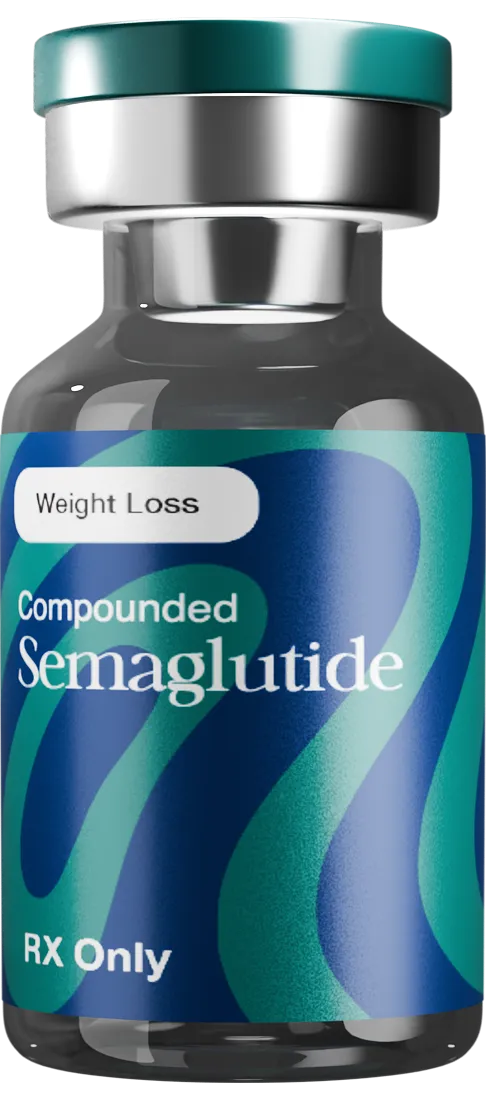
The 2026 additions (Medicare GLP-1 Bridge, NovoCare cash, LillyDirect vial) changed the access picture more in one year than any prior year. For uninsured patients, compounded semaglutide, NovoCare cash, and LillyDirect vials are the three paths that can turn $1,350/month into a reachable cost. See the GLP-1 without insurance page for the detailed pathway comparison.
Avoiding Counterfeit Weight Loss Drugs
- Counterfeit Wegovy and Ozempic pens have been confirmed in the US supply chain since 2023. FDA has issued repeated warnings.
- Only fill prescriptions at a licensed US pharmacy (retail, mail-order, or manufacturer direct). Avoid third-party online marketplaces, social media sellers, and overseas pharmacy sites.
- Check the manufacturer's lot number against the Novo Nordisk or Eli Lilly authentication tools before injecting.
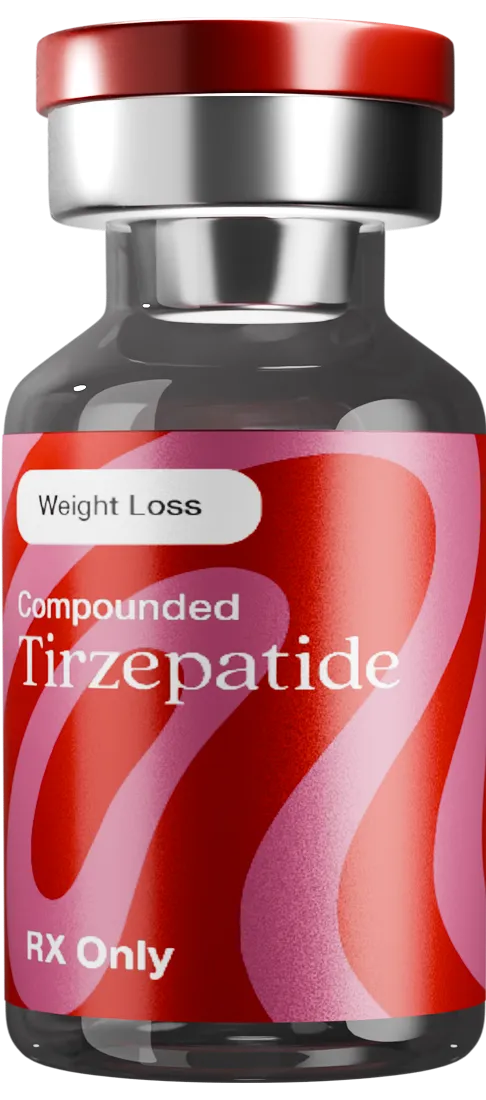
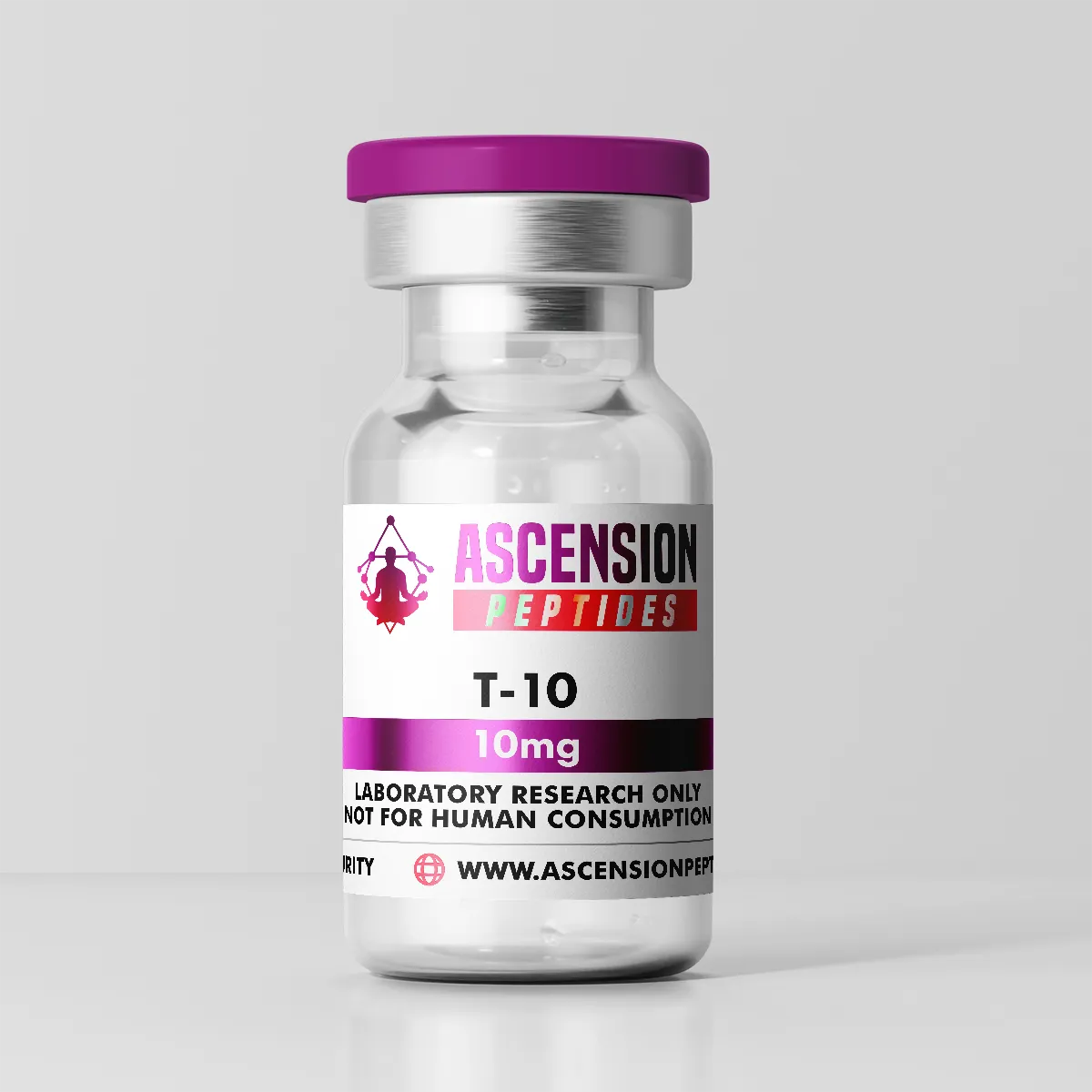
- For compounded semaglutide or tirzepatide, require USP 797 sterile compounding, independent third-party testing, and state board licensure. Avoid anything marketed with lab-only disclaimers or as "salt-form semaglutide."
- If you experience unexpected side effects (severe injection site reaction, atypical dosing effect), stop and report to FDA MedWatch.
How to Get Insurance to Cover Weight Loss Drugs
Most commercial insurance requires prior authorization.
Approval rates for weight loss drugs have climbed dramatically since 2023 but it is still common for the first PA request to be denied. The appeals process wins a meaningful share of initially-denied cases.
Prior Authorization Documentation Checklist
- Current BMI measured in clinic (not self-reported)
- Documented weight-related conditions (type 2 diabetes, hypertension, hyperlipidemia, sleep apnea, cardiovascular disease)
- Documented lifestyle intervention attempts (usually 6 months of diet and exercise)
- Physician notes establishing a clear obesity treatment plan
- For some plans: prior trial of a step-therapy drug (often phentermine or liraglutide before semaglutide)
If the first PA is denied, your physician can submit a letter of medical necessity with clinical trial data, AACE/ACE or Endocrine Society guidelines, and your specific clinical picture. Persistence wins a meaningful share of these cases.
Medicare changed in 2026. The Medicare GLP-1 Bridge Program, launching July 1, 2026, covers all formulations of Foundayo, all formulations of Wegovy, and the Zepbound KwikPen for eligible beneficiaries at roughly $50/month. Medicaid coverage remains state-dependent, with some states covering GLP-1s for obesity and others restricting coverage to type 2 diabetes only.
New Weight Loss Drugs Coming Soon
The pipeline keeps getting stronger.
Retatrutide: Eli Lilly's triple agonist (GLP-1 + GIP + Glucagon). Phase 3 TRIUMPH trials underway. Phase 2 showed 24.2% average weight loss. TRIUMPH-4 reported 28.7% at 68 weeks, the highest weight loss ever recorded from a weight loss drug. Caveat: trial dropout rates ran around 20%, mostly due to GI side effects at the highest doses. Potential FDA approval around 2027-2028.
CagriSema: Novo Nordisk's combination of semaglutide plus cagrilintide (amylin analog). REDEFINE-1 showed 22.7% weight loss at 68 weeks. FDA submission expected late 2026.
Survodutide: Boehringer Ingelheim's GLP-1/glucagon dual agonist. Phase 3 SYNCHRONIZE trials underway. Being developed with a parallel MASH (liver disease) indication.
MariTide (maridebart cafraglutide): Amgen's once-monthly injection combining a GLP-1 agonist with a GIP receptor antagonist. Phase 2 showed about 20% weight loss at 52 weeks. If approved, it would be the first monthly weight loss drug.
Amycretin: Novo Nordisk's GLP-1/amylin dual agonist in Phase 2, with 24.3% weight loss at 36 weeks. Potentially a single-molecule successor to CagriSema.
How to Choose the Right Weight Loss Drug
Start with what you're trying to solve.
If you need 15 to 25% weight loss and can afford the monthly cost, tirzepatide (Zepbound) is the strongest approved option and the best weight loss medication for raw fat reduction. If you want the cardiovascular outcome data, semaglutide (Wegovy) is the pick. If you want GLP-1-class weight loss without needles, Foundayo or oral Wegovy 25 mg is now possible. If cost is the main barrier, compounded semaglutide or generic phentermine are the realistic paths.
If your eating pattern is reward-driven (binges, cravings for specific foods) rather than constant hunger, Contrave may work better than a GLP-1. If you have type 2 diabetes or obstructive sleep apnea, tirzepatide has specific FDA indications that make it the default pick. If you can't take stimulants or GLP-1s, orlistat or Qsymia are the remaining options.
For most people the decision is practical: which one can you access, afford, and sustain long enough to reach your goal weight. A $99/month pill you actually take beats a $1,350/month injection you can't afford past month three.