Retatrutide just demolished Ozempic's record: in Phase 3 trials, it delivered 28.7% average body weight loss at 68 weeks — nearly double the 14.9% Ozempic achieves in the same timeframe.
At-a-Glance Key Takeaways
- Retatrutide is not the same as Ozempic — they are entirely different compounds with different mechanisms.
- Retatrutide hits GLP-1, GIP, and glucagon receptors; Ozempic only hits GLP-1.
- Phase 3 data (TRIUMPH-4, Dec 2025): retatrutide 12mg achieved 28.7% weight loss at 68 weeks.
- Ozempic is FDA-approved and available now; retatrutide is in Phase 3 with approval expected 2027.
- The glucagon component adds fat-burning thermogenesis — not found in Ozempic or tirzepatide.
- Retatrutide shows dramatic liver fat reductions, relevant for people with MASLD.
- Both use weekly subcutaneous injections; GI side effects are similar but slightly higher with retatrutide (see our full Ozempic side effects breakdown).
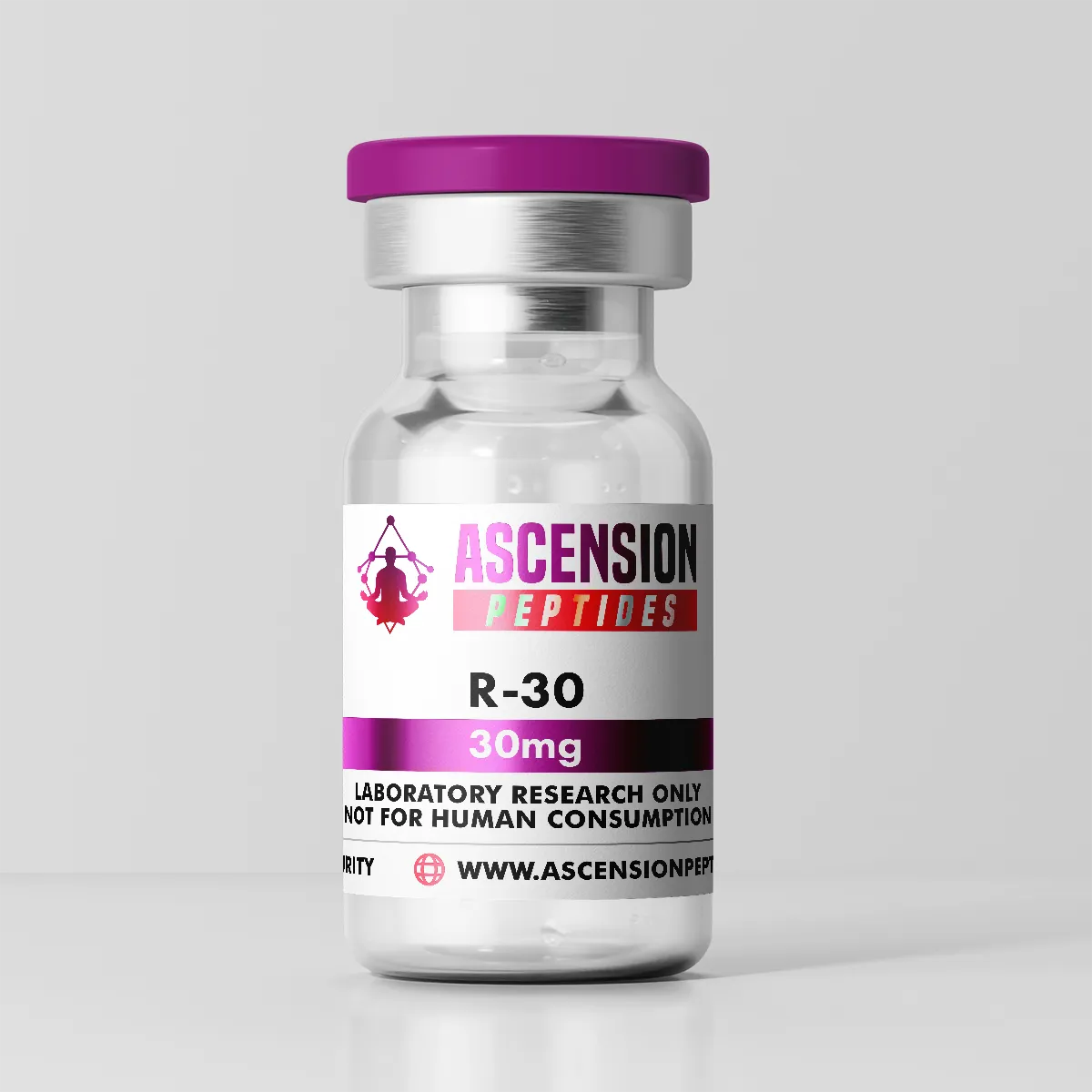
- For researchers: R-30 (retatrutide 30mg) is available from Ascension Peptides.
Ozempic redefined what a weight-loss drug could do. Then tirzepatide raised the bar again. Now retatrutide — Eli Lilly's triple-agonist — has turned both of them into reference points, not benchmarks. This breakdown covers everything you need to know: mechanism, trial data, side effects, dosing, and where these two drugs actually stand in 2026.
Is Retatrutide the Same as Ozempic?
No — and the difference matters. Retatrutide (LY3437943, made by Eli Lilly) and Ozempic (semaglutide, made by Novo Nordisk) share the once-weekly injection format and some GI side effects. That's where the similarity ends.
- Ozempic: contains semaglutide, a GLP-1 receptor agonist — single target.
- Retatrutide: a triple agonist — GLP-1, GIP, and glucagon receptors, all at once.
Adding GIP improves insulin sensitivity and fat metabolism (the same logic behind tirzepatide). Adding glucagon is what separates retatrutide from everything else — it increases energy expenditure and drives hepatic fat oxidation, creating a "burn more AND eat less" effect that single- and dual-agonists can't replicate.
How They Work: Single vs Triple Agonist
Ozempic (Semaglutide): GLP-1 Only
Semaglutide mimics GLP-1, a gut hormone that suppresses appetite at the hypothalamus, slows gastric emptying, and stimulates glucose-dependent insulin release. It's straightforward, well-understood, and works — but it only pulls one lever out of several that control body weight and metabolism.
Retatrutide: GLP-1 + GIP + Glucagon
Retatrutide activates all three simultaneously:
- GLP-1: Appetite suppression, slowed gastric emptying, improved glycemic control — same as Ozempic.
- GIP: Amplifies insulin secretion, improves lipid metabolism, may enhance the appetite-suppressing effects of GLP-1. Tirzepatide already proved GIP+GLP-1 outperforms GLP-1 alone.
- Glucagon: Boosts energy expenditure, promotes fat oxidation in the liver, increases thermogenesis. It's the differentiator — no other approved obesity drug touches this receptor.
Weight Loss Results: The Data Side by Side
Ozempic / Wegovy (Semaglutide)
- STEP 1 trial: 14.9% average weight loss at 68 weeks (Wegovy 2.4mg vs placebo)
- ~50–60% of patients achieved ≥15% weight loss
- SELECT trial (2023): demonstrated 20% reduction in major adverse cardiovascular events — a landmark finding for an obesity drug
- Half-life: ~7 days; steady state in ~4–5 weeks
Retatrutide
- Phase 2 (NEJM, 2023): 24.2% average weight loss at 48 weeks (12mg); 100% of participants lost ≥5%, 83% lost ≥15%
- Phase 3 TRIUMPH-4 (December 2025): 28.7% average weight loss at 68 weeks (12mg) — ~71 lbs average for participants at the highest dose
- Women in Phase 2: 28.5% average loss; men: 21.2%
- 83% of patients on 12mg achieved ≥15% weight loss
- Phase 2a (Nature Medicine, 2024): significant reductions in liver fat, with particular benefit for MASLD (metabolic dysfunction-associated steatotic liver disease)
- Phase 3 cardiovascular markers: improved lipids, blood pressure, and hsCRP — outcome trial data pending
Retatrutide vs Ozempic: Full Comparison
| Feature | Retatrutide | Ozempic (Semaglutide) |
|---|---|---|
| Manufacturer | Eli Lilly | Novo Nordisk |
| Mechanism | Triple agonist (GLP-1 + GIP + Glucagon) | Single agonist (GLP-1 only) |
| Phase 3 Weight Loss | ~28.7% at 68 weeks (TRIUMPH-4, 12mg) | ~14.9% at 68 weeks (STEP 1, 2.4mg) |
| Phase 2 Weight Loss | ~24.2% at 48 weeks (12mg) | N/A — already approved |
| Avg Pounds Lost | ~71 lbs (Phase 3, 12mg) | ~34 lbs (Wegovy 2.4mg) |
| Half-Life | ~6 days | ~7 days |
| Dosing Range | 2mg → 12mg/week (subcutaneous) | 0.25mg → 2.4mg/week (subcutaneous) |
| Injection Frequency | Once weekly | Once weekly |
| Liver Fat Reduction | Significant (MASLD trial data, Nature Medicine 2024) | Moderate |
| CV Outcome Data | Improved markers (Phase 3); outcome trial pending | Proven — SELECT trial: 20% MACE reduction |
| Lean Mass Preservation | Better (glucagon component may help preserve muscle) | Standard for GLP-1 class |
| Side Effects | Nausea, diarrhea, vomiting (slightly higher incidence) | Nausea, diarrhea, constipation (well-characterized) |
| Discontinuation Rate | ~12–18% (dose-dependent, Phase 3) | ~7% (STEP trials) |
| FDA Status | Phase 3 (TRIUMPH program); expected approval 2027 | Approved — diabetes 2017, weight loss (Wegovy) 2021 |
| Available Now? | Compounded only (research use) | Yes — by prescription |
| Estimated Cost | TBD (not yet priced for retail) | ~$900–$1,300/month (retail, before insurance) |
| Same drug? | ❌ No — completely different compounds, different companies | |
Side Effects and Safety Profile

Shared GI Side Effects
Both drugs slow gastric emptying, which causes similar GI effects — especially early in treatment:
- Nausea — most common, typically peaks in the first 4–8 weeks
- Diarrhea — usually mild and transient
- Vomiting — dose-related; tends to improve with slower titration
- Constipation — more common with semaglutide
Ozempic Safety Profile
Semaglutide has one of the most documented safety records of any obesity drug. FDA-approved since 2017, it has real-world data from millions of patients. The SELECT trial additionally confirmed cardiovascular benefit — a 20% reduction in MACE (major adverse cardiovascular events) in people with obesity and pre-existing CVD. Discontinuation due to side effects runs ~7% in trials.
Retatrutide-Specific Considerations
- Slightly higher GI side-effect rates than semaglutide, driven by the glucagon component
- Some participants report a mild heart rate increase — glucagon receptor effect
- Discontinuation rates in Phase 3 ran 12–18%, higher than Ozempic's ~7%
- Long-term cardiovascular outcomes trial is ongoing — no proven MACE reduction yet
- The glucagon component may help preserve lean muscle during rapid weight loss — still being quantified
Dosing and Administration
Both drugs use once-weekly subcutaneous injections with slow titration to minimize side effects.
See the full retatrutide dosing schedule guide for protocol details.
Retatrutide and Liver Fat (MASLD)
One area where retatrutide clearly outperforms Ozempic is metabolic dysfunction-associated steatotic liver disease (MASLD, formerly NAFLD). A Phase 2a trial published in Nature Medicine (Sanyal et al., 2024) found significant reductions in liver fat content with retatrutide treatment — driven by the glucagon receptor's role in hepatic fat oxidation. Previous data from the Phase 2 obesity trial showed reductions in liver fat up to 82% in some participants.
Semaglutide has modest liver fat benefits, but the glucagon receptor pathway gives retatrutide a structural advantage here that's hard to replicate with GLP-1 alone.
Availability in 2026
Ozempic: Available Now
- FDA-approved for type 2 diabetes (Ozempic, 2017) and obesity (Wegovy, 2021)
- Covered by many insurance plans for diabetes management
- Widely available through healthcare providers and telehealth
- Compounded semaglutide has been available but FDA has tightened regulations on compounding
Retatrutide: Still in Trials
- Phase 3 TRIUMPH program ongoing — TRIUMPH-4 results released December 2025
- FDA approval expected 2027 at the earliest
- Available as compounded retatrutide for research purposes from licensed compounding pharmacies and research suppliers
- Developed by Eli Lilly — the same company behind Mounjaro/tirzepatide (Zepbound)
Which Should You Choose?
Choose Ozempic if:
- You need an FDA-approved, available treatment today
- You have type 2 diabetes and need proven glycemic management
- Cardiovascular protection matters and you want the proven SELECT trial backing
- Insurance coverage is a requirement
- You prefer a medication with years of real-world data behind it
Consider retatrutide if:
- You want maximum weight loss potential — the Phase 3 numbers are genuinely unprecedented
- You have MASLD or significant liver fat and want the glucagon-driven hepatic benefit
- Previous GLP-1 treatments gave underwhelming results
- You're comfortable with a research-use compound while Phase 3 data matures
- Lean mass preservation during rapid weight loss is a priority
Before committing to either compound, it's worth reviewing the Ozempic side effects profile in detail — the two differ meaningfully in GI burden, tolerability, and long-term safety data.