Most peptide side effects are predictable, category-specific, and manageable — the key is knowing what to expect before your first injection.
⚡ At-a-Glance Key Takeaways
- Injection site reactions happen with every injectable peptide — rotate sites to minimize them
- GLP-1 peptides (semaglutide, tirzepatide, retatrutide) cause nausea in most users — slow titration is the fix
- GH peptides (sermorelin, ipamorelin, CJC-1295) commonly cause water retention and tingling in the hands
- Healing peptides (BPC-157, TB-500) have some of the mildest side effect profiles in research
- Nootropic peptides (selank, semax) are very well tolerated — nasal irritation is the main complaint
- Severe symptoms (chest pain, difficulty breathing, priapism) require immediate medical attention
Peptide side effects differ dramatically by compound class. A GH secretagogue behaves nothing like a GLP-1 agonist, which behaves nothing like a healing peptide. This guide breaks down exactly what to expect from each category, how to reduce discomfort, and which warning signs demand you stop immediately. Use the section links to jump straight to your peptide type.
Is Peptide Therapy Safe?
The short answer: it depends entirely on which peptide, where you get it, and how you use it. FDA-approved peptides like semaglutide and tirzepatide have multi-year clinical trial data behind them — their safety profiles are well-documented and predictable. That is a very different situation than using unregulated peptides sourced online without medical oversight.
The honest risk breakdown:
- FDA-approved peptides (semaglutide, tirzepatide): Well-characterized side effect profiles. GI effects are common but manageable. Serious events are rare and documented.
- Clinic-dispensed peptides (sermorelin, ipamorelin, BPC-157): Side effects are generally mild and predictable at standard doses. Quality depends on compounding pharmacy standards.
- Self-sourced peptides: The peptide itself may be safe at the right dose — but contamination, degradation, mislabeling, and dosing errors introduce real risks that have nothing to do with the compound's pharmacology.
Most of the genuinely dangerous outcomes from peptides come from one of three places: contaminated product, reckless dosing, or ignoring warning signs that should have prompted medical attention. The peptide side effects in this guide are pharmacological — the predictable consequences of what each compound does in the body. Contamination effects are separate and unpredictable.
Universal Side Effects: What Every Injectable Peptide Can Cause
Before getting compound-specific, there are side effects that can show up with any injectable — regardless of what the peptide actually does in the body. These are injection technique problems, not pharmacological ones.
Injection Site Reactions
Redness, mild swelling, and brief tenderness are normal and expected. A small welt that resolves within an hour is nothing to worry about. What you want to avoid:
- Persistent warmth or growing redness — possible early infection
- Bruising — you clipped a small vessel; not dangerous, but rotate away from that spot
- Itching that spreads — could indicate a mild allergic reaction to the peptide or a solvent
- Hard lump persisting >48h — poor injection depth or tissue irritation
Fix: Rotate sites systematically, let cold peptide solutions reach room temperature before injecting, inject slowly, use the shortest appropriate needle length for subcutaneous administration.
Contamination-Related Reactions
Unpleasant reactions are often not from the peptide itself — they're from impurities in under-regulated research-grade compounds, bacterial contamination, or improperly stored solutions. Fever, spreading redness, or pus at an injection site mean infection, not peptide side effect. That needs immediate medical evaluation.
GLP-1 Peptides: Semaglutide, Tirzepatide & Retatrutide Side Effects
GLP-1 receptor agonists have the most extensively documented side effect profiles of any peptide class — clinical trial data from tens of thousands of participants exists for semaglutide and tirzepatide. The pattern is consistent: GI effects dominate early, tend to improve over 4–8 weeks, and are strongly dose-dependent.
Gastrointestinal Effects (The Big Four)
Retatrutide-Specific Notes
Retatrutide targets GLP-1, GIP, and glucagon receptors simultaneously — a triple agonist. Early phase 2 data shows higher rates of GI side effects compared to semaglutide alone, along with more pronounced heart rate elevation (average +5–6 bpm in some trials). Titration caution is even more important here. See our dedicated retatrutide side effects guide for full compound-specific data.
Other GLP-1 Side Effects to Know
- Appetite suppression becoming excessive: Difficulty eating enough protein is common on aggressive GLP-1 protocols — track intake
- Gallstone risk: Rapid weight loss increases bile saturation — longer-term concern for high-dose users
- Pancreatitis (rare, serious): Severe abdominal pain radiating to the back is a stop-and-seek-help situation immediately
- Hair loss (telogen effluvium): Related to rapid caloric restriction, not the peptide directly — adequate protein prevents most of it
GH Peptides: Sermorelin, Ipamorelin & CJC-1295 Side Effects
Growth hormone secretagogues work by signaling the pituitary to release GH. The side effects are almost entirely downstream of elevated GH and IGF-1 — not from the peptides' direct pharmacology. That means many effects diminish as the body adjusts over 2–4 weeks.
Water Retention
The most commonly reported early complaint. GH promotes sodium and water retention through kidney effects, producing:
- Puffiness in hands, feet, and face
- Tight rings or shoes in the morning
- Scale weight gain of 2–5 lbs in week 1–2 (mostly water, not fat)
Reduce sodium intake and increase water consumption — counterintuitively, drinking more helps flush retained fluid. Most users see this improve significantly after the 3–4 week mark. Check our detailed sermorelin side effects guide for compound-specific data.
Numbness and Tingling (Paresthesia / Carpal Tunnel)
Tingling in the hands — sometimes described as a "buzzing" or pins-and-needles sensation — is one of the most consistent GH peptide side effects. The mechanism: fluid retention compresses the median nerve as it passes through the carpal tunnel.
For ipamorelin specifically, paresthesia is less common than with GHRP-2 or GHRP-6 due to its more selective GH release profile.
Headaches
Common in the first week, usually related to fluid shifts and mild changes in intracranial pressure. Rarely persists beyond 2 weeks at stable dosing. Hydration and starting at lower doses (e.g., 100mcg ipamorelin before moving to 200mcg) significantly reduces frequency.
Appetite Stimulation (GHRP-6 Specific)
GHRP-6 activates ghrelin receptors — the "hunger hormone" receptor — producing intense hunger 20–30 minutes post-injection. Ipamorelin and CJC-1295 do not have this property, which is a major reason most protocols favor them when appetite stimulation isn't desired.
Blood Sugar Effects
Elevated GH acutely raises blood glucose. Users with pre-diabetes or metabolic syndrome should monitor fasting glucose during GH peptide protocols. MK-677 (ibutamoren), while technically not a peptide, has shown reduced insulin sensitivity at higher doses in clinical studies.
Healing Peptides: BPC-157 and TB-500 Side Effects
BPC-157 and TB-500 are two of the most discussed healing peptides in research circles — and they happen to have two of the most favorable safety profiles. Animal studies on BPC-157 have not established an LD50 (lethal dose) even at extreme doses, which gives some reassurance about its safety window.
BPC-157 Reported Side Effects
- Nausea: Occasionally at higher doses or with oral administration
- Dizziness: Mild and brief, more common in users who inject while standing
- Fatigue: Some users feel tired during early use — possibly related to active healing and tissue remodeling processes
- Headache: Infrequently reported
- Injection site reactions: Standard minor local effects
For full dosing and timing guidance, see our BPC-157 dosage guide.
TB-500 Reported Side Effects
- Flu-like symptoms: Mild malaise in the first 1–2 days, possibly related to immune modulation
- Fatigue: Reported by a minority of users during loading phases
- Head rush: Brief lightheadedness immediately post-injection — inject sitting or lying down
- Headache: Occasional, mild
Theoretical Cancer Concern
Both BPC-157 and TB-500 promote tissue repair through growth factor pathways. The theoretical concern: could pro-growth activity feed undetected tumors? There is no evidence of this in animal studies, and no confirmed cases in human use. That said, individuals with active malignancy or high cancer risk are advised to avoid growth-promoting peptides as a precaution.
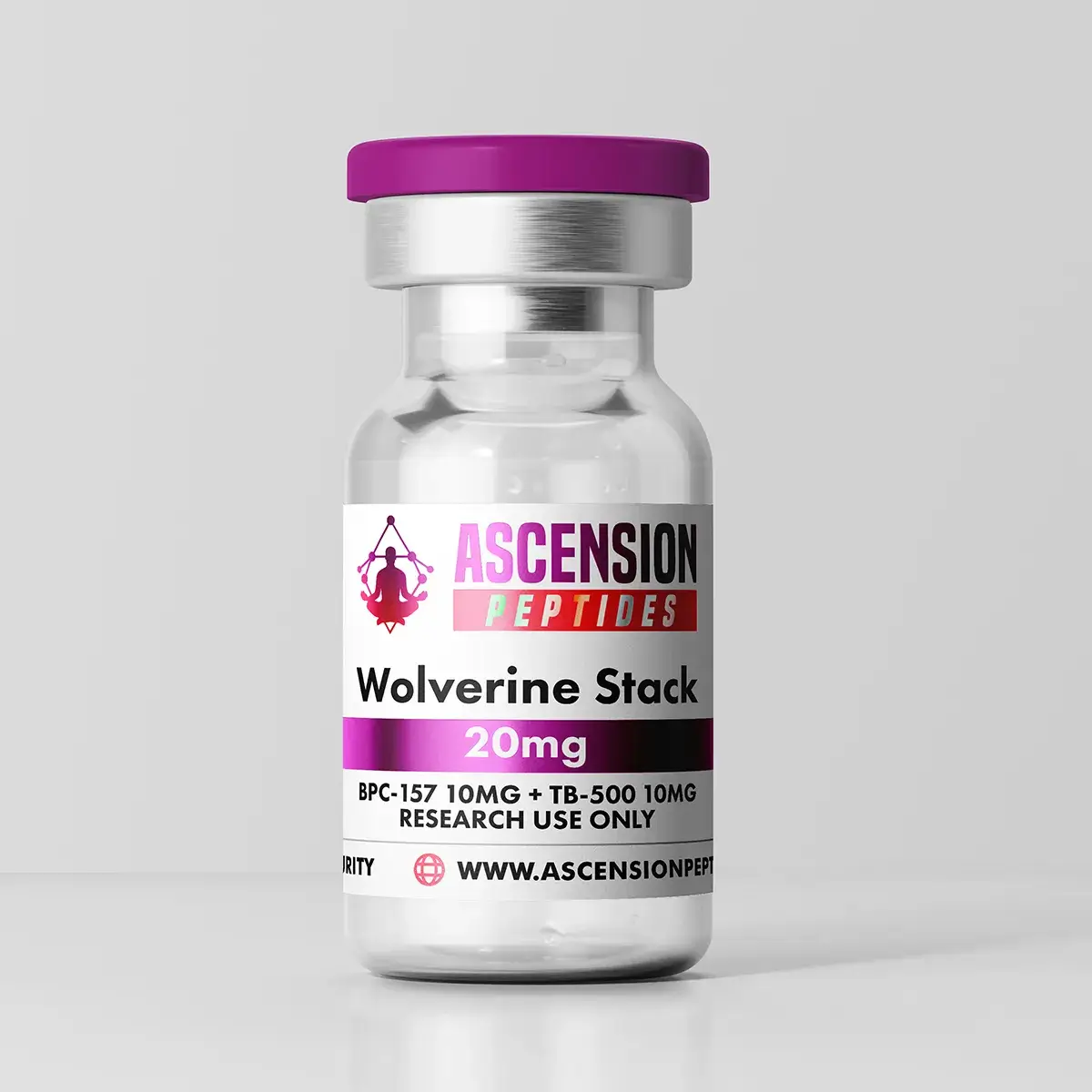
Wolverine Stack — BPC-157 + TB-500
Research-grade BPC-157 and TB-500 paired for comprehensive tissue repair investigation. Two of the most studied healing peptides with minimal side effect profiles.
View Wolverine Stack →Nootropic Peptides: Selank and Semax Side Effects
Cognitive-targeting peptides like selank and semax are administered intranasally in most protocols, giving them a different side effect profile than injectable peptides. Overall tolerance is excellent — these are among the most well-tolerated peptides in clinical and anecdotal data.
Selank Side Effects
Selank has Russian clinical trial data supporting its use for anxiety — its side effect profile in those studies was comparable to placebo. In practice:
- Nasal irritation or mild burning: The primary complaint, common to all intranasal peptides
- Fatigue or sedation: Some users find it mildly calming to the point of drowsiness — time dosing accordingly
- Headache: Infrequent, usually dose-related
Semax Side Effects
- Nasal irritation: More common than with selank due to concentration
- Increased anxiety (paradoxical): A subset of users — particularly those already prone to anxiety — find semax stimulating in an unpleasant way. Start low (100mcg) and assess response
- Headache: Mild, occasional
- Hair loss: Anecdotally reported in online communities — the mechanism is unclear and no clinical evidence confirms a real association
PT-141 (Bremelanotide) Side Effects
PT-141 is a melanocortin receptor agonist used for sexual dysfunction. It acts on MC3 and MC4 receptors in the brain rather than the vascular system (unlike PDE5 inhibitors). Its side effect profile is distinct from other peptides and worth knowing about specifically.
For dosing details, see our PT-141 dosage guide.
Tanning Peptides: Melanotan II Side Effects
Melanotan II stimulates melanocortin receptors to increase melanin production — producing a tan without UV exposure. It is one of the more side-effect-heavy peptides due to how broadly it hits melanocortin receptors (MC1 through MC5).
Metabolic Peptides: MOTS-c and AOD-9604 Side Effects
Metabolic peptides target energy regulation and fat metabolism through different mechanisms. Their side effect profiles tend to be milder than GLP-1s or GH peptides, but each has specific considerations.
MOTS-c Side Effects
MOTS-c is a mitochondria-derived peptide that activates AMPK. Its side effect profile is generally favorable, with one notable issue that many guides miss: histamine-related flushing.
- Injection-site flushing/redness: Common — appears to be a mast cell activation response, not a classic allergic reaction. Inject slowly and start at 5mg to minimize.
- Mild fatigue: Occasionally reported post-injection, especially at higher doses.
- Headache: Uncommon, usually hydration-related.
- Anti-anabolic effect at high doses: Strong AMPK activation can suppress mTOR, working against muscle-building goals. Keep doses moderate (5–7.5mg) if combining with anabolic protocols.
Full breakdown in our MOTS-c peptide guide and MOTS-c side effects guide.
AOD-9604 Side Effects
AOD-9604 is a modified fragment of human growth hormone (amino acids 177–191) designed to retain fat-loss properties without GH's growth-promoting effects. Side effects are minimal:
- Injection site reactions: Standard mild redness and irritation.
- Headache: Occasionally reported, usually mild.
- Mild GI discomfort: Rare, more common with oral formulations.
- Water retention: Much less than full GH peptides, but occasionally noted.
AOD-9604 was specifically designed to avoid the blood sugar elevation and growth-promoting concerns of full GH peptides — making it one of the better-tolerated options in the fat-loss peptide category.
Contraindications: Who Should Not Use Peptides
Not every peptide is appropriate for every person. Some conditions create genuine safety concerns regardless of dose or sourcing quality.
Absolute Contraindications (Do Not Use)
Relative Contraindications (Use With Caution)
- Pre-diabetes or metabolic syndrome: GH peptides can raise blood sugar — monitor fasting glucose closely.
- History of atypical moles or melanoma family history: Melanotan II and PT-141 stimulate melanocytes — dermatology monitoring is essential.
- Autoimmune conditions: Immune-modulating peptides (thymosin alpha-1, TB-500) may unpredictably shift immune responses.
- Kidney or liver impairment: Clearance of peptides and metabolites may be altered — dose adjustment and monitoring needed.
- Under 25 years old: GH peptides can affect bone growth plates if not fully fused. No compelling reason to use GH secretagogues before natural GH production has fully matured.
Monitoring and Bloodwork: What to Check
Running peptides without baseline bloodwork is guessing. Running them without follow-up bloodwork is guessing in the dark. Here is what actually matters for each category.
How to Minimize Peptide Side Effects
1. Start Low, Escalate Slowly
Most side effects are dose-dependent and most severe at initiation. Begin at half to two-thirds of a standard dose for the first 1–2 weeks. Give your body time to adapt before increasing.
2. Injection Site Rotation
Don't use the same spot twice in a row. Map out 4–6 sites around the abdomen, outer thigh, or delts and cycle through them. This reduces cumulative irritation, prevents lipodystrophy (tissue changes at overused sites), and gives each spot time to heal.
3. Timing Optimization
4. Hydration and Electrolytes
Low-grade dehydration amplifies headaches, worsens GI effects, and makes water retention paradoxically worse. 2–3L of water daily is a baseline for anyone on any peptide protocol. Electrolytes (especially sodium and potassium) matter for fluid balance on GH peptides.
5. Quality Sourcing
A significant portion of "peptide side effects" reported online are actually impurity reactions — not the peptide itself. Third-party tested, research-grade peptides from reputable sources produce fewer non-specific reactions. Lyophilized peptides stored properly (frozen, dark) maintain purity; degraded solutions in warm conditions cause more irritation.