One of the most common questions in peptide research circles is whether you can cycle different peptides — rotating compounds based on your goals, tolerance concerns, or recovery needs. The short answer is yes, and in many cases it's the smarter approach. The longer answer requires understanding how individual peptides behave, why receptor sensitivity matters, and how to sequence compounds without undermining your results.
This guide covers everything you need to know about cycling different peptides: which compounds require structured breaks, which can run continuously, how to plan transitions between peptides, and how to build a rotation protocol that serves changing research goals throughout the year.
Yes. Peptide rotation — switching between compounds based on goals and cycle timing — is a well-established research practice. Growth hormone secretagogues like Ipamorelin and CJC-1295 benefit most from structured on/off cycles. Recovery peptides like BPC-157 and TB-500 are often used in shorter acute phases. Rotating intelligently prevents receptor desensitization, manages costs, and aligns peptide use with evolving goals.
Why Cycle Peptides at All?
Before exploring how to cycle different peptides, it's worth understanding why cycling matters in the first place. Three primary reasons drive the logic behind peptide rotation in research contexts:
1. Receptor Desensitization
Many peptides work by binding to specific receptors and triggering a downstream hormonal or cellular response. When a receptor is chronically stimulated, it can downregulate — meaning the cell reduces the number of available receptors or their sensitivity to the signal. Growth hormone releasing peptides (GHRPs) and growth hormone releasing hormones (GHRHs) are especially prone to this. Running Ipamorelin or Sermorelin continuously for months without a break can blunt the GH pulse response over time.
2. Changing Research Goals
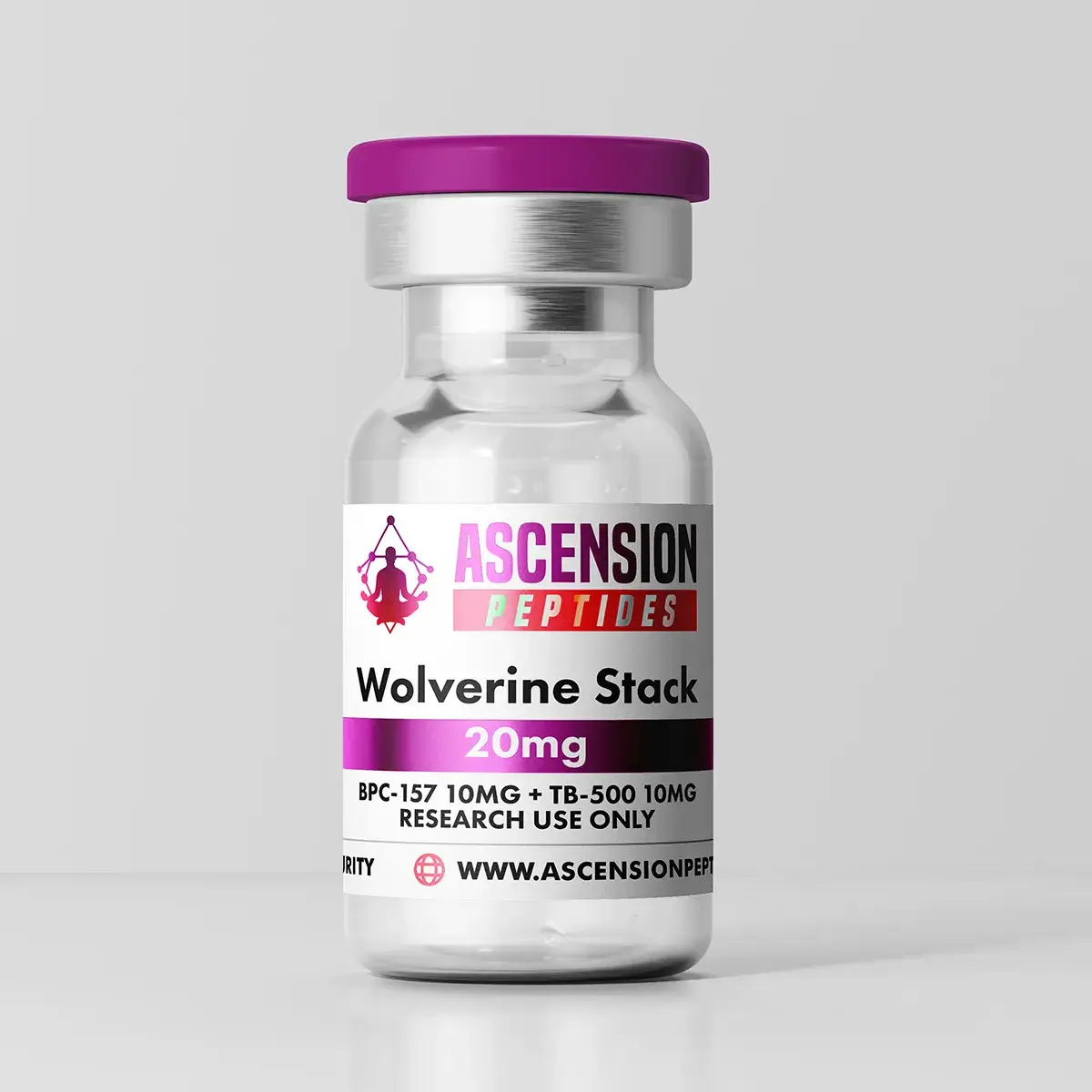
Peptide selection should follow the goal. Someone focused on injury recovery has different needs than someone optimizing body composition or sleep quality. Cycling allows researchers to sequence compounds strategically — running a recovery-focused phase with BPC-157 and TB-500, then transitioning into a GH optimization phase with CJC-1295 and Ipamorelin.
3. Systemic Rest and Hormonal Baseline Preservation
Some peptides influence hormone axes significantly — particularly those affecting growth hormone, IGF-1, or melanocortin pathways. Allowing periodic off-phases helps the body's endogenous systems recalibrate, which is especially relevant in longer-term research protocols.
Which Peptides Need Cycling Most?
Not all peptides carry the same tolerance risk. Here's how to categorize common research peptides by their cycling requirements:
- High cycling need: GH secretagogues (Ipamorelin, CJC-1295, Sermorelin, MK-677), PT-141
- Moderate cycling need: Epithalon, Selank, Semax
- Lower cycling need (goal-dependent): BPC-157, TB-500, GHK-Cu
- Typically short acute use: Retatrutide, Semaglutide (clinic-directed)
Growth Hormone Secretagogues
Peptides like Ipamorelin, CJC-1295, Sermorelin, and MK-677 stimulate the pituitary to release growth hormone. Chronic use without breaks risks blunting the GH pulse amplitude over time. The standard research framework is an 8–12 week on / 4 week off cycle. Some protocols extend to 16 weeks on with a 4–6 week break.
Recovery Peptides (BPC-157 and TB-500)
BPC-157 and TB-500 don't act on the GH axis and have no well-documented receptor desensitization mechanism. However, most research protocols still use them in defined phases — typically 4–8 weeks for acute injury recovery — followed by a break or maintenance dosing. This is practical rather than strictly necessary for tolerance management.
Nootropic Peptides (Selank, Semax)
Selank and Semax influence BDNF, serotonin, and dopaminergic pathways. Continuous daily use over extended periods is less studied, and most protocols run 2–4 week cycles with breaks of similar length to avoid habituation and maintain neurological responsiveness.
Longevity Peptides (Epithalon, GHK-Cu)
Epithalon is typically used in defined research cycles of 10–20 days, repeated 1–2 times per year. GHK-Cu, often used topically or via injection for tissue repair, is generally run in shorter phases aligned with specific goals rather than continuous use.
How to Cycle Different Peptides Together
Cycling between different peptides — running compound A, then transitioning to compound B — requires planning so your off-phase from one peptide becomes the active phase of another. This is where intelligent rotation adds real value.
The Sequential Rotation Model
The simplest approach. Run one peptide (or stack) for a defined cycle, then transition to a different compound targeting a different mechanism or goal. Example:
- Weeks 1–8: BPC-157 + TB-500 (injury recovery focus)
- Weeks 9–12: Off or bridge with GHK-Cu
- Weeks 13–24: CJC-1295 + Ipamorelin (GH optimization focus)
- Weeks 25–28: Off or switch to Epithalon
The Parallel Stack with Rolling Off-Phases
More advanced. Run two compounds simultaneously but offset their cycle timing so they don't both go "off" at the same time. This maintains continuous activity while each compound gets its required rest period.
The Goal-Phased Annual Protocol
Plan the full year in advance around research priorities:
- Q1 (Jan–Mar): GH optimization phase — CJC-1295 + Ipamorelin stack
- Q2 (Apr–May): Off GH peptides, acute Epithalon cycle + Selank for cognitive focus
- Q3 (Jun–Aug): Body composition/recovery phase — BPC-157 or TB-500 as needed, reintroduce GH stack
- Q4 (Sep–Dec): Off GH peptides again, optional PT-141 or GHK-Cu phase
Stacking Peptides Within a Cycle

Cycling different peptides doesn't mean running only one at a time. Within a single phase, stacking two or more compounds with complementary mechanisms is common in research protocols. Key stacking principles:
Combine Complementary Mechanisms
Pairing a GHRH-analog like CJC-1295 with a GHRP like Ipamorelin is the classic example. CJC-1295 amplifies the GH pulse amplitude while Ipamorelin triggers the pulse — they work synergistically. Similarly, BPC-157 and TB-500 have complementary tissue repair mechanisms that make them a popular recovery stack.
Avoid Overlapping Mechanisms That Could Cause Excess
Running multiple GH-releasing compounds simultaneously (e.g., Ipamorelin + Sermorelin + MK-677 all at once) creates redundant GH axis stimulation. This doesn't typically provide additive benefit and increases the risk of side effects like water retention, elevated IGF-1, and joint discomfort.
Consider Timing Within the Day
Some peptides are dosed pre-sleep (GH secretagogues to mimic natural nocturnal GH pulses), others pre-workout, others in the morning. A well-designed stack accounts for timing to maximize each compound's effectiveness without interference.
Transitioning Between Cycles: What to Expect
When you conclude a peptide cycle and begin a new one, the transition period matters. Here's what research protocols typically account for:
Off-Phase Duration
The standard recommendation is an off-phase roughly equal to 25–50% of the on-phase duration. An 8-week cycle typically calls for a 2–4 week break before beginning a new cycle with the same compound — or you can fill that gap with a different compound targeting a distinct pathway.
GH Axis Recovery
After a GH secretagogue cycle, endogenous GH pulsatility typically normalizes within 2–4 weeks off. IGF-1 levels may take slightly longer to return to baseline. This is why most researchers avoid immediately stacking another GH-stimulating compound at the start of a new cycle without an adequate break.
Tracking and Documentation
Serious peptide research protocols involve tracking subjective and objective markers throughout each cycle and into the off-phase. This helps identify whether effects are maintained after cessation, when baseline is restored, and how quickly benefits emerge at the start of a new cycle.
Common Cycling Mistakes to Avoid
- Running GH peptides indefinitely: Skipping the off-phase is the most common error. Even if results feel good, receptor sensitivity erodes over time without breaks.
- Switching peptides too frequently: Changing compounds every 2–3 weeks before giving them adequate time to demonstrate effects defeats the purpose of a structured protocol.
- Stacking too many compounds at once: More peptides doesn't mean more results. A focused two-compound stack typically outperforms a chaotic five-compound approach in research outcomes and interpretability.
- Ignoring reconstitution and storage protocols: Switching peptides requires proper handling of each new compound. Improper storage degrades potency before the cycle even begins.
- Not accounting for half-life differences: Some peptides (like CJC-1295 with DAC) have week-long half-lives. Others (like standard GHRP peptides) require multiple daily doses. Failing to account for this in a rotation schedule undermines the protocol.
Frequently Asked Questions
Where to Source Peptides for Research
For any peptide cycling protocol to work as intended, compound quality and purity are non-negotiable. Research peptides should always be sourced from vendors who provide third-party Certificates of Analysis (COAs) confirming purity of 98% or higher, with documented mass spectrometry and HPLC testing. Ascension Peptides is a commonly cited option among researchers for meeting these standards. Look for US-based suppliers with transparent testing documentation, clear storage and handling instructions, and consistent batch-level COA availability for every compound in your cycling protocol.
For further reading on specific compounds referenced in this guide, explore the individual compound pages for BPC-157, TB-500, Ipamorelin, CJC-1295, Sermorelin, MK-677, Epithalon, Selank, Semax, and GHK-Cu.