Fibromyalgia affects an estimated 4 million adults in the United States, producing widespread musculoskeletal pain, debilitating fatigue, cognitive fog, and sleep disturbances that conventional medicine struggles to fully address. As researchers continue exploring novel mechanisms behind this condition, peptide therapy has emerged as one of the more promising investigational avenues — particularly for individuals who have found limited relief through standard pharmacological approaches.
This guide breaks down the peptides most studied in the context of fibromyalgia, what the current research suggests, and what to realistically expect from each compound. All compounds discussed here are research peptides, not FDA-approved treatments for fibromyalgia.
- BPC-157 — Systemic anti-inflammatory, gut-nerve axis support, pain modulation
- TB-500 — Tissue repair, central sensitization, anti-inflammatory signaling
- Selank — Anxiety reduction, sleep quality, neuroinflammation modulation
- Semax — Cognitive fog, neurotrophic support, mood stabilization
- GHK-Cu — Tissue inflammation, oxidative stress, nerve repair signaling
- Epithalon — Sleep cycle normalization, anti-aging, neuroendocrine support
- Ipamorelin / CJC-1295 — Growth hormone secretion, sleep depth, recovery
Why Fibromyalgia Is So Difficult to Treat
Fibromyalgia is fundamentally a disorder of central sensitization — the central nervous system becomes amplified in its pain processing, interpreting normal stimuli as painful. Unlike osteoarthritis or injury-related pain, there is no single tissue to repair. Instead, the problem lies in dysregulated pain signaling, neuroinflammation, disrupted sleep architecture, and in many cases, an overactivated sympathetic nervous system.
Research has increasingly pointed to the endogenous opioid system as a critical player. Studies have found that individuals with fibromyalgia show significantly reduced mu-opioid receptor availability in key pain-processing regions of the brain, which may explain why standard opioid medications often fail to provide meaningful relief and why the condition is so resistant to conventional analgesics.
This mechanistic complexity is precisely why peptide researchers are interested in compounds that work across multiple pathways simultaneously — modulating inflammation, supporting tissue healing, improving sleep quality, and influencing neurotransmitter balance all at once.
BPC-157: The Most Researched Peptide for Chronic Pain
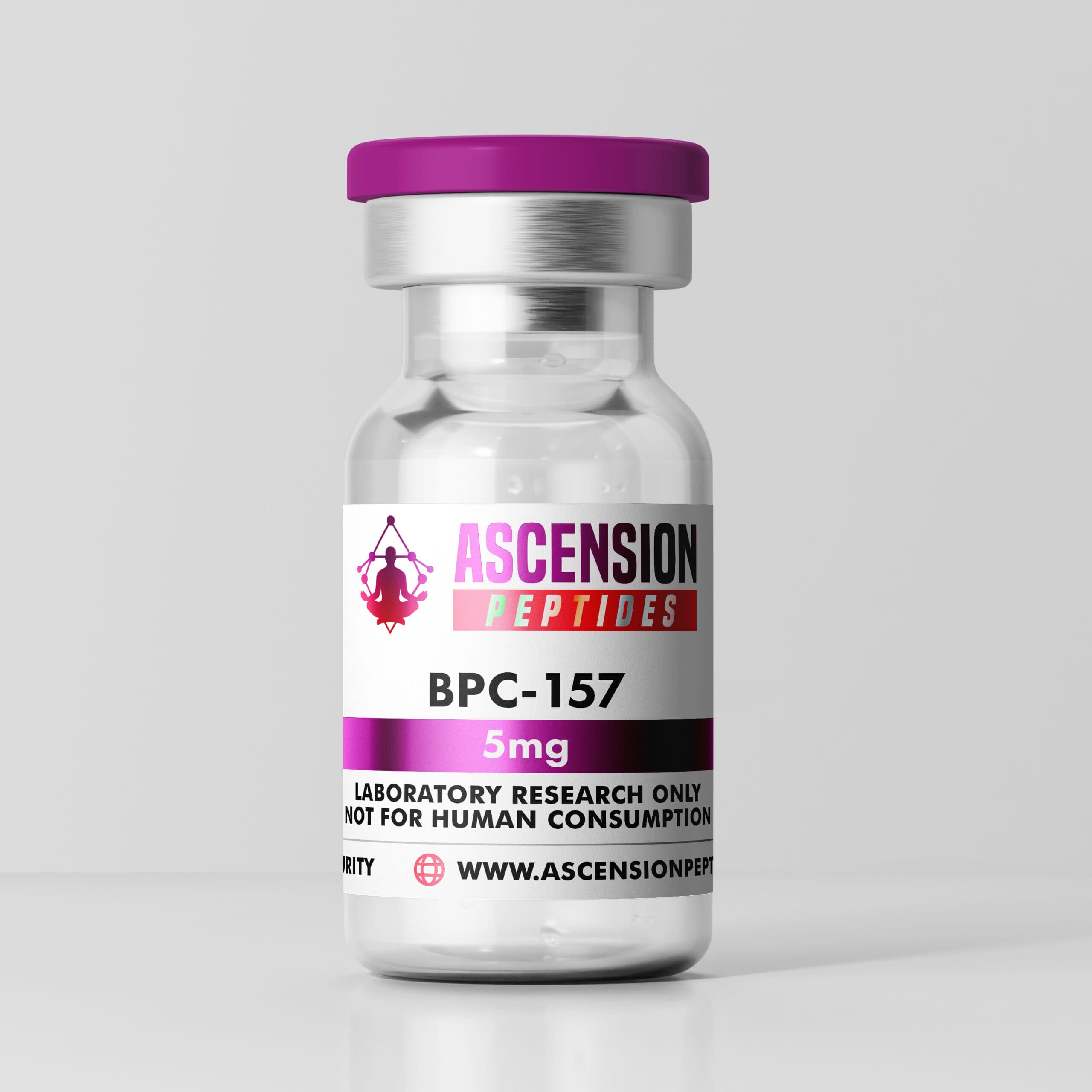
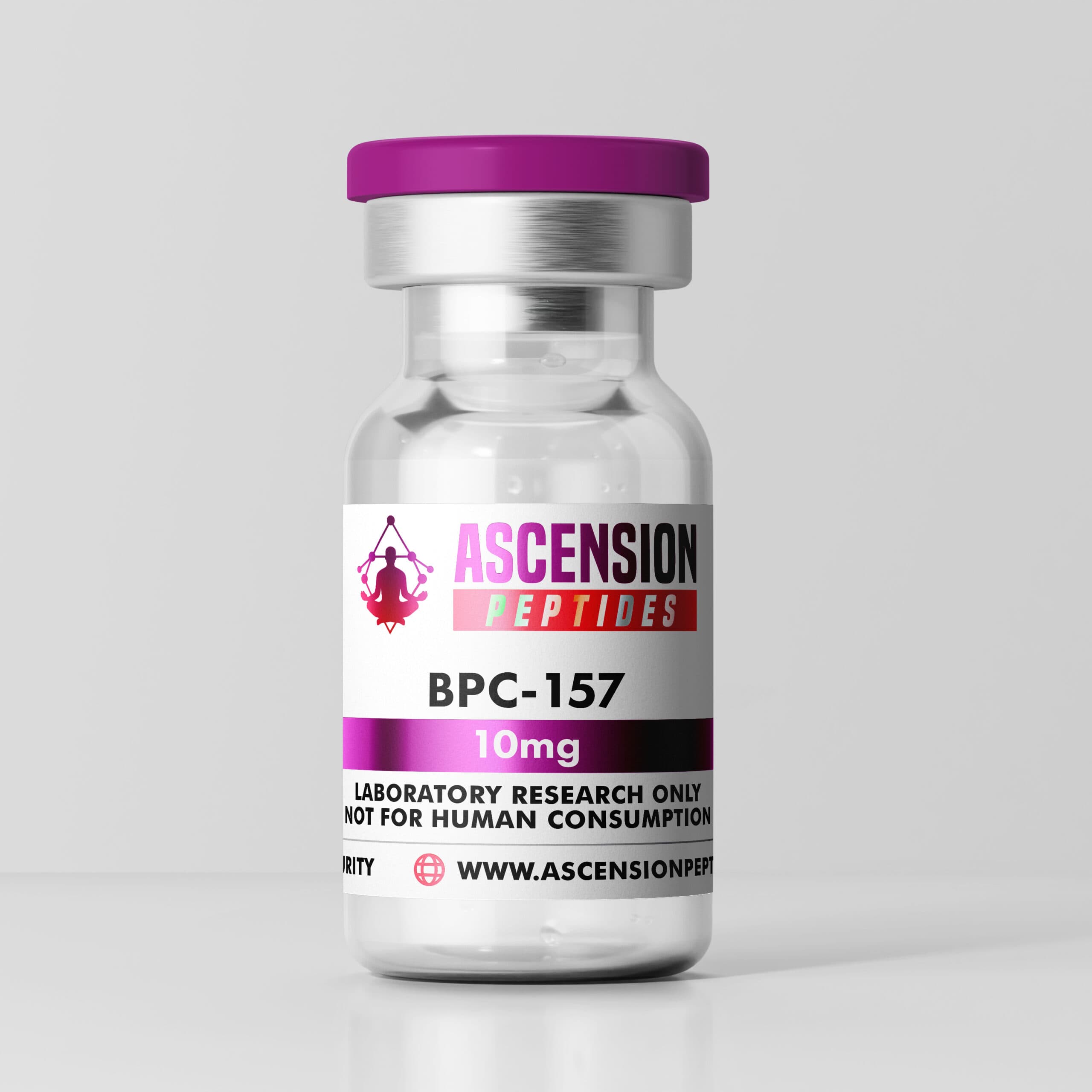
BPC-157 (Body Protection Compound-157) is a synthetic pentadecapeptide derived from a naturally occurring protein in gastric juice. It has accumulated an impressive body of preclinical research suggesting broad systemic effects on healing, inflammation, and pain signaling.
In the context of fibromyalgia, BPC-157 is relevant for several reasons. Animal studies have demonstrated its ability to modulate dopaminergic and serotonergic systems — both of which are implicated in the pathophysiology of fibromyalgia. Additionally, BPC-157 has shown consistent anti-inflammatory effects in animal models by downregulating pro-inflammatory cytokines including TNF-alpha and IL-6, which are often elevated in fibromyalgia patients.
Perhaps most relevant is BPC-157's documented effect on the gut-brain axis. A significant subset of fibromyalgia patients present with comorbid irritable bowel syndrome and intestinal permeability issues. BPC-157's well-documented gastrointestinal protective effects may offer indirect systemic benefits through improved gut integrity and reduced systemic inflammatory load.
Research protocols typically involve subcutaneous injection or oral administration (for gut-focused effects), with doses ranging from 250–500 mcg per day in animal studies. Human equivalent dosing and safety data remain under investigation.
Selank and Semax: Addressing the Neurological and Cognitive Dimensions
Fibromyalgia's cognitive symptoms — commonly referred to as "fibro fog" — represent one of the most functionally limiting aspects of the condition. Memory lapses, difficulty concentrating, and mental fatigue can be as disabling as the physical pain itself. Two Russian-developed peptides have shown particular promise in this domain.
Selank
Selank is a synthetic analogue of tuftsin, an endogenous immunomodulatory peptide. It has demonstrated anxiolytic effects comparable to benzodiazepines in animal models, but without the sedative side effects or dependence liability. For fibromyalgia patients, whose condition is frequently comorbid with generalized anxiety disorder and sleep disorders, Selank's dual action on anxiety and neuroinflammation is particularly relevant.
Research suggests Selank modulates GABA-A receptor activity and influences expression of BDNF (brain-derived neurotrophic factor) — a protein critical for neuronal repair and plasticity. Low BDNF levels have been observed in fibromyalgia patients and are associated with increased central pain sensitization.
Semax
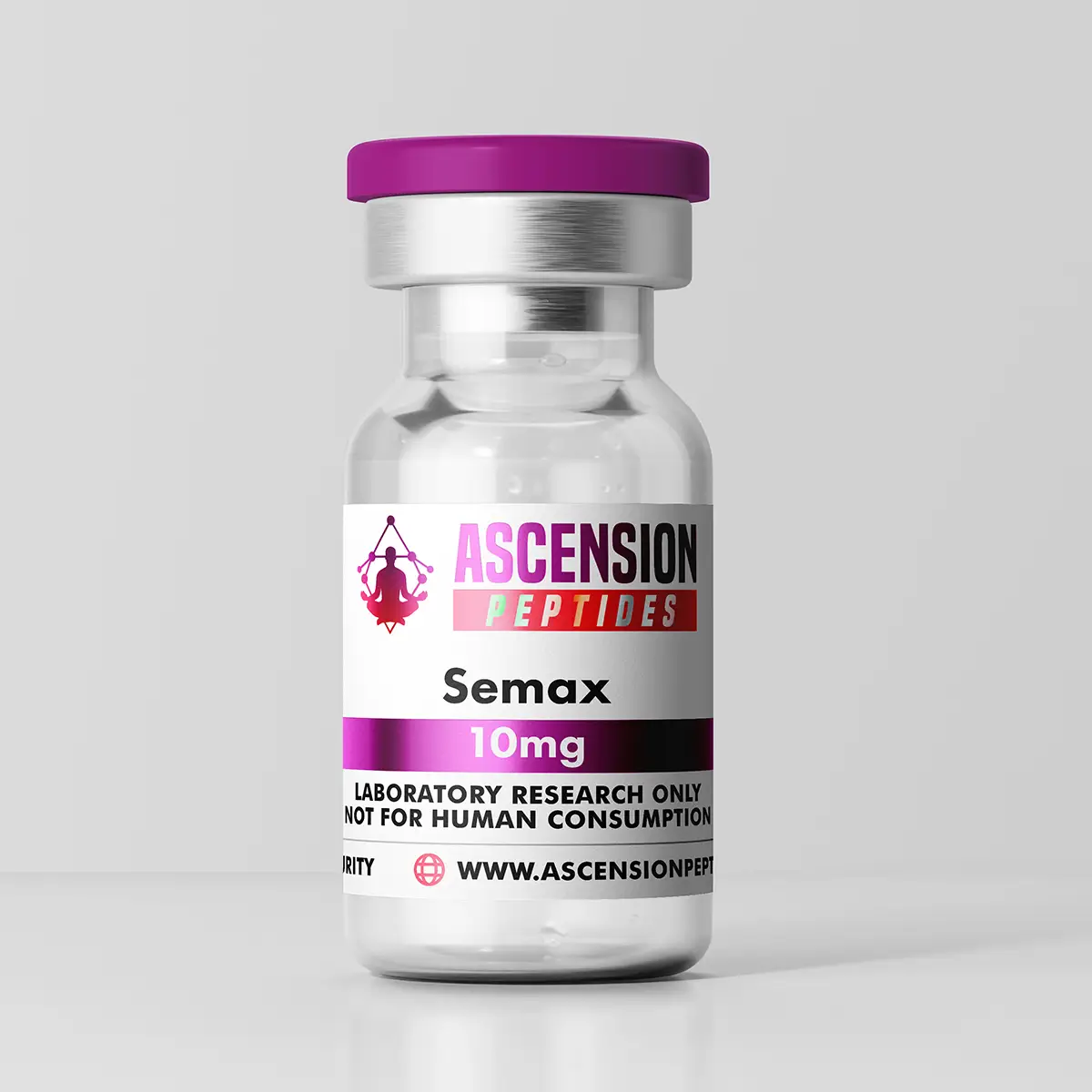
Semax is an ACTH-derived peptide with well-documented neuroprotective and nootropic effects in Russian clinical literature. It upregulates BDNF and NGF (nerve growth factor), improves cerebral circulation, and has demonstrated anti-inflammatory effects in the central nervous system. For fibromyalgia patients battling cognitive dysfunction and neuroinflammation, Semax addresses mechanisms that few other compounds target directly.
Preliminary evidence from Eastern European clinical use suggests Semax can improve mood, reduce mental fatigue, and enhance executive function — all of which deteriorate in fibromyalgia. It is typically administered intranasally, making it one of the more accessible peptides from a delivery standpoint.
TB-500 and GHK-Cu: Systemic Repair and Inflammation Control
TB-500
TB-500 is a synthetic fragment of Thymosin Beta-4, a ubiquitous protein involved in cell migration, tissue repair, and inflammation regulation. While most commonly researched for musculoskeletal injury recovery, TB-500's mechanism of action has clear relevance to fibromyalgia's inflammatory and tissue-level components.
TB-500 promotes actin polymerization, a critical process in cellular repair and regeneration. More importantly for fibromyalgia, it has demonstrated the ability to reduce inflammation by modulating NF-kB pathways and downregulating pro-inflammatory mediators. There is also emerging interest in its potential effects on central sensitization through its influence on glial cell activity — a pathway increasingly implicated in chronic pain disorders.
GHK-Cu
GHK-Cu (Copper Peptide) is a naturally occurring tripeptide that declines significantly with age. Its effects span gene regulation, antioxidant activity, anti-inflammatory signaling, and nerve repair stimulation. In fibromyalgia, where oxidative stress and neuroinflammation play documented roles, GHK-Cu's multi-pathway action makes it a compelling research subject.
Animal studies have shown GHK-Cu activates genes associated with tissue repair and suppresses genes associated with inflammation and pain amplification. Its antioxidant properties are also relevant: oxidative stress biomarkers are consistently elevated in fibromyalgia patients compared to healthy controls.
Epithalon, Ipamorelin, and CJC-1295: Targeting Sleep and Recovery
Non-restorative sleep is not merely a symptom of fibromyalgia — it is a driver of the condition. Research has demonstrated that disrupting deep sleep in healthy volunteers can produce fibromyalgia-like pain within days. Peptides that restore sleep architecture therefore deserve serious consideration in any fibromyalgia research protocol.
Epithalon
Epithalon is a tetrapeptide (Ala-Glu-Asp-Gly) originally developed at the St. Petersburg Institute of Bioregulation. It has demonstrated the ability to normalize melatonin secretion patterns in elderly subjects and animal models, thereby improving sleep cycle regulation. Given that fibromyalgia patients frequently exhibit disrupted circadian melatonin rhythms, Epithalon's neuroendocrine normalization effects are highly relevant.
Beyond sleep, Epithalon has demonstrated telomere-lengthening effects and broad anti-aging properties in multiple animal studies — suggesting systemic neuroendocrine benefits that may address some of the hormonal dysregulation seen alongside fibromyalgia.
Ipamorelin / CJC-1295
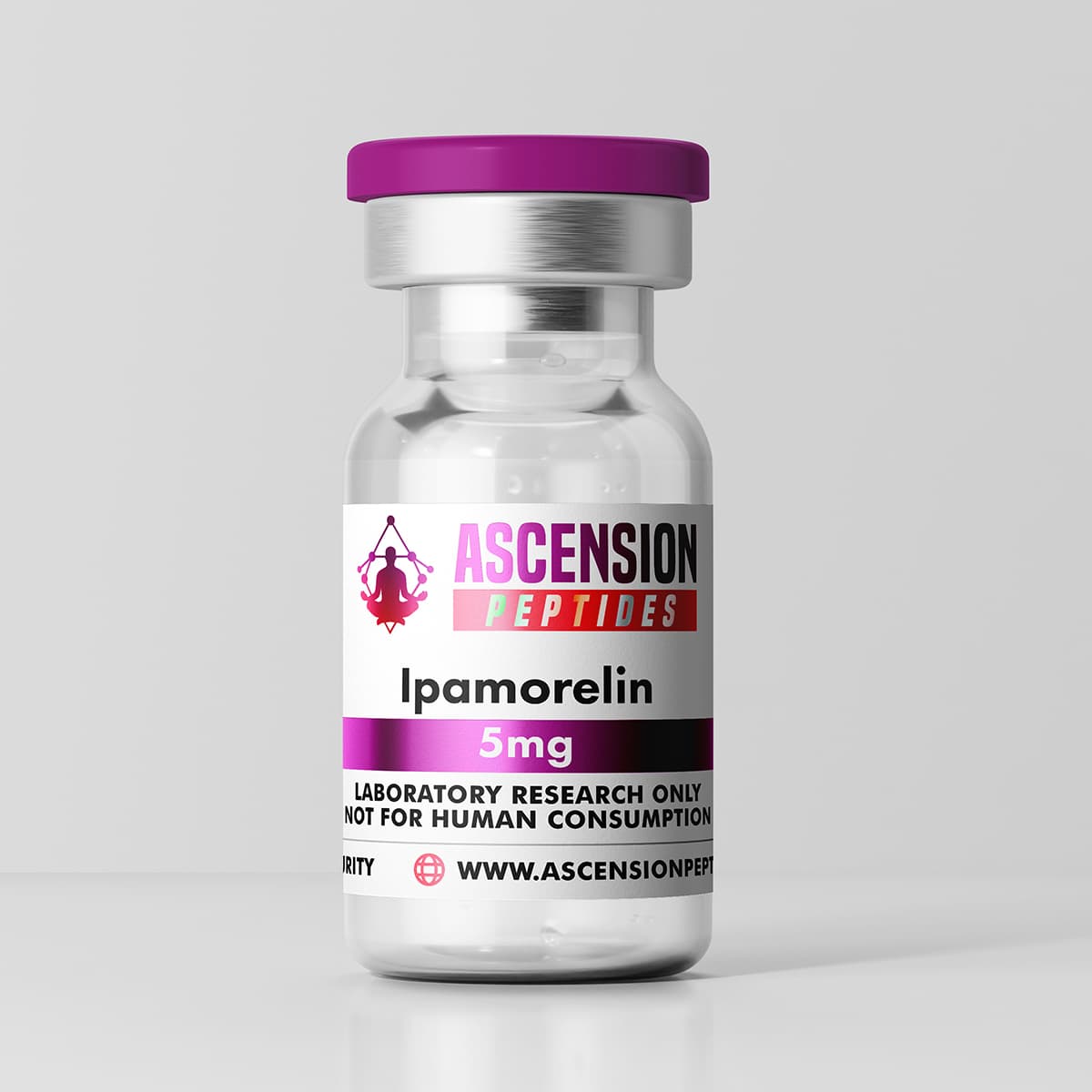
The combination of Ipamorelin and CJC-1295 is one of the most widely researched growth hormone secretagogue stacks. Growth hormone (GH) plays a central role in tissue repair, immune modulation, and sleep quality. Multiple studies have found that fibromyalgia patients have significantly blunted GH secretion during slow-wave sleep — a deficiency that may perpetuate the non-restorative sleep cycle and impaired tissue recovery that characterize the condition.
By stimulating endogenous GH release through the GHRH and ghrelin receptor pathways respectively, this combination aims to restore physiological GH pulsatility. Improved deep sleep architecture, reduced morning stiffness, and enhanced tissue recovery are the proposed benefits in the fibromyalgia context.
Novel Findings: Tx3-3 Peptide Toxin and the Opioid System
One of the most intriguing recent discoveries in fibromyalgia peptide research comes from an unlikely source: spider venom. A peptide toxin derived from the Brazilian spider Phoneutria nigriventer — known as Tx3-3 — has been shown in mouse models to significantly reduce fibromyalgia-associated pain behavior. The compound appears to act on calcium channels involved in central sensitization, offering a mechanistically novel approach that differs entirely from existing pharmacological strategies.
While Tx3-3 is far from clinical application, its discovery reinforces the broader point that peptides operating through non-opioid, non-NSAID mechanisms can produce meaningful antinociceptive effects in fibromyalgia models — lending credibility to the wider peptide research space.
Meanwhile, research into Low Dose Naltrexone (LDN) — technically a peptide-adjacent opioid system modulator — continues to show promise in fibromyalgia clinical trials, further validating the endogenous opioid pathway as a legitimate therapeutic target that several research peptides may also influence.
Where to Source Peptides for Research Purposes
If you're a researcher or clinician investigating peptide therapy for fibromyalgia, sourcing quality compounds is non-negotiable. Purity directly affects both the validity of research outcomes and safety considerations. When evaluating vendors, look for the following:
- Third-party tested: Independent HPLC and mass spectrometry analysis confirming peptide identity and purity
- ≥98% purity: Industry standard for research-grade peptides
- Published Certificate of Analysis (COA): Accessible per batch, not generic
- US-based manufacturing: Reduces contamination risk and ensures regulatory oversight of production
- Transparent labeling: Clear nomenclature, sequence identification, and storage instructions
- Responsive customer support: Ability to answer technical questions about their products
Ascension Peptides is one vendor that meets these criteria, offering third-party tested compounds with published COAs. Always verify COA documentation before using any peptide in a research context.