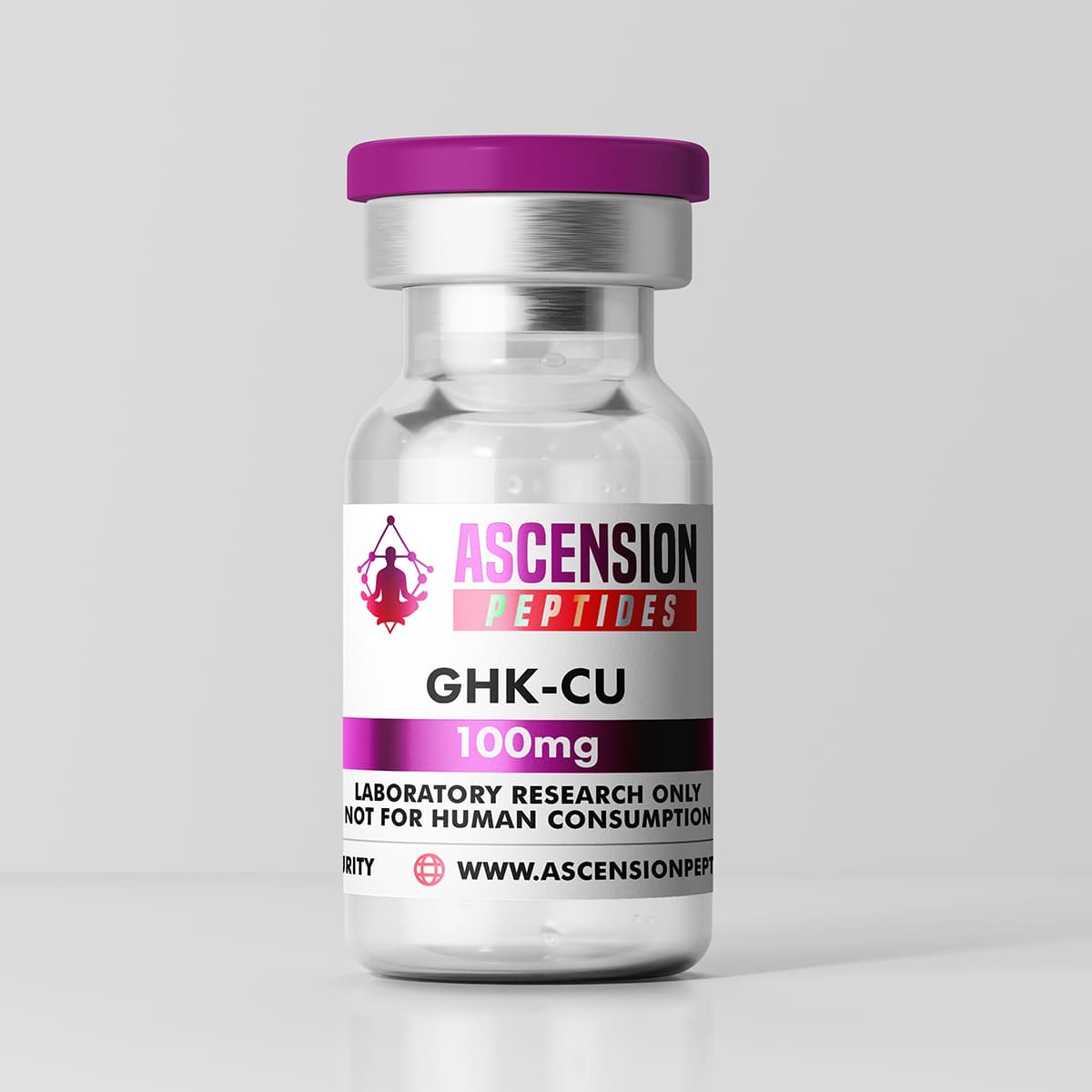
If you've spent any time researching anti-aging skincare or hair loss treatments, you've probably come across GHK-Cu the copper peptide that researchers describe as one of the most potent skin-regenerating molecules ever discovered. And unlike most ingredient-of-the-month hype, GHK-Cu has decades of peer-reviewed research behind it, including human clinical trials showing measurable improvements in wrinkle depth, skin density, and hair regrowth.
This guide goes deeper than the standard overview. We cover the skin and hair science specifically the clinical studies, exact topical concentrations, a step-by-step serum dilution guide, how GHK-Cu stacks up against popular alternatives like Matrixyl and Argireline, and an honest look at dosing across all routes of administration. For a broader overview of GHK-Cu's systemic and nootropic effects, see our GHK-Cu benefits and dosage guide.
What Is GHK-Cu? The Copper Tripeptide Explained
GHK-Cu (glycyl-L-histidyl-L-lysine copper) is a naturally occurring tripeptide consisting of three amino acids glycine, histidine, and lysine chelated to a copper (Cu²⁺) ion. It was first isolated in 1973 by Dr. Loren Pickart, who noticed that young human plasma caused older liver tissue to begin synthesizing proteins in patterns resembling much younger cells. The active molecule responsible turned out to be GHK.
Your body produces GHK-Cu endogenously. It's found in blood plasma, saliva, and urine, where it plays a key signaling role in tissue repair. The concentration decline with age is significant: plasma levels drop from roughly 200 ng/mL at age 20 to approximately 80 ng/mL by age 60 a 60% reduction that closely tracks with the visible slowdown in skin regeneration and wound healing that occurs over the same period.
As a copper chelator, GHK-Cu binds and transports copper ions into cells, making copper bioavailable for the enzymes that build and crosslink collagen fibers. This copper-delivery mechanism is central to everything GHK-Cu does in skin and hair tissue.
How GHK-Cu Works: Mechanisms of Action
GHK-Cu operates through several distinct biological pathways simultaneously, which explains its unusually broad range of effects for a three-amino-acid peptide.
Upregulates Collagen Types I, III, and IV
GHK-Cu directly stimulates fibroblasts the cells responsible for producing collagen to increase synthesis of collagen Types I, III, and IV. Type I is the primary structural collagen in skin, Type III is the more elastic "young skin" collagen found abundantly in infants, and Type IV is a critical component of the basement membrane underlying the epidermis. Laboratory studies have shown GHK-Cu can increase total collagen production by up to 70% in fibroblast cell cultures.
Equally important, GHK-Cu activates the enzyme lysyl oxidase, which crosslinks collagen fibers into organized, stable matrices. Without this crosslinking step, newly synthesized collagen remains loose and structurally weak a problem that GHK-Cu directly addresses.
Balances Matrix Metalloproteinase (MMP) Activity
Collagen remodeling requires both building up and breaking down. MMPs are enzymes that degrade old, damaged collagen. GHK-Cu modulates MMP activity in a nuanced way: it upregulates the MMPs that clear damaged tissue while simultaneously stimulating the tissue inhibitors of metalloproteinases (TIMPs) that prevent excessive collagen breakdown. This dual regulation results in net collagen gain rather than loss unlike many growth factors that simply accelerate both directions of turnover.
Gene Expression: 4,000+ Genes Modulated
One of the most remarkable findings in GHK-Cu research is its genomic reach. Studies published by Pickart and colleagues identified over 4,000 human genes whose expression is influenced by GHK-Cu, including genes involved in inflammation control, DNA repair, antioxidant defense, and tumor suppression. Many aging-related genes that become overactive in senescent cells are downregulated by GHK-Cu, effectively shifting aged cells toward younger gene expression profiles.
Antioxidant and Anti-Inflammatory Activity
GHK-Cu scavenges reactive oxygen species (ROS) and suppresses key inflammatory cytokines including TNF-α, IL-1, and IL-6. In the context of skin, this reduces the chronic low-grade inflammation ("inflammaging") that accelerates photo-damage and collagen degradation. In scalp tissue, reducing inflammation around hair follicles directly supports follicle health and the anagen (growth) phase.
Attracts Repair Cells and Stimulates Wound Healing
GHK-Cu acts as a chemoattractant for immune cells particularly macrophages and mast cells drawing them into damaged tissue to initiate the healing cascade. It also stimulates angiogenesis (new blood vessel formation) and nerve outgrowth, both critical for proper tissue repair and follicle support.
GHK-Cu Skin Benefits: What the Studies Actually Show
Human clinical data on GHK-Cu is stronger than most topical peptides partly because it's been studied since the 1970s and partly because Pickart's original research was commercially motivated, which drove decades of cosmetic clinical trials.
Wrinkle Reduction and Skin Density
A pivotal study enrolled 71 women with mild to advanced signs of photoaging who applied a GHK-Cu facial cream daily for 90 days. Results showed statistically significant increases in skin density and thickness, alongside measurable reductions in fine line depth and sagging. A parallel trial in 41 women using a GHK-Cu eye cream found similar results outperforming both placebo and vitamin K cream for wrinkle reduction, skin density improvement, and thickness gains.
A copper tripeptide pilot study on aged skin documented increases in collagen production, improved elasticity, and enhanced hydration all within 90 days of topical application at concentrations between 1–5%.
Wound Healing and Post-Procedure Recovery
GHK-Cu's wound-healing effects are among its most clinically validated properties. Studies on post-surgical, post-laser, and chronic wound subjects have documented healing acceleration of 30–50% compared to standard wound care. The mechanism involves all three phases of healing: the inflammatory phase (shorter, more controlled), the proliferative phase (faster granulation tissue formation), and the remodeling phase (more organized collagen deposition, reduced scar formation).
This makes GHK-Cu serums particularly popular in medical aesthetics applied after microneedling, fractional laser, or chemical peels to speed recovery, reduce downtime, and improve outcomes.
Skin Tightening and Barrier Repair
GHK-Cu stimulates the production of decorin and versican proteoglycans that organize collagen fibers and maintain skin architecture. It also upregulates expression of the skin barrier proteins filaggrin and loricrin, strengthening the stratum corneum against environmental damage and water loss. Clinical skin measurements after GHK-Cu treatment show improvements in both mechanical firmness (torsion tests) and trans-epidermal water loss (TEWL), confirming both structural and barrier benefits.
Hyperpigmentation and Sun Damage
Through its anti-inflammatory and MMP-modulating effects, GHK-Cu helps fade hyperpigmentation, sunspots, and melasma. It doesn't directly inhibit tyrosinase (like vitamin C or kojic acid), but the reduction in inflammatory signaling that drives pigment overproduction contributes to a more even skin tone over time.
GHK-Cu Hair Benefits: Follicle Regeneration and the Minoxidil Comparison
The hair research on GHK-Cu is where things get genuinely exciting for people dealing with androgenetic alopecia or diffuse thinning.
Mechanism in Hair Follicles
Hair follicles are among the most metabolically active structures in the human body. GHK-Cu benefits follicles through multiple pathways:
- Prolongs anagen (growth) phase: GHK-Cu increases the duration of the active hair growth cycle while shortening the catagen (regression) phase.
- Stimulates dermal papilla cells: These specialized cells at the follicle base control hair cycling; GHK-Cu directly enhances their proliferative activity.
- Increases follicle size: Miniaturized follicles (a hallmark of androgenetic alopecia) can be enlarged by GHK-Cu through stimulation of follicular keratinocytes.
- Reduces scalp inflammation: DHT-driven follicle miniaturization is amplified by inflammatory cytokines; GHK-Cu's anti-inflammatory activity reduces this secondary damage.
- Improves scalp vascularity: Angiogenic stimulation increases nutrient delivery to follicle roots.
The Minoxidil Comparison Study
A landmark study published in Archives of Dermatological Research directly compared topical GHK-Cu with 5% minoxidil for hair regrowth over 24 weeks in subjects with androgenetic alopecia. The results were striking: GHK-Cu demonstrated comparable efficacy to minoxidil 5% for hair density improvement, with some metrics (follicle diameter, hair shaft thickness) showing advantage for GHK-Cu. Crucially, GHK-Cu produced no cardiovascular side effects, while minoxidil's known issues scalp irritation, initial shedding, and potential systemic cardiovascular effects were not observed in the GHK-Cu arm.
For individuals who cannot tolerate minoxidil (those with scalp sensitivity, low blood pressure, or who experience excessive initial shedding), GHK-Cu represents a mechanistically distinct alternative with a cleaner side-effect profile.
GHK-Cu Dosage by Route of Administration
For complete reconstitution math, use our peptide reconstitution calculator. Here's a practical overview by route:
Topical (Serum) Most Common for Skin & Hair
- Concentration range: 1–5% GHK-Cu by weight in the final formulation
- Effective cosmetic dose: Most human trials used 1–3%; 5% is the upper end used in post-procedure recovery protocols
- Frequency: Once or twice daily for skin; once or twice daily on scalp for hair
- Application tip: Apply to slightly damp skin after cleansing; GHK-Cu penetrates better through hydrated stratum corneum. Follow with moisturizer.
- Post-procedure: Higher concentrations (3–5%) are used immediately after microneedling or laser to leverage the open microchannels for deeper delivery.
Subcutaneous Injection
- Research dose range: 1–2 mg per day
- Common protocol: 1 mg/day subcutaneous injection, 5 days on / 2 days off, in cycles of 4–8 weeks
- Injection site: Subcutaneous fat near abdomen or thigh; some protocols use intradermal mesotherapy injections directly into the scalp (0.1–0.2 mg per session, weekly)
- Note: Injectable GHK-Cu is a research compound; subcutaneous use is only within research or physician-supervised contexts
Nasal Spray
- Research dose range: 100–500 mcg per spray; 1–3 sprays per day
- Bioavailability consideration: Nasal mucosa provides good absorption for small peptides; GHK-Cu's molecular weight (~340 Da as free peptide) allows reasonable mucosal penetration
- Typical preparation: 1–2 mg/mL solution in sterile saline or a buffered vehicle; 0.1 mL per spray = 100–200 mcg per administration
- Use case: Preferred by those avoiding needles; also used for systemic anti-inflammatory and nootropic effects rather than localized skin or hair outcomes
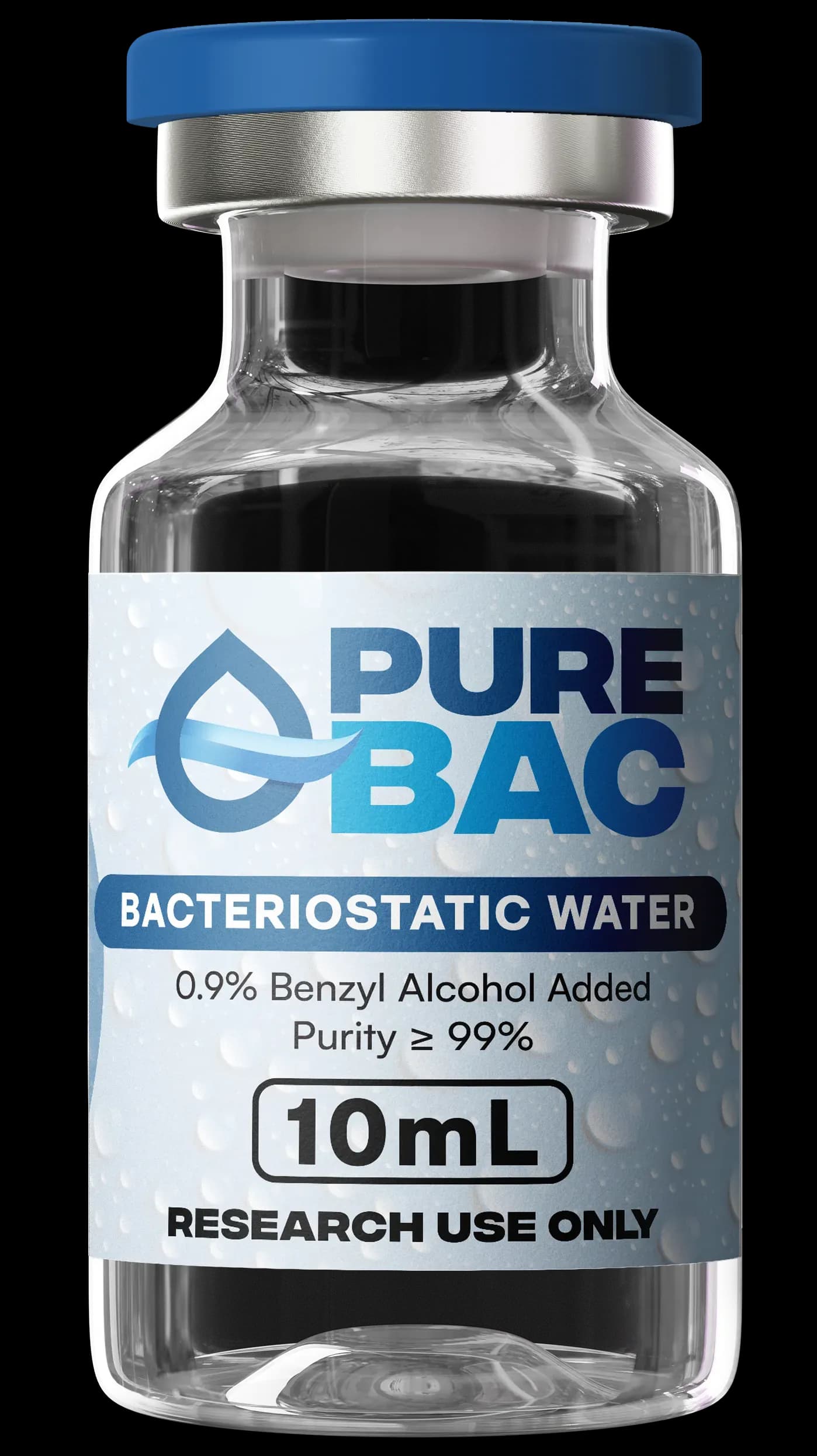
How to Make a GHK-Cu Topical Serum: DIY Dilution Guide
If you're working with research-grade GHK-Cu powder, here's how to prepare a topical serum at common concentrations. Always work in clean conditions; a sterile environment and quality filtration reduce contamination risk.
- Gather your materials: GHK-Cu lyophilized powder, sterile distilled water or buffered saline (pH 4.5–6.5), a suitable carrier (hyaluronic acid serum base, niacinamide solution, or plain sterile water), a 0.22 µm syringe filter, amber glass dropper bottles, and a precision milligram scale.
- Determine your target concentration: For a 1% solution, you need 10 mg of GHK-Cu per 1 mL of total volume. For 2%: 20 mg/mL. For 3%: 30 mg/mL. Most users prepare 30 mL batches (a 1-month supply), so: 1% = 300 mg total; 2% = 600 mg total; 3% = 900 mg total.
- Dissolve the peptide: Weigh your GHK-Cu powder accurately. Add a small volume of sterile water (~5 mL) and stir gently until fully dissolved. GHK-Cu is highly water-soluble and should dissolve readily without heat.
- Add your carrier base: Top up to your final target volume with your serum base (e.g., a 1–2% hyaluronic acid solution for hydration, or plain sterile water for simplicity). Mix gently do not vortex vigorously, as mechanical shearing can degrade peptides.
- Filter and fill: Draw the solution through a 0.22 µm syringe filter directly into your amber glass dropper bottle. This step removes any particulate matter and reduces microbial load.
- Label and store: Label with concentration, date prepared, and expiry (typically 30–60 days refrigerated). Store at 2–8°C. Discard if color changes or cloudiness develops.
- pH check (optional but recommended): GHK-Cu is most stable at pH 5.5–6.5. Use pH strips or a meter; adjust with a few drops of citric acid solution if needed.
GHK-Cu vs Other Skin Peptides: How Does It Compare?
The cosmetic peptide market is crowded. Here's how GHK-Cu stacks up against the most popular alternatives:
Key takeaway: Argireline and Snap-8 work by relaxing facial muscles (topical "botox-like" effect) they reduce expression lines but don't regenerate tissue. Matrixyl and its variants genuinely stimulate collagen but lack GHK-Cu's breadth of gene modulation, wound-healing acceleration, and hair follicle data. For comprehensive skin regeneration, GHK-Cu has the deepest evidence base of any cosmetic peptide. Many formulators combine GHK-Cu with Matrixyl for synergistic collagen coverage, and Argireline for expression line relaxation.
GHK-Cu Pharmacokinetics and Half-Life
Understanding how GHK-Cu behaves in the body affects how you dose and time applications. For a detailed primer on peptide pharmacokinetics, see our understanding pharmacokinetics guide.
Topical Absorption
GHK-Cu's molecular weight as a copper chelate is approximately 340 Da for the free peptide form, below the traditional 500 Da "Rule of Five" cutoff for skin penetration. Studies using radiolabeled GHK-Cu confirm penetration through the stratum corneum into the viable epidermis and upper dermis the fibroblast-rich layer where collagen synthesis occurs. Penetration enhancers (dimethyl sulfoxide, propylene glycol, peptide-specific vectors) can increase dermal delivery by 3–5x at the same concentration.
Topical GHK-Cu begins working locally at the application site; systemic absorption via topical application is low, which is generally considered an advantage (local effect without systemic copper loading).
Plasma Half-Life (Injectable)
Following subcutaneous injection, GHK-Cu is rapidly distributed in plasma. The elimination half-life is estimated at approximately 2–4 hours, consistent with other small peptides that are subject to enzymatic degradation by plasma peptidases and renal filtration. This short half-life is why once-daily injection protocols front-load the dose (typically in the morning) rather than splitting across multiple small injections.
Copper Accumulation Concern
A common question is whether GHK-Cu causes copper toxicity. At research doses (1–2 mg/day injection, or topical concentrations of 1–5%), copper loading is well below the tolerable upper intake level set by health authorities (~10 mg/day elemental copper for adults). GHK-Cu is a copper carrier, not a copper reservoir it releases copper in cells and is then cleared. No cases of copper toxicity from GHK-Cu peptide use at standard doses have been documented in the literature.
Where to Source GHK-Cu
GHK-Cu is available in two main forms:
- Cosmetic-grade (Copper Tripeptide-1): Pre-formulated in skincare serums and creams, sold legally as cosmetic ingredients. These products typically contain 1–3% GHK-Cu in a ready-to-use formula. Quality varies significantly by brand. Look for products that list Copper Tripeptide-1 within the first 5–7 ingredients to confirm meaningful concentration.
- Research-grade lyophilized powder: Sold by peptide research suppliers for laboratory and research purposes. This form gives maximum flexibility for concentration and formulation, but requires reconstitution (see the DIY serum guide above or the peptide dosage calculator). When sourcing research peptides, prioritize vendors who provide third-party HPLC purity certificates (>98% purity), mass spectrometry (MS) confirmation, and sterility testing for injectable-grade products.
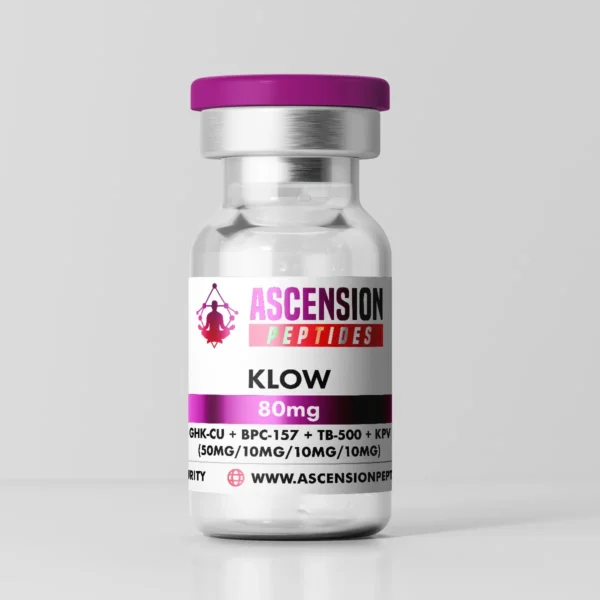
When evaluating any GHK-Cu source, check for: independent Certificate of Analysis (COA), HPLC purity ≥98%, clearly stated molecular weight matching GHK-Cu (340.38 Da), and a US-based supplier with tracked shipping. Ascension Peptides is one vendor frequently noted for COA transparency in the research community.
Frequently Asked Questions
How long does GHK-Cu take to show results for wrinkles?
Most clinical trials using topical GHK-Cu at 1–3% concentration measured outcomes at 60–90 days. In practice, users typically report visible improvements in skin texture, tone, and fine line depth within 4–6 weeks of consistent twice-daily application. Deeper wrinkles and significant photoaging may require 3–6 months of sustained use. Results accumulate rather than plateau longer use tends to produce greater outcomes.
Can GHK-Cu regrow hair I've already lost?
Human studies suggest GHK-Cu can improve hair density, follicle diameter, and shaft thickness in subjects with androgenetic alopecia and can do so comparably to minoxidil 5%. It appears most effective in the early-to-moderate stages of thinning, where follicles are miniaturized but still present. Very advanced hair loss (Hamilton-Norwood stage VI–VII, Sinclair stage 4–5) with fully fibrosed follicle units is less likely to respond to any topical peptide. Starting earlier produces better outcomes.
Is topical GHK-Cu safe for daily use?
Yes. GHK-Cu has an excellent safety profile in topical applications. Clinical trials running 90 days with twice-daily use found no significant adverse events. The most commonly reported mild effects are transient redness in very sensitive skin types typically resolving within minutes. Unlike retinoids, GHK-Cu does not cause photosensitivity, peeling, or purging. It is generally suitable for all skin types including sensitive skin.
Can GHK-Cu cause copper toxicity?
At doses used in research and cosmetic applications, copper accumulation is not a documented concern. The copper delivered by GHK-Cu is in the microgram range per application far below the 10 mg/day tolerable upper limit for elemental copper. Injectable protocols at 1–2 mg/day GHK-Cu deliver a fraction of this as ionic copper. Anyone with Wilson's disease (a copper metabolism disorder) should avoid GHK-Cu, but for the general population, toxicity risk is negligible at standard doses.
How does GHK-Cu compare to retinol for skin aging?
Retinol and GHK-Cu both increase collagen synthesis and improve skin texture, but through different mechanisms. Retinol acts via nuclear retinoid receptors and causes cell turnover acceleration hence the peeling and sensitivity. GHK-Cu works through copper enzyme activation and gene signaling without forcing accelerated turnover, making it more suitable for sensitive skin and for daytime use. Many advanced skincare protocols use retinol at night and GHK-Cu in the morning for complementary collagen-building without doubling irritation risk.
What concentration should I start with for skin?
Start at 1% GHK-Cu for general anti-aging and maintenance. Move to 2–3% if you're targeting more significant photoaging, scarring, or post-procedure recovery. Use 3–5% for 48–72 hours immediately post-microneedling or laser, then return to a maintenance concentration. There's no clinical evidence that concentrations above 5% provide additional benefit the receptor saturation point appears to plateau in this range.
Can I use GHK-Cu with niacinamide, vitamin C, or retinol?
GHK-Cu is compatible with niacinamide and most peptide-friendly actives. With vitamin C: avoid mixing in the same solution if your vitamin C formula has a pH below 3.5 (most do). Apply GHK-Cu first, allow 10 minutes, then apply vitamin C. With retinol: apply separately retinol in the PM routine, GHK-Cu in the AM. With niacinamide: fully compatible, can be combined in the same serum or applied in sequence without issues.
Does GHK-Cu work for scalp application without microneedling?
Yes. The hair regrowth study comparing GHK-Cu to minoxidil 5% used topical application without microneedling. However, combining GHK-Cu scalp application with dermarolling (0.5 mm) 1–2 times per week can substantially increase follicular delivery. If using a dermaroller on the scalp, apply GHK-Cu immediately after rolling while microchannels are open. Skip active ingredients (acids, minoxidil) on rolling days to prevent irritation.
Is injectable GHK-Cu more effective than topical for skin outcomes?
The clinical evidence base for skin outcomes is primarily topical that's where the most human trials have been conducted. Injectable GHK-Cu at 1–2 mg/day delivers systemic concentrations and may enhance overall tissue regeneration, but for localized skin and scalp outcomes, targeted topical application keeps higher concentrations at the target tissue. Mesotherapy (intradermal injection directly into the dermis or scalp) is a middle ground used in clinical aesthetics settings for significantly deeper follicular delivery than standard topicals can achieve.
What's the shelf life of a prepared GHK-Cu serum?
A properly prepared GHK-Cu serum stored in an amber glass bottle at 2–8°C (refrigerator) remains stable for 30–60 days. The copper ion can catalyze oxidation if the pH drifts or if the solution is exposed to light, so amber glass and cool storage are important. Lyophilized (freeze-dried) GHK-Cu powder is stable for 12–24 months when stored dry at -20°C with desiccant. For reconstitution timing and volume calculations, use the reconstitution calculator.
Summary: Is GHK-Cu Worth It for Skin and Hair?
The evidence for GHK-Cu is unusually strong for a cosmetic ingredient. Multiple independent human clinical trials confirm measurable improvements in skin density, wrinkle depth, and elasticity. The hair regrowth data puts it in the same tier as minoxidil 5% with fewer side effects. The mechanism collagen gene upregulation, MMP balance, antioxidant protection, and follicle support is well-characterized and biologically coherent.
For skin, GHK-Cu belongs in the same category as retinol and vitamin C as evidence-based anti-aging actives. For hair, it's one of the few topically applied molecules with human data supporting meaningful follicle regeneration. Combined with its favorable safety profile, this makes it one of the higher-value options in both categories.
Ready to go deeper? Our complete GHK-Cu benefits and dosage guide covers systemic effects, injection protocols, and the full research landscape beyond skin and hair.
This content is for informational and educational purposes only. Peptides discussed on this page are research compounds not approved by the FDA for human use. Always consult a licensed medical professional before using any peptide or supplement.
This content is for informational and educational purposes only. Peptides discussed on this page are research compounds not approved by the FDA for human use. Always consult a licensed medical professional before using any peptide or supplement.