Semaglutide & Tirzepatide from Yucca · US-licensed Rx · From $146 · Buy now, pay later

Start your 1-min quiz
PDPeptideDeck
01· StoreShop Peptides↗02GLP-1 Suppliers03Calculator04Free TrialAI Coach
Shop
Start HerePeptide Vendors →
Home/Peptides/Peptide guidesPeptides for Animals: Veterinary Uses, Dosing & Safety (2026)
Peptide guides11

Peptides for Animals: Veterinary Uses, Dosing & Safety (2026)

Published July 29, 2026Updated July 29, 2026
Quick Brief

Which peptides are actually used in animals, how dosing scales by bodyweight and species, what the evidence supports, and where the legal lines sit in 2026.

Peptides for Animals: Veterinary Uses, Dosing & Safety (2026)

Procurement

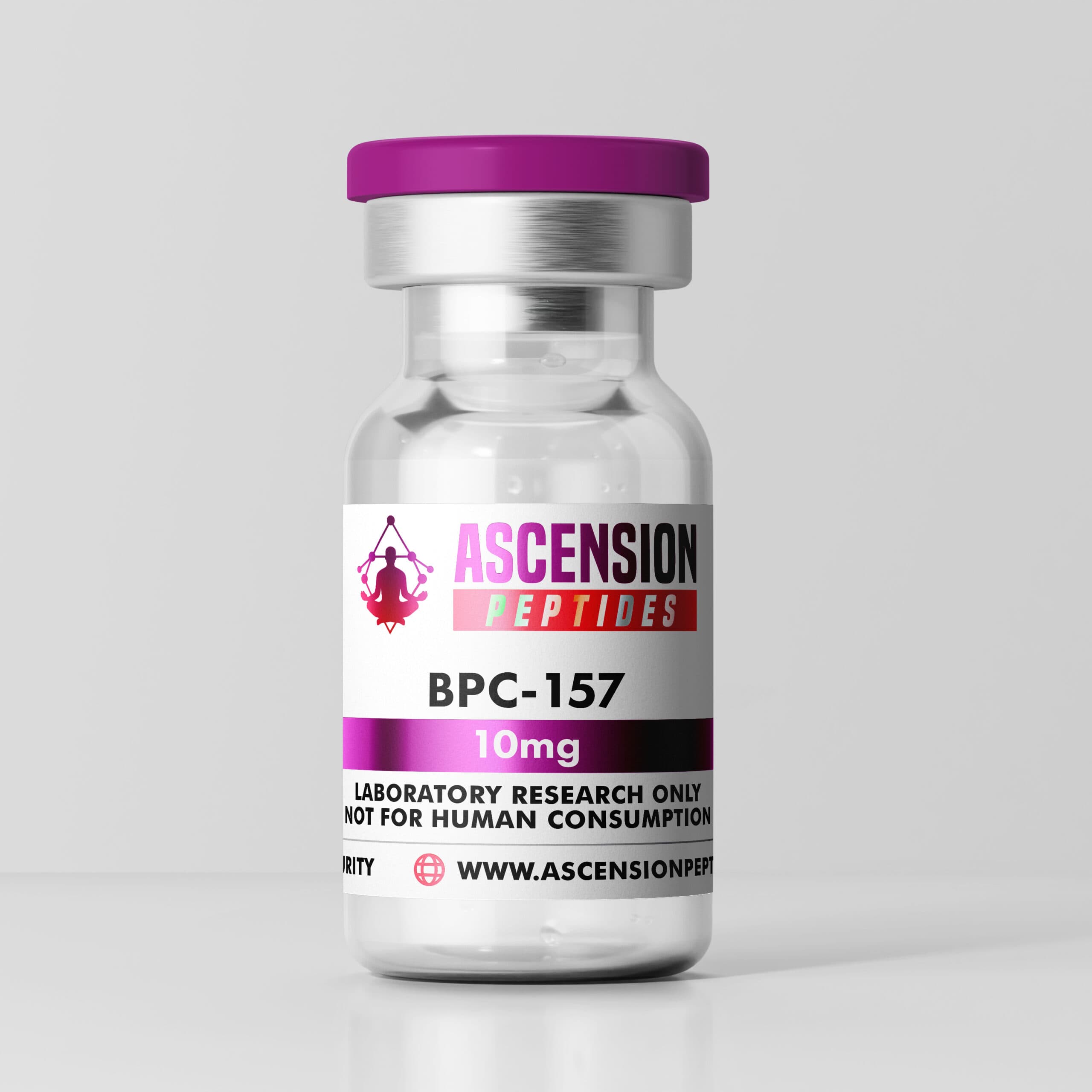
BPC-157 (10mg)
In StockShips from USA

BPC-157 (10mg)

BPC-157 (10mg) from Ascension Peptides, third-party tested and shipped from the US. Use code PEPTIDEDECK for 50% off.

$24.50$49.00
Get BPC-157 (10mg) - 50% Off with PEPTIDEDECK
Contents0%
What "Peptides for Animals" Actually MeansThe Six Peptides That Come Up MostWhich Species, Which UseHow Dosing Works Across SpeciesInjection or Oral?The Legal Picture in 2026Safety: What Actually Deserves AttentionSourcing: Research-Grade vs CompoundedWhere to Go NextFrequently Asked Questions
BPC-157 (10mg)

Procurement

BPC-157 (10mg)

In StockShips from USA
$24.50$49.00
Get BPC-157 (10mg) - 50% Off with PEPTIDEDECK

Last updated: July 29, 2026

Peptides for animals are short amino-acid chains — the same molecules sold for human research — that a growing number of pet owners, holistic veterinarians and equine practices now use off-label to speed tissue repair, calm gut inflammation and give aging animals back some mobility. The story most people arrive with is the same one: a stiff senior dog who stopped taking the stairs, put on BPC-157 for a few weeks, and started moving like a younger animal again.

This guide covers what is actually being used across dogs, cats and horses, how dosing scales by species and bodyweight, what the evidence does and does not support, and where the legal lines sit in 2026. Species-specific protocols live in the three companion guides linked throughout.

Quick Answer: Do Peptides Work in Animals?

  • Six peptides account for nearly all real-world use: BPC-157, TB-500, GHK-Cu, KPV, Thymosin Alpha-1 and Epitalon. BPC-157 is by far the most common starting point.
  • Dosing is bodyweight-driven. The working range across species is roughly 2–10 mcg/kg/day, with 5 mcg/kg the most common starting point for joint and soft-tissue work.
  • Horses have the longest track record. Equine practices have used TB-500 for tendon and ligament injuries since the early 2000s — longer than the human biohacking market has existed.
  • Cats need a different approach, not just a smaller dose. Their size makes dosing precision harder and copper-based GHK-Cu deserves extra care.
  • Nothing here is FDA-approved for animals. Evidence is rodent studies plus veterinary case experience, not controlled canine or feline trials. Vet supervision is the difference between a considered protocol and a guess.

What "Peptides for Animals" Actually Means

A peptide is a short chain of amino acids — shorter than a protein, long enough to act as a signalling molecule. The ones used in animals are not drugs in the conventional sense. They do not block a receptor or kill a pathogen. They amplify repair processes the body already runs: new blood vessel growth, fibroblast migration, collagen deposition, mucosal healing.

That mechanism is why the same short list keeps appearing across wildly different species and conditions. A tendon healing in a horse's leg and a gut lining healing in a cat's intestine use much of the same cellular machinery, and a molecule that pushes on angiogenesis pushes on both.

It is also why the category is unusually cross-species. Most of the foundational BPC-157 research was done in rats. Applying it to a dog is arguably a smaller leap than applying it to a human.
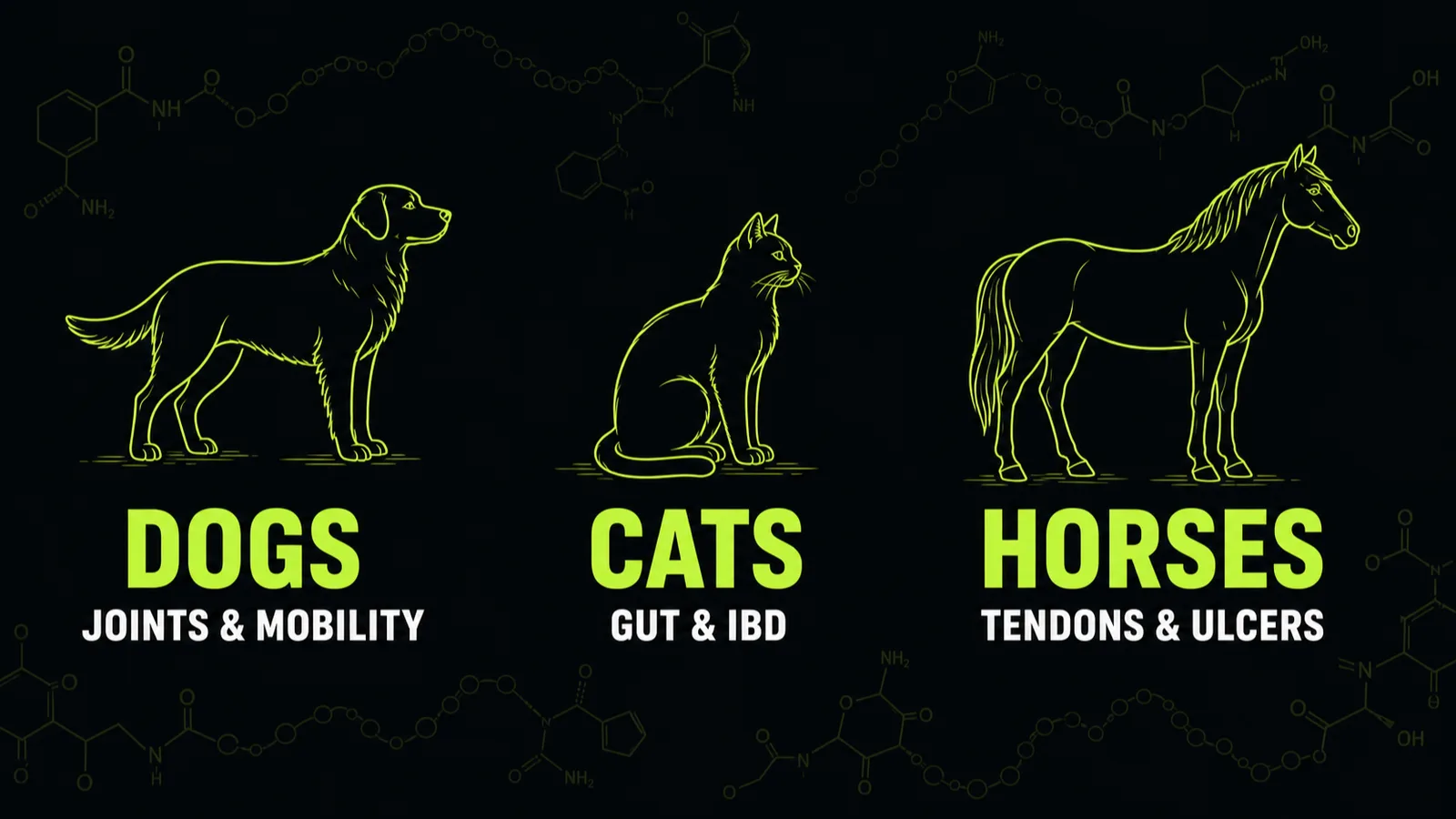
Comparison of peptide use across dogs, cats and horses showing primary conditions treated in each species
The three species where peptide use is most established — each with a different primary use case.

The Six Peptides That Come Up Most

Vendor catalogues list dozens. In practice, animal protocols concentrate on six.

Peptide
What it does
Most-used for
Species
BPC-157
Gastric pentadecapeptide. Drives angiogenesis and VEGF signalling; protects and repairs gut mucosa
Joints, tendons, ligaments, IBD, post-surgical recovery
Dogs, cats, horses
TB-500
Thymosin beta-4 fragment. Actin sequestration and cell migration; stimulates tenocytes
Tendon and ligament injury, muscle tears
Horses first, then dogs
GHK-Cu
Copper tripeptide. Collagen and elastin synthesis, wound remodelling
Wounds, skin and coat, surgical scars
Dogs, horses; caution in cats
KPV
Alpha-MSH fragment. Inhibits NF-kB directly; absorbed via gut PepT1 transporters
Colitis, IBD, atopic dermatitis
Dogs, cats
Thymosin Alpha-1
Thymic peptide. Modulates T-cell function, interferon-gamma and NK activity
Immune support, chronic infection, convalescence
Cats, dogs
Epitalon
Pineal tetrapeptide. Telomerase and melatonin pathway activity
Longevity and healthspan protocols in senior animals
Dogs (least evidence of the six)
BPC-157
What it does
Gastric pentadecapeptide. Drives angiogenesis and VEGF signalling; protects and repairs gut mucosa
Most-used for
Joints, tendons, ligaments, IBD, post-surgical recovery
Species
Dogs, cats, horses
TB-500
What it does
Thymosin beta-4 fragment. Actin sequestration and cell migration; stimulates tenocytes
Most-used for
Tendon and ligament injury, muscle tears
Species
Horses first, then dogs
GHK-Cu
What it does
Copper tripeptide. Collagen and elastin synthesis, wound remodelling
Most-used for
Wounds, skin and coat, surgical scars
Species
Dogs, horses; caution in cats
KPV
What it does
Alpha-MSH fragment. Inhibits NF-kB directly; absorbed via gut PepT1 transporters
Most-used for
Colitis, IBD, atopic dermatitis
Species
Dogs, cats
Thymosin Alpha-1
What it does
Thymic peptide. Modulates T-cell function, interferon-gamma and NK activity
Most-used for
Immune support, chronic infection, convalescence
Species
Cats, dogs
Epitalon
What it does
Pineal tetrapeptide. Telomerase and melatonin pathway activity
Most-used for
Longevity and healthspan protocols in senior animals
Species
Dogs (least evidence of the six)

BPC-157 and TB-500 are frequently run together — the combination is known in human circles as the Wolverine stack, and the same pairing has migrated into sport-dog and equine practice. They work through genuinely different mechanisms, which is the argument for stacking them rather than picking one. Our BPC-157 vs TB-500 comparison breaks down which does what.

Which Species, Which Use

The three species diverge more than people expect. What drives a dog owner to peptides is almost never what drives a horse owner.

Species
Primary driver
Peptides used
Full guide
Dogs
Osteoarthritis and mobility loss in seniors; CCL tears and post-TPLO recovery; IBD
BPC-157, TB-500, GHK-Cu, KPV
Peptides for dogs
Cats
Inflammatory bowel disease and chronic diarrhoea; stomatitis; post-surgical healing
BPC-157, KPV, Thymosin Alpha-1
Peptides for cats
Horses
Tendon and suspensory ligament injury; gastric ulcers (EGUS); wound healing
TB-500, BPC-157, GHK-Cu
Peptides for horses
Dogs
Primary driver
Osteoarthritis and mobility loss in seniors; CCL tears and post-TPLO recovery; IBD
Peptides used
BPC-157, TB-500, GHK-Cu, KPV
Full guide
Peptides for dogs
Cats
Primary driver
Inflammatory bowel disease and chronic diarrhoea; stomatitis; post-surgical healing
Peptides used
BPC-157, KPV, Thymosin Alpha-1
Full guide
Peptides for cats
Horses
Primary driver
Tendon and suspensory ligament injury; gastric ulcers (EGUS); wound healing
Peptides used
TB-500, BPC-157, GHK-Cu
Full guide
Peptides for horses

Dogs dominate the volume simply because there are more of them and because canine osteoarthritis is so common: roughly one in five dogs over the age of one shows some degree of it, rising past 65% in dogs over seven. That is an enormous population of animals whose owners have already tried NSAIDs and joint supplements and want something else.

How Dosing Works Across Species

Animal peptide dosing is bodyweight-scaled in micrograms per kilogram. The commonly cited off-label range is 2–10 mcg/kg/day, and the tier you pick depends on what you are treating rather than how big the animal is.

Tier
Dose
Typical use
Notes
Low
2 mcg/kg/day
Maintenance, mild systemic inflammation, gut support
Common long-run dose once an acute problem has resolved
Standard
5 mcg/kg/day
Moderate joint pain, soft-tissue repair, post-surgical healing
The usual starting point across all three species
High
10 mcg/kg/day
Acute or severe injury, advanced orthopaedic cases
Short courses only, and the tier that most warrants vet oversight
Low
Dose
2 mcg/kg/day
Typical use
Maintenance, mild systemic inflammation, gut support
Notes
Common long-run dose once an acute problem has resolved
Standard
Dose
5 mcg/kg/day
Typical use
Moderate joint pain, soft-tissue repair, post-surgical healing
Notes
The usual starting point across all three species
High
Dose
10 mcg/kg/day
Typical use
Acute or severe injury, advanced orthopaedic cases
Notes
Short courses only, and the tier that most warrants vet oversight

Two practical points that trip people up. First, scaling is linear on paper but not in practice — a 3 kg cat and a 60 kg mastiff need doses that differ twentyfold, and drawing an accurate 15 mcg dose requires a different reconstitution concentration than drawing 300 mcg. Dilute for small animals so you are measuring a readable volume rather than a smear at the bottom of the syringe.

Second, most protocols run 4–6 weeks for acute injury and 6–8 weeks for gut conditions, then stop and reassess. Peptides are not typically run continuously.

Reconstitution matters more in animals than in humansThe same 10 mg vial that gives a human a convenient 250 mcg dose gives a 4 kg cat a 20 mcg dose. Reconstituting with a larger volume of bacteriostatic water turns an unmeasurable dose into a measurable one. Our BPC-157 guide covers reconstitution maths in detail.

Injection or Oral?

BPC-157 (10mg)
Top Pick BPC-157 (10mg) BPC-157 (10mg) from Ascension Peptides, third-party tested and shipped from the US. Use code PEPTIDEDECK for 50% off. Exclusive 50% off — use code PEPTIDEDECK
Get BPC-157 (10mg) - 50% Off with PEPTIDEDECK

Subcutaneous injection is the most reliable route and the one most veterinary protocols use. It bypasses the digestive tract entirely, and in animals the scruff makes it genuinely easy — most dogs and horses tolerate it better than their owners expect.

Oral dosing is the exception rather than the rule, with one important carve-out: for gut conditions, oral BPC-157 is arguably preferable because the target tissue is the digestive tract. The peptide acts locally on the mucosa before absorption becomes the limiting factor. The same logic applies to KPV, which is absorbed through PepT1 transporters that upregulate in inflamed gut tissue — inflammation effectively increases its own uptake.

For joint, tendon and ligament work, injection is the better route. See oral vs injection for the underlying pharmacology.
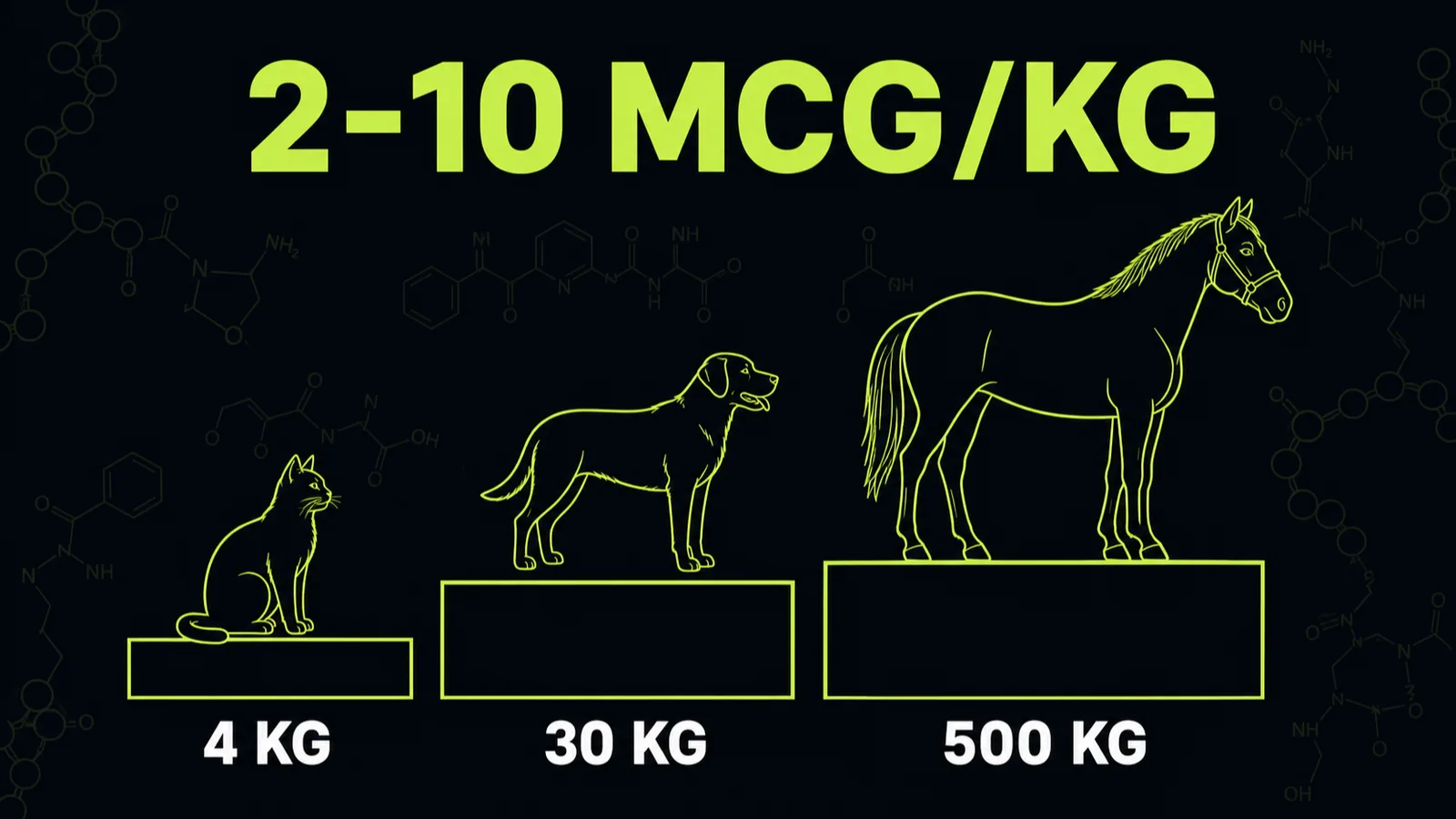
Weight-based peptide dosing chart for animals showing micrograms per kilogram tiers from cats through horses
Dosing scales with bodyweight — but reconstitution concentration has to scale with it.

The Legal Picture in 2026

This is the part that changed most recently, and it is worth understanding before you buy anything.

No peptide on this list is FDA-approved for use in animals. Compounded animal drugs made from bulk substances are legally unapproved drugs, though FDA guidance GFI #256 describes conditions under which the agency does not intend to pursue enforcement. That is enforcement discretion, not authorisation — a distinction that matters if you are a veterinarian and much less if you are an owner.

On the human side, BPC-157 and TB-500 were removed from the FDA's Category 2 bulk substances list in April 2026 after their nominations were withdrawn, but were not moved to Category 1. Then in July 2026, the FDA's Pharmacy Compounding Advisory Committee voted narrowly in favour of allowing compounding pharmacies to prepare BPC-157, KPV, TB-500 and MOTS-c. Those recommendations are non-binding and the FDA has the final say, and reporting noted that most panellists voting yes had industry ties. Our guide to how to get BPC-157 in 2026 tracks where that leaves buyers.

The net position: these compounds sit in a grey zone. Neither explicitly permitted nor explicitly prohibited for veterinary compounding, widely sold as research chemicals, and routinely used off-label by veterinarians who are comfortable with the evidence.

There is precedent for how this resolves. The FDA eventually published a formal position on compounded GS-441524 for feline infectious peritonitis after years of owners sourcing it through informal channels — a reminder that regulators do sometimes follow where veterinary practice has already gone.

Safety: What Actually Deserves Attention

Veterinary case series spanning more than a decade report no serious adverse events in clinical use. That is reassuring but it is not the same as a controlled safety study, and there are three issues worth weighing properly.

The angiogenesis question. BPC-157 and TB-500 both promote new blood vessel formation. That is the mechanism that heals tendons, and in theory it is also a mechanism that could feed an existing tumour. There is no evidence that either peptide causes cancer. There is a reasonable argument for avoiding them in an animal with a known or suspected neoplasm, and this is the single most important thing to raise with your vet — especially in older animals, where undiagnosed masses are more likely.

Vendor quality. Research peptides are sold with no requirement that the contents match the label. Purity varies enormously between suppliers, and impurities were the FDA's stated original concern when it placed these compounds in Category 2. A third-party certificate of analysis is the minimum bar.

Organ compromise. BPC-157 shows protective effects on kidneys and liver in rodent models, but that work was done in healthy organs. How it behaves in an animal with established chronic kidney disease is genuinely unknown — relevant in cats especially, where CKD is common. GHK-Cu carries a separate consideration because copper clearance depends on liver function.
PureBac 7x tested bacteriostatic water 10mL vial
7x Quality Tested Bac Water

Don't ruin a $300 peptide on generic bac water.

Sterile, non-pyrogenic, exactly 0.9% benzyl alcohol, with a COA on every batch. Made for peptide reconstitution, not repackaged from generic stock.

0.9% benzyl alcohol 7x tested in USA COA every batch
Get PureBac bac water From $7.99 · Free shipping over $150

Sourcing: Research-Grade vs Compounded

There are two realistic routes.

A compounding pharmacy via your veterinarian gives you a product formulated for animal use at a known concentration, with a professional accountable for the prescription. It costs more and requires a vet willing to write it. This is the better route if you can find it.

Research-grade peptide vendors are where most owners actually end up, because most vets will not prescribe these. You are buying a lyophilised vial sold for laboratory use, reconstituting it yourself, and calculating the dose yourself. The quality spread between vendors is the main risk, so buy from suppliers that publish third-party COAs and test every batch. A month of BPC-157 for a 20–30 kg dog typically runs $50–$150 for the peptide itself.

Our BPC-157 vendor guide and TB-500 sourcing guide cover which suppliers publish real batch testing.
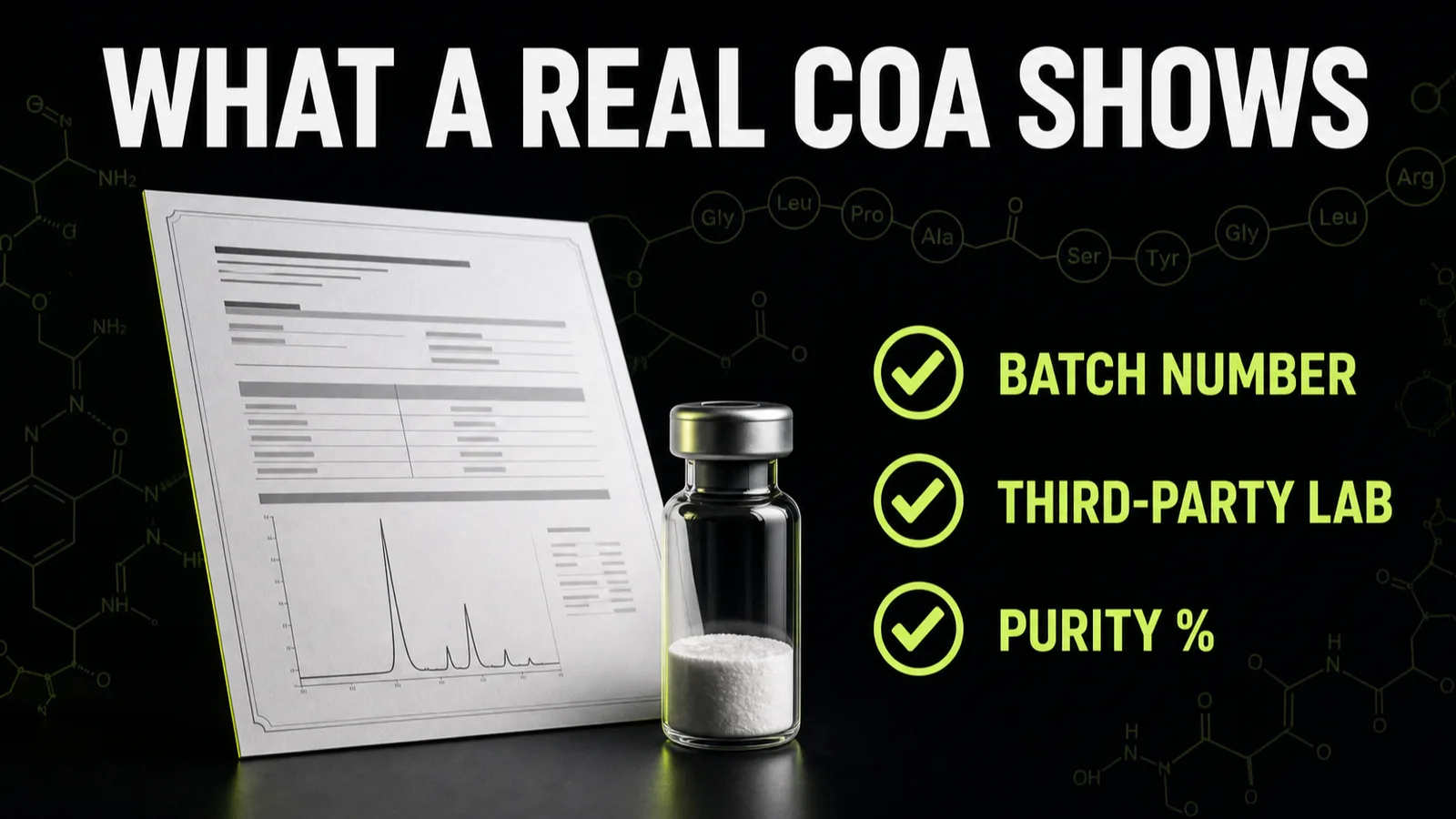
Certificate of analysis checklist for buying research peptides for animal use showing purity testing and batch verification
A COA that names the batch and the testing lab is the minimum standard worth accepting.

Where to Go Next

Species protocols differ enough that the detail lives in dedicated guides:

  • Peptides for dogs — arthritis and hip dysplasia, CCL tears and post-TPLO recovery, IBD, weight-based dosing from toy breeds to giants, and what the response timeline actually looks like.
  • Peptides for cats — IBD and chronic diarrhoea protocols, stomatitis, the chronic kidney disease question, and why cats need dilution rather than simply a smaller number.
  • Peptides for horses — superficial digital flexor tendon and suspensory injuries, gastric ulcers, dosing for a 500 kg animal, and the competition rules that dog and cat owners never have to think about.
Frequently Asked Questions

Are peptides safe for pets?
Veterinary case experience over more than a decade reports no serious adverse events, and peptides do not carry the organ-toxicity profile that long-term NSAIDs do. But there are no controlled safety trials in dogs, cats or horses, so "safe" here means "no signal of harm in uncontrolled use" rather than "proven safe". The two situations that genuinely warrant caution are animals with known or suspected tumours, because BPC-157 and TB-500 both promote blood vessel growth, and animals with established kidney or liver disease.
Can I give my dog the same BPC-157 I take myself?
Chemically it is the same molecule — there is no separate veterinary formulation of BPC-157 in the research market. The difference is entirely dose and reconstitution. A dog needs roughly 2–10 mcg per kilogram, which for most dogs works out well below a typical human dose, so you cannot simply share a vial reconstituted for human use without recalculating. Dilute more heavily so the dose is a measurable volume.
Which peptide should I start with?
BPC-157 for most situations. It has the broadest evidence base across tissue types, it works for both musculoskeletal and gut problems, it is the cheapest of the six, and it is the one veterinarians familiar with peptides are most likely to have used before. TB-500 is the better first choice specifically for tendon and ligament injury, particularly in horses.
How long before I see anything?
For soft-tissue and joint work, owners commonly report early changes at one to two weeks — a dog willing to take stairs again, less morning stiffness. Chronic arthritis takes longer, with most meaningful change appearing at four to six weeks. Gut conditions in cats often respond faster, frequently inside two to three weeks. If nothing has changed by week six, more time is unlikely to help.
Are peptides legal for animals?
They occupy a grey zone. None are FDA-approved for animals, and compounded animal drugs made from bulk substances are technically unapproved drugs, though FDA guidance GFI #256 sets out conditions under which the agency does not intend to take enforcement action. In July 2026 an FDA advisory committee voted narrowly in favour of allowing pharmacies to compound BPC-157, KPV, TB-500 and MOTS-c, but that recommendation is non-binding. Buying research peptides is not itself prohibited; the restrictions apply to how they are marketed and prescribed.
Do peptides work for cats as well as dogs?
The evidence base is thinner for cats, largely because fewer owners try it, but the mechanisms are not species-specific and reported response rates for feline IBD are good. The real differences are practical: cats are small enough that dosing precision becomes the limiting factor, they are harder to inject consistently, and chronic kidney disease is common enough in older cats that it needs factoring in.
Can peptides replace surgery?
No. They will not repair a fully ruptured cruciate ligament, reverse advanced bone-on-bone arthritis or fix a structural deformity. Where they earn their place is alongside surgery — several veterinary protocols include BPC-157 in post-operative recovery after TPLO or spinal procedures — and in animals that have stopped responding well to conventional pain management.
BPC-157 (10mg)

Recommended Supplier

In StockShips from USA

BPC-157 (10mg)

BPC-157 (10mg) from Ascension Peptides, third-party tested and shipped from the US. Use code PEPTIDEDECK for 50% off.

$24.50$49.00

Exclusive 50% off — use code PEPTIDEDECK

Get BPC-157 (10mg) - 50% Off with PEPTIDEDECK

Buy BPC-157 — 99%+ Purity

BPC-157

BPC-157

5mg Single Vial · 99%+ Purity

$55.00$59.99
From $55.00

Related Topics

peptides for animalspeptides for petsveterinary peptidespeptide therapy for animalsBPC-157 for animalsanimal peptide dosingpeptides in veterinary medicine
Back to Peptides
Contents0%
What "Peptides for Animals" Actually MeansThe Six Peptides That Come Up MostWhich Species, Which UseHow Dosing Works Across SpeciesInjection or Oral?The Legal Picture in 2026Safety: What Actually Deserves AttentionSourcing: Research-Grade vs CompoundedWhere to Go NextFrequently Asked Questions
BPC-157 (10mg)

save 50% with code

Get 50% Off
PDPeptideDeck

Research-backed guides, dosing tools and reviews for peptides and GLP-1 medications.

01 · Explore

  • Peptide Guides
  • Oral Peptides
  • HRT Guide
  • TRT Guide
  • Blog
  • Calculators
  • AI Coach
  • Shop

02 · GLP-1

  • GLP-1 Guide
  • GLP-1 Programs
  • GLP-1 Reviews

03 · Company

  • About
  • Contact

04 · Dosing Charts

MOTS-cSermorelinSelankGHK-CuSemaglutideGLOWTesamorelin5-Amino-1MQCagrilintideMK-677FOXO4-DRIZepboundMounjaroWegovyKisspeptinSS-31Thymosin Alpha-1KPVEnclomipheneGlutathione
© 2026 PeptideDeck