Getting BPC-157 in 2026 is easier than 2024.
The big change happened on February 27, 2026, when HHS Secretary Robert F. Kennedy Jr. announced that 14 of the 19 peptides previously restricted under FDA Category 2 would move back to Category 1. BPC-157 is one of them. That reclassification means licensed 503A compounding pharmacies can prepare it again under physician prescription, restoring a route that was effectively closed for nearly three years. There are now four real ways to get BPC-157 in 2026, ranging from same-week peptide vendor delivery to a few weeks for a compounded prescription. Here's how each one works.
🔑 Key Takeaways
- 503A compounding pharmacies can prepare BPC-157 again as of the February 2026 RFK reclassification, after a near-three-year prohibition.
- Telehealth peptide clinics ($150 to $400/mo) handle prescription, compounding, and shipping in one workflow.
- Peptide vendors are still the fastest and cheapest route ($60 to $90/mo at typical 250mcg twice-daily dosing).
- Local functional medicine doctors can write the prescription if you prefer in-person care, but expect $200+ in consultation and lab fees on top of the medication.
- The reclassification is announced but the FDA hasn't formally updated its Category 2 list yet. Most compounding pharmacies are accepting prescriptions; a handful are still cautious until the formal Federal Register update.
Here's exactly how each route works.
Route 1: Peptide Vendors (fastest and cheapest)
The peptide vendor route never went away. Even when 503A compounding was restricted, independent synthesis labs continued selling BPC-157 vials directly. This is the fastest, cheapest, and least medically supervised route.
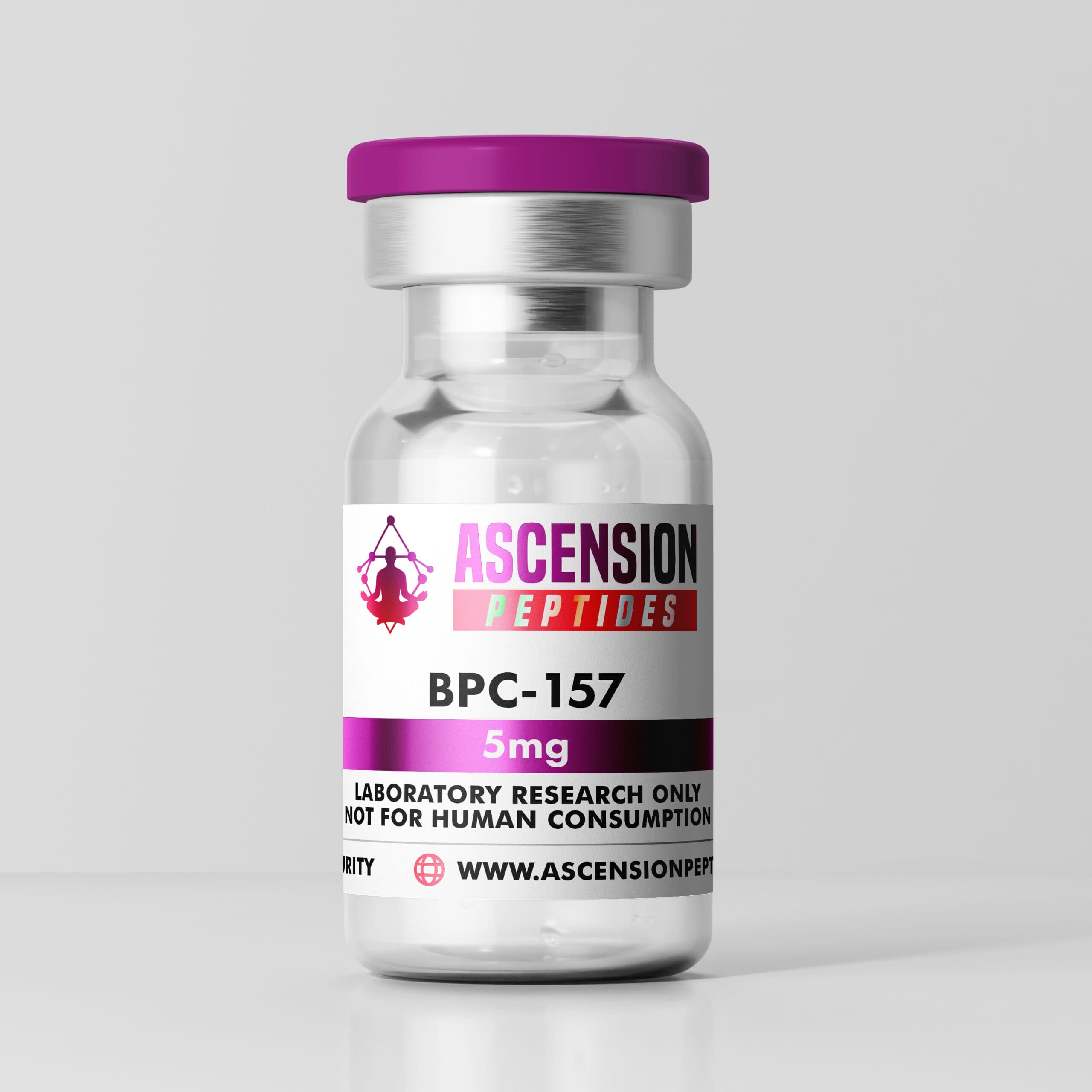
How it works: Order BPC-157 from a vendor with a verifiable Certificate of Analysis. Standard sizes are 5mg and 10mg lyophilized vials. You reconstitute with bacteriostatic water and self-inject subcutaneously near the injury site or systemically.
Pricing in 2026:
- 5mg vial: $30 to $50 (around 4 weeks at 250mcg twice daily)
- 10mg vial: $50 to $80 (around 8 weeks at the same dose)
- Effective monthly cost: $30 to $50 typical
Best for: Cost-driven buyers, people with prior peptide experience, or anyone who needs to start a healing protocol within days rather than weeks.
Tradeoff: No physician oversight, no pharmacy QA. Vendor quality varies. Demand a batch-specific COA with HPLC at 99%+ purity and an endotoxin pass before paying anyone.
Route 2: Telehealth Peptide Clinic (medical supervision, no in-person visit)
This is the middle-ground route that exploded in 2025 and became more attractive after the February 2026 reclassification. Telehealth peptide clinics handle the prescription, route it to a partnered 503A compounding pharmacy, and ship the medication directly.
How it works: Sign up with a telehealth platform (Invigor Medical, AgelessRx, Maximus, Optimale, Cerebrum Health, or similar peptide-focused service), complete an intake form and required labs, get evaluated by a licensed physician, and receive your compounded BPC-157 by mail.
Pricing in 2026: $150 to $400 per month all-in (includes consultation, prescription, compounded medication, and shipping). Prices vary by platform and dose strength.
Best for: People who want a documented prescription and physician oversight without the in-person clinic markup, and who want pharmacy-grade compounded preparation.
Tradeoff: Slower than peptide vendors (typically 7 to 14 days from sign-up to first injection). Some platforms still pad pricing while pharmacies catch up to the new compounding access.
Route 3: Local Functional Medicine or Regenerative Medicine Doctor
If you prefer face-to-face medical care, a local functional medicine, regenerative medicine, sports medicine, or naturopathic doctor can prescribe BPC-157 and route the prescription to a 503A compounding pharmacy.
How it works: Book a consultation with a clinic that prescribes peptide therapy. Expect a full blood panel, full medical history, and a discussion of your injury or healing goal. Once prescribed, the pharmacy ships the compounded BPC-157 to your home or to the clinic.
Pricing in 2026:
- Initial consultation: $150 to $400
- Required labs (CBC, CMP, lipid panel): $100 to $300
- Compounded BPC-157 monthly: $200 to $500
- Total first-month cost: $450 to $1,200; ongoing: $200 to $500/mo
Best for: People with a complex injury or condition that benefits from in-person assessment, athletes who want a relationship with a sports-medicine specialist, or anyone whose insurance might partially cover the consultation portion.
Tradeoff: Highest total cost. Insurance almost never covers the BPC-157 itself because it's an unapproved drug, so most patients pay out of pocket regardless of plan.
Route 4: International or Compounded Outside the US
Some patients source BPC-157 from international compounding pharmacies in countries with looser peptide regulations. This is technically possible but legally murkier and often slower than domestic options.
How it works: Order through international telehealth networks or directly from foreign compounding pharmacies. Customs can hold or seize peptide shipments, particularly from China and India.
Pricing: Variable. Often advertised as cheaper than US compounded ($80 to $200/mo) but shipping risks erase the savings.
Best for: Almost no one in 2026. Now that domestic 503A compounding is back, the international route's main appeal (price) is gone, and the customs risk remains.
Route comparison table
Why most people start with the peptide vendor route
BPC-157 is one of the safest peptides in the catalog with a clean side-effect profile across thousands of user reports. The 5mg vial from Ascension at around $35 ships in 2 to 4 days, includes a third-party COA with HPLC at 99%+ purity, and lets you start a healing protocol the same week. For people without complex medical conditions, this is the most direct path. The honest tradeoff: no physician is reviewing your other medications or contraindications, so anyone with a personal or family history of cancer should consult a doctor first regardless of route.
What to do once you have BPC-157
Standard protocols for BPC-157 across the four routes are roughly similar:
- Standard healing dose: 250 to 500 mcg twice daily, subcutaneous, near the injury site for localized effects or anywhere systemic
- Cycle length: 4 to 8 weeks typical, with 4 weeks off between cycles
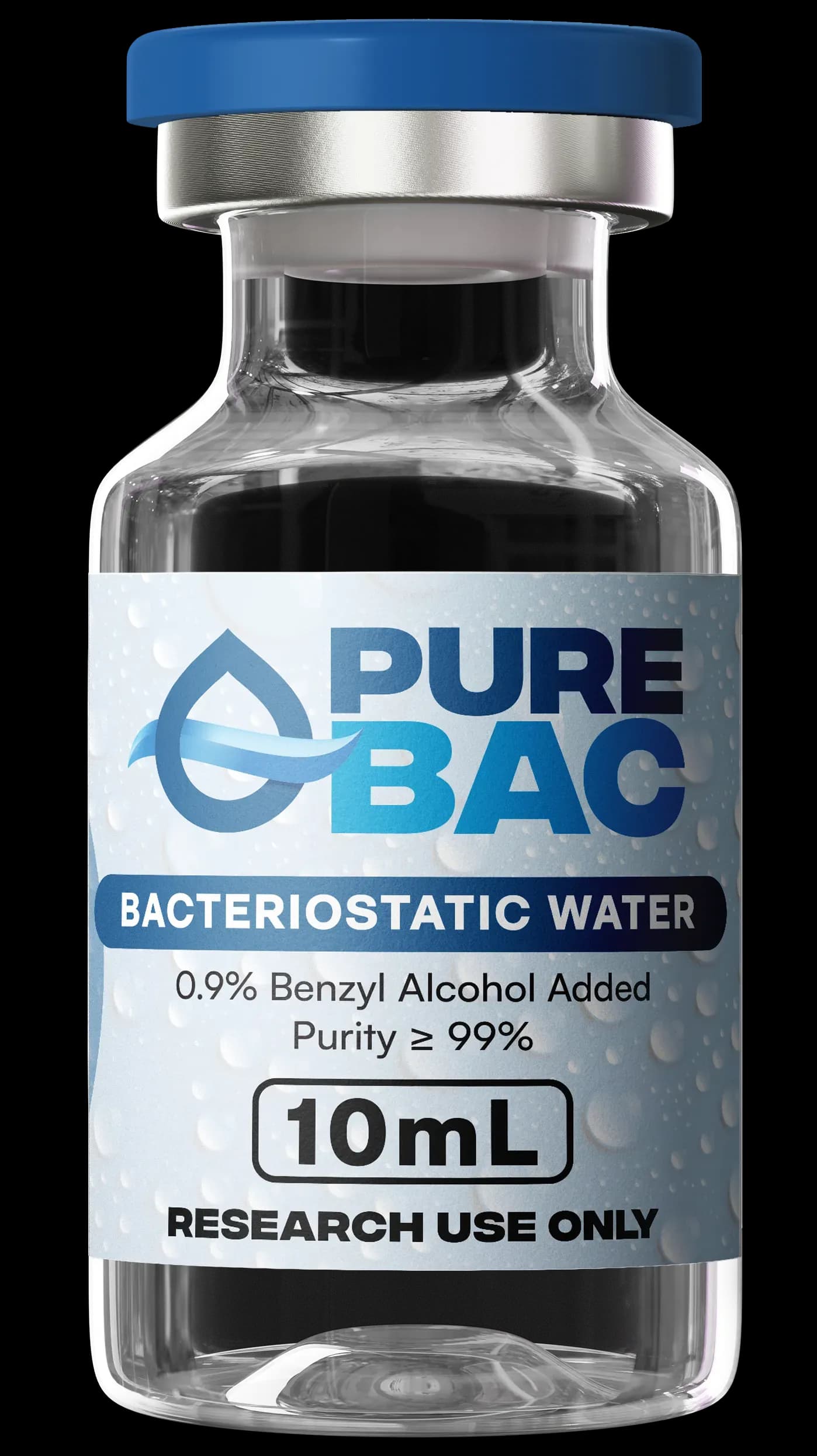
- Reconstitution: 5mg vial with 2mL bacteriostatic water gives 2.5mg/mL concentration. 0.1mL = 250mcg dose
- Storage: Lyophilized at room temperature, refrigerate after reconstitution, use within 30 days
For full dosing math see our BPC-157 dosage guide. For oral vs injectable comparison, see the BPC-157 + TB-500 + KPV stack guide.
How to verify a BPC-157 source before paying
Three verification steps regardless of route:
- For peptide vendors: Demand the batch-specific Certificate of Analysis with HPLC at 99%+, mass spec confirming the correct molecular weight (around 1,419 Da for BPC-157 acetate), and an endotoxin pass. The third-party lab should be verifiable.
- For telehealth peptide clinics: Verify the prescribing physician is licensed in your state. Verify the partnered compounding pharmacy is PCAB-accredited. Avoid platforms that prescribe without any labs or medical history review.
- For local doctors: Confirm they actually have an established relationship with a 503A pharmacy that compounds peptides. Many functional medicine clinics still don't.
Frequently asked questions
Medical disclaimer. This article is for general information only. Talk to a licensed medical provider before starting any peptide protocol, especially if you are pregnant, breastfeeding, taking other medications, or managing a chronic condition.